


Antique Industrial Light
An antique industrial light brings utilitarian strength and direct illumination into domestic spaces, drawn from factories, railways, and ships.
Antique Industrial Light
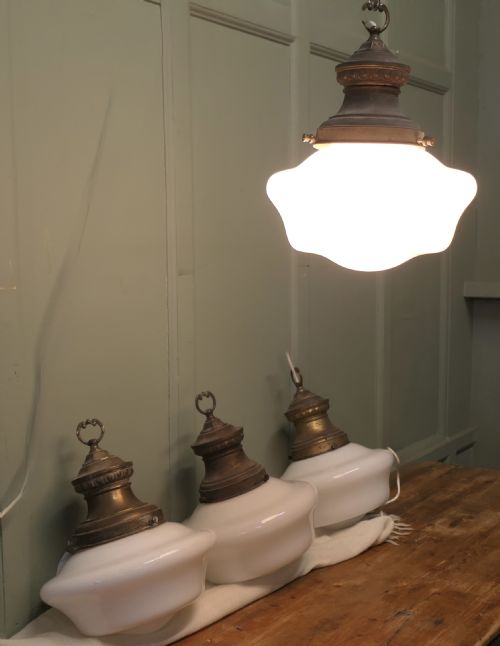
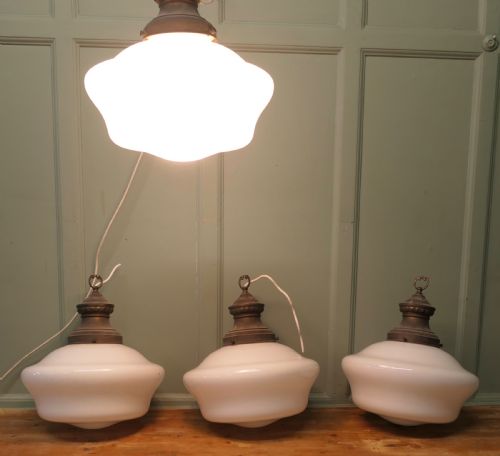
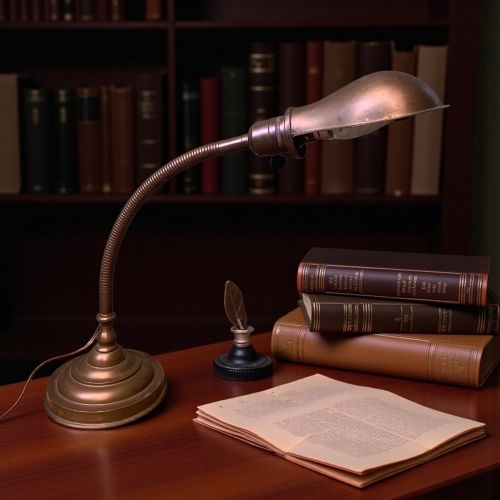
When you search for an antique industrial light, you encounter functional fittings repurposed from workplaces, transport networks, and maritime settings. The selection on this page centres primarily on pendant lights, ceiling lights, and desk lamps originating from the Victorian era through to the mid-twentieth century.
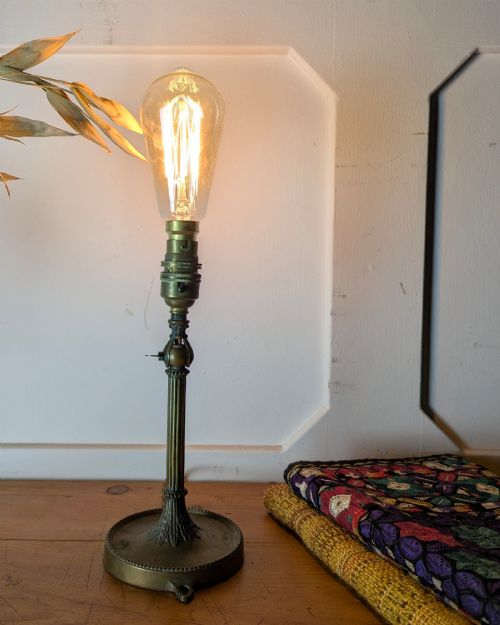
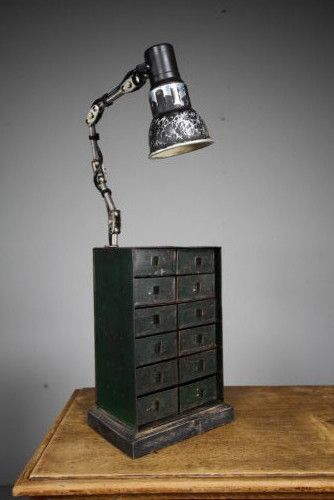
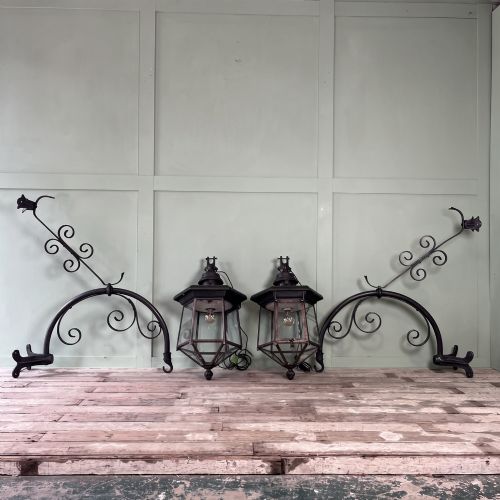
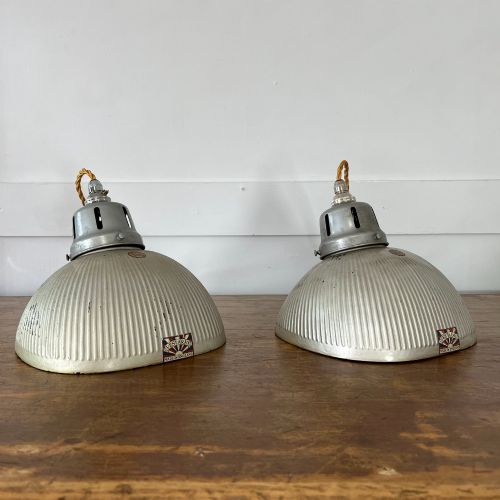
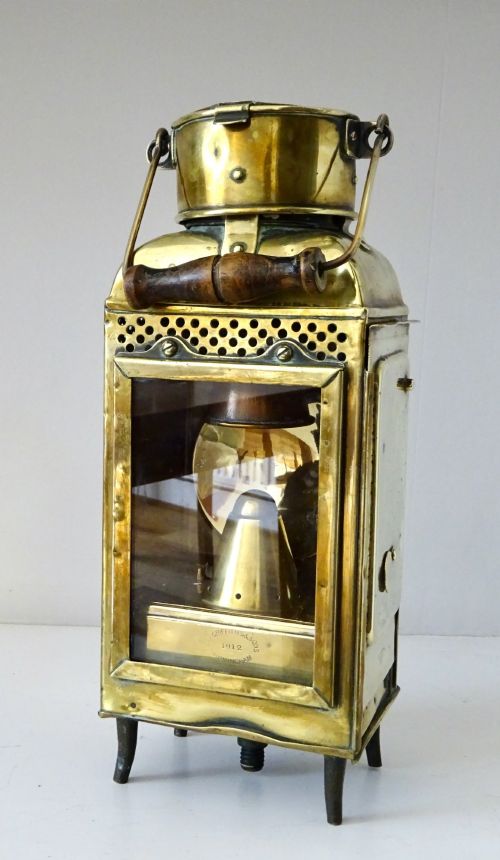
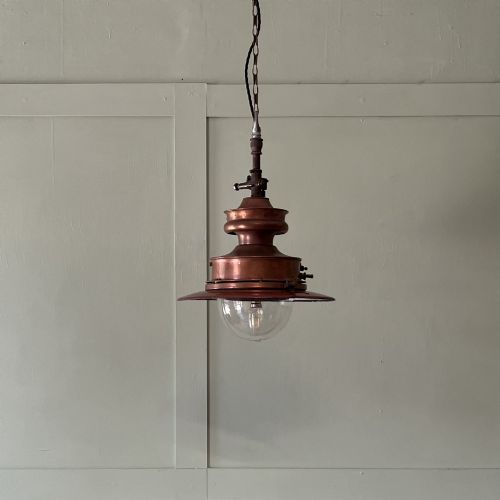
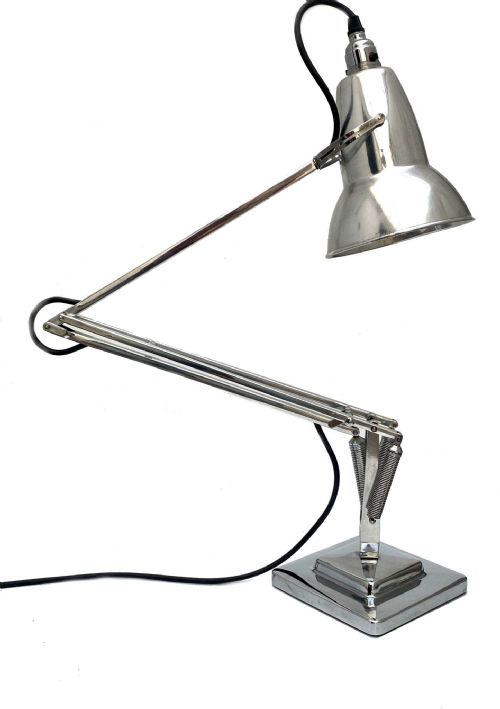
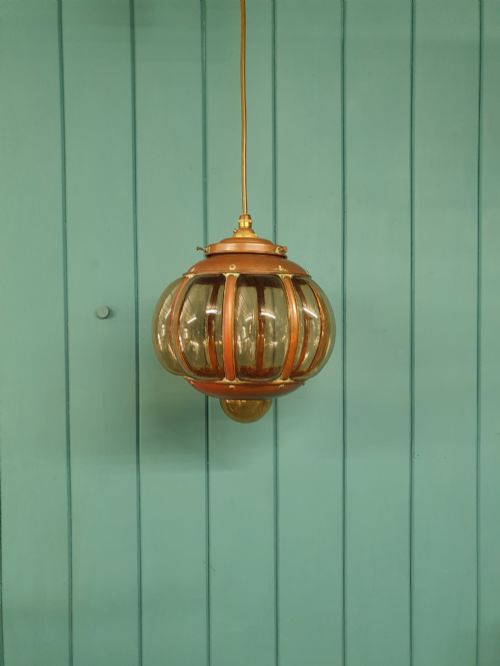
The most common forms include factory pendants with enamel shades, adjustable desk lamps of brass or steel, and heavy copper or iron lanterns designed for railways and ships. These items span various styles including Edwardian, Art Deco, and nautical, reflecting the robust manufacturing requirements of their original operational contexts.
How they were made
Makers utilised durable metals such as brass, cast iron, steel, copper, and wrought iron to withstand heavy daily use in demanding environments. Structural components were often cast or turned, then assembled with exposed fixings that prioritised utility over concealment.
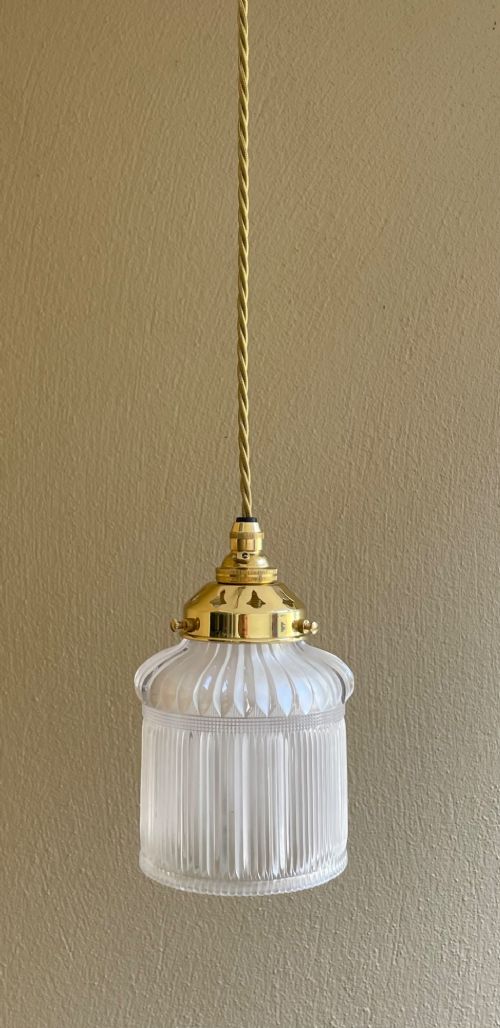
Glass elements, particularly moulded prismatic shades and opaline bowls, were integrated to diffuse intense illumination effectively. Finishes such as dark enamel coatings, polished chrome, and patinated bronze developed through practical application in workshops and transport hubs.
Listings feature items spanning the Victorian era through the 1950s, constructed from brass, copper, cast iron, and steel.
What varies in quality
The distinction between standard utility items and superior examples lies in the integrity of the original materials and the retention of maker markings. Heavier gauges of cast iron and brass, alongside intact branded glass shades, indicate a higher tier of production.
Quality also rests on the preservation of mechanical adjustments, such as articulated desk lamp arms or gimbal mountings that retain their intended tension and movement without modern replacement parts.
Eli Griffiths and Sons·Pirouette·REVO Leicester
The Antique Industrial Light Glossary
- Holophane
- A brand of scientific glass globes and shades featuring prismatic ribs designed to direct and diffuse light efficiently. These fittings became a staple of early twentieth-century factories and municipal buildings.
- Opaline glass
- A milk-white translucent glass used for lamp shades to soften glare while emitting a bright, even glow. It was frequently employed in chapel and institutional lighting.
- Gimbal
- A pivoted ring support that allows a lamp or lantern to remain level regardless of the motion of a ship or train. This mechanical arrangement prevented damage to oil burners and early electric bulbs.
- Pendant light
- A hanging luminaire suspended from the ceiling by a cord, chain, or metal rod. These fixtures formed the primary overhead illumination in industrial workshops and railway platforms.
Antique Industrial Light: Frequently Asked Questions
How do I install an old industrial light?
Most of these fixtures require modern wiring and a certified electrician to ensure they meet current safety standards for domestic installation. The original metal bodies and holders can typically be retained while updating the internal electrical components.
Ceiling pendants often need secure joist mounting due to the substantial weight of cast iron and thick glass shades. Wall lamps and adjustable desk models may require specific bracket adaptations for safe placement.
Were these lights originally electric or oil?
The lighting solutions from this category span a transitional period in technology, utilising both oil and early electricity. Railway lanterns and maritime fittings frequently began as oil or paraffin burners before conversion.
Factory pendants and adjustable desk lamps from the twentieth century were more commonly designed for early electric bulbs. Examining the original burner assemblies or wiring channels helps determine the initial power source.
How do I clean patinated metal finishes?
Preserving the surface requires gentle dusting with a dry cloth to remove loose debris without stripping the aged finish. Harsh chemical polishes should be avoided to maintain the authentic oxidation acquired through decades of workplace use.
Glass shades can be washed separately in warm soapy water to restore clarity. Metal arms and enclosures benefit from occasional application of microcrystalline wax to protect against further corrosion.
How can I date an industrial light?
Dating relies on identifying material choices, manufacturing techniques, and occasional maker stamps or patent dates stamped into the metal. Brass and heavy cast iron construction generally point towards Victorian or Edwardian origins, while chrome and steel are more typical of later periods.
The presence of specific shade designs, such as prismatic glass or coloured enamel, further narrows the production era. Comparing structural details with documented railway and factory hardware catalogues provides precise timelines.