


Metal Shade Pendant
These metal shade pendant lights bring robust industrial character and period illumination to interiors, offering an authentic alternative to modern reproductions.
Metal Shade Pendant
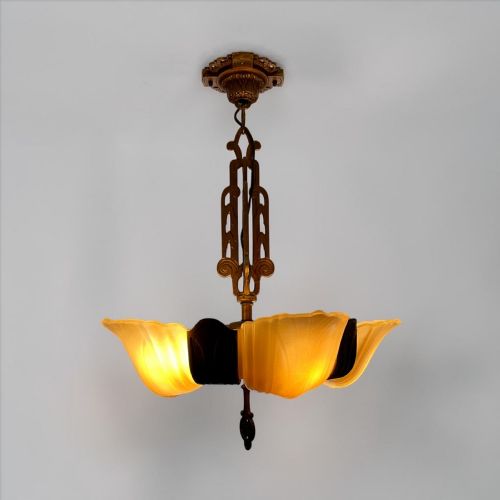
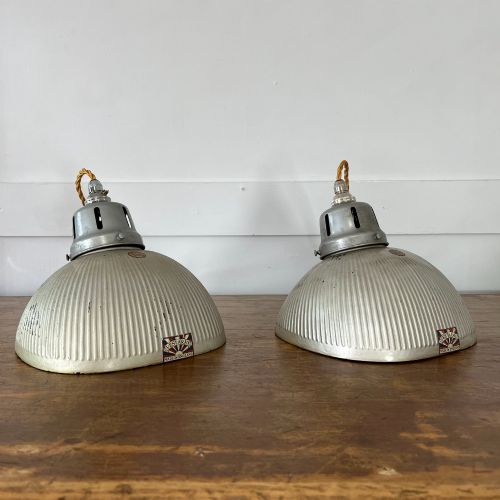
Shoppers frequently encounter utilitarian enamel shades, beaten copper designs, and glass-combined fixtures such as slip shade ceiling lights or prismatic pendants. Many pieces originate from industrial workshops, French chateaux, and commercial settings.
Forms range from simple single-light hanging lanterns and green man copper lanterns to elaborate multi-branch chandeliers with crystal tent and waterfall details. The variety encompasses both stark industrial utility and ornate decorative revival styles.
Materials and construction methods
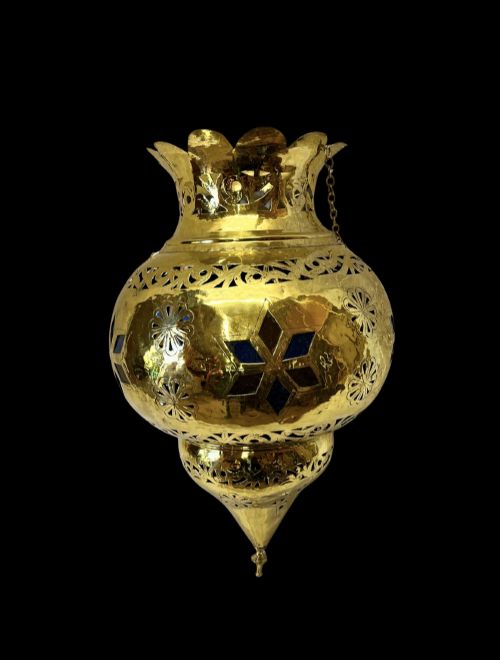
Construction relies heavily on spun or beaten metals including copper, brass, and cast iron, often paired with opalescent, frosted, or dimpled glass shades. Artisans shaped metal through hammering, piercing, and casting to form robust shades and intricate frames.
Surface treatments involve gilding, silver plating, and durable enamel finishes applied to withstand heavy commercial or domestic use. Electrical components and wiring are typically integrated into period suspension systems, sometimes converted from earlier gas or oil configurations.
Keep an eye out for flying cherub light fittings and green man copper lanterns hiding amongst the industrial shades.
Distinguishing build quality and finish
Quality separates through the weight of the metal, the crispness of cast details such as pierced brass work or cherub motifs, and the integrity of the glass shades. Heavier gauge copper, iron, and brass indicate sturdier commercial or domestic origins.
The sophistication of the secondary materials, such as hand-formed crystal drops or thick opalescent and prismatic glass, defines the upper tier of production. Finer examples retain original surface patination, gilding, and maker signatures on glass or metal elements.
Verrerie Des Vosges·VESTARAY
The Metal Shade Pendant Glossary
- Slip Shade
- A glass shade designed to slip directly into a metal frame without screws. These are commonly found on Art Deco ceiling lights.
- Prismatic Glass
- Glass moulded with geometric ridges designed to refract and diffuse light evenly. This material is typical in early twentieth-century industrial fixtures.
- Enamel
- A vitreous coating fused to a metal base at high temperatures to provide a durable, glossy surface. It is frequently seen on industrial pendant shades.
- Tent and Waterfall
- A chandelier arrangement where strings of crystal beads form a tent shape above and a cascading waterfall effect below. This style appears on elaborate French brass fittings.
Metal Shade Pendant: Frequently Asked Questions
How do I hang a heavy cast iron pendant safely?
Heavy fixtures require direct anchoring to a ceiling joist using a rated mounting hook or heavy-duty electrical box.
Consult a qualified electrician to ensure the wiring and structural support can safely bear the weight of cast metal or large multi-branch chandeliers.
Can I use modern LED bulbs in these lights?
Most vintage fittings accept standard modern LED bulbs, provided the wattage matches the historical capacity of the socket.
Check the socket interior and consult an electrician if the fixture retains older wiring or non-standard fittings.
How do I clean an antique copper shade?
Dust the metal gently with a dry microfiber cloth to preserve the natural patination and any historic surface finishes.
Avoid abrasive cleaners or chemical polishes, as these can strip away aged patinas and protective gilding.
What rooms suit an industrial enamel pendant?
Industrial enamel shades work well over kitchen islands, dining tables, or in hallways where direct, downward task lighting is required.
Their robust construction and simple profiles complement both contemporary and traditional interior schemes.