






Vintage Railway Lantern
These vintage railway lantern pieces are solid industrial service items built for tracks and stations, offering an authentic piece of transport history for your home.
Vintage Railway Lantern
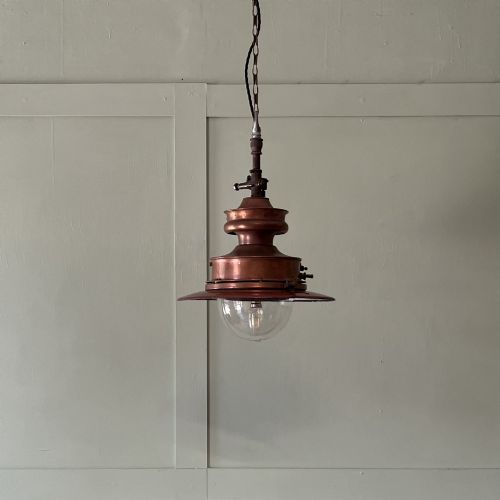
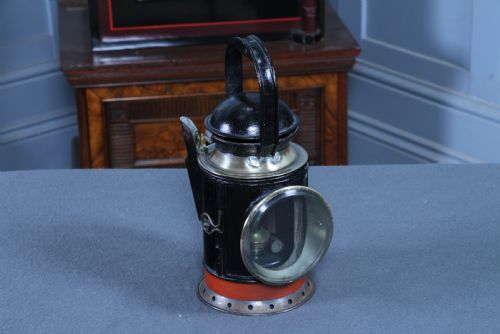
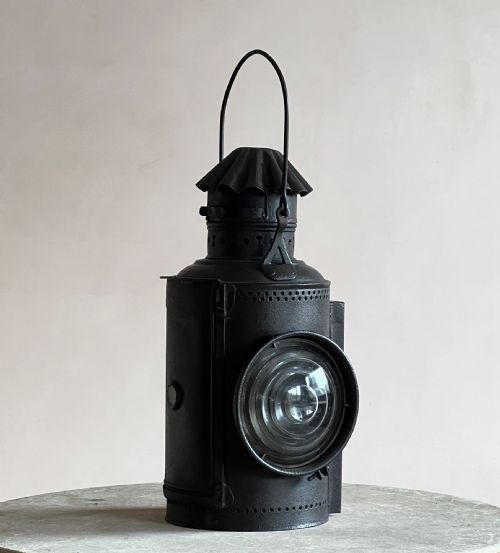
When you search for a vintage railway lantern, you are looking at utilitarian lighting equipment made for railway operations during the Victorian, Edwardian, and mid-twentieth century eras. These items span various functional forms including hanging lanterns, hand lamps, signal lamps, and carriage lights.
You are most likely to meet pieces associated with major British lines such as the GWR and LNER, alongside station master items and inspector lamps. The selection includes copper hanging lanterns, brass gimbal lamps, and painted steel signal oil lamps originating from early railway networks.
How they were made
Makers constructed these working items using robust metals like copper, brass, iron, and painted steel to withstand demanding outdoor and onboard conditions. Glass lenses, including tri-colour variants, were fitted securely to project signals or illumination.
Workshop production involved metal shaping and riveting, often combining weighted bases or gimbal mountings so the lamps remained stable on moving trains or swaying station platforms.
Vintage Railway Lantern Retail Price Guide 2026
Typical asking prices for vintage railway lantern among the pieces listed under this phrase on Sellingantiques today, from the lower quarter to the upper quarter. They describe what is for sale here now, not the wider market.
One piece doubles as a silver pin cushion shaped like a tiny railway lamp for Edwardian tailors.
What varies in quality
Quality differences rest upon the original maker's mark and the presence of specific railway company stampings, which elevate historical interest. Pieces retaining their original coloured glass lenses and intact brass or copper components represent the higher tier of survival.
Simpler utilitarian production without company identifiers or heavily replaced parts sits lower on the scale, though construction remains sturdy across all periods from the nineteenth century onward.
Eli Griffiths And Sons·Dressel
The Vintage Railway Lantern Glossary
- GWR
- Great Western Railway. This major British railway company frequently stamped its equipment for identification.
- Signal Lamp
- A specialised lighting device. These used coloured glass lenses to communicate movement instructions on the line.
- Gimbal
- A pivoted support ring. This allowed carriage and train lamps to remain level despite motion.
- Tri-Colour Lens
- A multi-shaded glass component. It enabled a single lamp to display different operational signals.
Vintage Railway Lantern: Frequently Asked Questions
What were vintage railway lanterns used for?
These lamps served multiple operational duties across networks, from illuminating carriages and station platforms to signaling train movements on the track.
Inspectors and station masters carried handheld versions for night rounds, while mounted variants guided locomotives and rolling stock.
How do I date a railway lantern?
Dating relies on company stampings, maker marks, and stylistic shifts spanning from Victorian ironwork to mid-twentieth-century steel designs.
Period indicators like Edwardian brass construction or specific nineteenth-century carriage lamp formats help narrow the timeline.
Are these lanterns still usable for lighting?
Most pieces survive as historical display objects rather than functional oil-burning lighting fixtures for daily domestic use.
Collectors generally preserve them for their industrial aesthetic and transport heritage rather than converting them back to active service.
What metals are these lamps made from?
Makers utilised durable materials suited to harsh outdoor environments, predominantly featuring brass, copper, iron, and painted steel.
Glass elements and internal oil lamp mechanisms completed the durable construction required for railway work.