

Boxed Victorian Jewellery
These boxed victorian jewellery pieces bring together period containers and contents, offering a glimpse into nineteenth-century dressing habits.
Boxed Victorian Jewellery
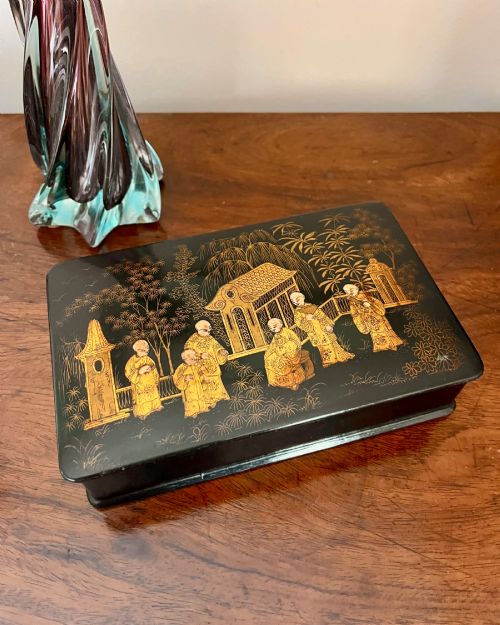
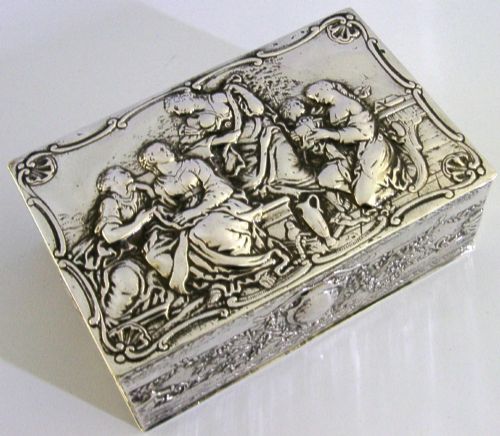
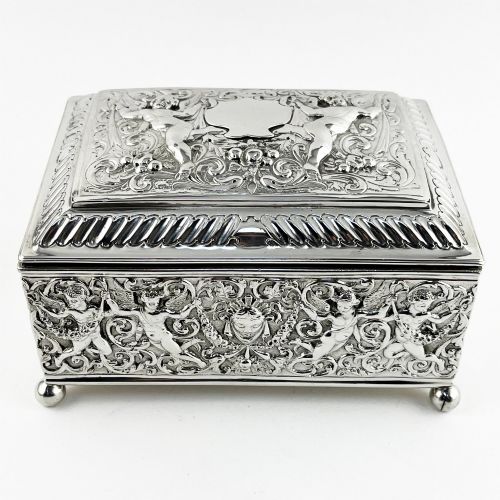
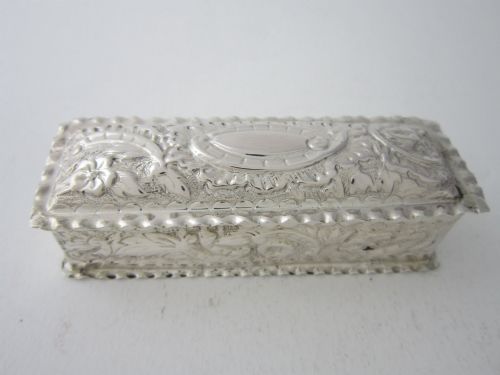
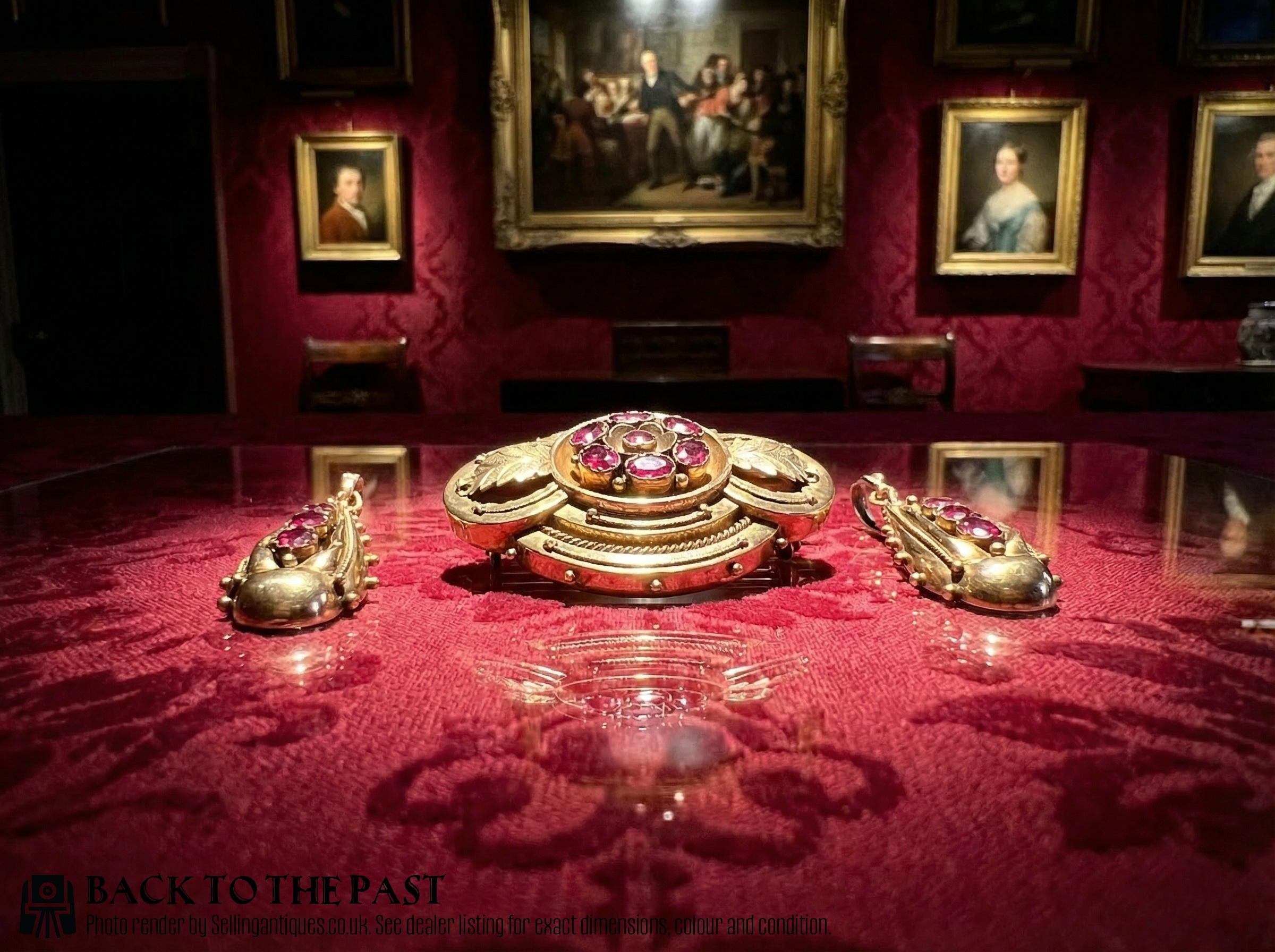
When you search for boxed victorian jewellery, you encounter a mix of fitted wooden caskets, silver trinket boxes, and occasional jewellery pieces housed in their original cases. These items date primarily from the nineteenth century, ranging from the William IV era through to the late Victorian decades.
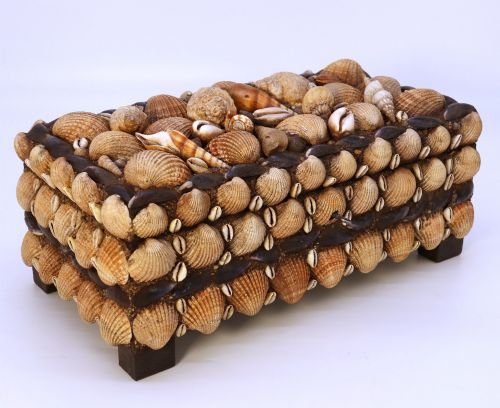
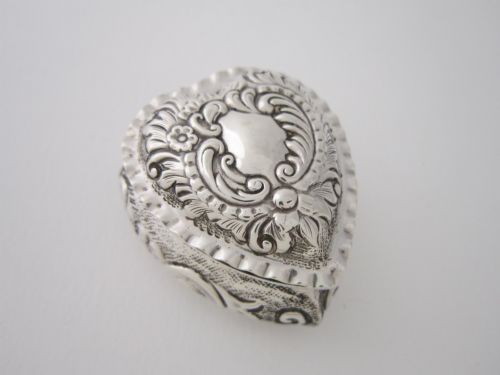
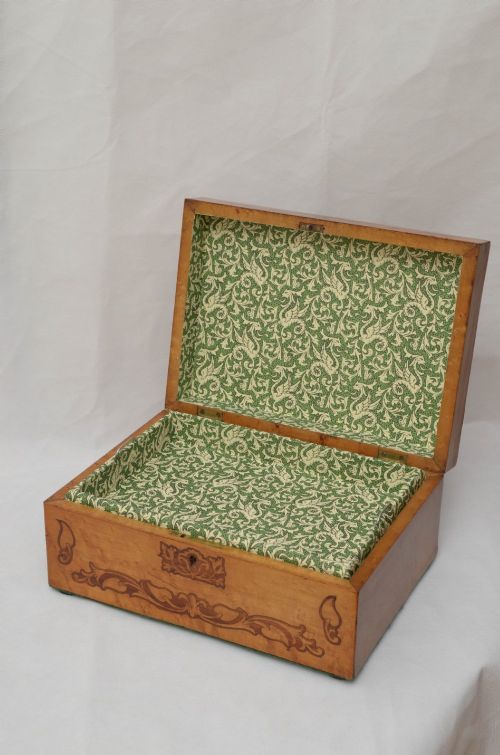
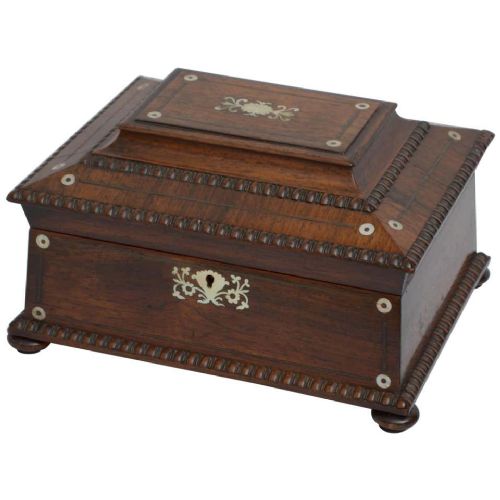
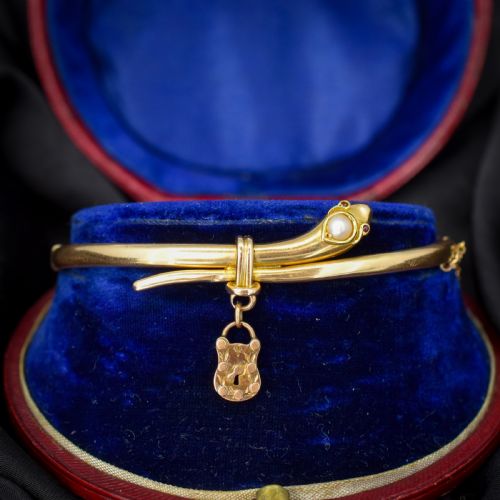
The objects take many forms, including mahogany and walnut jewellery boxes, silver heart-shaped trinket boxes, glass caskets, and miniature apprentice pieces. Some listings pair the containers directly with contemporary bangles, pendants, or bracelets retained in their original fitted boxes.
How they were made
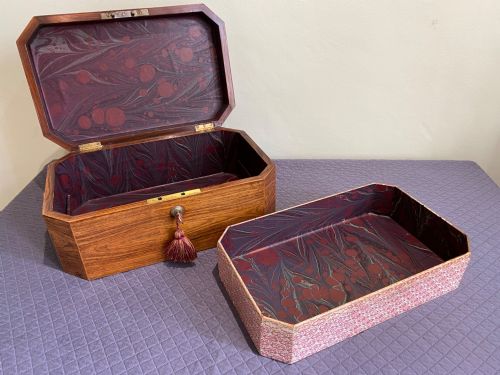
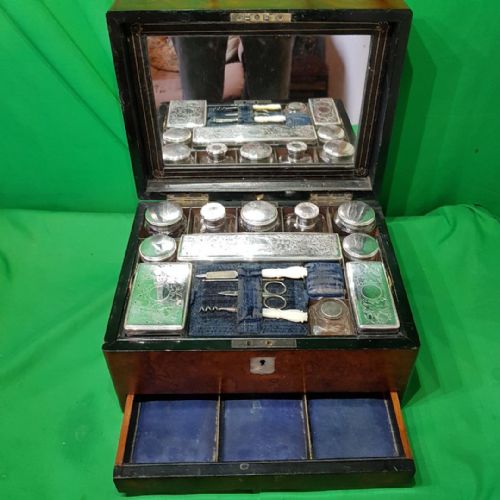
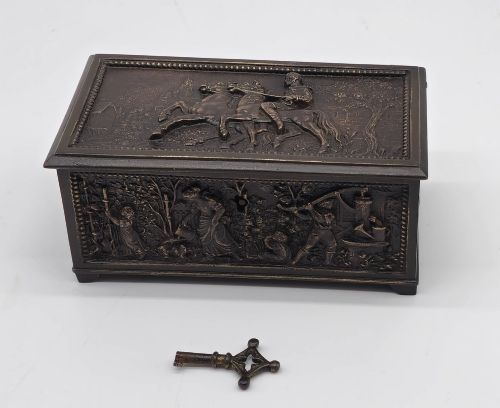
Wood construction relies on dense timbers such as rosewood, walnut, and mahogany, often enhanced with marquetry, Tunbridge inlay, or burr maple veneers. Metal containers utilise sterling silver, cast bronze, and gilt brass, frequently combined with bevelled glass panels or enamel.
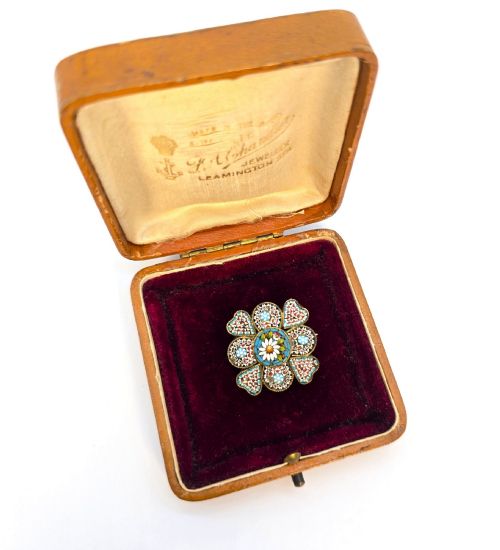
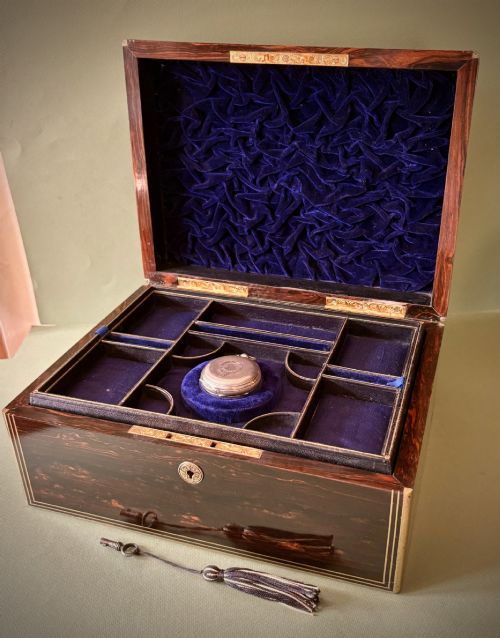
Interiors show careful organisation, employing velvet and satin linings to protect delicate contents. Specialist techniques include micro-mosaic work, hand-painting on porcelain, and intricate needlework or leather-tooling for dressing cases.
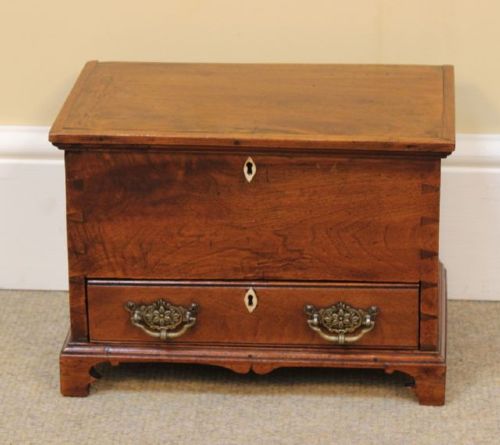
Several miniature chests double as small sewing drawers where apprentices hid spare buttons.
What varies in quality
Quality rests on the integrity of construction and the preservation of internal fittings. Superior examples retain original silk linings, working locks with matching keys, and intact glass or mirrored components without replacement parts.
The refinement of exterior decoration dictates distinction, separating standard production boxes from those featuring complex marquetry, micro-mosaics, or heavy solid silver mounts.
Edmund Nye·F. West
The Boxed Victorian Jewellery Glossary
- Apprentice piece
- A small-scale item of furniture or a miniature chest created by a craftsman to demonstrate skill for trade guild membership.
- Tunbridge ware
- Woodwork decorated with mosaic patterns formed from tiny coloured wood blocks assembled to create pictorial or geometric designs.
- Bijouterie
- A small decorative box or display table designed specifically to hold precious trinkets and small personal items.
- Micro-mosaic
- An assembly of minute glass tesserae creating detailed miniature pictures, commonly set into metal brooches and boxes.
- Boulle
- A method of marquetry using tortoiseshell and brass inlay, popularised in France and adapted on later nineteenth-century caskets.
Boxed Victorian Jewellery: Frequently Asked Questions
What is boxed victorian jewellery?
The term describes nineteenth-century personal ornaments sold or kept within their original fitted containers, alongside decorative caskets used to store such items.
These pieces reflect the period's craftsmanship, combining functional storage with ornamental appeal.
How were these boxes used?
Owners used these caskets on dressing tables to store rings, necklaces, and keepsakes, or packed them into travelling cases for journeys.
Fitted interiors with velvet channels and compartments kept delicate items secure and separated.
How do I date these pieces?
Dating relies on hallmarks on silver components, construction styles, and material preferences typical of specific decades within the nineteenth century.
Design motifs such as Neo-Rococo curves or Arts and Crafts simplicity provide further chronological clues.
Are the presentation boxes original?
Many items retain their fitted cases bearing period retail stamps or velvet-lined slots designed specifically for the enclosed jewellery.
Matching the wear on the outer case to the interior contents helps confirm their shared history.