


Botanical Illustration Artwork
Botanical illustration artwork brings natural history studies and floral watercolours into interiors, offering framed watercolours and lithographs from the nineteenth century onward.
Botanical Illustration Artwork
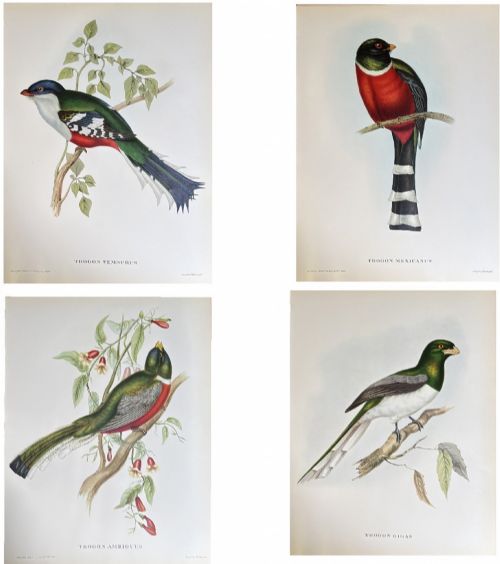
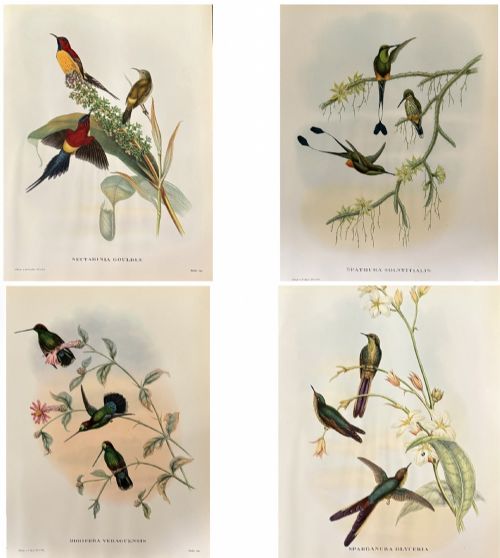
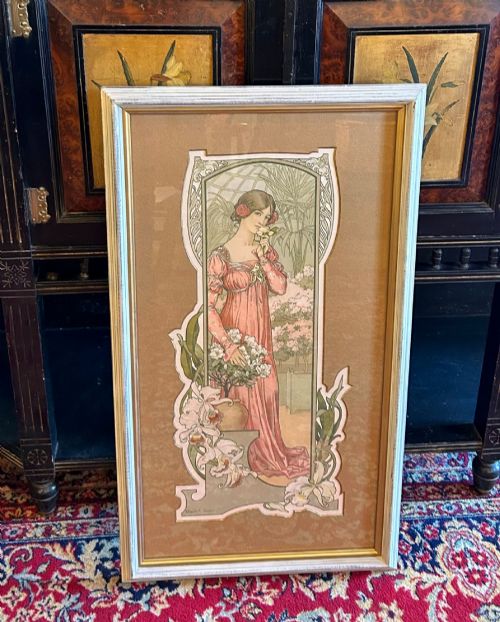
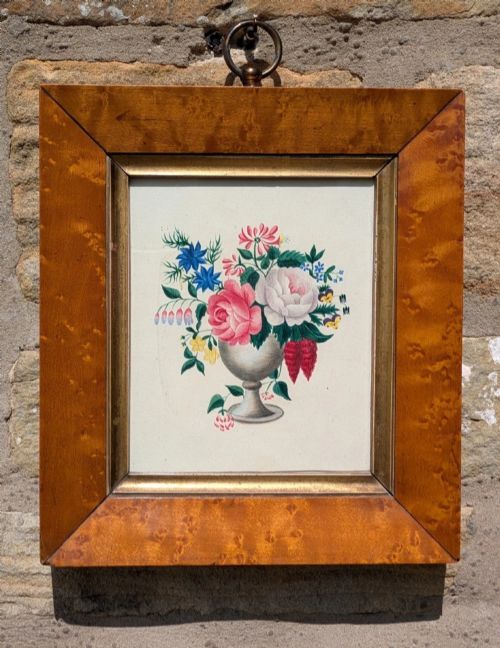
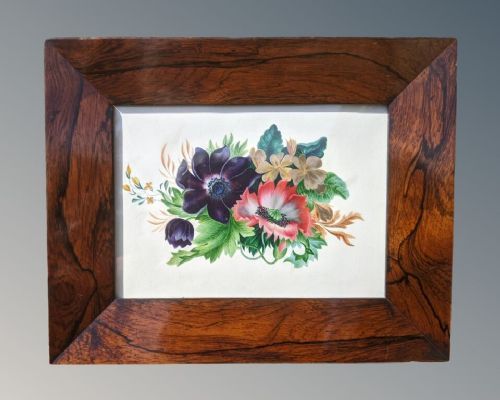
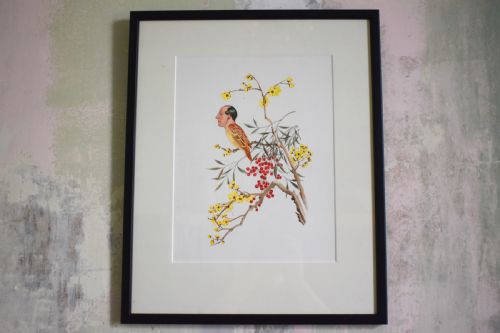
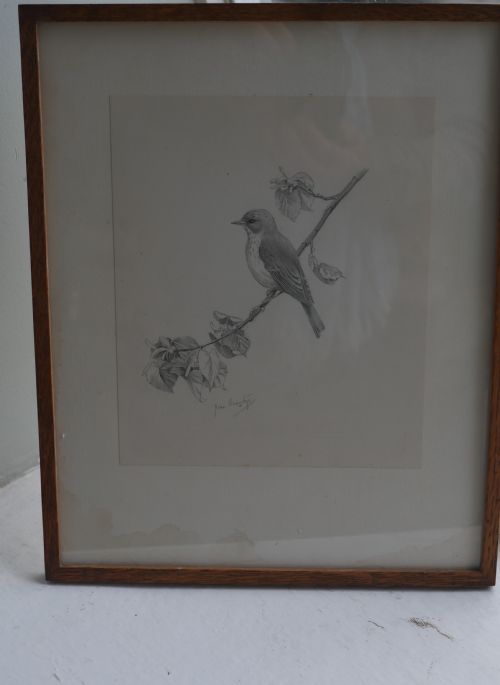
Botanical illustration artwork encompasses framed watercolours, gouache paintings, pencil drawings, and coloured lithographs depicting plants, flowers, birds, and insects. Buyers frequently encounter nineteenth-century watercolours and Regency period studies, alongside twentieth-century prints and paintings.
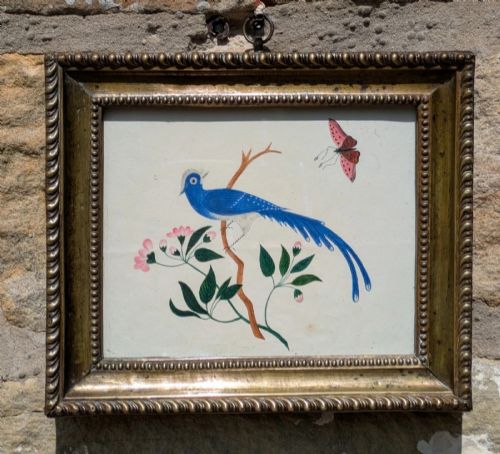
The objects take the form of individual wall art pieces, framed prints, and coordinated sets of botanical and ornithological studies. Many works originate from English and French schools, capturing subjects from garden flowers to tropical birds and butterflies.
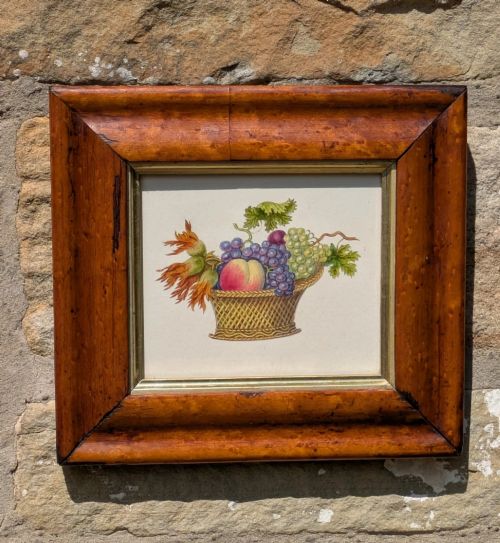
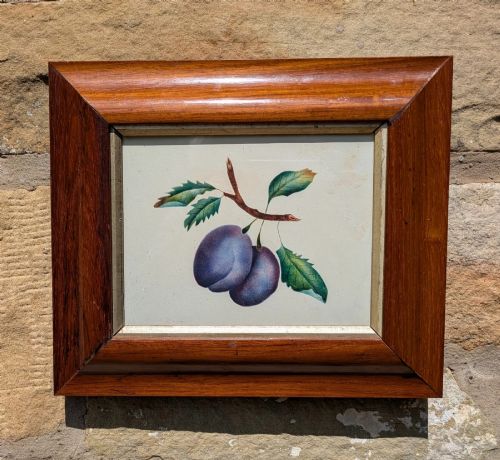
Pieces range from intimate cabinet watercolours housed in rosewood frames to larger framed artwork and decorative lithographic plates. These items serve primarily as wall decoration, bringing natural history and floral subjects into domestic spaces.
How they were made
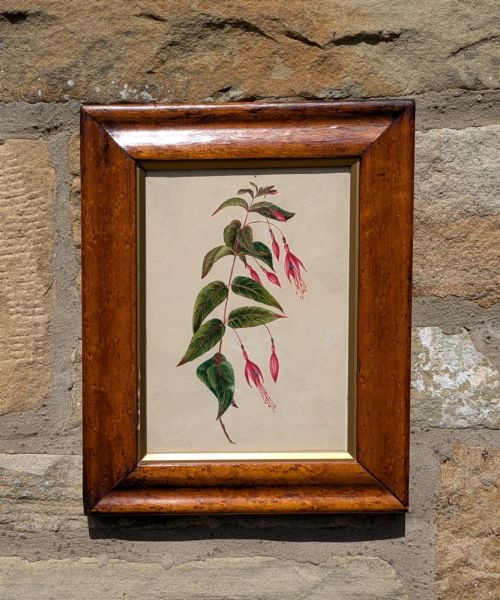
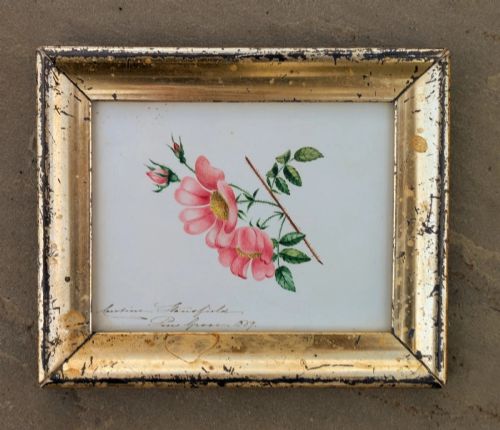
Makers produced these works using watercolour pigment, gouache, and ink applied to paper supports, often supported by pencil underdrawing. Many pieces combine watercolour and gouache to achieve opaque detail in floral petals and bird plumage.
Reproduction works utilise lithography and engraving techniques on paper, capturing fine botanical and entomological details. Framed pieces frequently incorporate traditional wooden surrounds, including gilt wood and rosewood frames.
Paper supports are paired with diverse framing materials, including gilt wood, rosewood, and oval wooden mounts.
What varies in quality
The precision of the draughtsmanship and botanical accuracy distinguish finer examples from standard decorative pieces. Hand-painted watercolours by named artists exhibit greater tonal subtlety in pigment application than mass-produced prints.
The preservation of the paper support and the vibrancy of the watercolour pigments influence the overall standard of the work. Contemporary framing choices, such as period rosewood or gilt wood surrounds, enhance the presentation of nineteenth-century pieces.
Elisabeth Sonrel·Catherine Thomas·M Simpson·Henrietta Creswell·William Andrews Nesfield·William Hough·Eloise Harriet Stannard·Pancrace Bessa·Jabez Bligh·Charlotte Isa James·Alice Macallan Swan·John Curtis·Annie Mary Youngman·Edith Alice Andrews·John Sherrin·M.K Rhodes·Pierre-Joseph Redouté
The Botanical Illustration Artwork Glossary
- Lithography
- A planographic printing method using a stone or metal plate to produce multiple impressions on paper. This technique enabled the publication of nineteenth-century botanical plates.
- Gouache
- An opaque water-based paint composed of pigment and binding agent, frequently mixed with watercolour. Artists utilised gouache to add dense highlights to floral and bird studies.
- Regency
- An English stylistic period spanning the early nineteenth century, characterised by classical restraint and naturalistic motifs. Pieces from this era often feature delicate watercolour palettes.
- Engraving
- A printmaking process where an image is incised into a metal plate to hold ink for transfer onto paper. Botanical publishers employed this method for detailed scientific plates.
- Ornithological
- Pertaining to the study and depiction of birds. These works form a distinct category alongside botanical plant studies.
Botanical Illustration Artwork: Frequently Asked Questions
What is botanical illustration artwork?
Botanical illustration artwork comprises hand-painted watercolours, gouache studies, and printed plates focusing on plants, flowers, and natural history subjects. These works document scientific observations and decorative flora from the eighteenth century to the mid-twentieth century.
Collectors and interior decorators use these framed pieces as wall art. They appear individually or in coordinated sets, housed in period wooden frames.
How do I care for antique watercolours?
Antique watercolours and paper works require protection from direct sunlight to prevent pigment fading and paper degradation. Maintaining stable humidity levels in the room preserves both the paper support and the wooden frame.
Displaying these pieces away from direct heat sources ensures the longevity of the watercolour pigments. Professional framing with conservation materials further safeguards the artwork against environmental damage.
Are these pieces original paintings or prints?
The selection includes both original hand-painted works and historical printed reproductions. Original pieces feature direct applications of watercolour, gouache, or ink on paper by artists and botanical draughtsmen.
Printed items encompass nineteenth-century lithographs and engravings produced for botanical publications and folios. Close examination of the surface reveals whether pigment sits on the paper or forms part of a printed ink matrix.
How are sets of botanical prints displayed?
Sets of botanical and ornithological prints are traditionally hung together in symmetrical arrangements to create visual balance on a wall. Matching frames unify disparate plates from the same publication or series.
Grouping studies by a single artist or shared subject matter, such as butterflies or tropical birds, highlights their decorative and thematic coherence. This method of display reflects historical gallery and study room practices.