


Blue Wooden Side Table
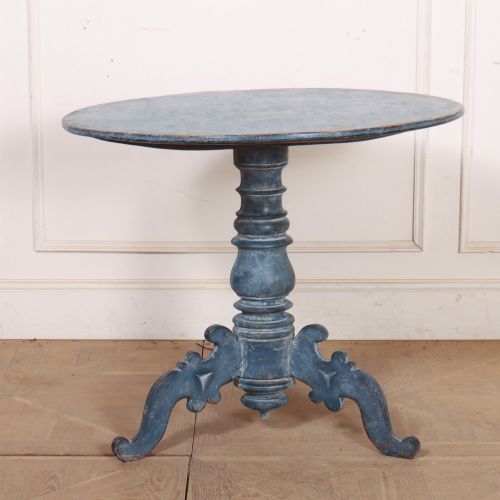
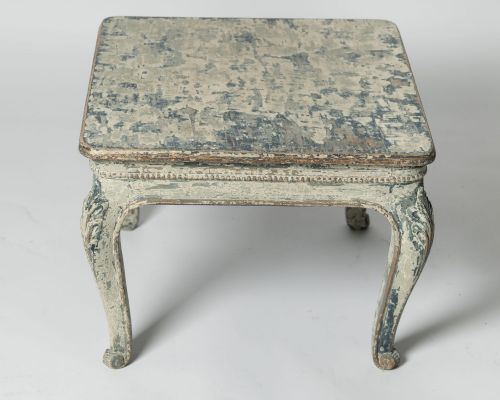
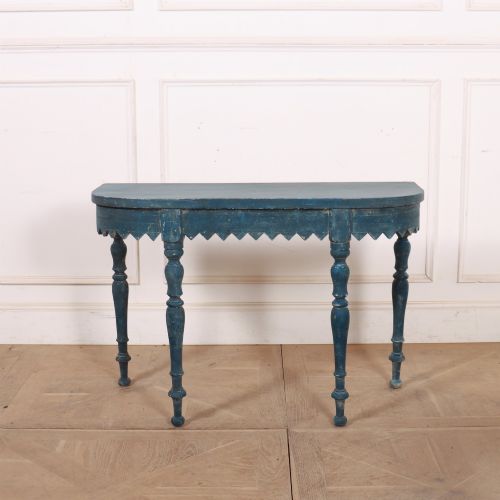
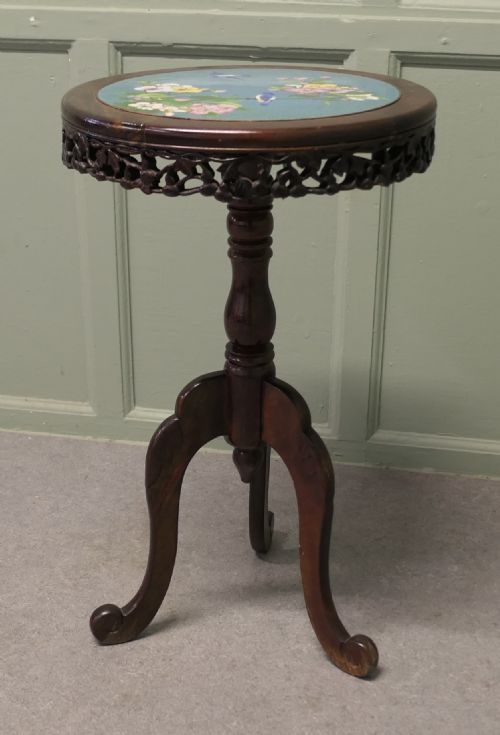
These blue wooden side table pieces bring regional character and colour to a room, valued for their painted pine and hardwood construction.
Blue Wooden Side Table
A blue wooden side table encompasses various compact tables, lamp tables, and occasional pieces originating from the eighteenth, nineteenth, and early twentieth centuries. These items appear in styles ranging from English Country and Georgian to French Provincial, Gustavian, and Scandinavian Country.
The version most commonly met on this page is the painted pine side table or lamp table from the nineteenth century. Many pieces reflect regional European folk traditions, particularly from Sweden, alongside English and French country designs.
Materials and construction
Construction relies primarily on timber, pine, and hardwood, shaped into practical forms such as drop leaf tables, console tables, and bedside cabinets. Joinery is traditional, supporting everyday domestic use in period homes.
Surfaces are finished with paint, creating characteristic blue painted finishes that range from aged patinas on rustic farmhouse pieces to more decorative applications on occasional and lamp tables.
Among the painted pine and rustic tables, a carved Black Forest bear linden table lamp stands guard from the early twentieth century.
Assessing quality
Quality rests in the integrity of the timber framing and the authenticity of the painted surface rather than mere age. Pieces with original or early pigment layers demonstrate superior character compared to later re-paintings.
Construction details such as dovetailed drawers, solid pine carcases, and stable joinery distinguish finer cabinetwork from more utilitarian folk pieces.
The Blue Wooden Side Table Glossary
- Pine
- A soft timber widely utilised in country furniture for its workability and strength. It forms the primary carcase material for many painted regional tables.
- Console table
- A table designed to stand against a wall, frequently featuring a narrow rectangular top supported by legs or brackets. These pieces function well in hallways and reception rooms.
- Lamp table
- A small occasional table traditionally sized to hold a lighting fixture beside a seating area. They appear across various nineteenth-century and early twentieth-century styles.
- Drop leaf table
- A table featuring hinged flaps on either side of the main top that can be raised or lowered to save space. This form adapts easily to smaller rooms.
Blue Wooden Side Table: Frequently Asked Questions
What is a blue wooden side table used for?
These tables function as surface space for lamps, books, or decorative objects in living rooms, bedrooms, and hallways. Their compact footprint allows them to fit easily into smaller interior spaces.
Historically, similar small tables served versatile daily roles in domestic interiors, ranging from bedside placement to serving surfaces.
How do I date a blue wooden side table?
Dating relies on examining construction techniques, tool marks, timber shrinkage, and the wear patterns on the painted surface. Eighteenth-century pieces often show hand-planed boards and older joinery methods.
Later nineteenth and early twentieth-century examples display machine-sawn timber characteristics and different structural hardware. Comparing stylistic details like turned legs helps narrow the period.
Are these tables painted originally?
Many pieces retain historic or original paint finishes that have developed a soft patina through decades of domestic use. Others have received later decorative layers applied during subsequent periods of ownership.
Evaluating the depth of the pigment and underlying wear helps determine the age of the paint layer relative to the timber carcase.
How do I clean a painted wooden table?
Maintenance requires gentle dusting with a dry or slightly damp soft cloth to protect the historic paint surface from moisture damage. Avoid modern chemical solvents or abrasive cleaners that can strip old pigment.
Wax polish is sometimes suitable for unpainted timber elements, but painted surfaces generally require minimal intervention to preserve their existing finish.