



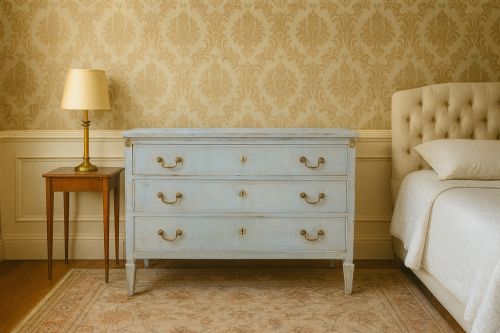


Blue Wooden Chest
A blue wooden chest brings regional paintwork and sturdy storage together, offering practical utility and historic folk character for daily use.
Blue Wooden Chest
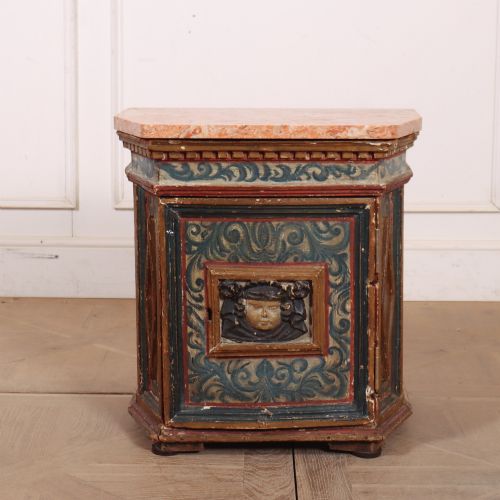
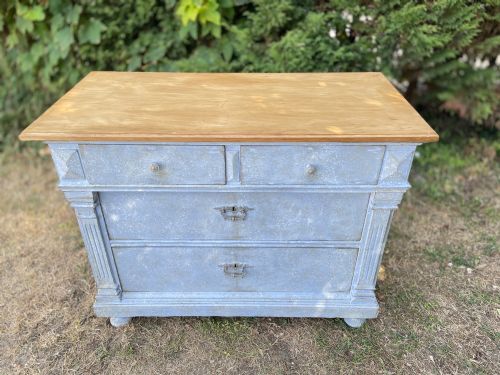
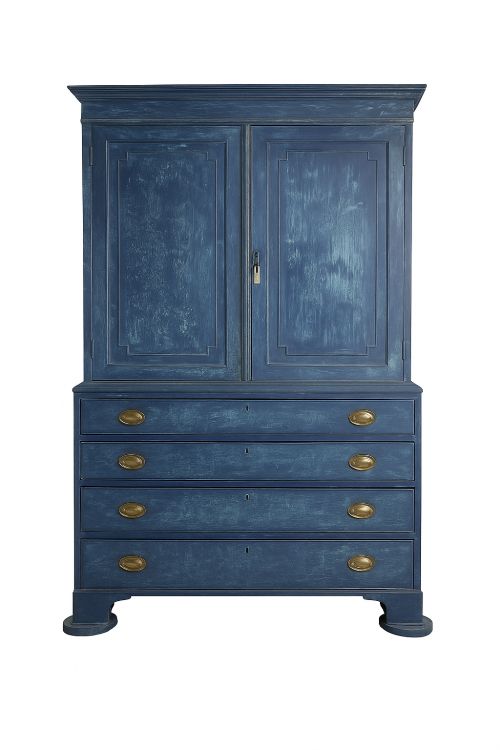
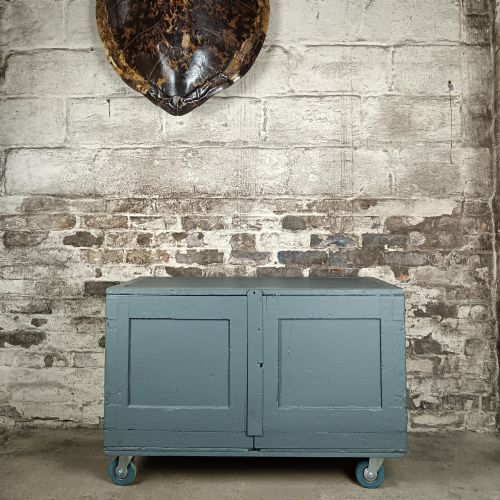
When you search for a blue wooden chest, you encounter storage furniture spanning several centuries and European regions. The selection comprises blanket boxes, coffers, commodes, marriage chests, and larger chests of drawers.
The 19th-century examples dominate the listings, particularly pine pieces originating from Scandinavian workshops. These range from dome-top coffers and log boxes to painted commodes and rustic storage boxes.
Earlier pieces from the 18th century introduce Italian, Dutch, and English forms, including serpentine commodes and spice cupboards. Regional styles such as Gustavian, folk art, and Alpine country work shape the aesthetic of these items.
How they were made
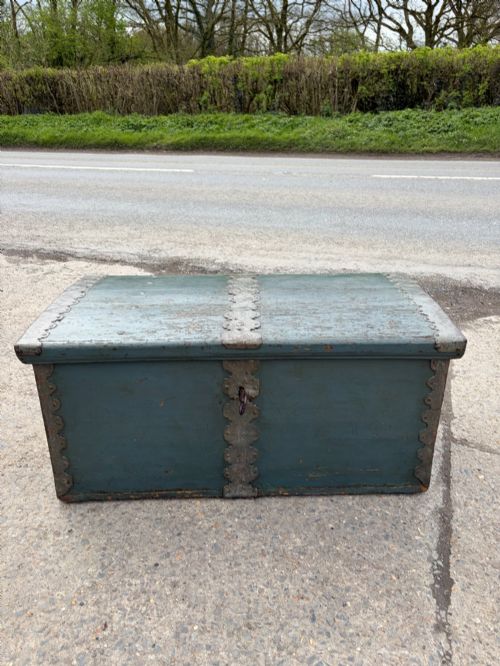
Carpenters constructed these pieces primarily from solid pine and oak timber, joining boards securely for heavy domestic use. Wrought iron and brass hardware, including hinges, locks, and metal binding, reinforced the structural corners and lids.
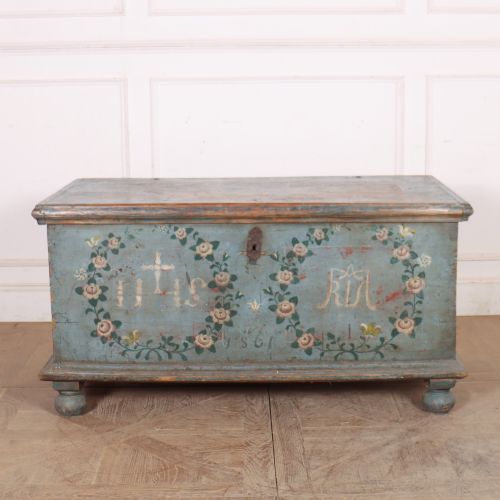
Makers applied layers of paint directly onto the wood surfaces, often preserving original pigment schemes that include shades of blue and teal. Hand-painted decorative motifs, traditional folk designs, and surface patination define the exterior finishes.
The listings feature pine and oak timber across multiple centuries, spanning the 18th, 19th, and early 20th periods.
What varies in quality
The survival of original surface paint distinguishes standard utility items from pieces retaining significant historical character. Untouched decorative schemes and authentic regional folk motifs elevate the visual merit of a chest.
Construction methods and timber selection also differentiate the pieces, from simple pegged pine boards to sophisticated dovetail joints on commodes and drawer units. Original ironwork and brass mountings contribute further to the integrity of the design.
The Blue Wooden Chest Glossary
- Commode
- A low chest of drawers or cabinet on legs, popular in 18th- and 19th-century European interior design. They often feature serpentine fronts or decorative painted finishes.
- Coffer
- A heavy wooden box used for storing valuables or textiles, typically fitted with a hinged lid. Many regional examples display primitive construction and folk art painting.
- Gustavian
- The Swedish interpretation of French neoclassical style, spanning the late 18th and 19th centuries. Pieces in this aesthetic often utilise pale painted finishes.
- Mule chest
- A traditional storage chest featuring one or more drawers built into the base beneath the main compartment. They bridge the functional gap between a standard box and a chest of drawers.
- Dome top
- A curved lid construction utilised on early storage boxes and coffers to shed water and increase internal capacity. This form appears frequently on 19th-century Scandinavian pieces.
Blue Wooden Chest: Frequently Asked Questions
What is a marriage chest?
A marriage chest is a traditional box commissioned or decorated to mark a wedding, frequently inscribed with dates and initials. Families utilised them to store household linens and dowry items.
Craftsmen often adorned these pieces with elaborate hand-painted folk motifs specific to the region. They served as central functional objects in rural European homes before transitioning to decorative furniture.
How do I identify a Gustavian chest?
Gustavian pieces reflect Swedish neoclassical design from the late 18th and 19th centuries. They display restrained carved details, fluted columns, and light painted finishes.
These chests often feature clean lines influenced by French styles of the period. Their proportions remain balanced and distinct from heavier regional rustic furniture.
Where were dome top coffers used?
Dome top coffers served as versatile storage and transport containers across European households and rural regions. The curved lid design provided extra headroom for bulky textiles and garments.
Carpenters built these sturdy wooden boxes from pine or oak, frequently reinforcing the edges with iron bands. Families kept them in bedrooms and living spaces for everyday storage.
How should I clean a painted wooden chest?
Dust the surface gently with a dry, soft cloth to remove everyday particles. Avoid harsh chemical cleaners or abrasive scourers that might damage historic paint layers.
Preserving the original patina requires minimal intervention and stable indoor humidity. Professional wax application should only occur if the dry timber requires nourishment.