


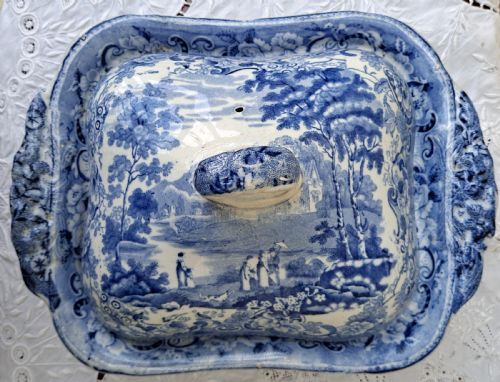
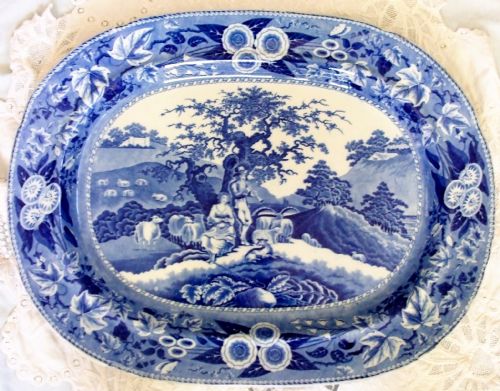
Blue White Earthenware Dish
A blue white earthenware dish brings centuries of botanical and narrative transfer prints into daily domestic spaces, offering a durable focal point for table or wall.
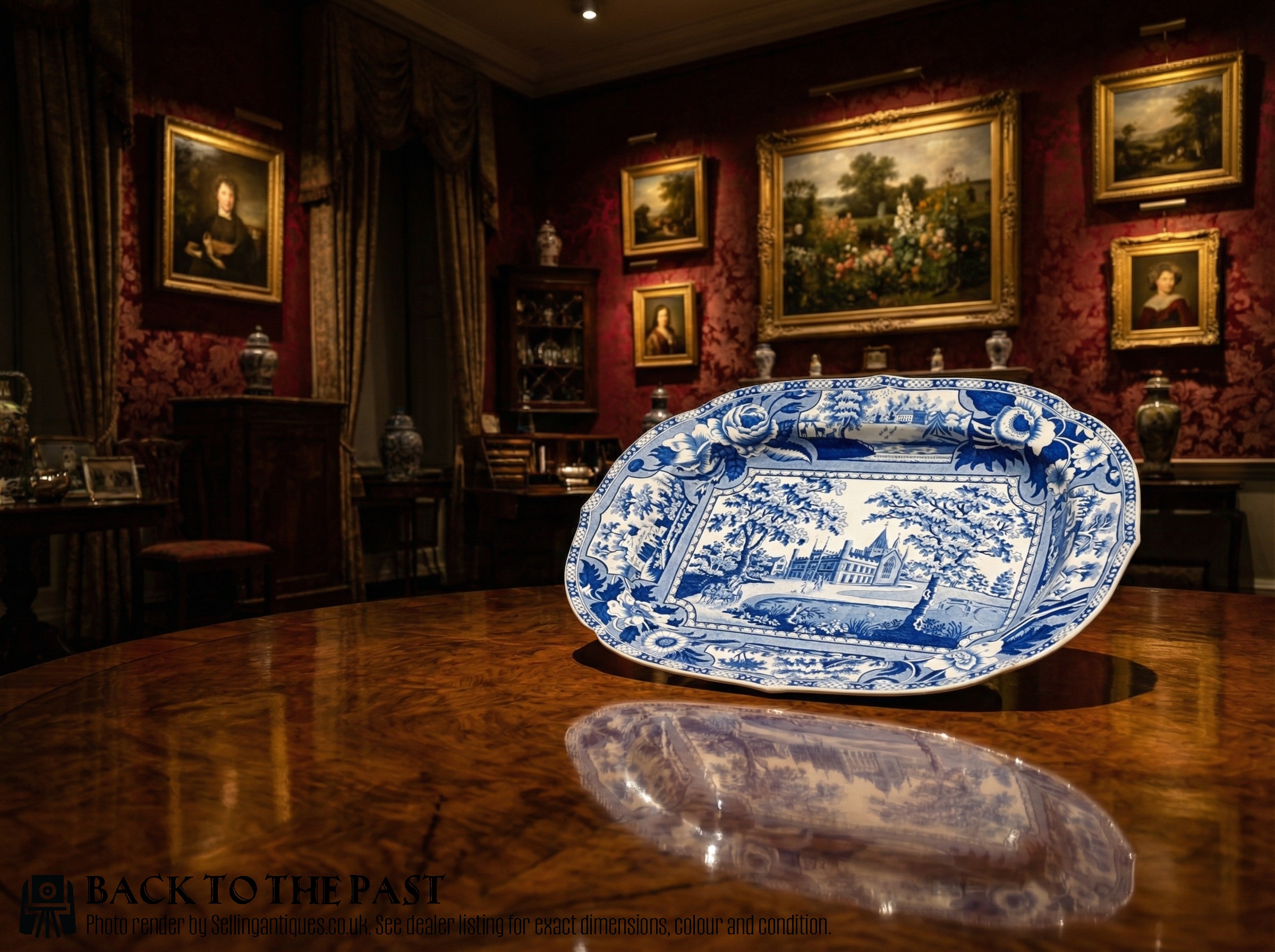
Blue White Earthenware Dish
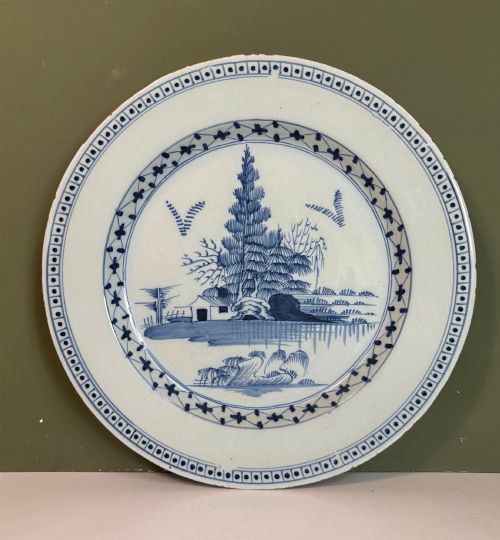
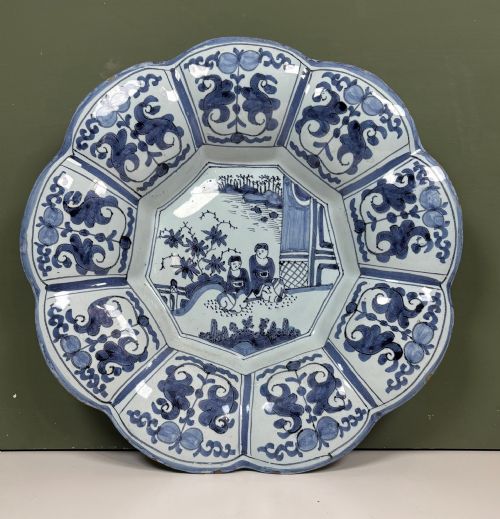
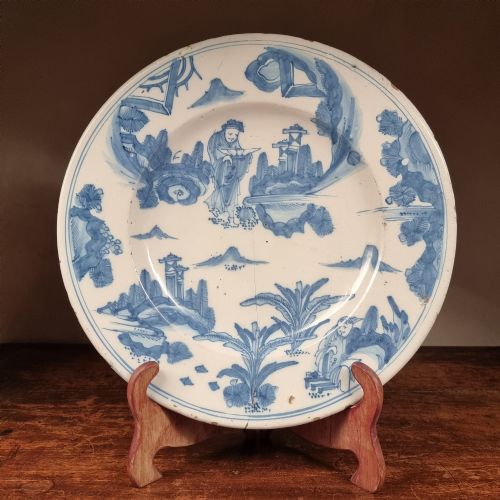
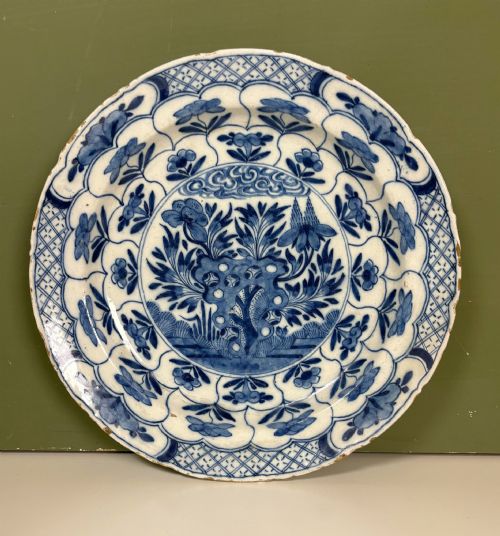
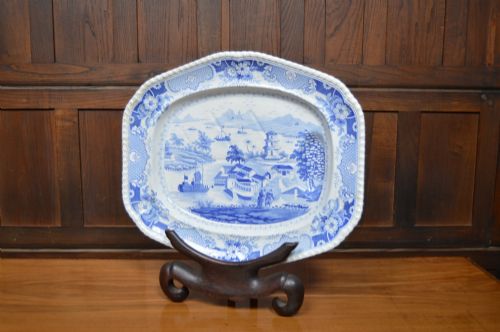
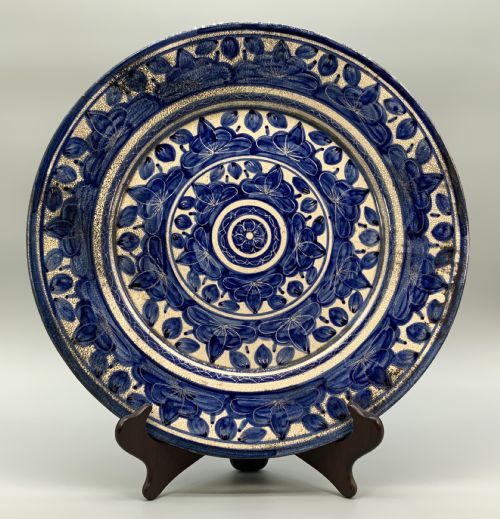
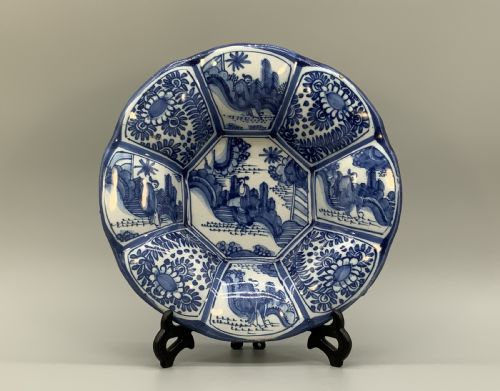
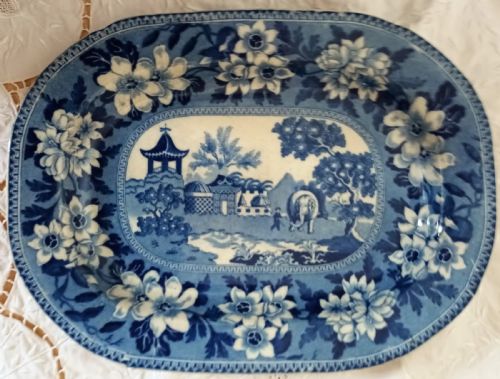
A blue white earthenware dish encompasses everything from large chargers and meat platters to deep serving bowls and lidded tureens. These pieces span centuries of domestic use, originating from English potteries, Dutch workshops, and continental faience centres.
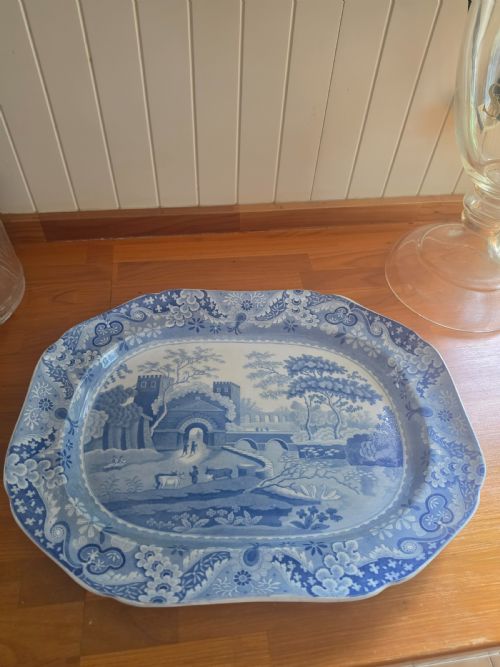
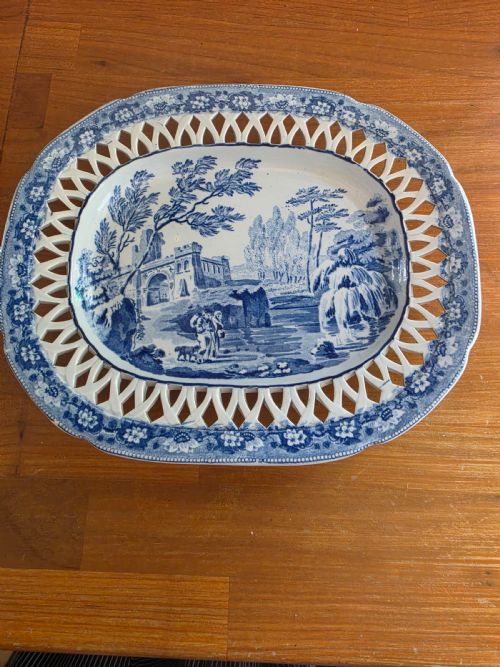
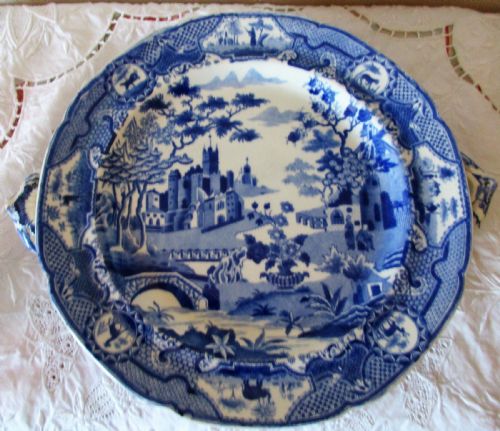
The selections encountered here most frequently include transfer-printed earthenware from the Georgian and Victorian eras, alongside tin-glazed delftware chargers dating back to the seventeenth and eighteenth centuries. Forms range from simple shallow plates to pierced serving dishes and specialised barber's bowls.
Makers utilised earthenware bodies covered in opaque tin glazes or clear lead glazes over cobalt pigment decoration. The visual vocabulary draws heavily on Chinoiserie scenes, British rural landscapes, and Dutch baroque motifs.

How They Were Made
Potters shaped local clays into earthenware bodies before applying either a tin glaze for delftware or a pearlware glaze for later transfer-printed wares. Cobalt oxide pigment provided the deep blue colouration, applied either by hand painting directly onto the raw glaze or via printed tissue paper transferred from engraved copper plates.
The decorated pieces underwent high-temperature firing in kilns to fuse the cobalt pigment permanently into the molten glaze layer. Tin-glazed earthenware required careful handling to prevent blistering, whilst nineteenth-century transfer printing allowed for intricate pictorial details across large platters and tureens.
Blue White Earthenware Dish Retail Price Guide 2026
Typical asking prices for blue white earthenware dish among the pieces listed under this phrase on Sellingantiques today, from the lower quarter to the upper quarter. They describe what is for sale here now, not the wider market.
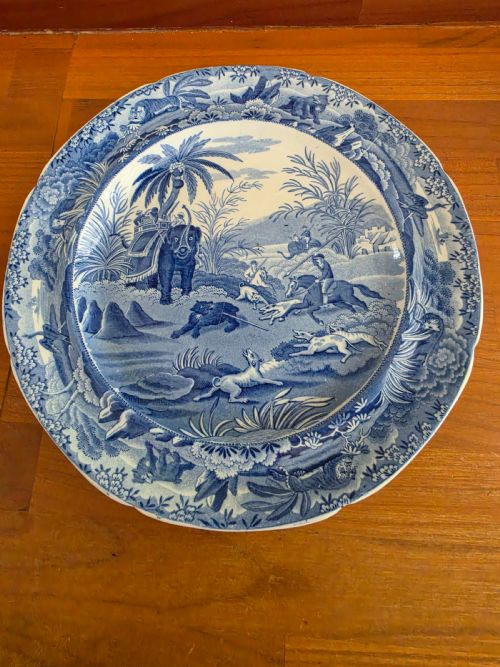
Certain antique platters record unexpected historical moments, including dramatic animal encounters and rural pottery mills captured forever in cobalt blue.
What Varies in Quality
Quality rests upon the clarity of the cobalt transfer and the precision of the hand-painted brushwork found on earlier delft chargers. Crisp lines in complex pictorial scenes separate master outputs from standard commercial production.
The smoothness of the earthenware body and the evenness of the glaze application determine overall tactile appeal. Pieces retaining uniform glaze surfaces without excessive kiln stacking marks demonstrate superior workshop standards.
Spode·Davenport·John Rogers and Son·James Wallace and Co·J and R Clews·J and R Riley
The Blue White Earthenware Dish Glossary
- Tin Glaze
- An opaque white glaze containing tin oxide that provides a smooth, milky canvas for cobalt painting on delftware. It absorbs cobalt pigment to create soft, slightly blurred edges around brush strokes.
- Transferware
- A pottery decoration technique where an engraved copper plate prints a design onto tissue paper, which is then transferred onto the ceramic body. This method enabled complex repeating patterns like pastoral scenes and Chinoiserie vistas.
- Pearlware
- A refined earthenware developed in the late eighteenth century featuring a subtle bluish tinge in the clear glaze to mimic Chinese porcelain. It served as the primary base for many early nineteenth-century blue and white printed dishes.
- Charger
- A large decorative plate primarily intended for wall display or grand serving purposes rather than daily dining. These substantial dishes often feature pictorial scenes or commemorative motifs.
- Faience
- Tin-glazed earthenware produced in France, Spain, and other continental regions using traditional pottery methods. It typically displays distinct regional painting styles and earthenware bodies.
Blue White Earthenware Dish: Frequently Asked Questions
How were these dishes used originally?
Many large platters and tureens served joints of meat or vegetables at formal dining tables, while smaller chargers hung on dining room walls for display. Barber's bowls featured specific neck cutouts for surgical bloodletting and shaving.
Over time, utility shifted from functional dining implements to decorative cabinet and wall pieces as ceramic technology advanced and new tableware styles emerged.
How do I care for antique earthenware?
Wash these pieces gently by hand using warm water and mild detergent, avoiding automatic dishwashers entirely. Protect the soft earthenware edges and historic glaze surfaces from sudden thermal shock and hard impacts.
Display wall-mounted chargers using padded wire hangers designed specifically for antique ceramics to distribute weight evenly across the rim.
How can I tell an eighteenth century dish from a nineteenth century one?
Examine the base and glaze characteristics, as earlier seventeenth and eighteenth century pieces utilise tin glazes over softer earthenware bodies with visible throwing rings. The painting is invariably hand-applied with organic brush variations.
Nineteenth-century examples frequently employ transfer printing techniques on refined earthenware or pearlware bodies, often accompanied by maker stamps or impressed pattern names on the reverse.