
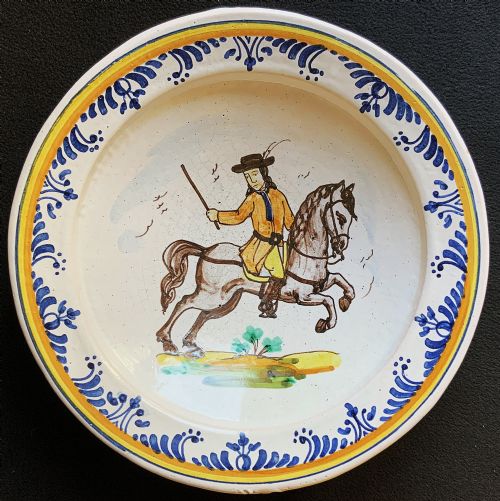


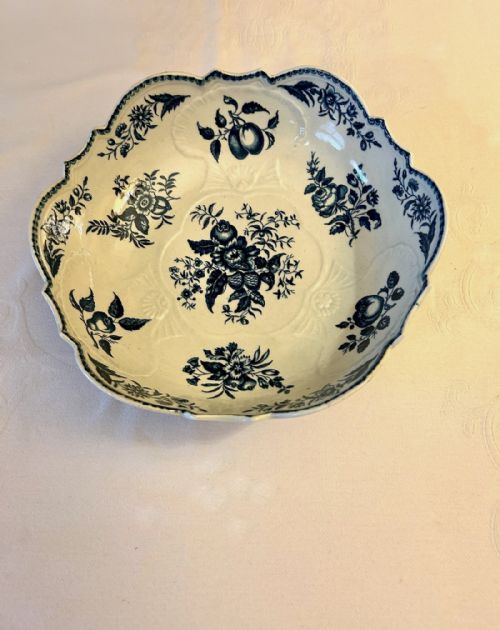


Blue White Decorative Bowl
A blue white decorative bowl brings cobalt pigment and crisp ceramic form together, offering centuries of global kiln tradition for your home.
Blue White Decorative Bowl
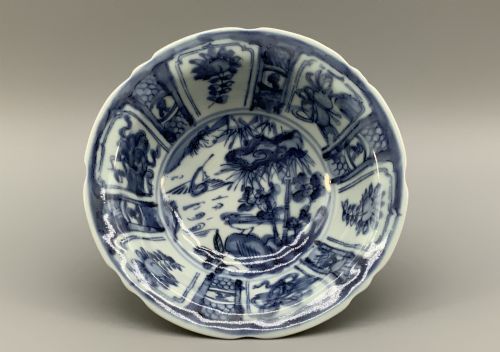
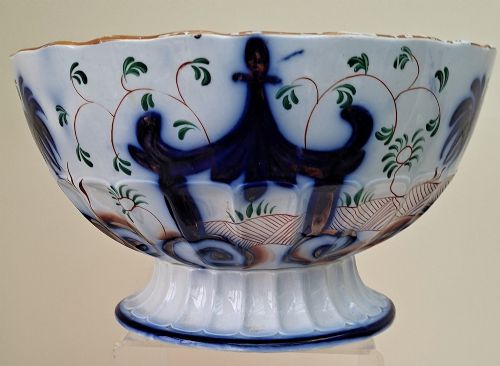
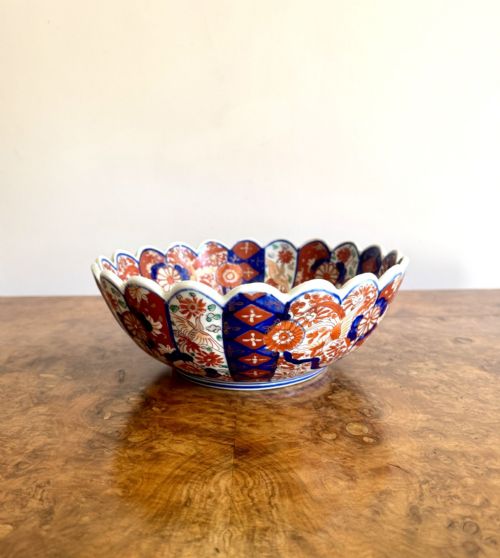
A blue white decorative bowl encompasses porcelain, earthenware, and ceramic vessels spanning from the seventeenth century through to the Edwardian era. You will encounter forms ranging from scalloped Japanese Imari and Kangxi period Chinese vessels to Victorian pottery footed bowls and French faience.
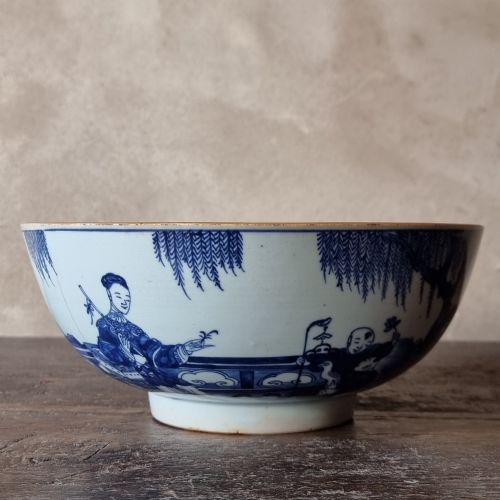
The selection on this page leans heavily toward Asian export wares and European interpretations, including punch bowls, centrepiece bowls, and lobed or footed serving dishes. These pieces showcase diverse decorative motifs, from traditional scholars and phoenix designs to pagodas and polychrome charger plates.
How they were made
Makers utilised cobalt glaze applied directly to ceramic, earthenware, or porcelain bodies before firing, often combining these underglaze blue designs with enamel or tin glazes. Some examples incorporate additional detailing such as gold leaf or hand-painted polychrome accents over the primary glaze.
Techniques varied across global kilns, from the delicate potting of Chinese Qingbai-glazed conical vessels to the heavier earthenware production seen in European delft and majolica factories. Firing methods dictated the depth of the blue pigment and the clarity of the finished ceramic surface.
American eagles rub shoulders with Chinese scholars and Japanese pheasants across these international export kilns.
What varies in quality
Quality rests in the precision of the hand-painted brushwork and the clarity of the cobalt glaze against the white ceramic ground. Superior pieces display crisp detailing in complex motifs, such as feathered phoenixes or intricate scholarly scenes, rather than hurried execution.
The refinement of the body itself separates standard production from exceptional examples, with finer porcelain exhibiting thin, even potting and smooth glaze finishes. Early forms from periods such as Kangxi or the eighteenth century demonstrate distinct potting characteristics compared to later Victorian or Edwardian outputs.
Doulton Burslem·Samson
The Blue White Decorative Bowl Glossary
- Cobalt glaze
- A metallic oxide pigment that turns deep blue during kiln firing. It remains the defining colourant for traditional blue and white ceramics.
- Tin-glazed earthenware
- Pottery coated with an opaque white glaze containing tin oxide. This technique provides a smooth surface for hand-painted decoration.
- Imari
- A style of Japanese porcelain featuring blue, iron-red, and gold decoration. These pieces were heavily exported to Europe from the Edo period onward.
Blue White Decorative Bowl: Frequently Asked Questions
Were these bowls used daily?
Many larger vessels, such as punch bowls and serving dishes, saw active use during dining and entertaining across the eighteenth and nineteenth centuries. Smaller decorative bowls and footed pieces often served as centrepieces or display items within formal rooms.
Over the decades, their roles shifted from functional dining ware to decorative cabinet or table centrepieces appreciated for their historical craftsmanship.
How do I date a blue and white bowl?
Examine the potting style, the tone of the cobalt blue, and any recorded period characteristics noted in the physical construction. Eighteenth-century pieces often exhibit different weight and glaze pooling compared to Victorian or Edwardian reproductions.
Compare the decorative motifs, such as Kangxi period iconography or Japanese Imari patterns, against known historical timelines to narrow down the era of manufacture.
What is the difference between porcelain and earthenware?
Porcelain is fired at much higher temperatures, resulting in a dense, vitrified body that is typically white and occasionally translucent. Earthenware uses a more porous clay body that requires a glaze, such as tin-glaze or majolica, to become watertight.
These material differences affect the weight, thickness, and sound of the vessel when gently tapped, guiding collectors in identifying the origin of the piece.