
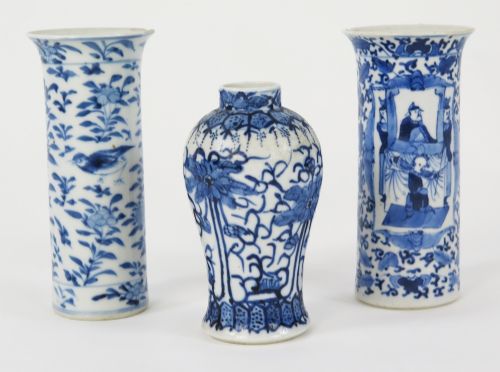
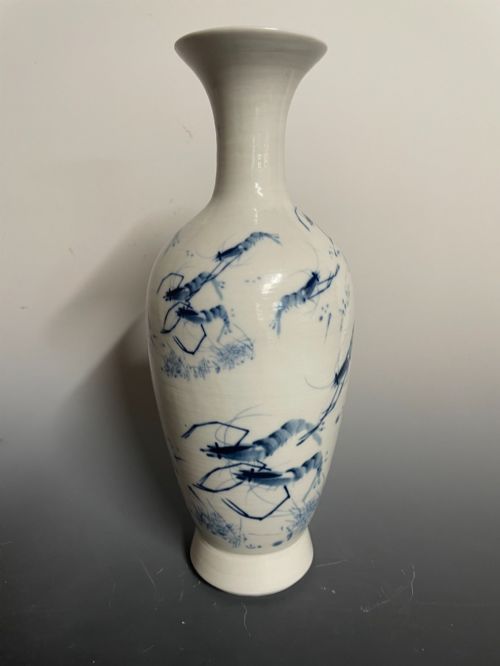
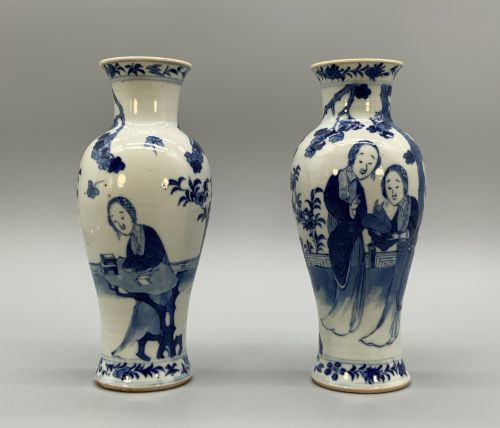
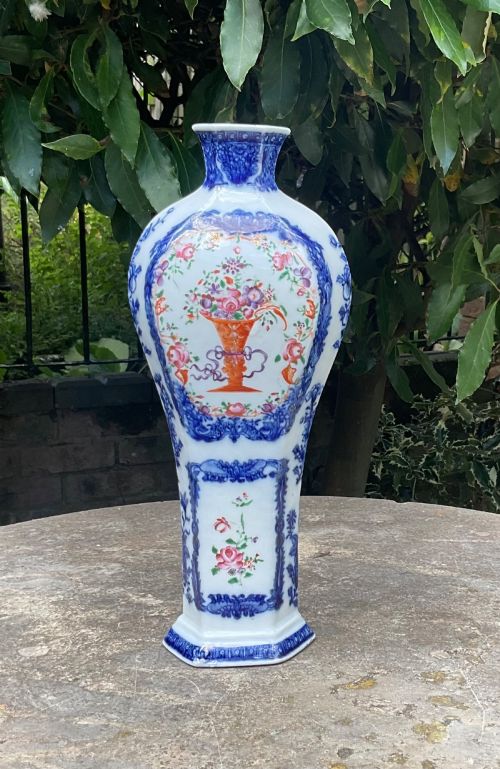


Blue White Chinese Vase
A blue white chinese vase brings centuries of ceramic tradition and cobalt depth into a room.
Blue White Chinese Vase
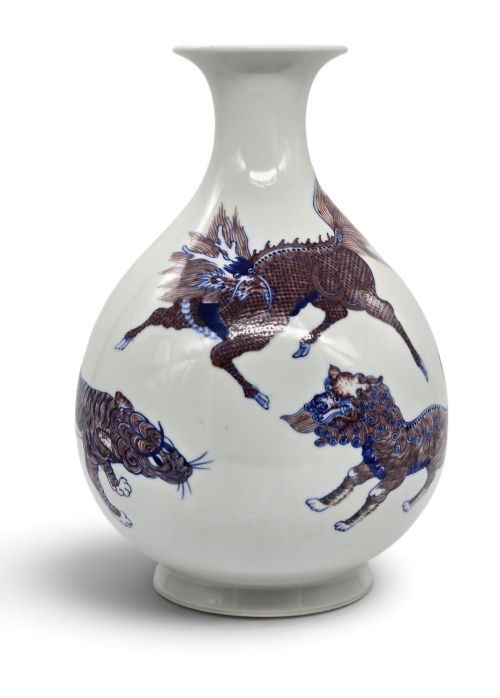
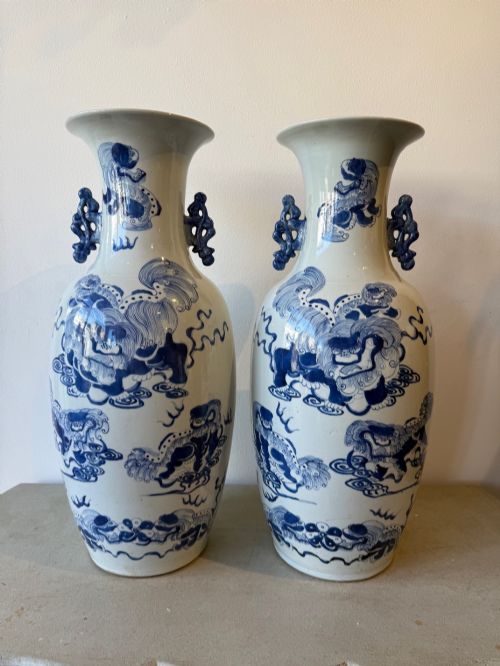
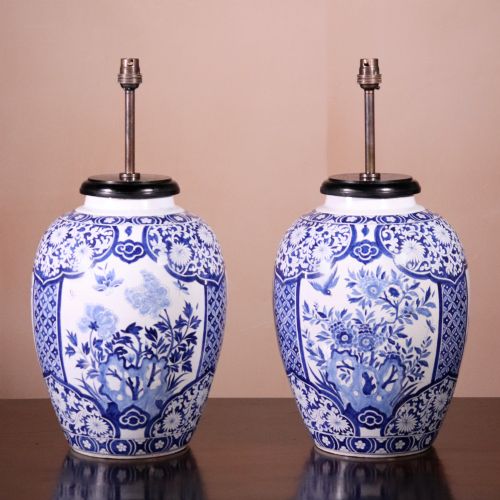
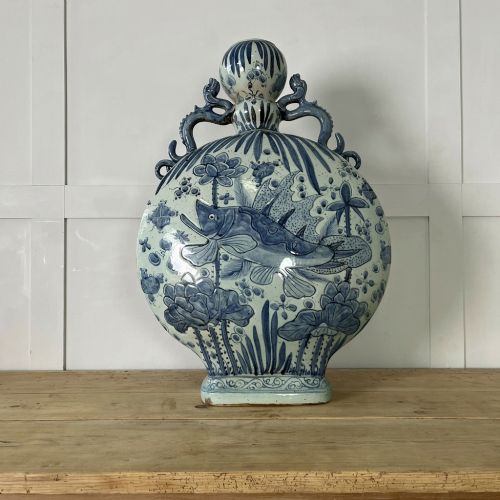
A blue white chinese vase encompasses centuries of ceramic artistry, primarily emerging from the Qing Dynasty and earlier periods. Buyers encounter forms ranging from ginger jars and baluster vessels to tulipières and converted table lamps.
How They Were Made
Potters shaped porcelain and ceramic bodies before applying cobalt glaze to create the iconic blue decoration under a clear gloss. Artisans utilised intricate hand-painting techniques to render detailed figures, landscapes, and floral motifs directly onto the clay.
Certain vessels incorporate crackleware finishes or auxiliary materials like brass fittings and wooden bases, particularly when adapted for lighting. Firing temperatures determined the vitrification of the porcelain and the final tone of the underglaze blue.
A daring artisan once tucked a hidden erotic scene inside a spring palace snuff bottle.
What Varies in Quality
The precision of the brushwork largely defines the distinction between standard production and masterwork pieces. Crisp control over cobalt pigment creates sharp contrasts and depth within the painted scenes.
Form proportion and the purity of the porcelain body contribute heavily to the overall presence of the vessel. Early imperial examples or careful revivals demonstrate superior symmetry and refined glazing techniques.
The Blue White Chinese Vase Glossary
- Cobalt Glaze
- A metallic oxide pigment applied under the glaze to produce deep blue designs upon firing. This mineral withstands high temperatures without losing its intense hue.
- Meiping
- A high-shouldered plum vase traditionally used for displaying single branches of prunus blossom. The narrow neck contrasts with a generous, swelling body.
- Baluster
- A vase form characterised by a rounded lower body that tapers towards a wide base and a flared neck. This silhouette echoes architectural column supports.
- Crackleware
- Pottery featuring a network of fine intentional fissures across the glaze surface. Potters achieve this decorative effect through differential cooling rates between body and glaze.
- Garniture
- A set of matched vases and jars designed for decorative display on mantelpieces or cabinets. These matching groups usually comprise three to five vessels.
Blue White Chinese Vase: Frequently Asked Questions
How do I date a blue white chinese vase?
Dating relies on examining stylistic markers, potting techniques, and base marks such as reign characters. Comparing the cobalt tone and drawing style against known period examples helps narrow the era of production.
Changes in clay composition and glaze texture over the centuries also provide reliable clues for attribution. Expert analysis of wear patterns and stylistic revival periods assists in distinguishing original period pieces from later interpretations.
Were these vases used for lighting?
Many antique vessels were converted into table lamps during the nineteenth and twentieth centuries to suit Western domestic interiors. This adaptation often involved drilling the base or mounting the porcelain with brass fixtures.
Collectors weigh the presence of electrical conversions against the original integrity of the ceramic vessel. Unaltered vases remain scarcer and generally appeal more to traditional porcelain enthusiasts.
What is a ginger jar?
A ginger jar is a broad-shouldered storage vessel with a domed cover, originally designed to transport spices and oils. Their sturdy porcelain construction ensured safe transit along historic trade routes.
Over time, these jars transitioned into purely decorative objects prized for their balanced proportions and surface decoration. Pairs and matched sets frequently appear in domestic display arrangements.
What motifs appear on these vases?
Common decorative themes include five-clawed dragons, mythical beasts, and figurative scenes depicting scholars or ladies in garden settings. Botanical patterns such as lotus blossoms and prunus branches also feature prominently.
These subjects often carry symbolic meanings rooted in traditional Chinese culture and imperial iconography. The choice of motif can frequently indicate the intended status and period of the vessel.