



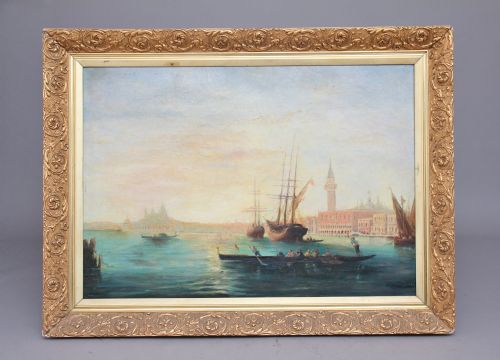
Blue Seascape Oil Painting
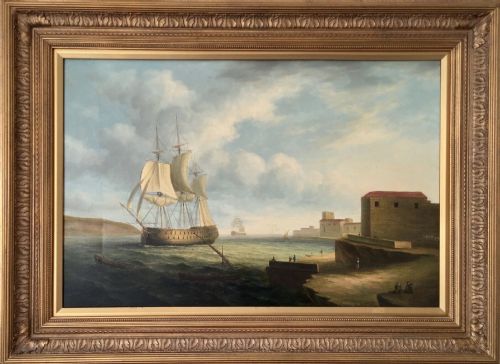
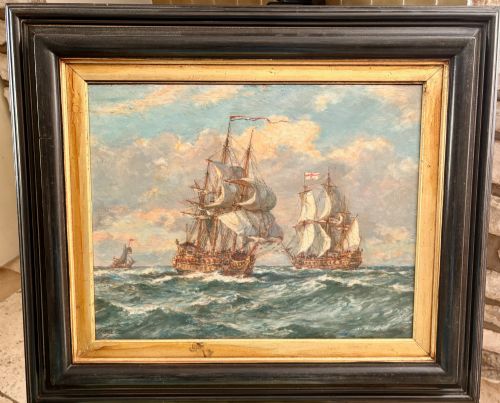
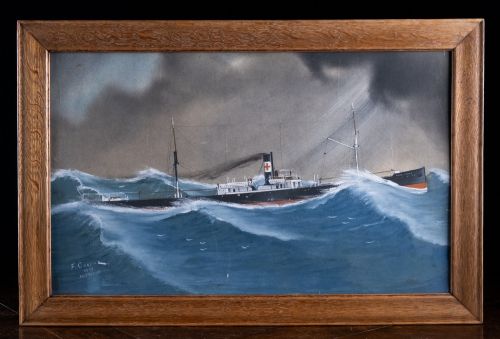
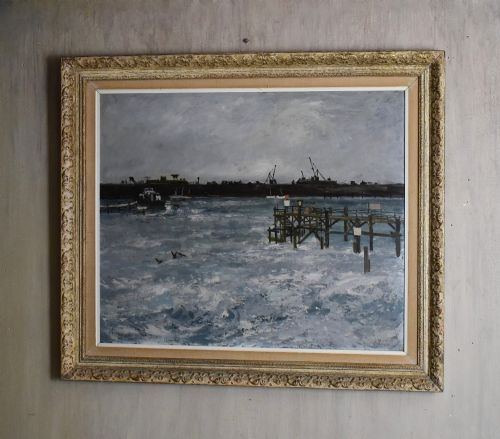
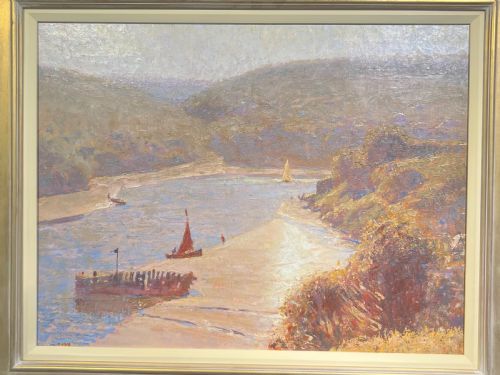
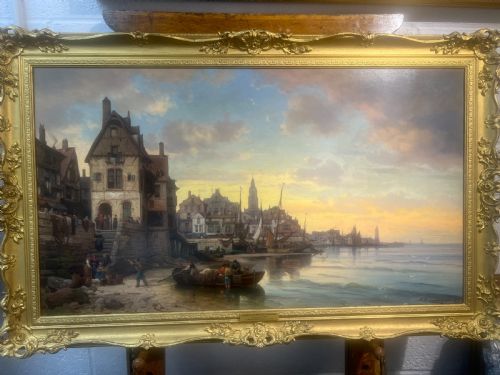
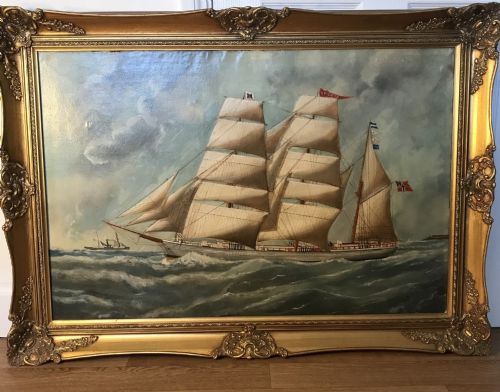
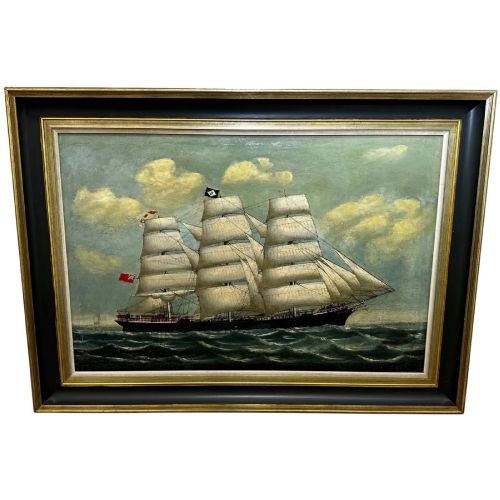
When you choose a blue seascape oil painting, you select a maritime artwork capturing the restless motion and varied light of coastal waters.
Blue Seascape Oil Painting
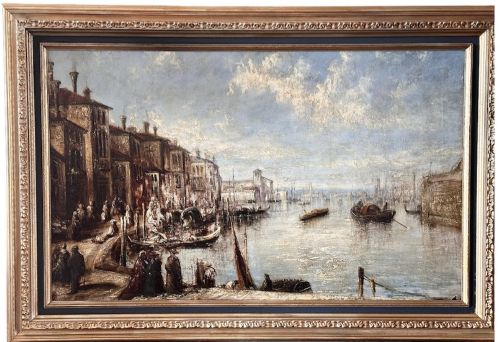
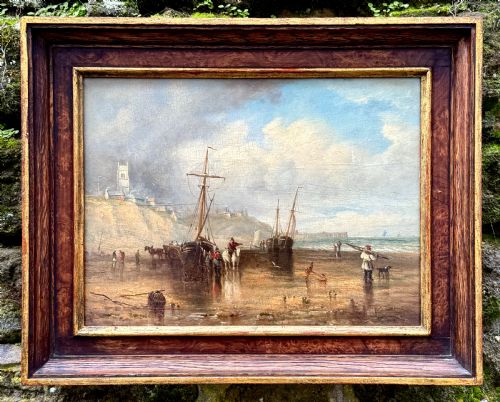
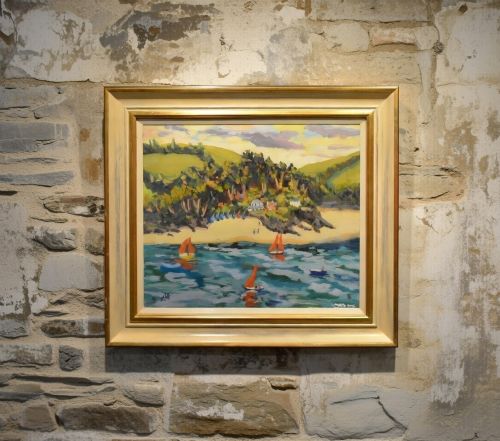
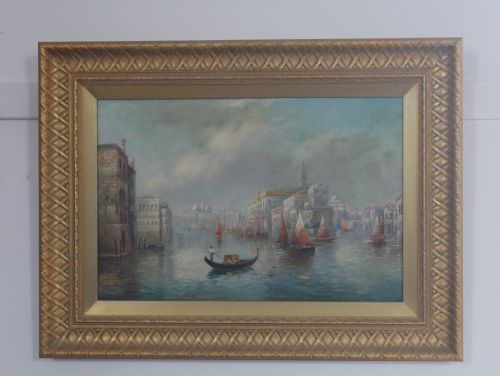
A blue seascape oil painting depicts maritime scenes, coastal harbours, and open ocean views rendered in rich oil pigments. These works range from nineteenth-century academic marine art to twentieth-century plein air coastal studies.
You will encounter pieces representing various regional schools, including Cornish coastal views, Venetian lagoons, and French Riviera harbours. The selections span the Victorian and Edwardian eras into the mid-twentieth century.
Many examples capture specific vessels, from traditional fishing boats and three-masted schooners to grand steamships navigating heavy weather. Other compositions focus on quiet estuaries, rocky shores, and expansive tidal flats.
Materials and technique
Artists painted these works primarily using oil paint applied to stretched canvas, wood panels, or boards. The medium allowed painters to build up textured impasto for breaking waves or apply thin glazes for deep, luminous water.
Surviving works are frequently housed in their original gilded wood frames, which complement the maritime subject matter. Painters worked both in studio settings from preliminary sketches and en plein air directly on the coast.
Blue Seascape Oil Painting Retail Price Guide 2026
Typical asking prices for blue seascape oil painting among the pieces listed under this phrase on Sellingantiques today, from the lower quarter to the upper quarter. They describe what is for sale here now, not the wider market.
The listings span the nineteenth and twentieth centuries, featuring works on canvas and wood panel from British, French, and Canadian painters.
What separates the work
The standard of a maritime painting rests on the artist's ability to render the weight and movement of water convincingly. Superior works demonstrate a precise understanding of maritime architecture, rigging, and atmospheric light.
The handling of pigment creates distinct visual tiers, ranging from flat decorative scenes to deeply textured, expressive coastal studies. The provenance, exhibition history, and the established reputation of the painter further distinguish individual pieces.
Francis Moltino·Bernard Benedict Hemy·Thomas Creswick·William Henry Williamson·Charles Napier Hemy·Jean Baptiste Olive
The Blue Seascape Oil Painting Glossary
- En plein air
- Painting outdoors to capture natural light and atmospheric conditions directly. This method was widely adopted by nineteenth and twentieth-century landscape artists.
- Impasto
- Paint applied thickly to a canvas or panel, standing out in relief from the surface. This technique adds tactile dimension to representations of crashing waves and heavy skies.
- Marine art
- Artwork that depicts or draws its main inspiration from the sea, ships, and coastal views. This genre includes historical naval battles, port scenes, and open ocean vistas.
- Provenance
- The chronological ownership history of a work of art. A documented record helps confirm authenticity and attribution.
Blue Seascape Oil Painting: Frequently Asked Questions
How do I date an antique marine painting?
Dating relies on the style of the clothing, the rigging of the depicted vessels, and the framing materials used. Canvas types and stretcher construction also offer reliable clues to the period of creation.
Signatures, exhibition labels on the reverse, and recorded dates for the artist's active years help narrow the timeframe further.
Where should I hang a coastal oil painting?
Select a wall with stable ambient light, avoiding direct, harsh sunlight that can degrade oil pigments and damage nineteenth-century gilded frames. Keep the artwork away from damp areas like unventilated bathrooms.
Position the painting at eye level so the horizon line creates a natural focal point within the room.
What is the difference between maritime and marine art?
Maritime art specifically focuses on human activity on the water, including shipping, naval battles, and harbour life. It places heavy emphasis on the accurate depiction of vessels and human seafaring.
Marine art is a broader category that encompasses both human-made shipping and pure seascapes where the water, weather, and coast take precedence over boats.