






Blue Red Porcelain Bowl
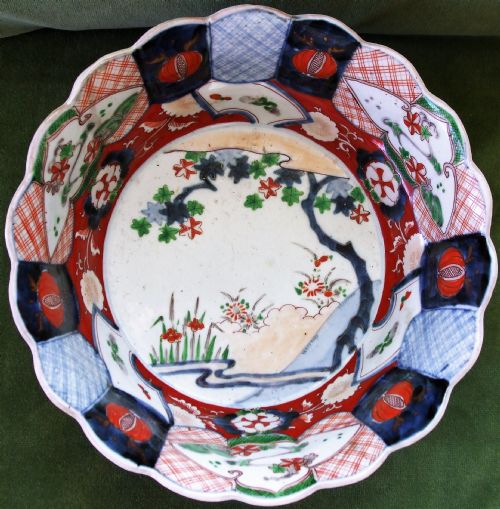
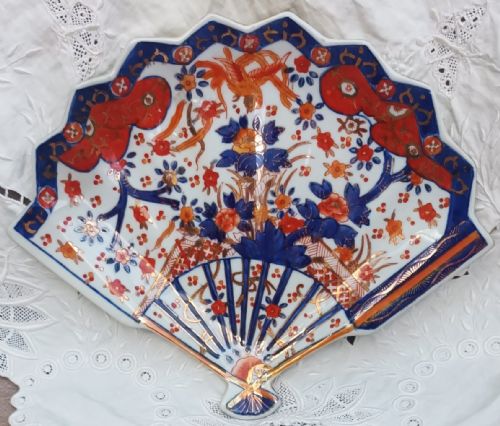
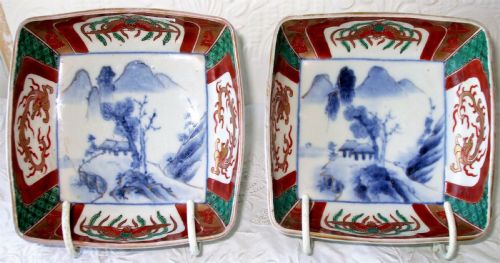
A blue red porcelain bowl brings together rich cobalt underglazes and vibrant iron-red enamels, offering an enduring aesthetic rooted in centuries of Asian and European ceramic traditions.
Blue Red Porcelain Bowl
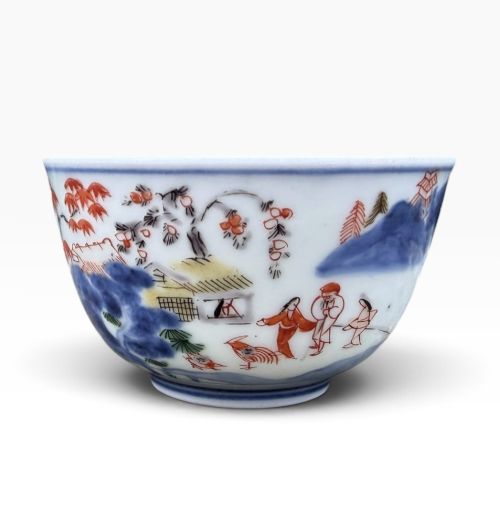
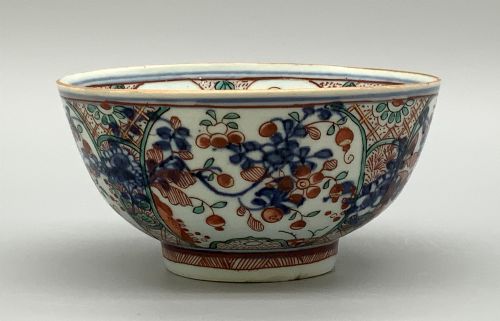
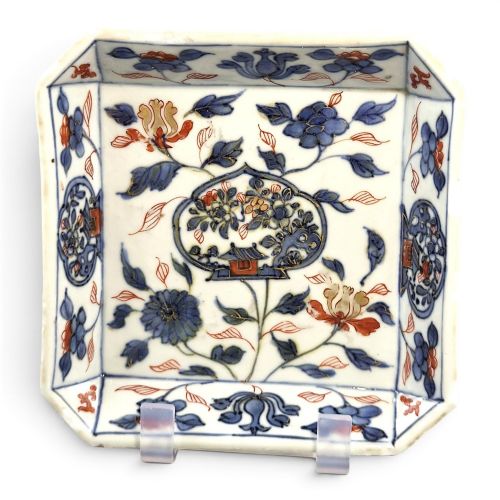
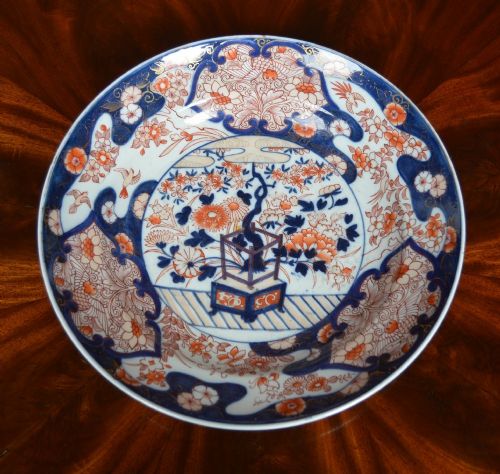
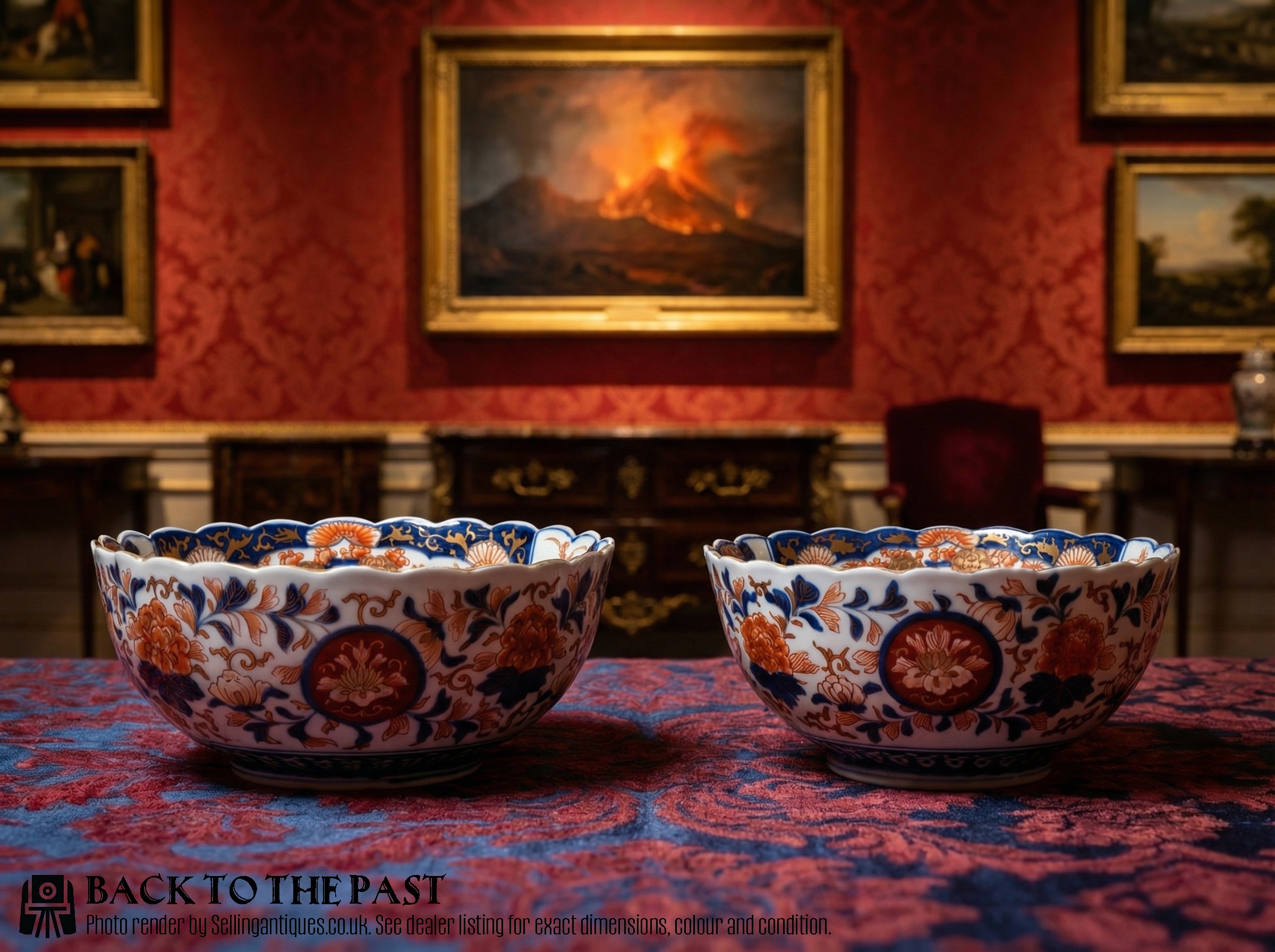
A blue red porcelain bowl encompasses a diverse array of decorative vessels originating from Japanese Imari kilns, Chinese export workshops, and European imitation factories. Buyers encountering this phrase on this page will most frequently discover Japanese Imari examples dating from the Meiji period and the year 1900, alongside earlier 18th-century Chinese Kangxi pieces.
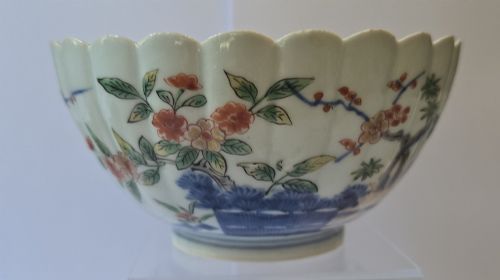
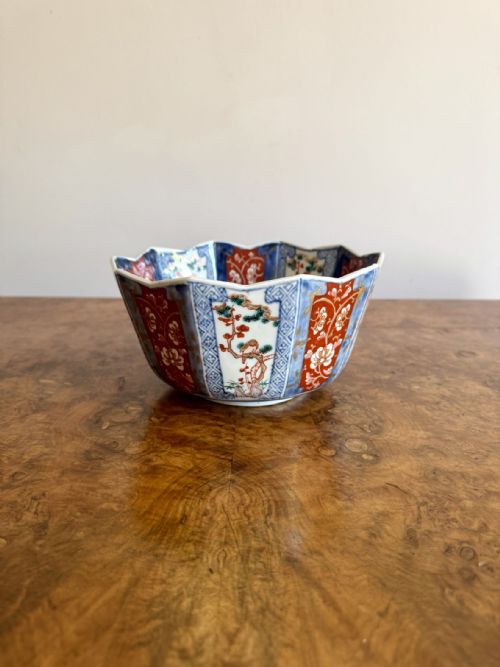
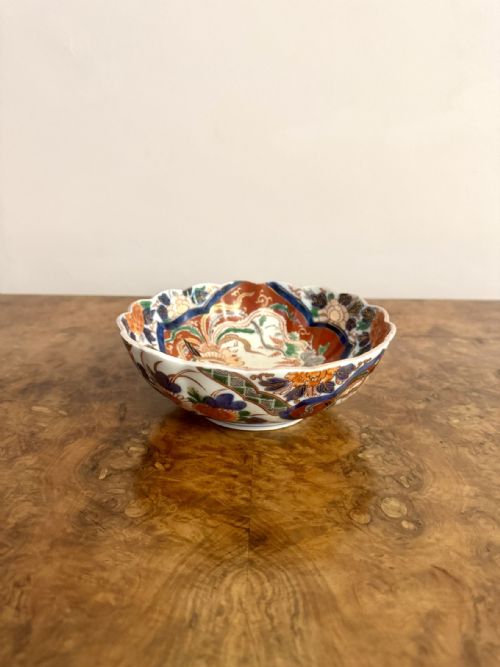
The selection extends beyond simple round bowls to include scalloped edge vessels, hexagonal shapes, chamfered square bowls, footed comports, jardinieres, and matching tea sets. Origins span distinct historical eras, including the Edo period, Genroku period, and Georgian times, reflecting global trade and aesthetic exchanges.
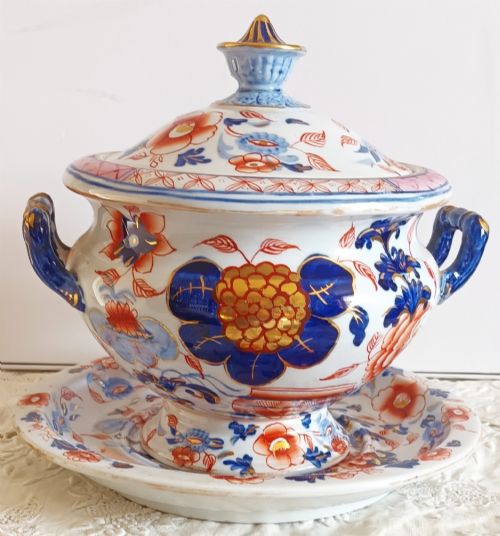
Vessels take various forms such as decorative display dishes, tripod bowls, and lidded jars, each demonstrating the utilitarian and aesthetic roles these ceramics played in historic interiors. The consistent thread linking them is the distinctive palette of blue, red, and often gilt ornamentation on a ceramic or ironstone body.
Materials and technique
Potters formed these pieces using hard-paste porcelain, ceramic, or ironstone bodies, shaping them on the wheel or pressing them into moulds to achieve hexagonal, fluted, and scalloped profiles. Artisans then applied cobalt blue pigment under the glaze before the initial high-temperature kiln firing.
Following the primary glaze firing, workers hand-painted secondary iron-red enamels and gold leaf accents onto the surface before a lower-temperature fixing fire. This combination of underglaze blue and overglaze enamel work created the characteristic rich visual depth seen across the inventory.
Blue Red Porcelain Bowl Retail Price Guide 2026
Typical asking prices for blue red porcelain bowl among the pieces listed under this phrase on Sellingantiques today, from the lower quarter to the upper quarter. They describe what is for sale here now, not the wider market.
Listings incorporate items spanning the 17th century through to the early 20th century, encompassing porcelain, ceramic, and ironstone materials.
What varies in quality
The sophistication of the hand-painted brushwork dictates visual success, distinguishing rapidly executed commercial wares from pieces that display precise control and delicate detailing. Crispness in the moulding of scalloped edges, fluted sides, and hexagonal geometry further separates standard production from superior examples.
The richness and preservation of the enamel pigments and gilding determine the overall visual impact, as well-fired surfaces retain their brilliance across centuries. A harmonious balance between the cobalt blue underglaze and the iron-red overglaze denotes greater discipline from the kiln workshop.

The Blue Red Porcelain Bowl Glossary
- Imari
- A style of Japanese porcelain originating in Arita and shipped from the port of Imari, traditionally characterised by a palette of underglaze blue, iron-red enamel, and gold. This decorative scheme proved widely popular in Europe during the 17th and 18th centuries.
- Kangxi
- A Chinese imperial period lasting from 1662 to 1722, associated with high technical standards in porcelain production and vibrant export wares. Pieces from this era often feature fine potting and luminous blue and red decoration.
- Meiji Period
- The era in Japanese history spanning from 1868 to 1912, marked by industrial modernisation and a surge in decorative arts destined for Western export markets. Items from this period frequently display confident hand-painted motifs and varied vessel shapes.
- Ironstone
- A type of heavy durable ceramic developed in 19th-century Britain as a robust alternative to porcelain, often decorated with Asian-inspired patterns. It allowed factories to produce sturdy footed comports and tableware.
- Comport
- A raised serving dish or pedestal bowl used historically for fruit or sweetmeats at formal dining tables. These decorative centrepieces often feature footed bases and elaborate rim treatments.
Blue Red Porcelain Bowl: Frequently Asked Questions
How were these bowls used historically?
Historic households utilised these vessels for decorative display on sideboards, as centrepieces for dining tables, and occasionally for serving food or tea. Their striking palettes made them status symbols in wealthy European and Asian interiors.
Over time, many of these pieces transitioned from functional dining items to purely decorative objects collected for their intricate hand-painted patterns and historical significance.
What is the Genroku period?
The Genroku period is an era within the Japanese Edo epoch spanning from 1688 to 1704, celebrated for a flourishing of merchant culture and urban arts. Porcelain produced during this time in Arita represents some of the earliest classic Imari export wares.
Items attributed to this specific window are valued for their early stylistic connection to the birth of large-scale European ceramic trade.
How should I care for antique porcelain bowls?
Display these vessels away from direct sunlight and areas subject to sudden temperature fluctuations to protect overglaze enamels and gold leaf highlights. Cleaning should be limited to gentle dusting with a soft, dry cloth rather than immersion in water, particularly for pieces with delicate gilding.
When moving or placing a bowl, ensure the supporting surface is stable and level to protect vulnerable foot rims and scalloped edges from impact.