



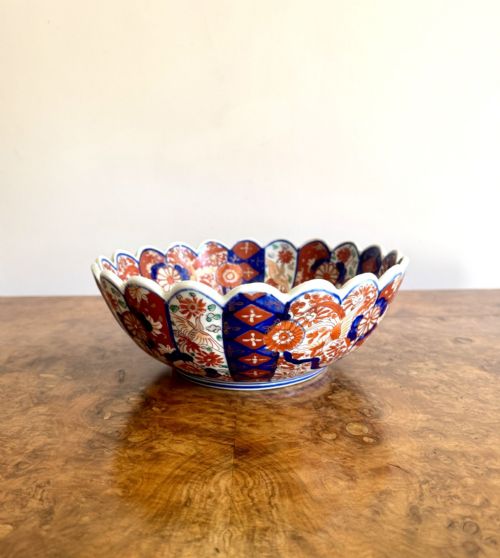
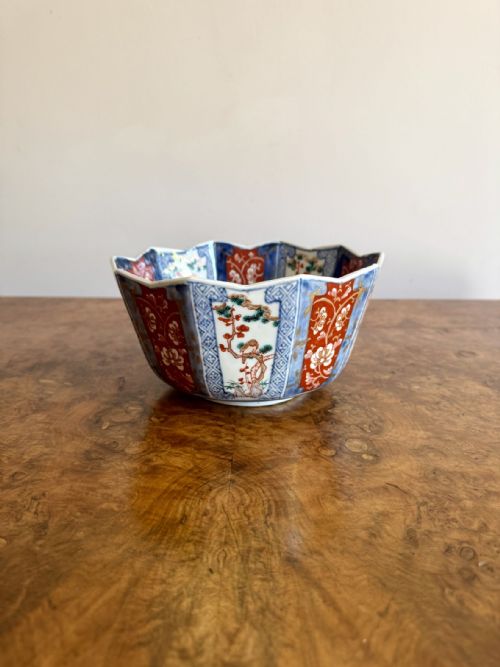

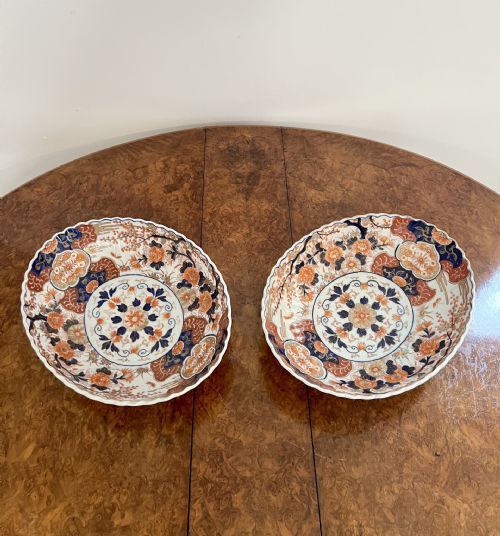

Blue Red Imari Bowl
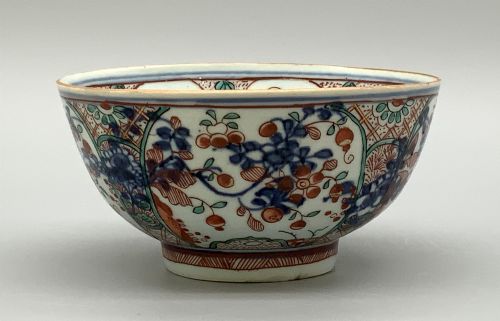
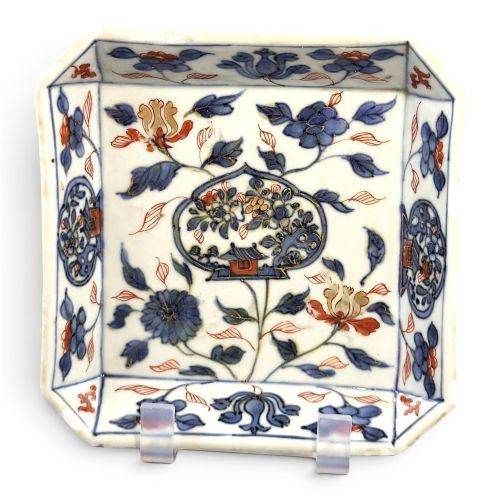
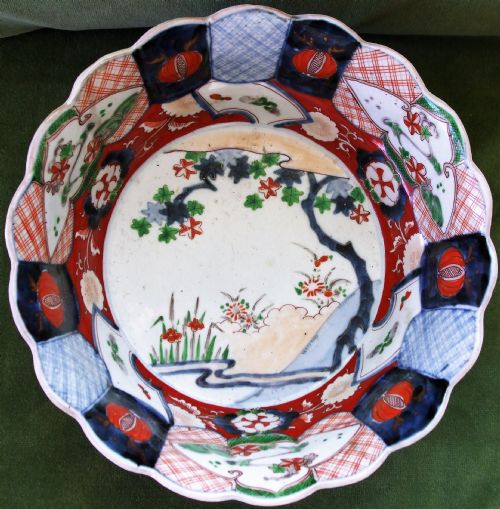
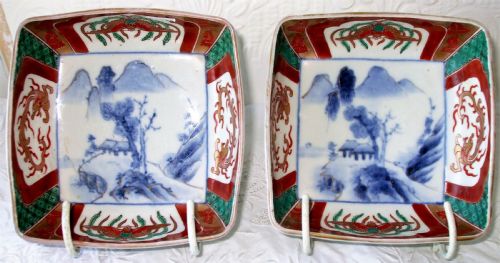
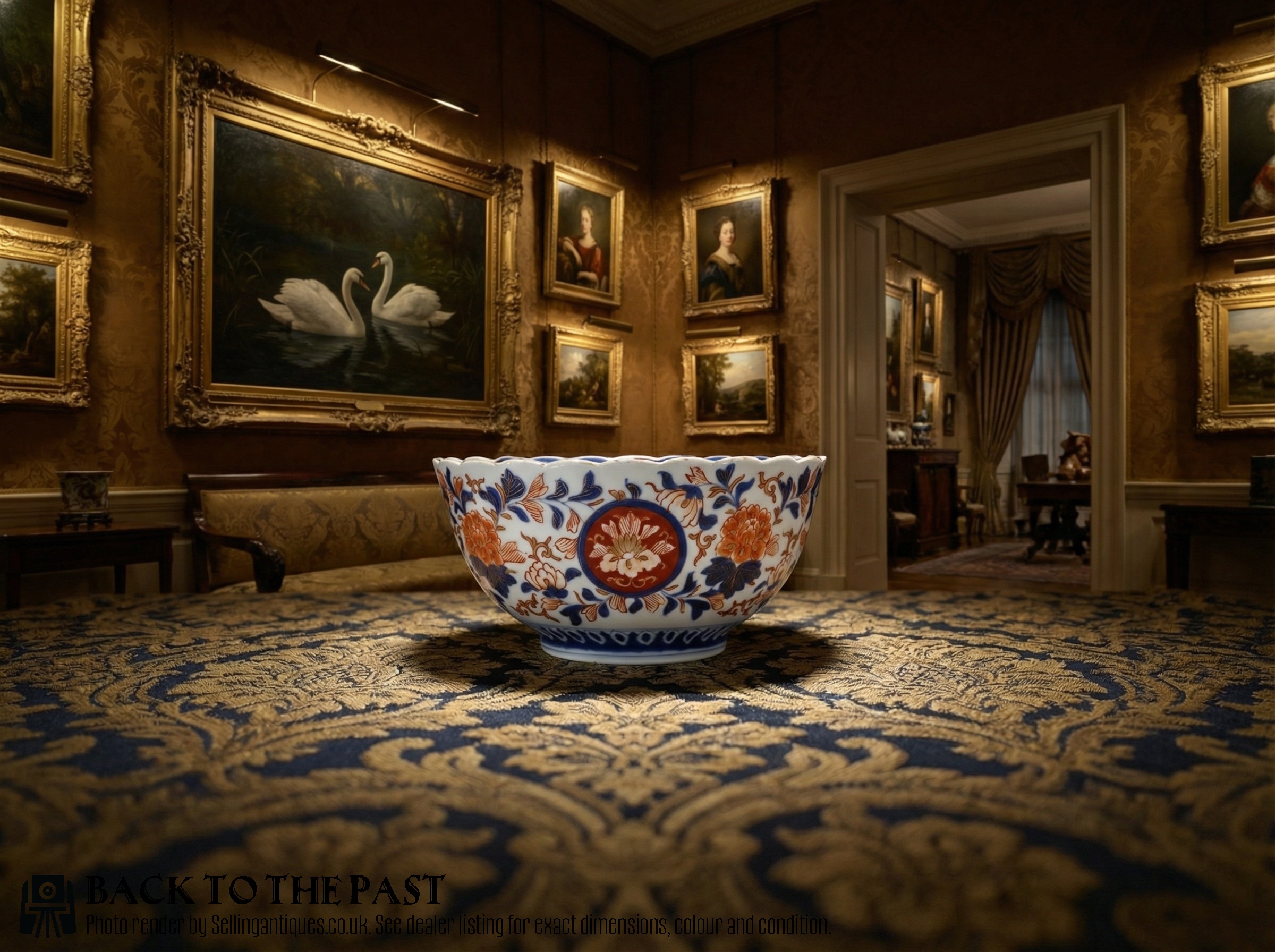
A blue red imari bowl brings together dense cobalt blue and iron red pigments on porcelain, offering a striking centrepiece for a room.
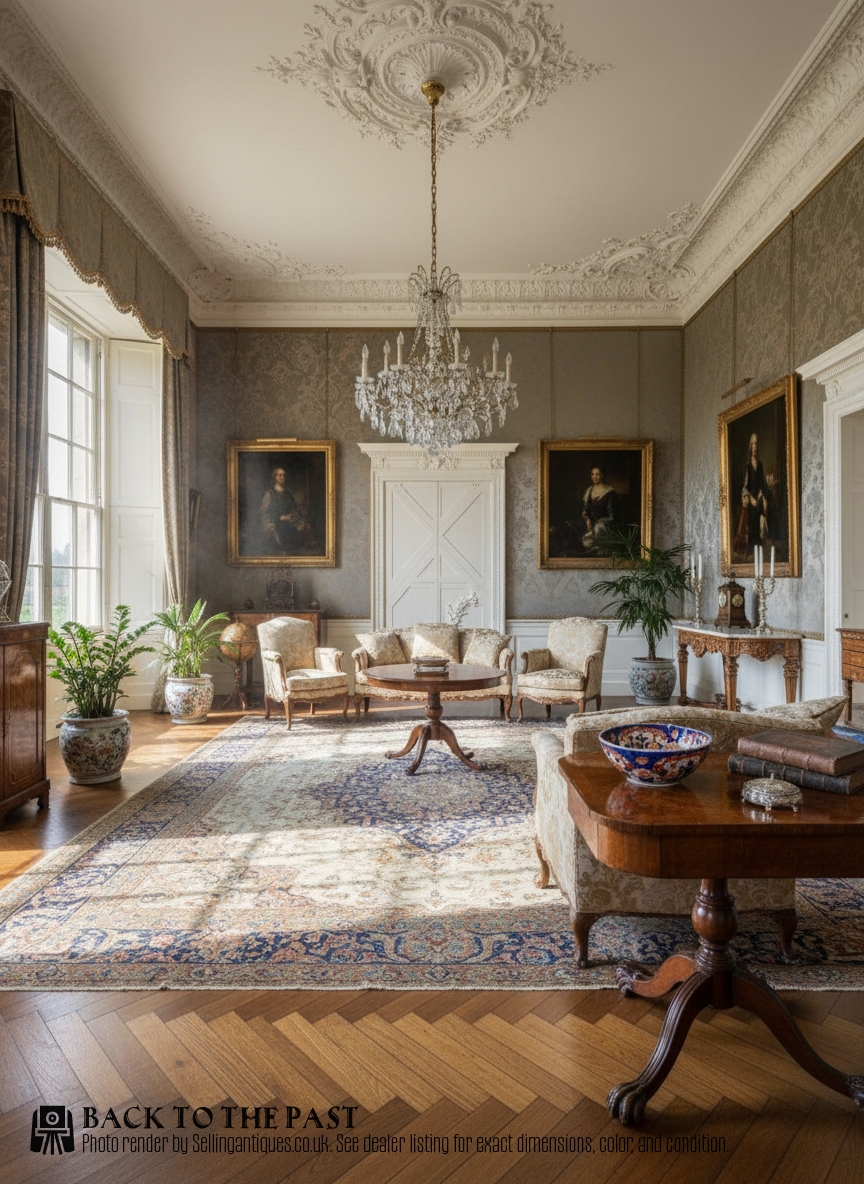
Blue Red Imari Bowl
When you search for a blue red imari bowl, you are looking at ceramic vessels that originate primarily from Japanese and Chinese kilns. The pieces on this page span several centuries, reaching back to the Edo period and the Chinese Kangxi era through to later nineteenth and early twentieth century examples.
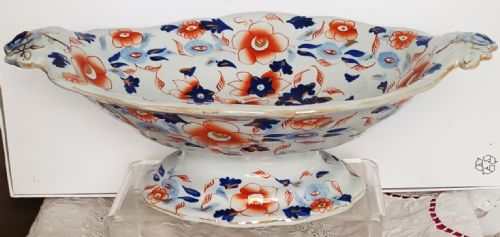
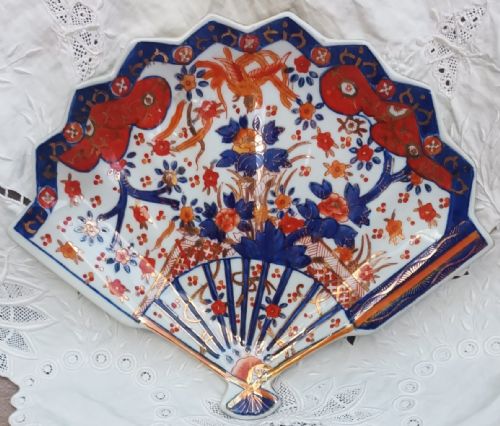
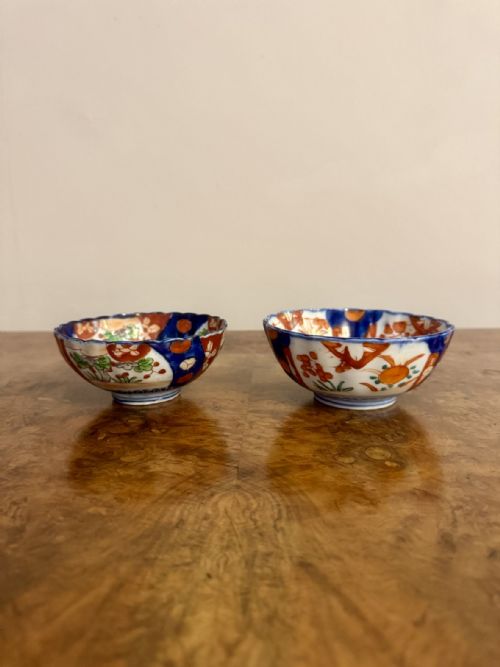
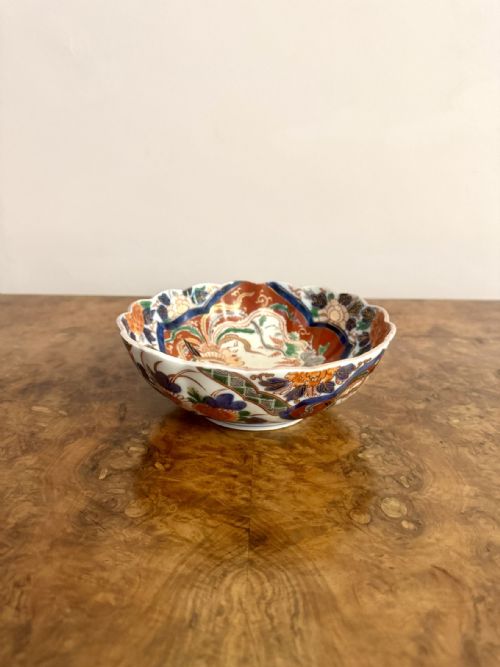
The most common form you will meet here is the decorative bowl, often shaped with scallop edges or hexagonal sides. Alongside these standard vessels, the selection includes dishes, comports, and jardinieres sharing the characteristic palette.
Originating in production centres such as Arita, these ceramics represent a tradition of export wares made for international markets. They combine functional forms with dense surface decoration that draws the eye immediately.
How they were made
The makers formed these pieces from ceramic paste and porcelain, shaping them into bowls and plates before applying underglaze blue. Artisans then added iron red enamel and details in gold leaf or gilt over the glaze, fixing the colours through multiple firings.
Ironstone also appears in later English interpretations of the style, imitating the imported wares using sturdy ceramic bodies. Hand painting dominates the production, leaving visible brushwork and variations across individual surfaces.
Blue Red Imari Bowl Retail Price Guide 2026
Typical asking prices for blue red imari bowl among the pieces listed under this phrase on Sellingantiques today, from the lower quarter to the upper quarter. They describe what is for sale here now, not the wider market.
Listings span from seventeenth century Arita and Kangxi pieces up to early twentieth century Japanese Meiji production in porcelain and ironstone.
What varies in quality
The standard of painting defines the upper tiers of these pieces, separating hasty commercial output from careful artistic execution. Crisp lines in the cobalt blue and precise application of the iron red enamel indicate skilled hands in the workshop.
The weight and purity of the porcelain body also distinguish finer examples, alongside the preservation of any gilding. Well preserved glaze surfaces without excessive wear show how the piece has been kept over the centuries.

Royal Davenport
The Blue Red Imari Bowl Glossary
- Imari
- A style of ceramic decoration originating in Japan, defined by a distinct palette of cobalt blue and iron red, often augmented with gilt. The name derives from the port from which these wares were shipped to Europe.
- Kangxi
- A period of Chinese imperial history spanning the late seventeenth and early eighteenth centuries, noted for porcelain production that heavily influenced export markets. Pieces from this era display exceptional refinement in body and pigment.
- Comport
- A raised vessel or dish used historically for serving fruit or sweets at the table. In ceramic collections, these stand on a footed base and function as decorative centrepieces.
- Arita
- The Japanese town and surrounding region central to the creation of Japanese porcelain. Kilns here produced the foundational wares that established the imari aesthetic.
- Enamel
- A glass-like substance fused to the surface of fired porcelain to add secondary colours such as iron red. Unlike underglaze decoration, enamel sits on top of the glaze and requires a lower temperature firing.
Blue Red Imari Bowl: Frequently Asked Questions
How do I care for a blue red imari bowl?
Wash these ceramic pieces gently by hand using warm water and mild soap when cleaning is necessary. Avoid abrasive sponges or harsh chemicals that can damage the delicate overglaze enamels and gilding.
Keep the vessel away from direct sunlight and extreme temperature changes to protect the glaze and body over time.
How are Japanese and Chinese imari bowls different?
Japanese imari wares, particularly from the Edo and Meiji periods, often feature thicker porcelain bodies and densely packed floral or brocade patterns in iron red and blue. Chinese export pieces made during the Kangxi period tend to show finer porcelain bodies with crisper underglaze blue and more restrained enamel detailing.
Examining the foot ring and the tone of the white porcelain ground helps distinguish between the two regional traditions.
Can I use these bowls for serving food?
Antique ceramic pieces of this age are best reserved for display rather than daily dining use. The historic glazes and overglaze enamels can wear down or absorb liquids from modern food preparation.
Enjoy them as decorative table centrepieces or display them securely on shelves.