






Blue Porcelain Imari Dish
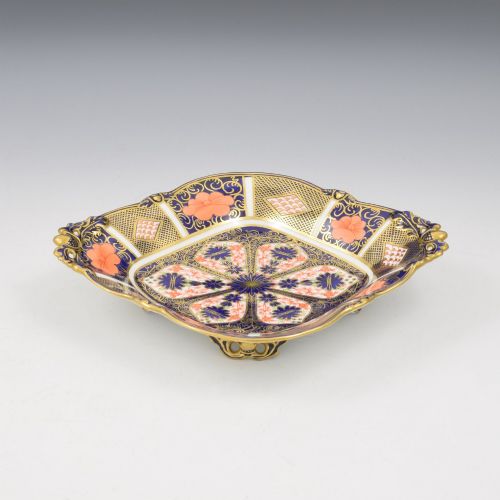
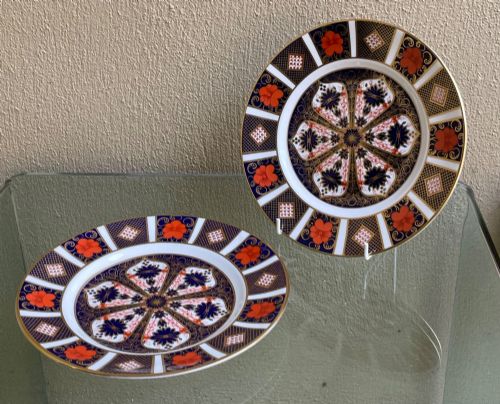
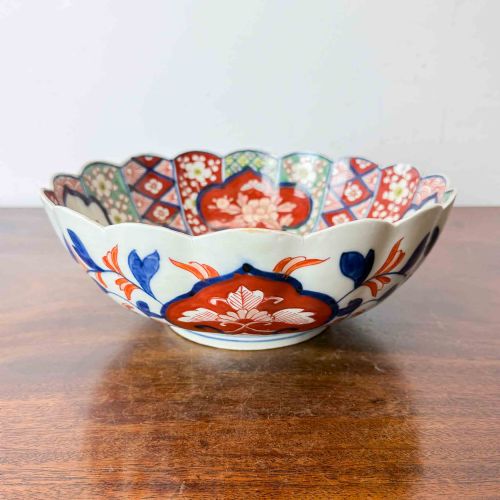
A blue porcelain imari dish brings together rich cobalt painting and iron-red enamel highlights, offering a striking display piece for collectors.
Blue Porcelain Imari Dish
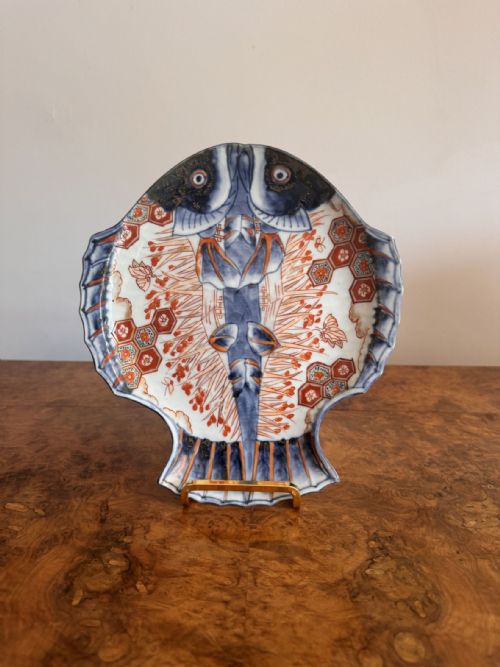
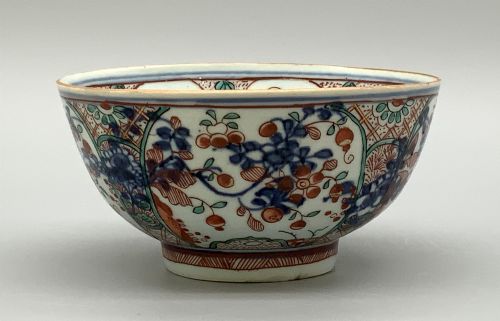
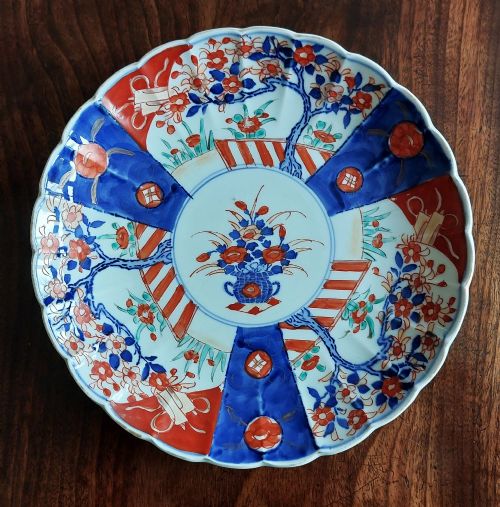
A blue porcelain imari dish represents a centuries-old tradition of ceramic decoration that spans Japanese Meiji period workshops, Chinese export kilns, and English ironstone potteries. These vessels take various forms including deep chargers, scalloped plates, bowls, and shaped dishes moulded like fish or shells.
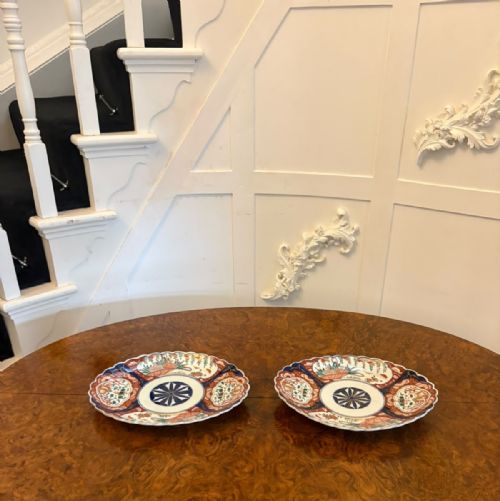
Most examples encountered on this page originate from the nineteenth century or the nineteen hundreds, alongside eighteenth-century Chinese export pieces and Georgian English interpretations. Buyers often find pairs or larger matching collections suited for cabinet display or wall mounting.
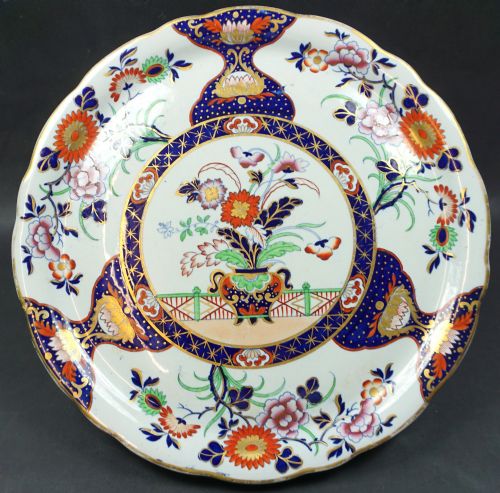
The aesthetic relies heavily on contrasting cobalt blue underglaze with iron-red enamel and gold leaf accents. This distinct palette bridges Eastern manufacturing techniques and Western decorative tastes across several historical periods.
Materials and production methods
Potters shaped fine ceramic clay and porcelain bodies before applying cobalt blue pigment directly beneath a clear glaze, firing the pieces at high temperatures to achieve a durable finish. Artisans then added enamel colours and gold leaf highlights in subsequent low-temperature enamel firings.
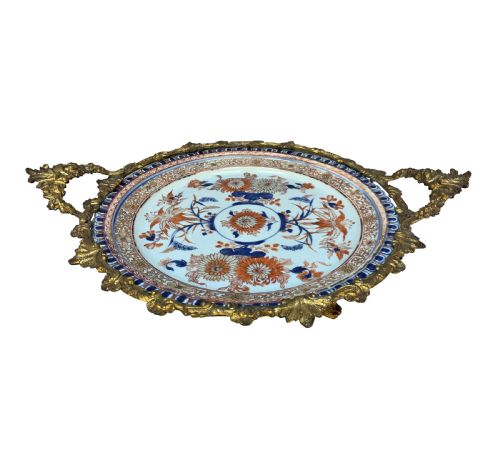
Certain English counterparts utilise heavy ironstone ceramic bases decorated with hand-coloured transfer prints or painted Imari patterns. Metalwork additions such as ormolu mounts occasionally appear on eighteenth-century Chinese export vessels, enhancing their decorative presence.
Distinctions in craftsmanship and design
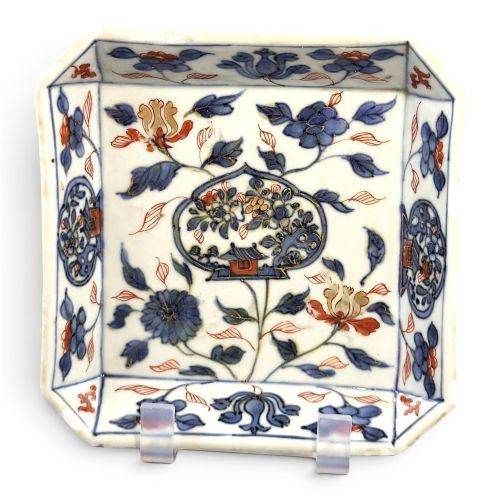
The visual strength of a blue porcelain imari dish depends on the precision of the underglaze cobalt painting and the careful placement of enamel and gilding. Pieces featuring complex motifs like exotic birds or unusual geometric forms such as hexagonal, square, and shell outlines demand greater artisan skill.
Origin and period heavily influence desirability, with seventeenth and eighteenth-century Kangxi examples sitting alongside later Japanese Meiji period production and nineteenth-century English ironstone adaptations. The crispness of the porcelain body and the richness of the enamel colours separate standard domestic wares from exceptional display specimens.
Royal Crown Derby·John Davenport of Longport·Mason's
The Blue Porcelain Imari Dish Glossary
- Imari
- A style of ceramic decoration originating in Japan, characterised by a palette of cobalt blue, iron-red, and gold. It was later copied extensively by Chinese export kilns and European potteries.
- Meiji Period
- The era in Japanese history spanning from 1868 to 1912, associated with a vast output of decorative porcelain exported to Western markets. Pieces from this time often feature detailed hand-painted flora and fauna.
- Ironstone
- A type of durable earthenware patented in nineteenth-century England, used as a robust alternative to true porcelain. Potteries like Mason's and John Davenport utilised it for vibrant Imari pattern services.
- Ormolu
- Gilded bronze mounts applied to furniture and ceramics, frequently seen on eighteenth-century export pieces to elevate their status in European interiors.
- Charger
- A large decorative plate intended primarily for display on a wall or sideboard rather than for serving food at the table.
Blue Porcelain Imari Dish: Frequently Asked Questions
How were these dishes used historically?
These pieces served both practical dining functions and purely decorative display roles within affluent households. Large chargers and deep bowls often adorned sideboards or walls, while smaller plates were utilised during formal meals.
Over time, many export examples transitioned entirely into cabinet pieces due to their striking visual contrast and delicate enamel work.
How do I identify a Meiji period piece?
Japanese items from the Meiji period typically display crisp cobalt blue underglaze paired with dense iron-red and gilt ornamentation. Subjects often include natural motifs such as exotic birds, flowers, and scalloped or shaped edges mimicking organic forms.
The porcelain body tends to be bright and refined, reflecting the high manufacturing standards of late nineteenth-century workshops.
Are English Imari pieces real porcelain?
Many English interpretations of the style use ironstone ceramic rather than true oriental porcelain. Factories in Staffordshire developed this sturdy material to handle everyday use while mimicking the aesthetic of imported Japanese wares.
These pieces feature hand-coloured or transfer-printed motifs that adopt the traditional blue, red, and gold colour scheme.
Can these plates be hung on walls?
Many chargers and plates feature rims or shallow profiles suited for display with proper mounting hardware. Collectors frequently exhibit them in groups to showcase varied geometric and floral patterns.
Careful selection of wall hangers ensures the ceramic body remains secure without placing undue stress on the edges.