
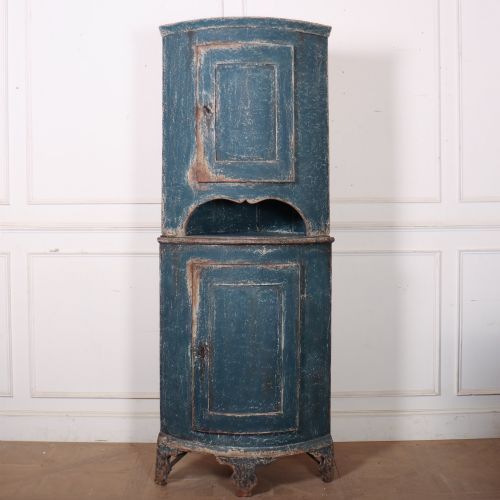


Blue Painted Pine Cabinet
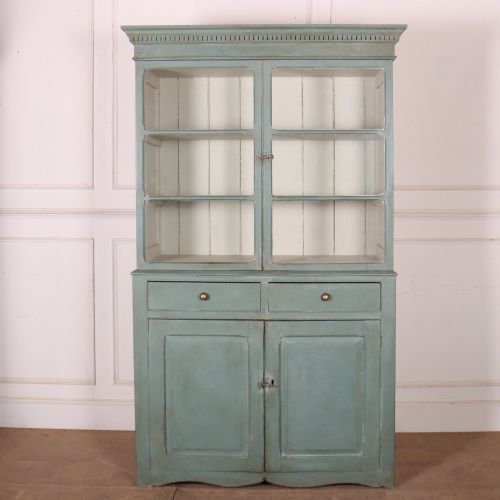
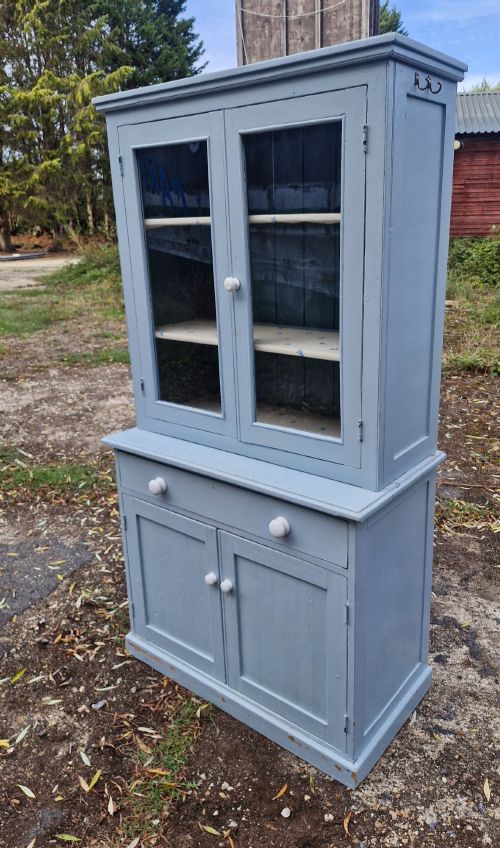
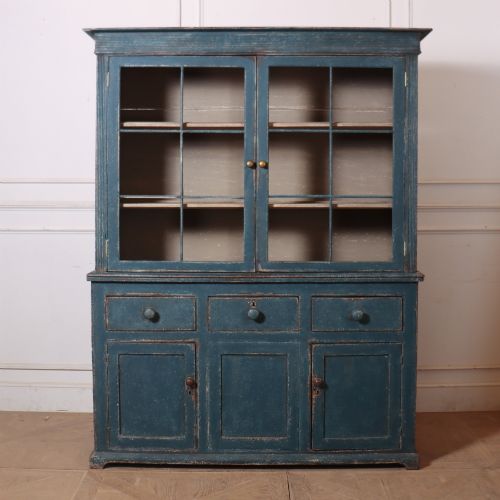
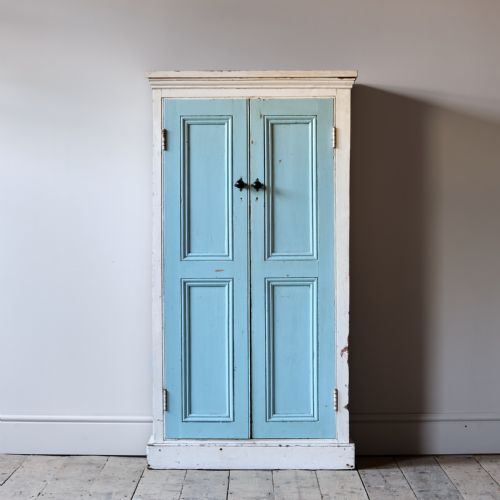
A blue painted pine cabinet brings colour and rustic utility to a room, offering practical storage disguised in folk charm.
Blue Painted Pine Cabinet
When you search for a blue painted pine cabinet, you encounter vernacular furniture spanning the eighteenth and nineteenth centuries, sourced primarily from British regional workshops and Scandinavian households. The pieces on this page range from compact bedside units and wall cupboards to grand kitchen dressers, linen cupboards, and two-part storage combinations.
Regional diversity shapes these objects significantly, with English examples coming from the West Country alongside Scottish and continental pieces from Sweden, Austria, and Finland. Many of these cabinets display country styles such as Gustavian, rustic farmhouse, and folk art, reflecting the domestic habits of rural communities.
How they were made
Carpenters constructed these cabinets using solid pine timber, joining panels with traditional methods suited to everyday domestic use. Iron and brass hardware, including hinges and latches, fastened the doors and drawers securely.
Surfaces received layers of paint, often applied in regional shades of blue or scraped down over generations to reveal underlying textures. Certain Scandinavian pieces incorporate ragwork painting techniques or hand-painted details directly onto the wood.
Some nineteenth-century marriage armoires from continental Europe served as vital dowry gifts, packed with linens before moving to the newlyweds' home.
What varies in quality
The integrity of the original paint surface distinguishes superior examples from later repainted items, with scraped and untouched finishes commanding greater interest from collectors. Surviving hardware, original glass panes in glazed doors, and intact structural pine carcases also elevate a piece.
Proportion and regional character define the visual success of each cabinet, from the clean lines of Gustavian pieces to the robust vernacular charm of English dressers. Minor signs of working life show genuine age, whereas clumsy structural alterations diminish the integrity of the piece.
The Blue Painted Pine Cabinet Glossary
- Pine
- A softwood commonly used in vernacular furniture due to its availability and ease of working. It provides a stable base for painted finishes.
- Gustavian
- The Swedish interpretation of neoclassical style, characterised by restrained ornamentation and lighter colour palettes. It originated in the late eighteenth century.
- Ragwork
- A decorative paint technique where rags or cloths create mottled textures on the surface. This method adds visual depth to cupboard doors and panels.
- Dresser
- A traditional kitchen or dining room storage unit combining shelving, drawers, and cupboards. Regional British examples often feature open plate racks above.
Blue Painted Pine Cabinet: Frequently Asked Questions
How do I clean a painted pine surface?
Dust the cabinet regularly with a soft, dry cloth to prevent the accumulation of dirt on the painted finish. Avoid harsh chemical cleaners or excessive moisture, which can damage historic paint layers.
Wax polish is sometimes used on unpainted interior pine, but exterior painted surfaces generally require only gentle wiping with a barely damp cloth.
Where were these cabinets originally used?
These pieces served practical storage functions in farmhouses, cottages, and town homes across Britain and continental Europe. Kitchens, bedrooms, and hallways housed cupboards for linen, food, and daily provisions.
Swedish and Austrian examples often stood in rural farmsteads, while West Country dressers functioned in British domestic kitchens.
How can I tell an older paint finish from a modern one?
Original historic paint shows natural wear, subtle crazing, and gentle fading accumulated through decades of domestic use. Pigments often display layered depth when examined closely under natural light.
Modern synthetic paints tend to sit uniformly on the wood without the softening effects of age and handling.
What is the difference between a cupboard and an armoire?
Cupboards generally feature shelves enclosed by one or two doors, used for storing tableware, food, or general household goods. They range from small wall-hung units to tall kitchen cabinets.
Armoires and marriage wardrobes provide larger hanging space or deep linen storage, often associated with continental European traditions.