
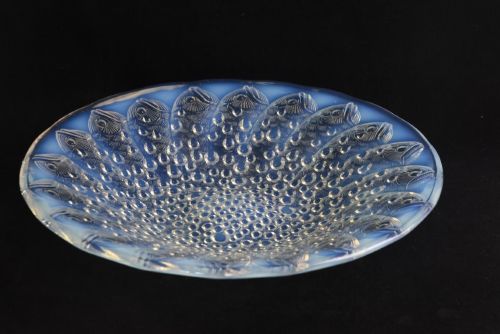


Blue Opalescent Glassware
Blue opalescent glassware combines milky translucent tones with striking optical shifts, capturing light across Victorian and Art Deco forms.
Blue Opalescent Glassware
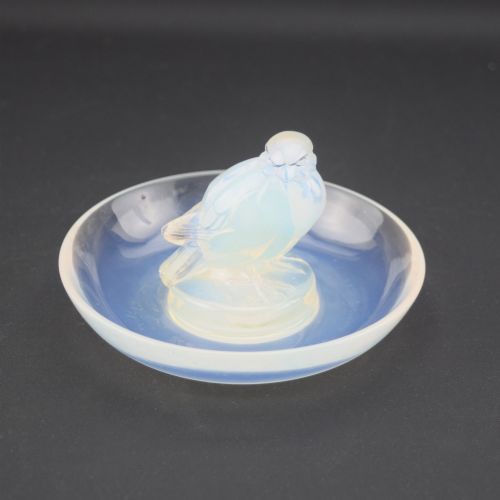
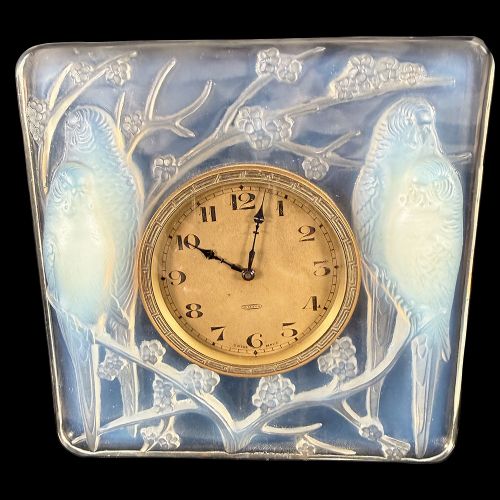
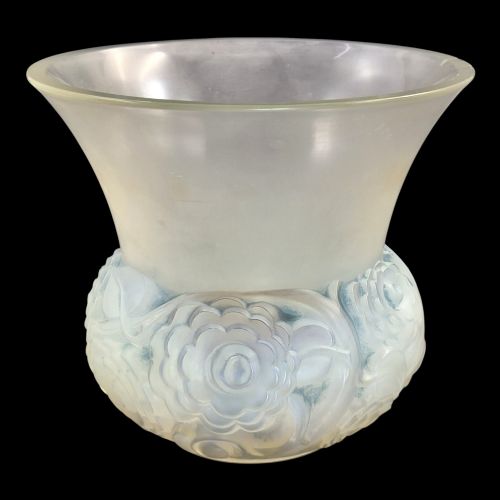
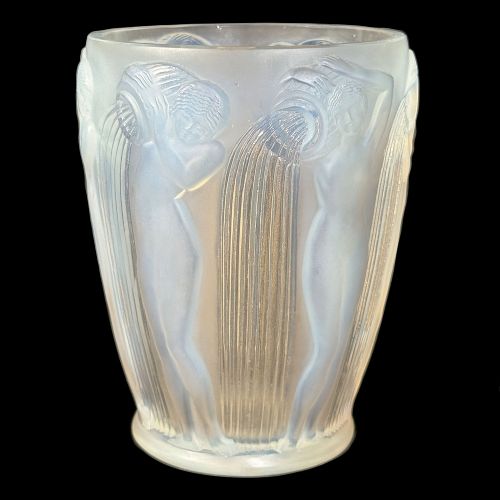
Blue opalescent glassware encompasses decorative bowls, plates, vases, and clocks shaped by Victorian and Art Deco design movements. When exploring blue opalescent glassware, buyers encounter pressed glass vessels and specialised pieces utilising frosted glass and crystal.
The selection ranges from Victorian cake stands to French Art Deco perfume bottles, vases, and ashtrays. Pieces from the 1920s and 1930s dominate the selection alongside Victorian examples.
How they were made
Makers produced blue opalescent glassware using pressed glass techniques where molten material is forced into metal moulds. This method allowed intricate floral and animal motifs to appear sharply defined on bowls, plates, and vases.
Makers often applied blue stained highlights or frosted finishes to contrast with the milky opalescent body. Metal mounts sometimes complemented the crystal and glass components in clocks and decorative objects.
Listings feature opalescent glass, pressed glass, frosted glass, and metal elements across Victorian and Art Deco periods.
What varies in quality
Quality in blue opalescent glassware rests on the crispness of the moulded relief and the depth of the opalescent effect. Strong contrast between the milky blue edges and the clear or tinted body distinguishes superior pieces.
Design complexity also defines the standard, particularly in sculptural elements depicting birds, fish, or figures. The integration of stained details and the weight of the glass further separate standard production from masterworks.
Rene Lalique·Sabino·Davidson
The Blue Opalescent Glassware Glossary
- Opalescent Glass
- Glass that exhibits a milky, bluish lustre when viewed by reflected light, yet appears yellowish-orange when viewed by transmitted light. This optical shift is achieved through the addition of bone ash or arsenic during production.
- Pressed Glass
- Glass formed by pressing molten metal into a mould using a plunger. This mechanical process enabled mass production of patterned plates, bowls, and dishes.
- Frosted Glass
- Glass treated to achieve a matte, non-reflective surface resembling frost. It is often utilised to accentuate relief details on vases and decorative objects.
- Coupe Ouverte
- An open bowl or shallow dish shape frequently produced in pressed glass. These pieces often feature repeating radial motifs such as shells or flowers.
- Pearline
- A trade name for pressed opalescent glass introduced in the Victorian period. It typically displays distinct colour shading across moulded ribs and patterns.
Blue Opalescent Glassware: Frequently Asked Questions
How do I date blue opalescent glassware?
Dating these pieces involves examining the overarching style, such as the geometric lines of Art Deco or the ornate patterns of the Victorian era. Maker signatures and registry marks stamped into the glass also provide clear chronological markers.
Object forms offer additional clues, as perfume bottles, clocks, and specific vase shapes align with distinct manufacturing periods during the early twentieth century and the late nineteenth century.
Where were these glass pieces made?
Production centres for these objects included France and Britain during the late nineteenth and early twentieth centuries. French studios produced sophisticated Art Deco vases and perfume bottles.
British manufacturers focused heavily on pressed glass tableware and decorative items during the Victorian period. These regional traditions yielded distinct stylistic variations in the finished glass.
How should I display opalescent glass?
Displaying blue opalescent glassware effectively requires careful positioning near natural or artificial light sources. Lighting from behind or the side accentuates the milky blue opalescence inherent in the material.
Placing items on surfaces that contrast with the translucent blue tones helps highlight the moulded relief and decorative motifs. Avoid overcrowding shelves to allow each piece adequate space for light to pass through.