





Antique Glass Pedestal Stand
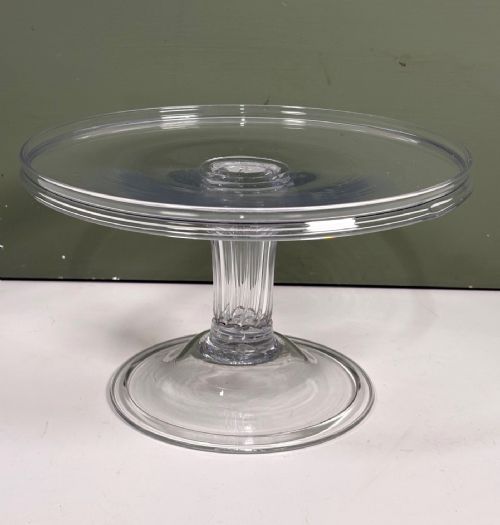
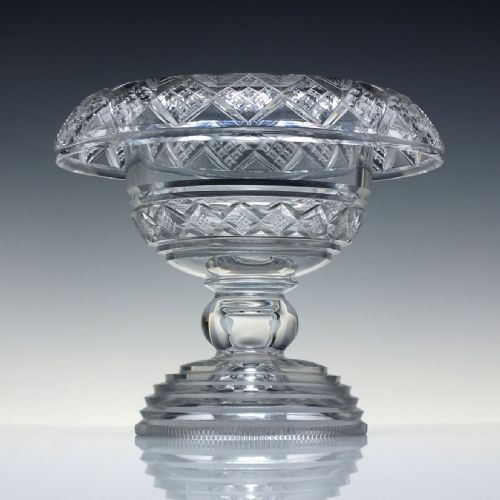
An antique glass pedestal stand brings elevation and sparkle to a table, offering a distinguished platform for sweetmeats, cakes, and fruit.
Antique Glass Pedestal Stand
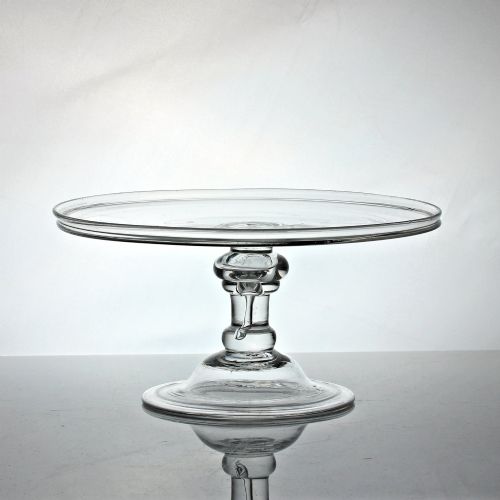
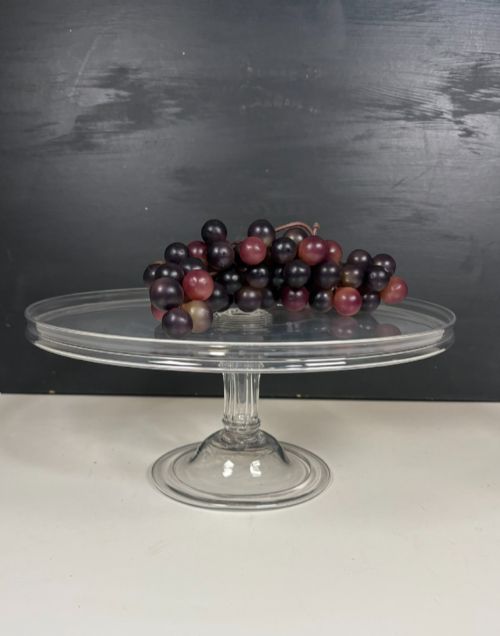
When searching for an antique glass pedestal stand, buyers encounter elevated serving vessels designed to present delicacies and ornamental fruit with prominence. The forms span from compact Georgian patch stands and sweetmeat glasses to large Victorian cake stands and heavy crystal tazzas. These pieces lift the service above the table surface, catching candlelight and daylight through clear, moulded, or coloured glass.
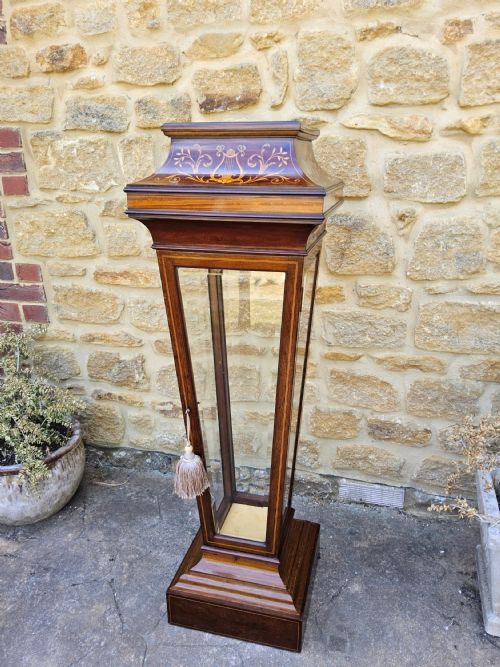
The selection on this page draws heavily upon Georgian and Victorian examples, alongside later 19th-century and Edwardian pieces. Formats range from simple baluster stems supporting a shallow dish to elaborate moulded crystal plates and decorated centrepieces. Alongside traditional glassware, the inventory includes occasional stands and cabinets incorporating glass elements for display purposes.
Origins represented in the evidence lean towards English craftsmanship, with distinct periods establishing specific manufacturing traits. Pieces from the 18th century often display heavy lead glass or delicate rib-moulding, whereas late 19th-century items introduce vibrant hues such as blue pearline or yellow over crystal. Each iteration serves the fundamental purpose of framing elevated items for admiration.
Materials and technique
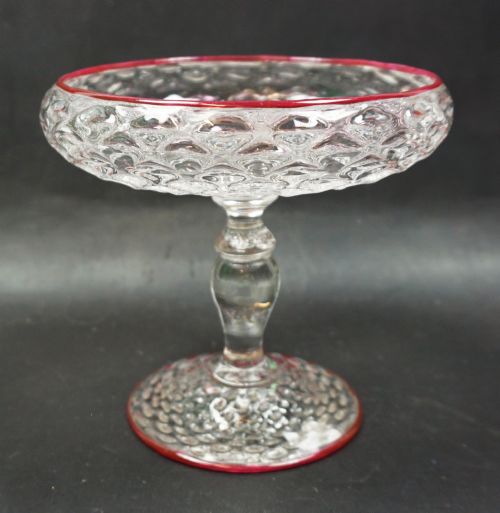
Makers utilised lead glass, lead crystal, and cut crystal to achieve both structural stability and brilliant light refraction. Early pieces rely on thick lead glass compositions that allowed for deep manipulation while retaining substantial weight in the foot and stem. Later Victorian and 19th-century items employ pressed or moulded techniques to produce intricate honeycomb patterns and raised rims.
Decoration relied upon hand-cutting, moulding, and applied colour rather than superfluous additions. Artisans utilised red cane decoration, etching, gilding, and contrasting over-layers of glass, such as yellow or blue pearline, to create visual depth. Stems were frequently formed using baluster profiles or applied collars that joined the foot to the upper dish seamlessly.
Some tiny 18th-century stands held velvet patches that Georgian ladies wore on their faces to hide blemishes.
What determines quality
The distinction between ordinary and superior examples rests upon the clarity of the metal and the crispness of the forming. Early lead glass exhibits a deep lustre and substantial heft, while master-cut crystal displays sharp, clean facets that catch light without distortion. The alignment of the stem to the foot and the plate reveals the hand of the maker and the care taken during assembly.
Subtleties in decoration and colour distribution separate finer items from mass-produced counterparts. Application of delicate details, such as red cane work, etched motifs, or uniform gilding, demands high technical control. Integrity of the original surface, free from excessive wear or later alterations, preserves the historical character expected by serious collectors.
Clarke·Davidson·Christofle et Cie·WMF
The Antique Glass Pedestal Stand Glossary
- Tazza
- A shallow ornamental bowl or plate set upon a foot and pedestal. This form serves as the primary shape for serving sweetmeats and cakes.
- Patch stand
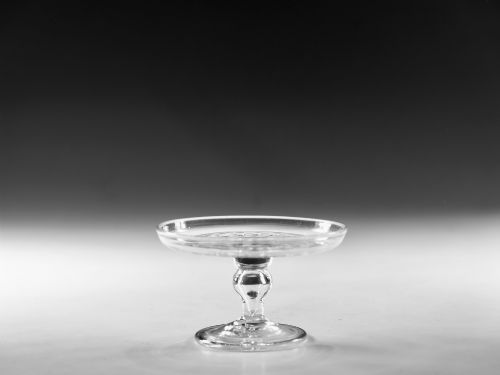
- A small pedestal dish historically used to hold cosmetic beauty patches on a dressing table. These miniature vessels date frequently to the 18th century.
- Sweetmeat glass
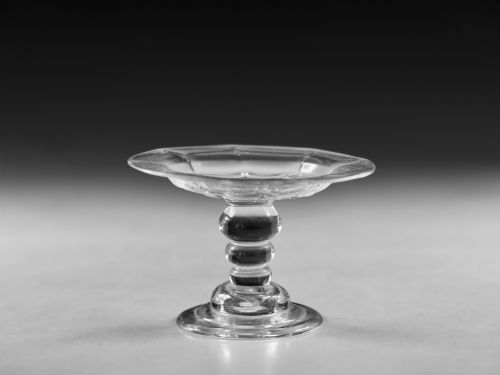
- A small, footed vessel designed for holding confectioneries, nuts, or preserved fruits during formal dining. They often feature rib-moulded bowls and knop stems.
- Lead crystal
- A high-clarity glass containing metal oxides that increases weight and refractive index. It allows for deeper cutting and a resonant ring when struck.
Antique Glass Pedestal Stand: Frequently Asked Questions
What is a tazza used for?
A tazza is an elevated shallow dish traditionally used for serving small cakes, fruit, or sweetmeats at the dining table. The raised pedestal design was intended to improve visibility and create tiered arrangements during formal meals.
Over time, these pieces also functioned purely as decorative centrepieces, placed on sideboards or tables to catch and reflect light through their crystal or glass surfaces.
How do I date an antique glass pedestal stand?
Dating relies on observing the manufacturing techniques, glass composition, and stylistic cues present in the piece. Early 18th-century stands often feature heavier lead glass, pontil marks on the underside, and simpler baluster stems.
Later Victorian examples introduce pressed glass, machine moulding, vibrant applied colours, and more intricate surface etching. Comparing the form against documented period styles provides further confirmation.
What is the difference between a patch stand and a tazza?
A patch stand is a miniature pedestal dish, typically produced in the 18th century for holding cosmetic face patches. They possess a much smaller diameter than standard serving vessels.
A tazza is a larger display plate or bowl raised on a central foot, designed to hold food or serve as a decorative centrepiece rather than hold dressing table accessories.
How should I clean antique glass?
Antique glass should be washed by hand in lukewarm water using a mild, non-abrasive detergent. Avoid sudden temperature changes to prevent thermal shock and cracking.
Dry the piece immediately with a soft, lint-free cloth to maintain the clarity of the crystal and protect any delicate surface decorations or gilding.