



Glass Cake Pedestal
A glass cake pedestal lifts your confectionery with shimmering transparency, offering an elegant focal point for any table.
Glass Cake Pedestal
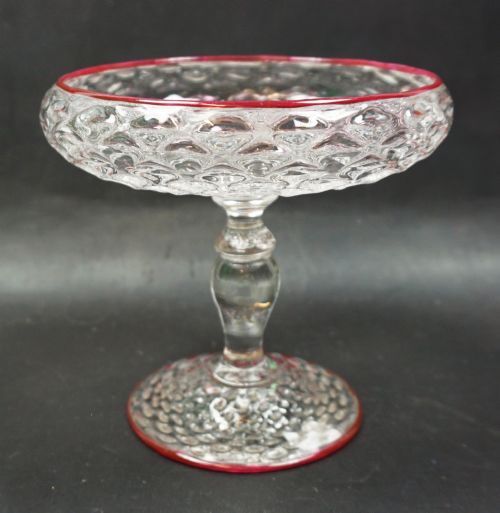
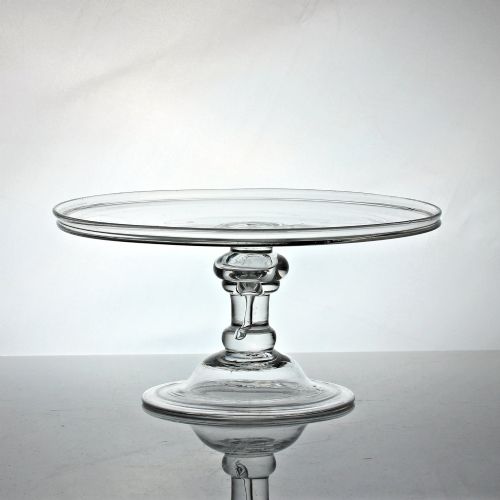
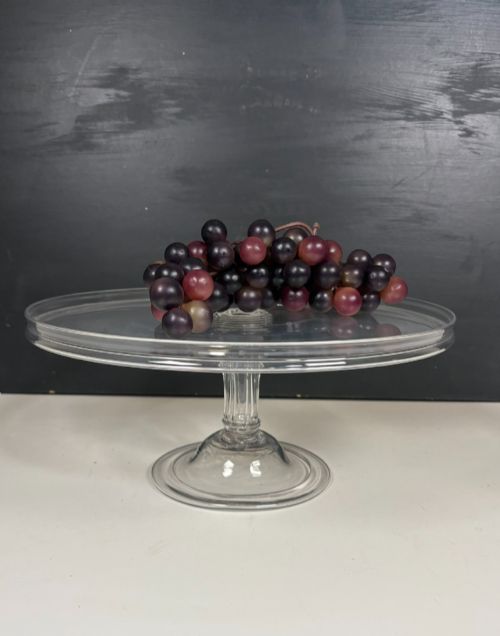
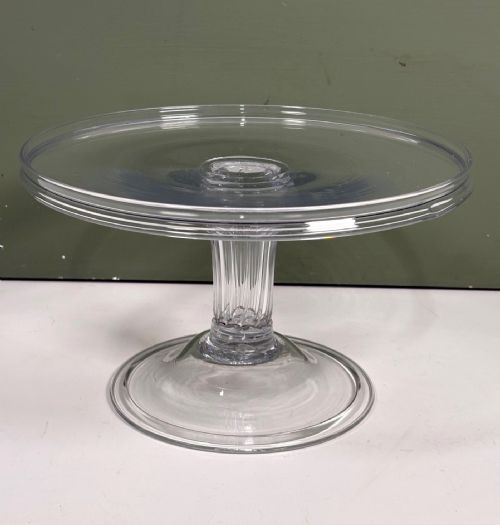
A glass cake pedestal functions as both a functional serveware piece and a decorative centrepiece, elevating cakes and sweets above the table surface. When you search for glass cake pedestal, you encounter various forms including traditional tazzas and specialised cake stands dating from the eighteenth century through to the early twentieth century.
The pieces available span multiple distinct eras, featuring Georgian baluster examples alongside Victorian pressed glass and Edwardian lead crystal. You are most likely to meet clear glass and lead crystal tazzas, alongside coloured opalescent variations and silver-plated swing-handled baskets.
Originating primarily from English workshops, these items range from simple utilitarian serving plates on stems to heavily moulded and etched display pieces. Their enduring appeal lies in their ability to combine practical hosting utility with period craftsmanship.
Materials and construction
Makers utilised lead crystal, clear glass, and pressed glass to achieve varying levels of brilliance and weight in each pedestal. Techniques such as honeycomb moulding and delicate etching added intricate surface patterns to the bowls and stems of Georgian and Victorian examples.
Specialised production methods also included opalescent glass coloration, seen in pieces like blue pearline, which introduced striking chromatic effects to the display surface. Silver plate was occasionally incorporated for structural mounts and movable handles on basket-form serveware.
Glass Cake Pedestal Retail Price Guide 2026
Typical asking prices for glass cake pedestal among the pieces listed under this phrase on Sellingantiques today, from the lower quarter to the upper quarter. They describe what is for sale here now, not the wider market.
Listings span the eighteenth, nineteenth, and twentieth centuries, incorporating Georgian, Victorian, Art Nouveau, and Edwardian styles.
Evaluating craftsmanship
Quality in these pedestals is determined by the clarity of the metal, the precision of the cutting or moulding, and the overall balance of the form. Finer examples display crisp facet cutting, smooth pontil marks on earlier pieces, and evenly distributed glass weight without heavy distortion.
The sophistication of the decorative programme separates standard utilitarian wares from superior artistic productions, particularly in pieces featuring detailed etching or specialised coloured glass formulations. Proportion and stability remain paramount, as heavier tops require substantial, well-balanced stems.
W M F·Davidson
The Glass Cake Pedestal Glossary
- Tazza
- A shallow bowl or plate mounted on a stem and foot, commonly used for serving fruit, cakes, or sweets.
- Lead Crystal
- Glass containing lead oxide, which increases brilliance, weight, and the ease of decorative cutting.
- Pressed Glass
- Glass shaped by being pressed into a metal mould using a plunger, allowing for complex patterns to be produced efficiently.
- Pearline
- A trade name for a specific type of opalescent pressed glass patented by Davidson in the late nineteenth century.
- Baluster
- A moulded stem shape featuring a swollen profile reminiscent of a classical architectural support.
Glass Cake Pedestal: Frequently Asked Questions
What is a tazza?
A tazza is an elevated shallow vessel traditionally used for serving cakes, fruit, or confectionery. The form consists of a flat or shallow bowl supported by a central stem and a stable foot.
In period contexts, these pieces served as the centrepiece of a formal dessert course. Today, they function equally well for modern entertaining or as decorative display objects.
How do I date an old glass pedestal?
Dating relies on examining the manufacturing technique, the type of glass, and stylistic markers such as cutting patterns. Georgian pieces often exhibit heavier lead metal and pontil scars on the underside.
Later Victorian and Edwardian examples frequently utilise machine-pressed techniques or refined acid etching. Comparing the specific form against documented period styles helps narrow the production era.
Can I use these pedestals for food?
These antique pedestals are structurally suitable for serving dry foods, cakes, and fruit during dining or special occasions. Hand washing in lukewarm water ensures the historic glass remains protected.
Harsh detergents and dishwashers should be avoided to preserve the surface finish and any delicate lead crystal properties. Careful handling prevents accidental chips to the rim and foot.