


Blue Metal Plaque
These blue metal plaque examples span nineteenth century Japanese chargers, Victorian miniatures, and enamel signs.
Blue Metal Plaque
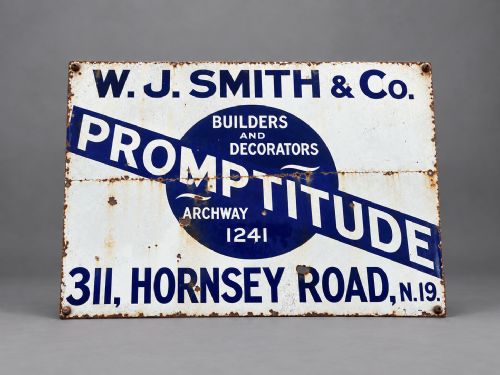
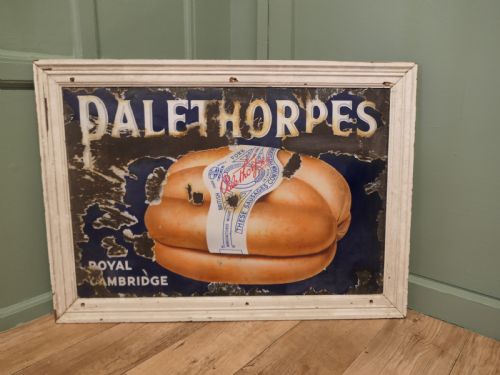
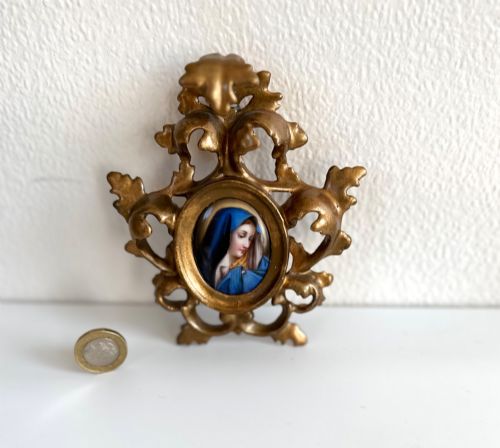
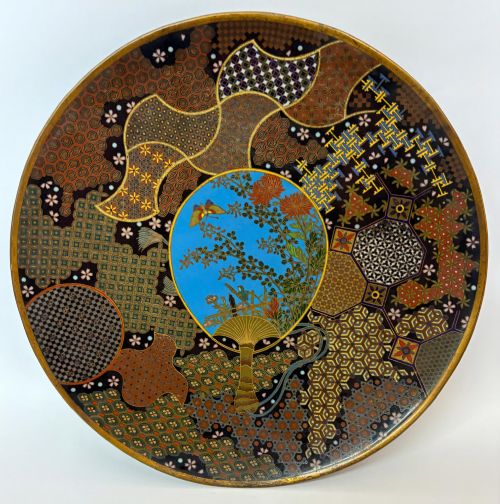
A blue metal plaque search reveals a diverse collection ranging from Japanese Meiji and Edo period cloisonne chargers to British enamel advertising signs and Victorian portrait miniatures. The pieces function primarily as decorative wall chargers, display plates, or utilitarian signage made from metal bases fused with coloured glass.
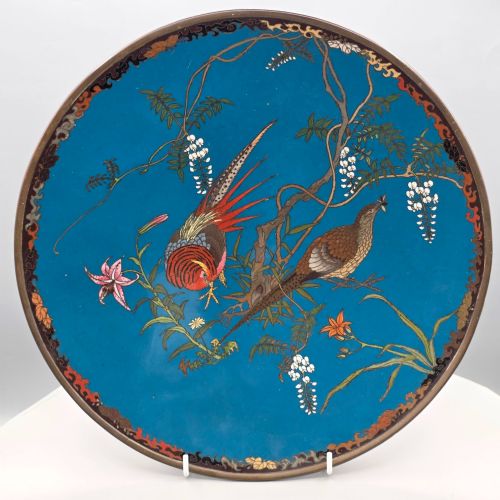
Most frequent among these are large Japanese cloisonne enamel chargers and plaques depicting dragons, koi, and birds from the late nineteenth century. Alongside these, buyers encounter industrial public telephone and manufacturer advertising signs from the Edwardian and early twentieth century periods.
How they were made
The objects combine metalwork bases of copper, brass, iron, bronze, or gilt metal with vitreous enamel surfaces. Cloisonne examples utilise fine metal wire soldered to form cellular compartments that hold coloured enamel pastes before firing.
Signage and advertising pieces rely on heavy iron or steel plates coated in durable industrial enamel fired at high temperatures. Miniature portraits and display plates integrate painted porcelain or enamel within metal mountings.
Current listings feature materials including copper, brass, iron, bronze, and gilt metal combined with cloisonne and vitreous enamel.
What varies in quality
Quality in cloisonne plaques rests on the precision of the wirework celling and the depth and complexity of the enamel colour palette. Finer Japanese chargers demonstrate intricate depictions of natural subjects with minimal surface pitting or clouding in the vitreous glaze.
Advertising and public signs derive their merit from the crispness of the lettering, the retention of original mounting hardware, and the stability of the fired enamel against the underlying iron plate.
The Blue Metal Plaque Glossary
- Cloisonne enamel
- A technique where metal wires are soldered onto a metal base to create cells filled with enamel paste before firing. This method produces intricate linear patterns across Japanese chargers and plaques.
- Vitreous enamel
- Glass fused to a metal substrate through high-temperature firing. This durable coating provides the glossy coloured surface seen on signage and decorative plates.
- Charger
- A large decorative plate intended for display rather than table service. These form the majority of nineteenth-century oriental metal plaques.
- Meiji Period
- The era of Japanese history lasting from 1868 to 1912, noted for highly detailed cloisonne metalwork produced for export.
Blue Metal Plaque: Frequently Asked Questions
How do I hang a heavy charger?
Large chargers require robust wall fixings designed to support substantial weight without slipping. Use appropriate brackets that cradle the rim securely.
Ensure the wall anchor attaches directly to solid masonry or internal studs rather than plaster alone.
Are enamel signs weather resistant?
Industrial enamel signs were manufactured to withstand outdoor exposure on public buildings and roadways. The fused glass surface resists moisture and sunlight effectively.
Despite this durability, historical metal plates benefit from indoor placement to prevent corrosion of the exposed iron edges.
What is the difference between cloisonne and painted enamel?
Cloisonne utilises raised metal wires to separate distinct fields of coloured glass paste. Each cell is filled individually prior to kiln firing.
Painted enamel applies pigments directly onto a prepared metal or porcelain ground without the network of dividing wires.
How should I clean my enamel plaque?
Dust metal and enamel surfaces gently with a dry, soft cloth. Avoid abrasive cleaners or harsh chemical solvents that scratch the glaze.
Enamel tolerates mild soapy water if dried immediately, but moisture must be kept away from exposed iron or copper backs.