




Blue Marine Seascape
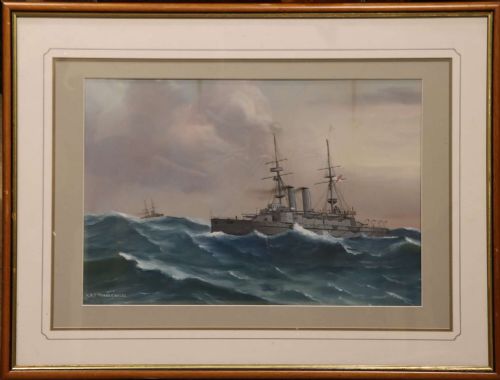
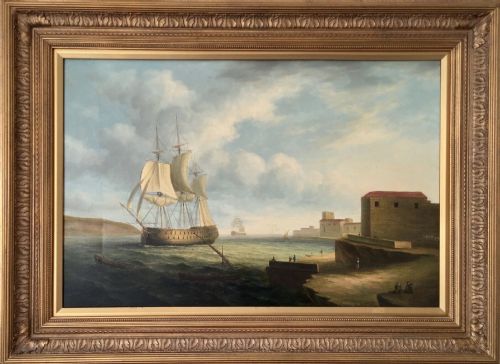
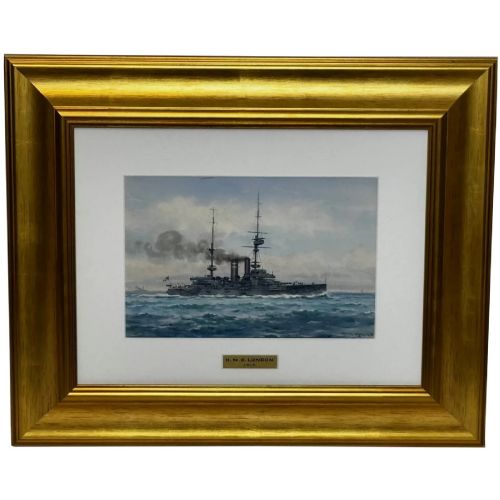
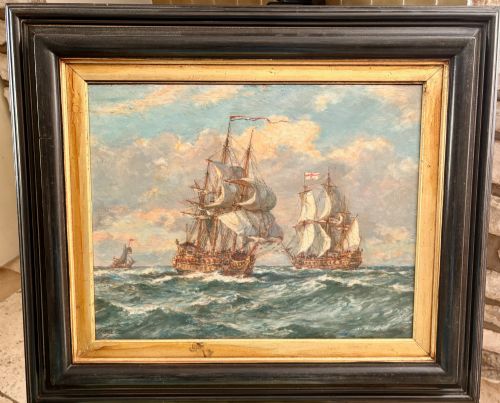
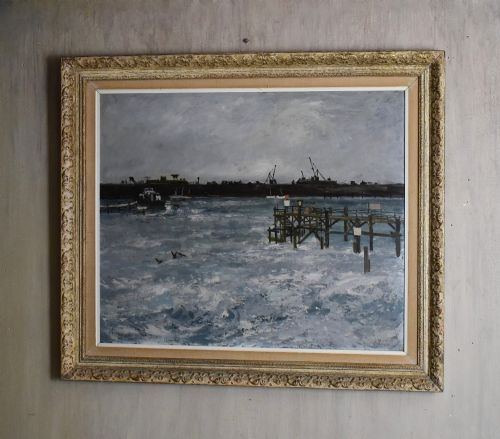
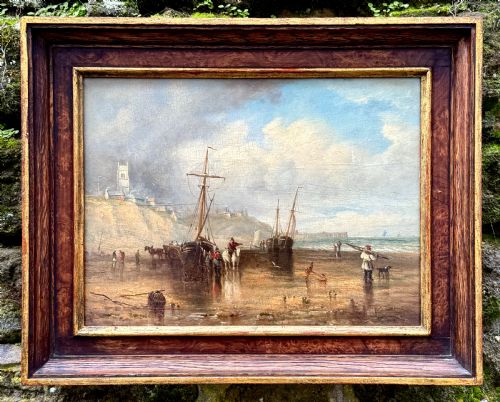
Blue marine seascape works capture the enduring power and changing moods of the open ocean through historic paintings and works on paper.
Blue Marine Seascape
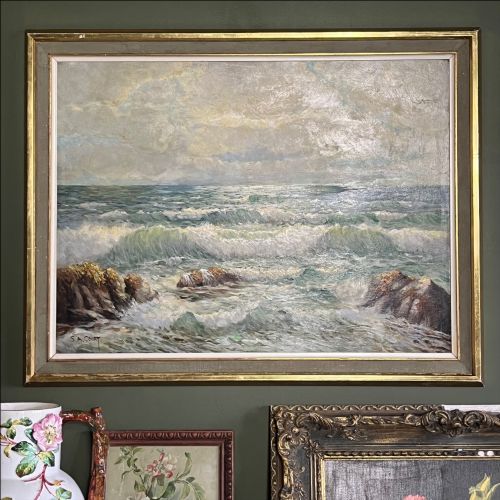
A blue marine seascape centres on maritime subjects, coastal scenes, and open water views created across the nineteenth and twentieth centuries.
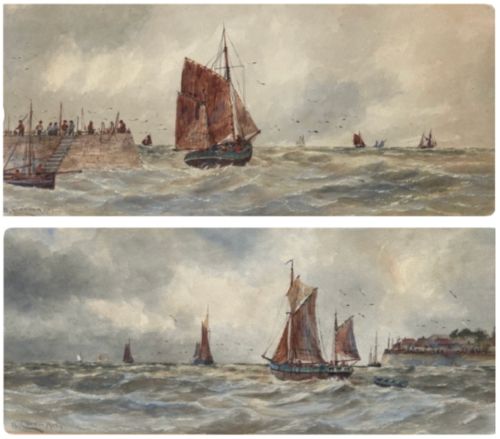
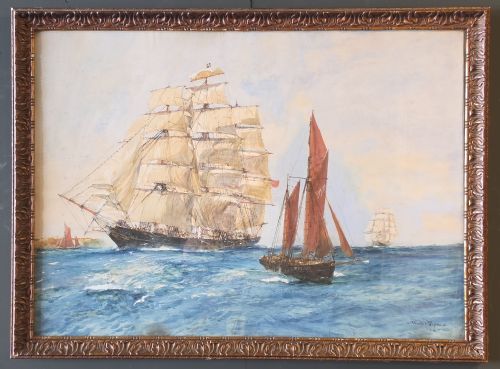
Buyers will encounter varied interpretations ranging from Victorian maritime watercolours to mid-century oil paintings and coastal views.
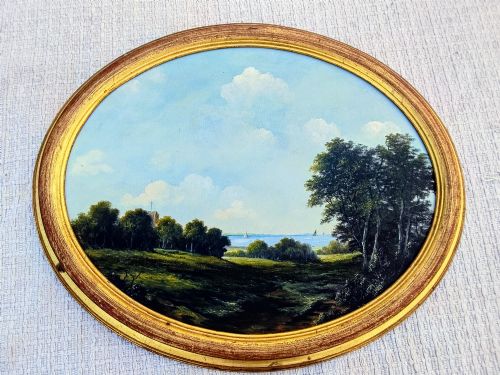
The selection encompasses detailed portrayals of historic shipping alongside atmospheric en plein air coastal studies.
Materials and technique
Artists captured coastal light and water using oil paint on canvas or panel, alongside watercolour and gouache on paper.
Works on paper rely on transparent washes and fine brushwork to depict marine weather, while oil paintings utilise layered pigment for depth.
Styles range from Victorian marine art and British impressionism to mid-century maritime and post-impressionism.
Distinctions in quality
The strength of a marine piece rests on the artist's ability to render the movement of water and atmospheric conditions convincingly.
Superior examples demonstrate confident handling of light and shadow, accurate vessel rigging or coastal topography, and harmonious composition.
James Orrock·William Cannon·Charles Edward Dixon·Frank Watson Wood·Bernard Benedict Hemy·Thomas Creswick·George Stanfield Walters·Charles William Adderton·Charles Napier Hemy·Vincenzo D'Esposito·Louis Suire·Gustave Vidal
The Blue Marine Seascape Glossary
- Watercolour
- A painting method where fine pigment is suspended in water-soluble binders and applied to paper.
- En plein air
- The practice of painting outdoors to capture direct natural light and immediate coastal conditions.
- Maritime shadow box
- A three-dimensional display framing a ship model or diorama alongside painted elements.
- Impasto
- Paint applied thickly to a canvas or panel, leaving visible brush marks that catch the light.
Blue Marine Seascape: Frequently Asked Questions
How should I care for historic watercolours?
Historic watercolours require careful placement away from direct sunlight to prevent the fading of delicate pigments on paper. Framing under conservation glass offers additional protection against environmental moisture and damage.
Humidity control in the room prevents paper degradation and mould growth over time. Regular gentle dusting of the outer frame keeps the piece in stable condition.
What subjects appear in these paintings?
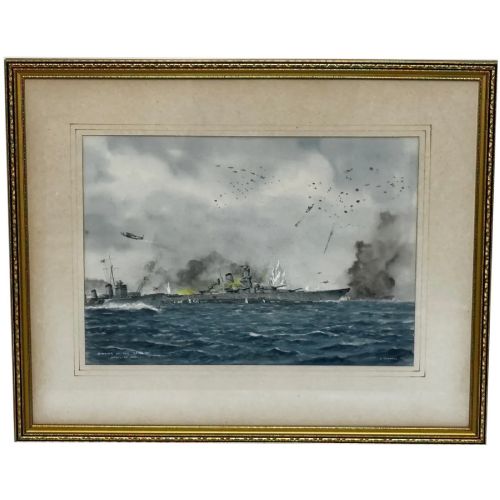
The subjects range from warships and commercial clippers to local fishing boats working off coastal cliffs and harbours. Many pieces document specific naval vessels, historical maritime engagements, or quiet coastal inlets.
Artists frequently recorded busy trading ports and calmer shores across Britain, France, and the Mediterranean. Each scene reflects the maritime trade and naval history of its specific period.
How do I date a marine painting?
Dating relies heavily on the style of clothing worn by figures, the rigging and design of depicted ships, and the framing materials. Artistic movements like Victorian maritime art or mid-century impressionism provide a clear chronological window.
Signatures, dates inscribed by the artist, and archival records or exhibition labels on the reverse offer definitive clues. Comparing the handling of paint and paper types to known dated works helps narrow the decade of creation.
Where were these coastal scenes painted?
Many works record British coastal locations such as Cornwall, Scarborough, and the Thames Estuary, alongside French and Mediterranean shores. Artists often travelled to major fishing ports and naval stations to observe shipping activity directly.
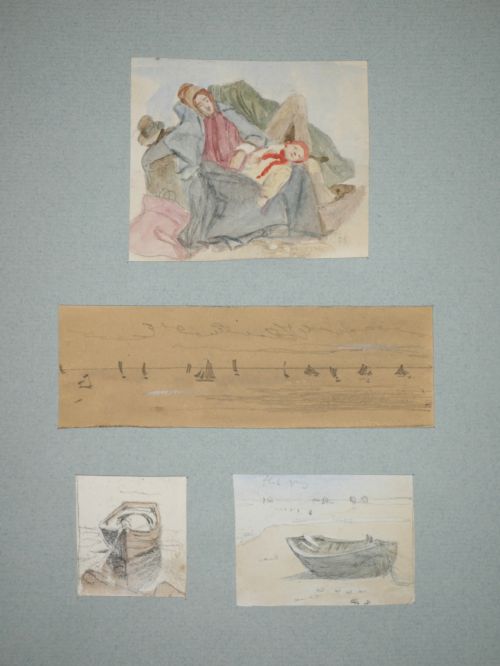
Studio works were frequently developed from initial watercolour sketches and plein air studies created on location. This direct observation ensures topographical and nautical accuracy in the finished compositions.