




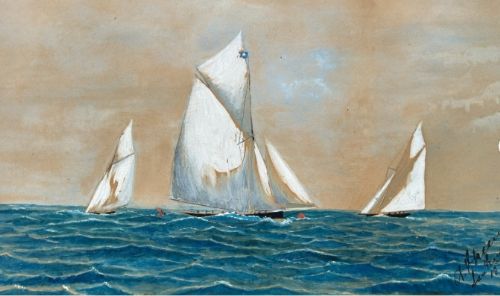


Marine Painting on Paper
Marine painting on paper captures coastal life and naval vessels through delicate washes, ranging from Victorian scenes to mid-century harbours.
Marine Painting on Paper
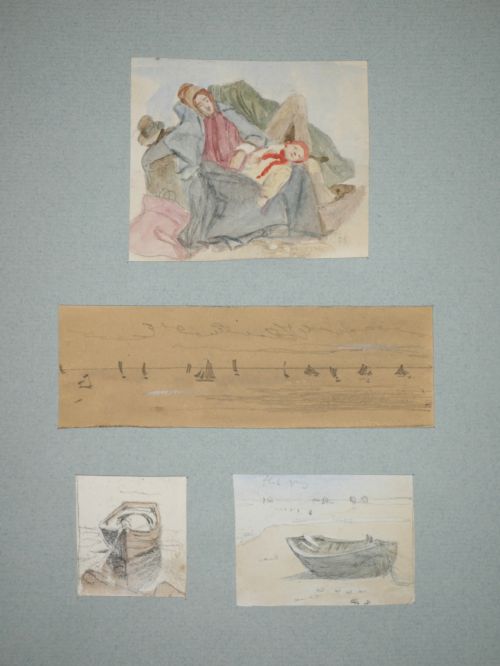
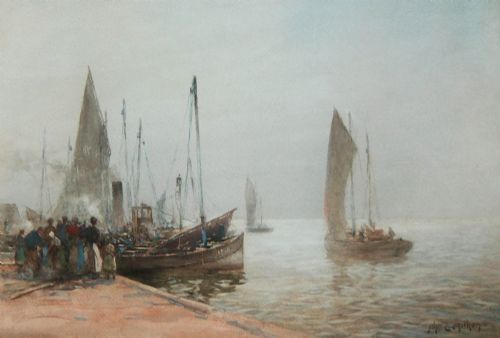
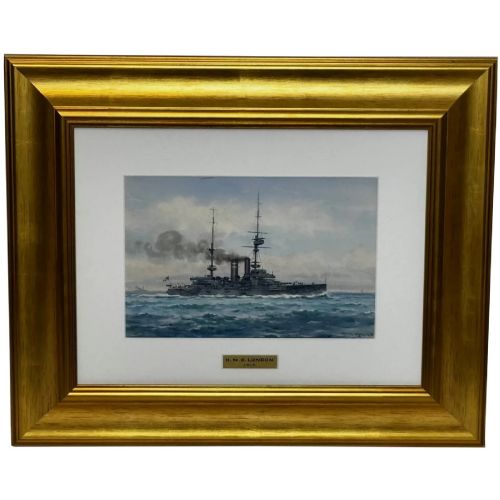
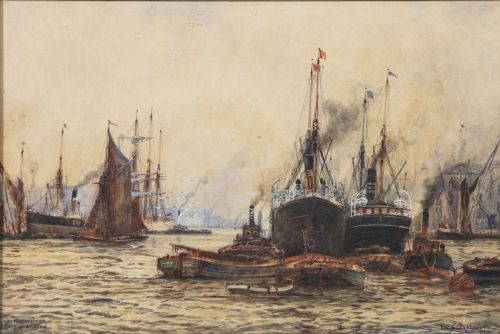
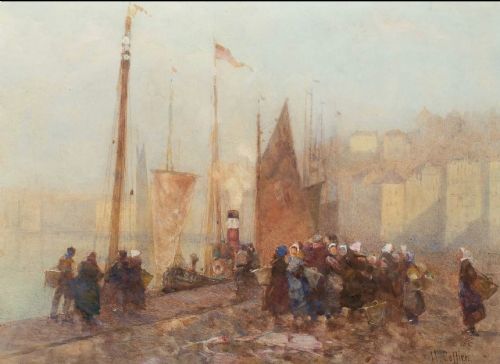
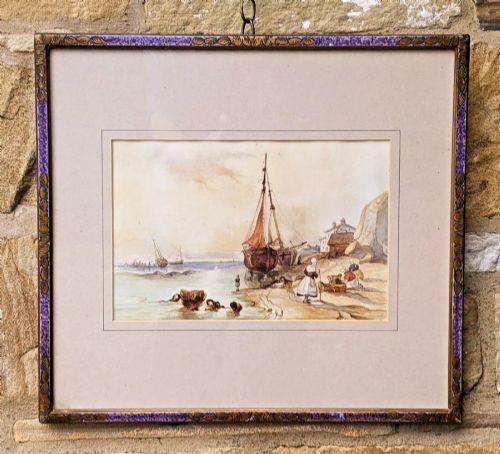
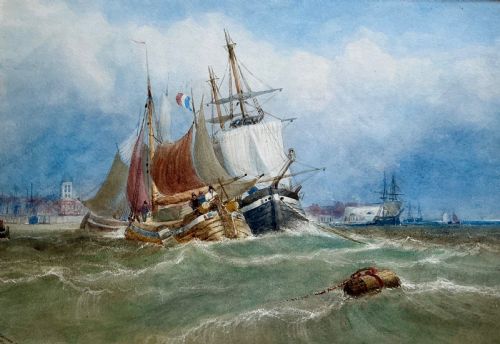
A marine painting on paper depicts coastal views, fishing boats, shipping lanes, and naval vessels rendered primarily in watercolour. These works capture the changing light of British and European shores from the nineteenth century through the mid-twentieth century.
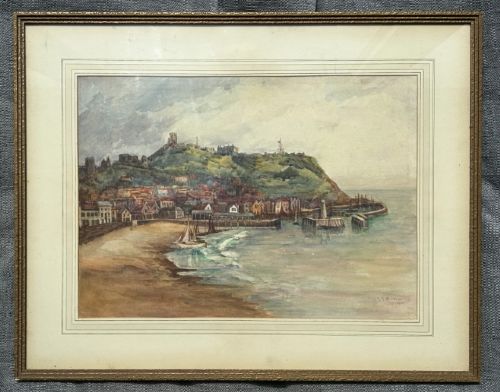
Collectors encounter framed watercolours and sketches showing familiar ports like Whitby, Scarborough, and Venice, as well as open sea studies. The subjects range from bustling harbour docks and beach scenes to detailed renderings of historical sailing ships and warships.
The selection spans Victorian realism, Edwardian maritime views, British Impressionism, and mid-century modernism. Paper supports provide an intimate scale that often reveals the direct hand of the artist through swift preparatory sketches and finished exhibition pieces.
Materials and Technique
Artists employed watercolour pigment applied to absorbent paper sheets, frequently utilising ink for foundational outlines and fine architectural or rigging details. The translucency of the water-based paint allowed artists to preserve the white of the paper for breaking waves and cloud highlights.
Framed works commonly incorporate protective glass and traditional wood moulding to shield the fragile paper from moisture and light damage. The interaction between pigment and paper creates luminous skies and shifting sea tones peculiar to this medium.
The listings span from the Victorian era through the 1950s, utilising watercolour on paper framed under glass with wood mouldings.
Factors That Determine Quality
Quality rests upon the artist's handling of atmosphere, light, and movement, particularly in capturing the restless surface of the sea and changing weather. The most accomplished works demonstrate confident brushwork and precise tonal control without muddying the washes.
Composition and historical detail also separate exceptional pieces from standard topographical records, especially when depicting complex rigging, hull structures, and coastal architecture. Provenance and clear signatures by recognised maritime practitioners elevate the standing of individual works.
James Orrock·James E. Aitken·Frank Watson Wood·Frank William Scarbrough·Henry Barlow Carter·Thomas Bush Hardy·Edward Seago
The Marine Painting on Paper Glossary
- Watercolour
- A paint consisting of pigment suspended in a water-soluble binder, traditionally applied to paper to achieve translucent colour washes. This medium allows for rapid execution and subtle atmospheric effects.
- Seascape
- A work of art depicting the sea, coastal views, ships, or marine engagements. These subjects formed a major focus for British artists throughout the nineteenth and twentieth centuries.
- Wash
- A thin, fluid layer of watercolour paint spread evenly across the paper to create uniform areas of sky or water. Skilled application prevents harsh edges and maintains luminosity.
- Monogram
- A motif made by overlapping or combining two or more letters to form a recognizable cipher used by artists to sign works. These are frequently found in the lower corners of period watercolours.
- Provenance
- The chronological history of the ownership of a work of art, helping to establish its authenticity and origin. Documentation often accompanies notable maritime pieces.
Marine Painting on Paper: Frequently Asked Questions
How should I display marine paintings on paper?
Keep watercolours away from direct sunlight to prevent the pigments from fading and the paper from yellowing over time. Framing with UV-protective glass and acid-free mounts preserves the integrity of the paper support.
Position the artwork in rooms with stable humidity levels to avoid warping or moisture damage. Proper hanging ensures these delicate maritime scenes remain secure and visible.
What subjects appear most often in these paintings?
Harbour scenes featuring fishing boats, coastal towns, and working docks dominate the selections. Vessels ranging from nineteenth-century clippers to twentieth-century drifters and naval ships also recur frequently.
Venetian canals and local British coastal spots like Whitby and Scarborough provide familiar settings for these maritime compositions. Artists often recorded specific regional craft such as Yorkshire cobles and Dutch sailing barges.
How do I distinguish Victorian from mid-century watercolours?
Victorian marine works tend to feature meticulous detail, narrative human elements, and traditional framing suited to heavier interior aesthetics. The palette often employs deeper earth tones alongside crisp highlights.
Mid-century pieces embrace freer brushwork, impressionistic washes, and simplified forms influenced by modern movements. The paper and framing styles of the 1930s to 1950s generally reflect a lighter, more streamlined approach.
Are these works signed by the artists?
Many examples feature original signatures, monograms, or dated inscriptions left by the painter on the front or reverse of the sheet. Attribution notes sometimes identify works from established studios or followers of prominent marine artists.
Unsigned pieces still appear, often attributed through style, subject matter, or archival records linked to specific coastal sketching tours. Signatures provide helpful context but stylistic execution remains the primary guide to authorship.