


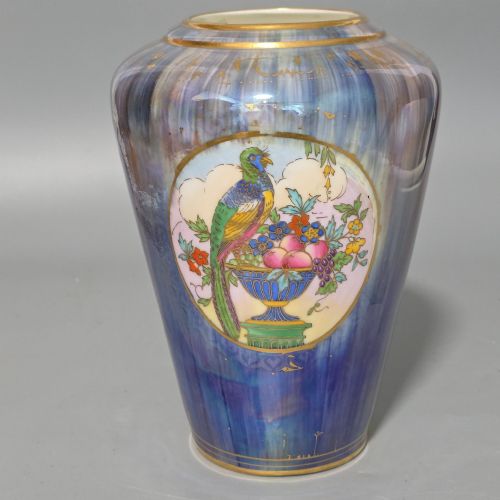

Blue Lustre Ceramic
Blue lustre ceramic pieces combine iridescent metallic glazes with earthenware and porcelain bodies to catch the light in domestic displays.
Blue Lustre Ceramic
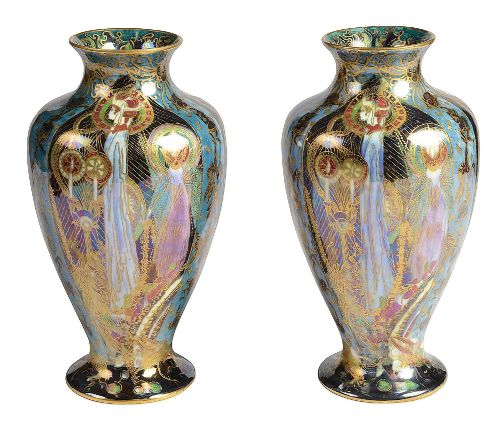
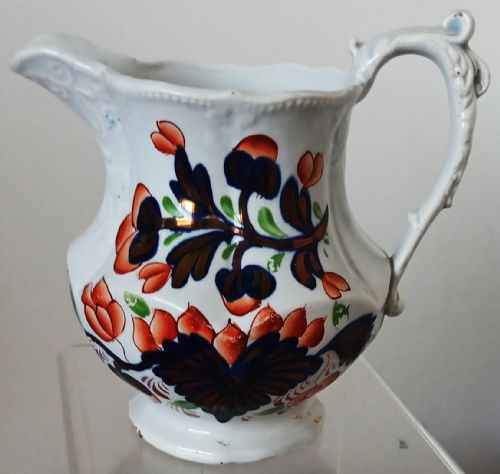
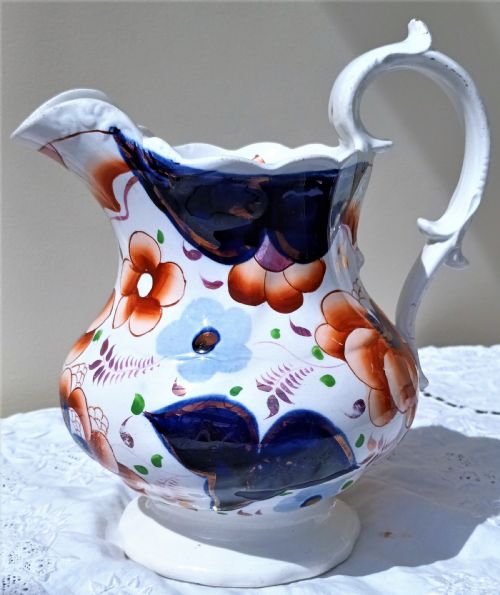
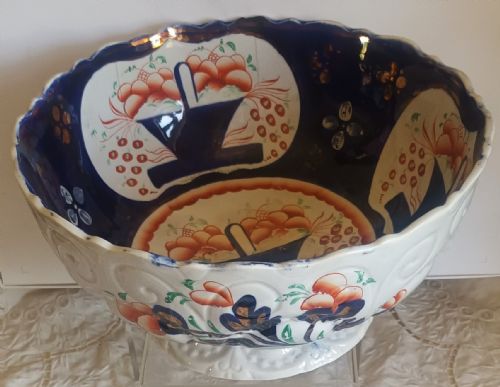
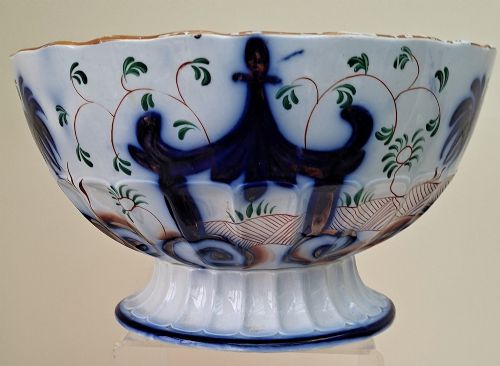
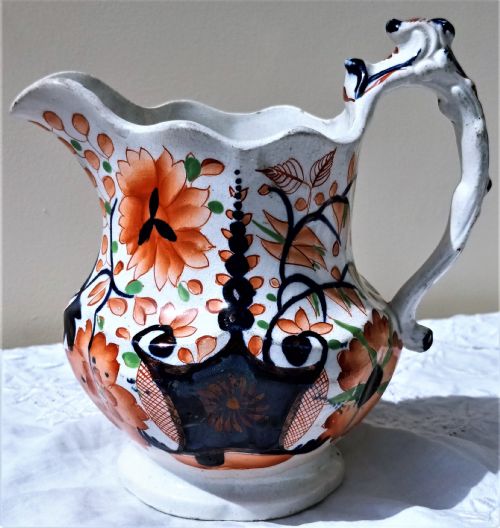
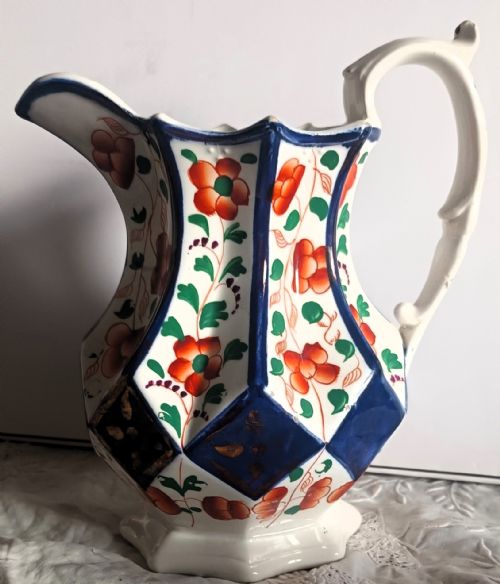
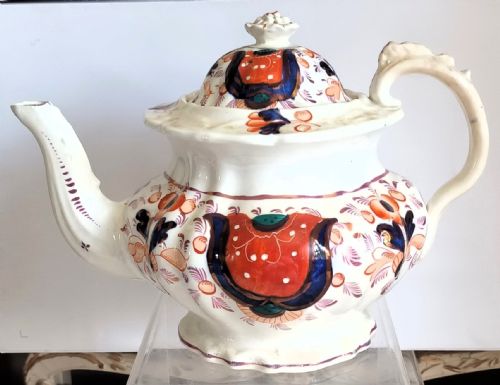
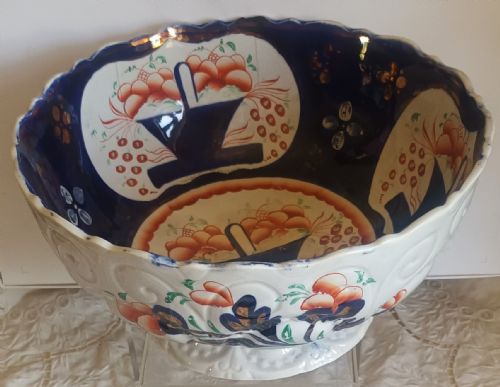
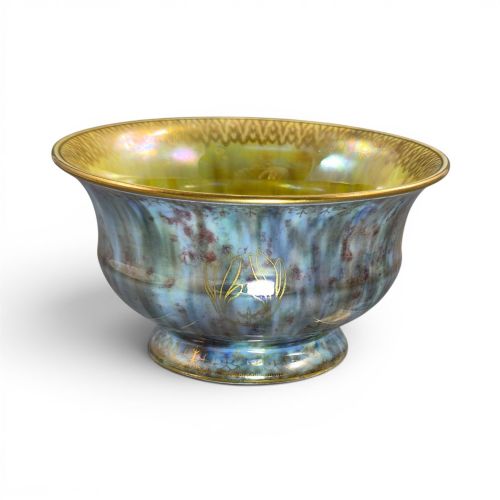
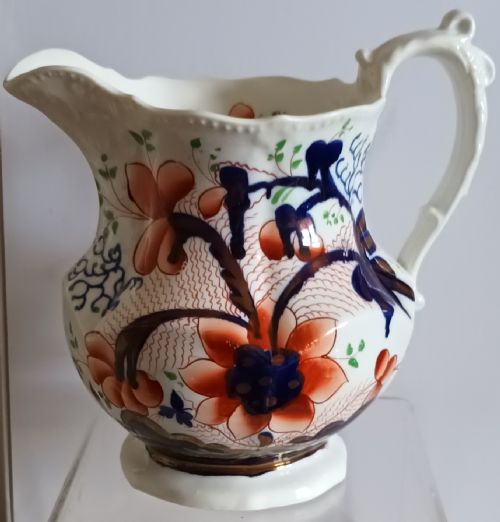
When you search for blue lustre ceramic, you encounter pieces that range from nineteenth-century Gaudy Welsh ironstone jugs and basins to twentieth-century decorative bowls and vases. The nineteenth-century examples often display traditional patterns such as Bethesda, Grape, Pagoda, and Harlech on sturdy earthenware forms including footed bowls and teapots. These sit alongside the striking work of later designers, most notably the intricate fairytale and dragon motifs created during the Edwardian period and the 1920s.
You are most likely to meet two main streams on this page: the folk-inflected wares of nineteenth-century Welsh-market potteries and the elaborate, imaginative creations of the early twentieth century. The Victorian pieces utilise bold cobalt blue underglazes paired with copper lustre and enamel highlights on utilitarian forms like toilet basins and jugs. Conversely, the twentieth-century items lean towards fantastical ornamentation, featuring hand-enamelled designs and gold leaf applied over rich glaze grounds.
The assortment bridges domestic utility and pure display, moving from simple cream jugs to octagonal bowls and baluster vases. Georgian and Victorian pieces emphasise regional patterns on ironstone and pottery, while the later items showcase specialised studio and factory production. Together, they demonstrate how ceramicists exploited metallic salt glazes to achieve shimmering surfaces across multiple design movements, including Victorian, Art Nouveau, and Art Deco styles.
Materials and production methods
The foundation of these objects rests on bodies of earthenware, bone china, ironstone, or porcelain, which were shaped into vessels such as vases, teapots, and basins. Potters applied an initial glaze and fired the piece to create a smooth vitreous base ready for surface decoration. Patterns were often hand-painted using bright enamels, incorporating cobalt blue and various pigments before subsequent firings fixed the colours.
The characteristic metallic sheen comes from the application of lustre glaze or copper lustre techniques, sometimes enhanced with gold leaf. This process involved introducing metallic oxides or salts into the kiln during a reduction firing, causing a thin, iridescent metallic film to deposit on the ceramic surface. The resulting optical effect creates the shifting rainbow or monochromatic glow that defines the category.
Many pieces feature imaginary creatures like dragons and griffins, proving that Edwardian kiln workers possessed remarkably vivid imaginations.
Judging quality in blue lustre ceramic
Quality reveals itself in the precision of the hand-painting and the depth of the iridescent glaze finish. Finer pieces display crisp lines in complex patterns, such as detailed pagoda scenes or intricate dragon motifs, without messy pigment bleed. The lustre layer should show a rich, even play of light rather than a flat, dull metallic coating.
The complexity and ambition of the design separate standard production from masterworks. Highly detailed figurative or mythical scenes executed with multiple enamel layers and gold leaf demand superior technical control in the kiln. Well-potted ceramic bodies with balanced proportions provide the necessary structural canvas for these elaborate surface treatments.
Wedgwood·Minton·Maling·Clement Massier
The Blue Lustre Ceramic Glossary
- Lustre glaze
- A type of ceramic glaze containing metallic oxides that produce an iridescent, reflective surface when fired in a reduced oxygen atmosphere. This technique creates the shimmering optical effects seen on nineteenth and twentieth-century decorative wares.
- Gaudy Welsh
- A style of colourful, hand-painted pottery produced in the nineteenth century primarily for the Welsh market, typically featuring cobalt blue, copper lustre, and iron red on ironstone or earthenware.
- Ironstone
- A dense, durable type of earthenware patented in the nineteenth century that mimics porcelain. It served as a sturdy body for printed and hand-enamelled domestic wares.
- Fairyland lustre
- A specialised line of decorative porcelain wares developed in the early twentieth century featuring fantastical, highly detailed mythical designs. These pieces often incorporate rich colour grounds and extensive gilding.
- Baluster vase
- A decorative vessel shaped with a rounded lower body that tapers into a narrower neck, resembling an architectural baluster. This form frequently highlights vertical patterns and wrap-around glaze designs.
Blue Lustre Ceramic: Frequently Asked Questions
What is blue lustre ceramic?
Blue lustre ceramic encompasses pottery and porcelain finished with an iridescent metallic glaze over a blue ground or cobalt underglaze decoration. These pieces range from nineteenth-century utilitarian ironstone to twentieth-century art pottery.
The category highlights how artisans used metallic oxides in kiln firings to produce shimmering, light-catching surfaces that transform simple earthenware into decorative statements.
How do I date a lustre bowl?
Dating relies on identifying the underlying ceramic body, the stylistic cues of the painted pattern, and any factory marks stamped on the base. Victorian pieces often use ironstone with regional patterns, while twentieth-century examples lean towards stylized art pottery.
Comparing the motifs to known design periods, such as Art Nouveau or Art Deco, helps narrow the production era alongside potter's marks and glaze signatures.
Were these pieces used daily?
Many nineteenth-century items, such as jugs, basins, and teapots, served functional roles in domestic households before becoming decorative cabinet pieces. Utilitarian earthenware needed to withstand regular handling while maintaining its visual appeal.
Later twentieth-century creations, particularly elaborate art bowls and baluster vases, were designed primarily for display and interior ornamentation rather than kitchen use.
How should I clean my lustre pottery?
Cleaning requires gentle dusting with a soft, dry cloth to remove surface particles without abrasive contact. Avoid harsh chemical cleaners or scrubbing, which can damage the delicate metallic film of the lustre glaze.
Immersing older earthenware in water for extended periods should also be avoided to protect the underlying ceramic body and historic enamel pigments.