
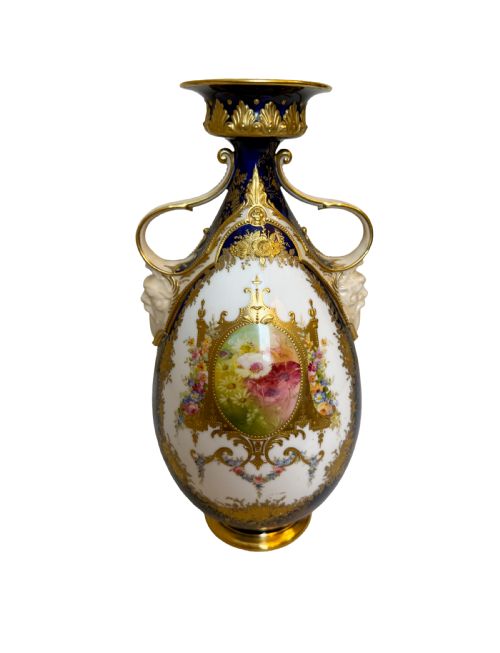
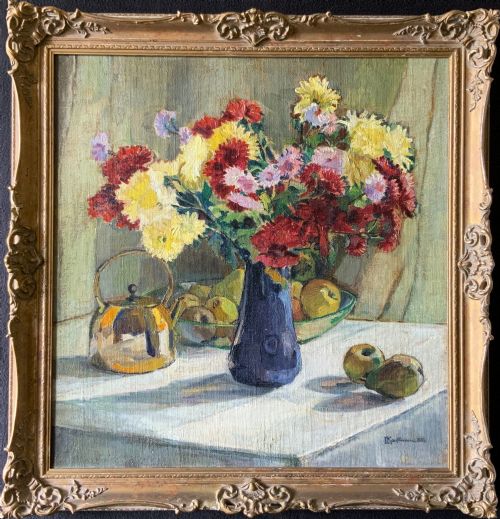
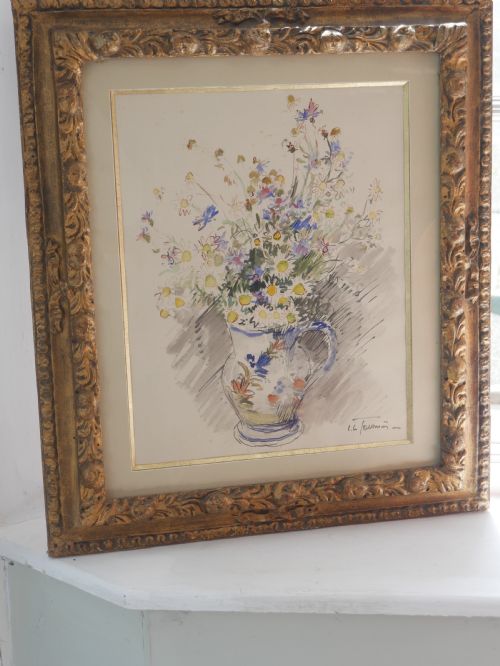


Blue Gold Floral Vase
A blue gold floral vase brings rich cobalt and gilt brilliance together into striking decorative vessels from the nineteenth and twentieth centuries.
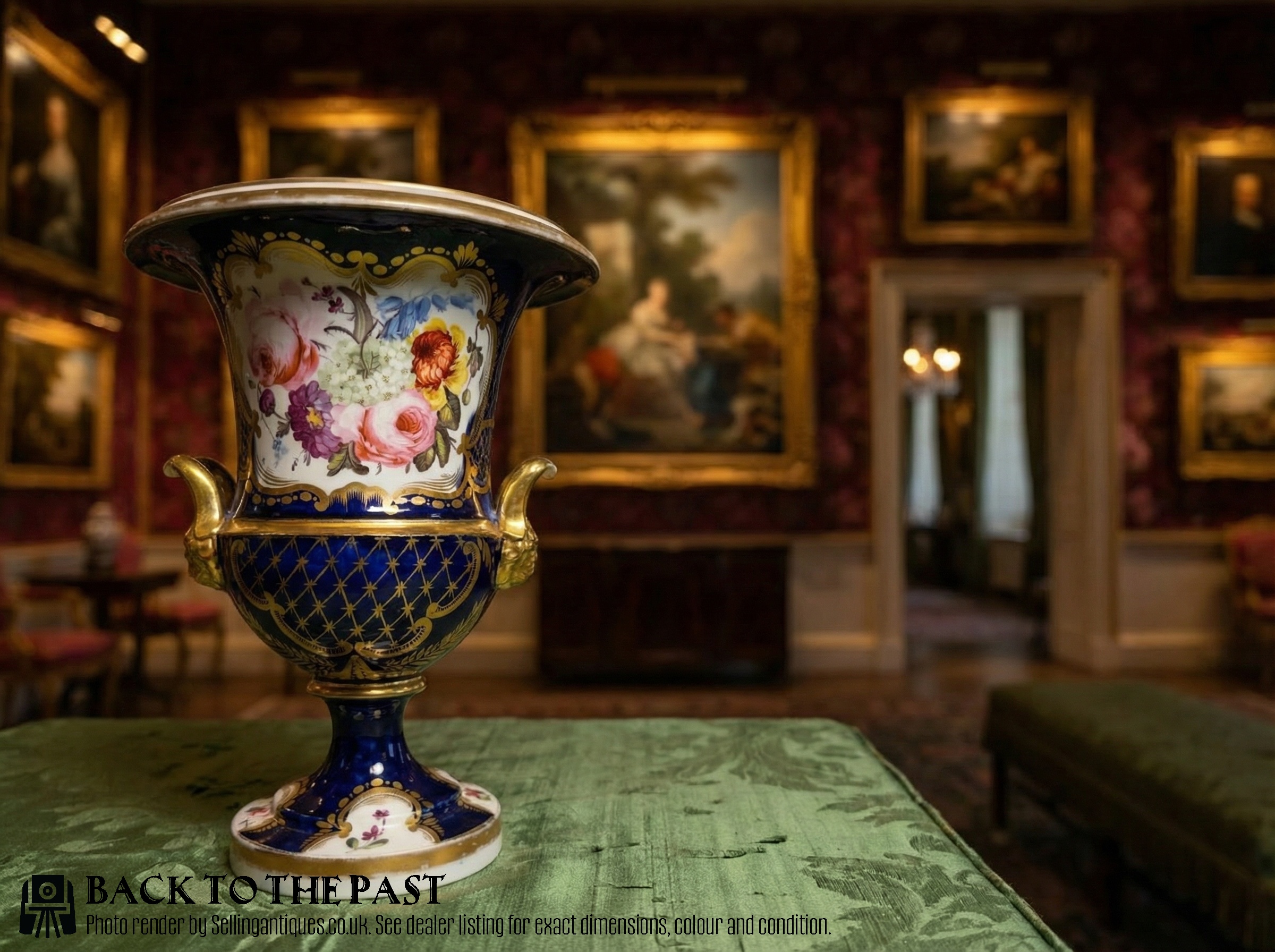
Blue Gold Floral Vase
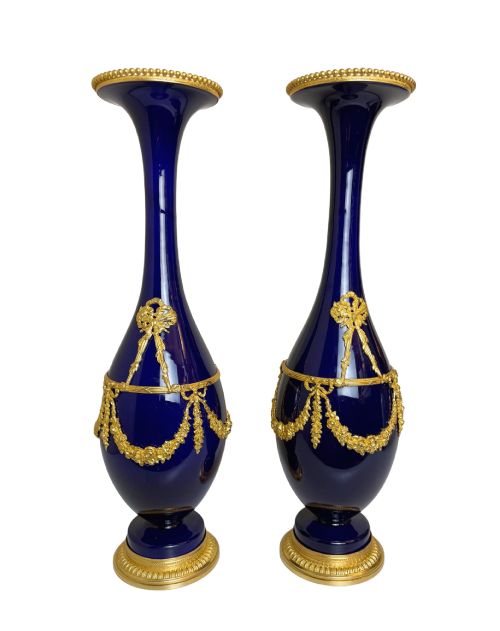
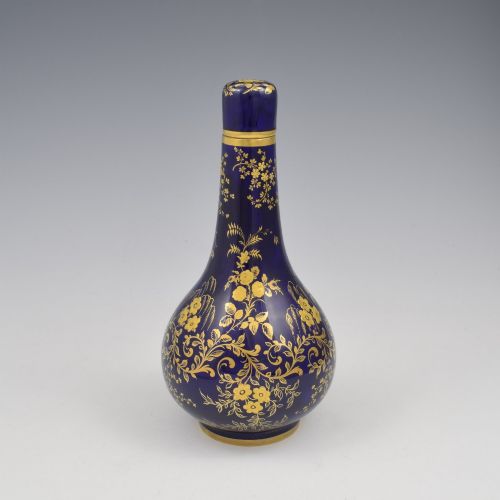
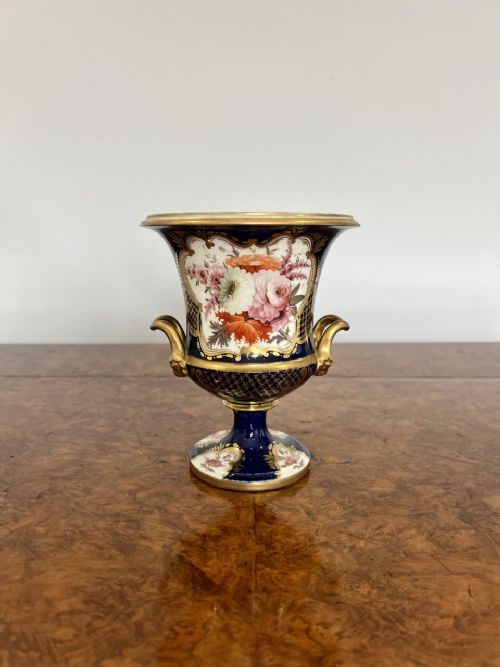
When searching for a blue gold floral vase, collectors encounter an array of ceramic vessels spanning the nineteenth and twentieth centuries, including Campagna urns, bottle vases, and wide-rim vessels. The pieces uniting these aesthetics often feature deep blue grounds paired with rich gilding and painted floral motifs.
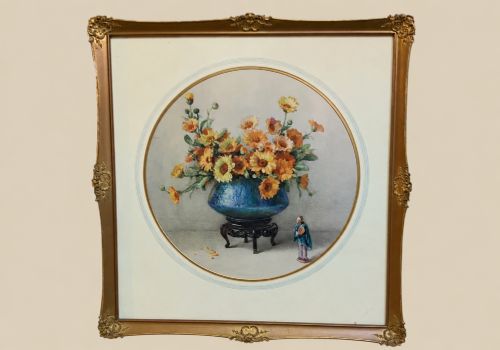
Porcelain and bone china dominate the forms, frequently enriched with gilt bronze mounts or intricate enamel decoration. Alongside ceramic vases, the wider selection embraces related floral themes captured in oil paintings and watercolours.

Materials and manufacture
Makers utilised fine porcelain, bone china, and stoneware as foundations, applying deep cobalt blue underglazes and vivid enamel colours. Artisans then integrated gold leaf, gilding, and gilt bronze trim to highlight handles, rims, and botanical patterns.
Techniques ranged from delicate hand-painted floral vignettes to specialised patent stoneware applications, reflecting both British and continental European ceramic traditions.
Listings span periods from the Georgian era through the 1950s, featuring porcelain, stoneware, oil paint, and wood.
Judging quality in blue gold floral vase examples
Excellence rests in the crispness of the hand-painted floral detailing and the purity of the gilt application against the blue ground. Superior pieces display harmonious proportions, secure bronze mounts, and well-preserved enamel work without rubbing.
The distinction between standard production wares and exceptional decorative items lies in the dexterity of the brushwork and the depth of the porcelain body.
Royal Doulton·Spode·Coalport·Ernst Wahliss·Minton
The Blue Gold Floral Vase Glossary
- Gilding
- The application of gold leaf or gold powder to ceramic surfaces, bronze mounts, and rims. This technique adds lustrous highlights to the deep blue bodies.
- Enamel
- Vitreous coloured glass fused to ceramic or metal surfaces through firing. It provides vibrant, durable tones for painted floral decoration.
- Bone china
- A type of soft-paste porcelain incorporating animal bone ash. It produces a strong, translucent ceramic body favoured by major British potteries.
Blue Gold Floral Vase: Frequently Asked Questions
How do I clean an antique ceramic vase?
Dust gently with a soft, dry cloth to protect delicate gilt highlights and enamel decoration from abrasion.
Avoid immersing antique ceramic pieces in water, particularly those with applied gold leaf or bronze mounts.
Where were these porcelain vessels made?
The selection includes notable works from British potteries alongside continental European pieces originating in France and Austria.
Each region brought distinct stylistic traditions, from classic Empire designs to intricate floral hand-painting.
How can I tell the period of a vase?
Examine the base for maker marks, registration numbers, and specific paste characteristics that correspond to nineteenth or twentieth-century production.
Stylistic cues such as gilt bronze mounts and shape silhouettes also point to specific eras like the Georgian or Art Nouveau periods.
Can I use these vases for fresh flowers?
Most antique decorative vases function best as standalone ornamental objects rather than water-holding vessels.
Seams, historic repairs, or delicate interior glazes can be compromised by moisture and prolonged contact with water.