


Blue Glazed Earthenware Pot
A blue glazed earthenware pot brings centuries of pigment and shaped clay into domestic space.
Blue Glazed Earthenware Pot
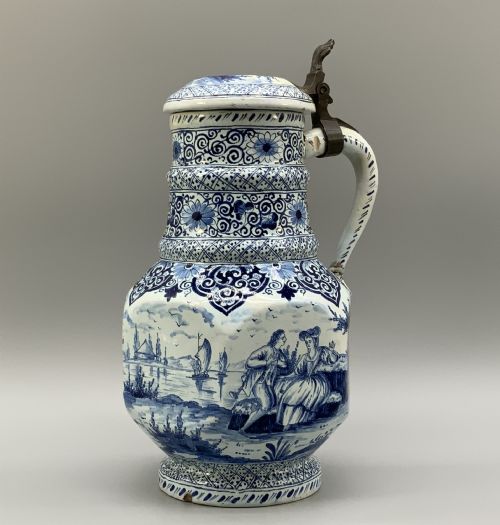
When you search for a blue glazed earthenware pot, you encounter vessels shaped for medicine, tea, flowers, and display from European workshops.
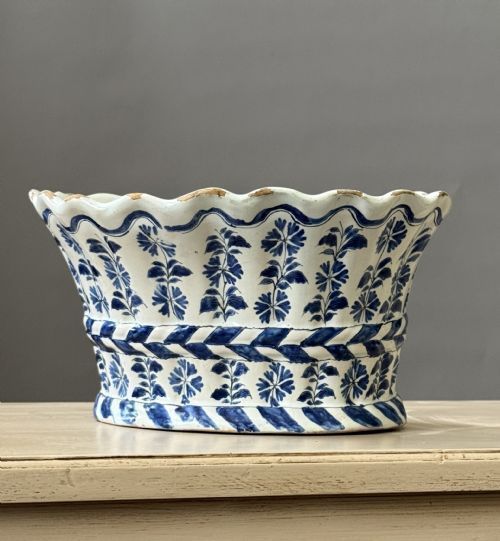
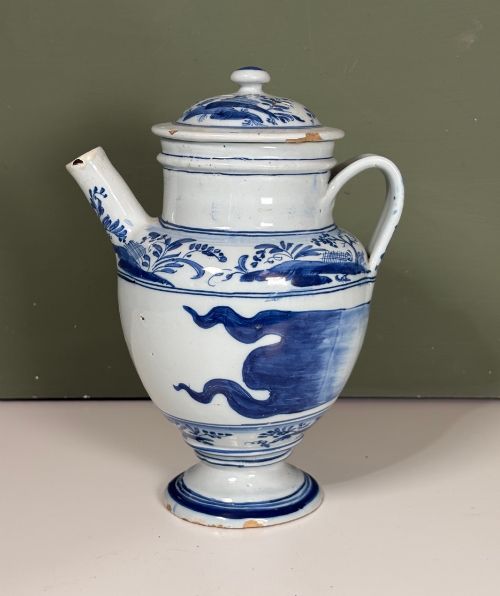
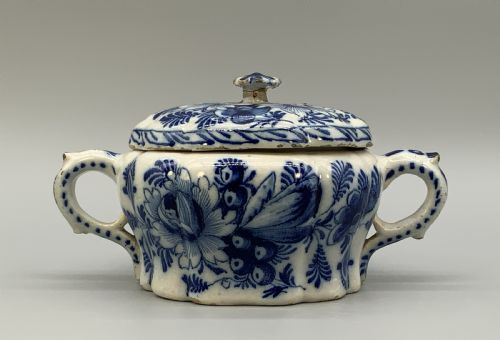
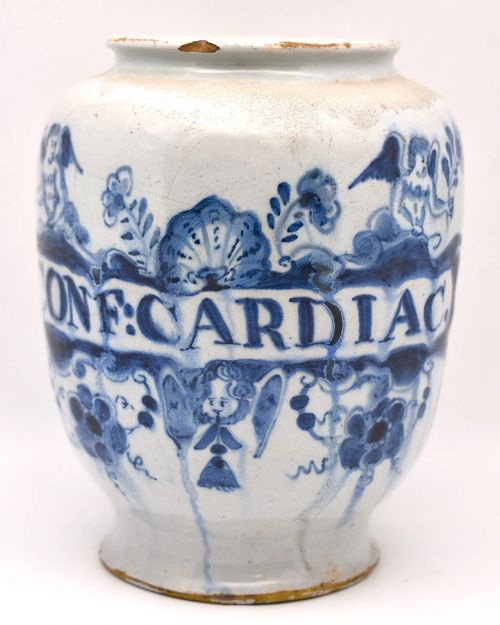
The domestic forms on this page include apothecary jars, drug jars, jardinieres, posset pots, bough pots, and teapots spanning several centuries.
The origin spans English, Dutch, French, and Italian kilns, predominantly rendered in tin-glazed earthenware and majolica with cobalt pigment.
Materials and Technique
Potters formed bodies from earthenware and ceramic, applying tin glaze or lead glaze to create a white or tinted opaque ground for decoration.
Cobalt pigment provides the characteristic blue coloration, brushed onto the raw glaze before high-temperature firing locked the design beneath the glass surface.
One nineteenth-century teapot depicts a Chinese boy riding a melon.
Assessing Quality
Quality rests in the confidence of the brushwork and the purity of the cobalt pigment against the tin glaze ground.
Heavier potting, refined proportion, and historical integrity of lids and mounts distinguish the finer examples from standard production wares.
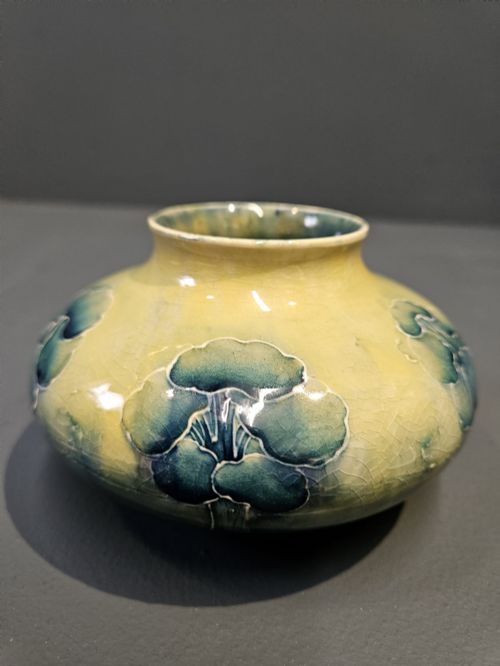
Moorcroft Hazeldene·Doulton Burslem·Doulton Lambeth·Royal Doulton·Minton·Enoch Wood And Sons·Royal Worcester·George Jones·Joseph Holdcroft
The Blue Glazed Earthenware Pot Glossary
- Tin-Glazed Earthenware
- Earthenware coated with a glaze containing tin oxide, which fires to an opaque white surface suitable for painted decoration. This technique defines Dutch delftware and English faience.
- Albarello
- A cylindrical pharmacy jar designed to hold dry or wet drugs, often featuring a waisted centre for grip. These originated in the Middle East and became staple forms in Italian and European potteries.
- Posset Pot
- A multi-handled vessel used for serving a traditional hot drink of spiced and curdled milk mixed with wine or ale. Surviving examples often retain matching lids.
- Bough Pot
- A vessel pierced or designed to hold cut branches and floral displays for interior decoration. They appear frequently in eighteenth-century Dutch and English ceramics.
- Majolica
- Tin-glazed earthenware decorated with coloured pigments on an opaque white glaze, developed extensively in Italy and later revived during the Victorian period.
Blue Glazed Earthenware Pot: Frequently Asked Questions
What were apothecary jars used for?
Apothecary and drug jars held medicinal herbs, ointments, and syrups in dispensaries and pharmacies before mass-produced packaging existed.
Their distinct labels ensured apothecaries could identify contents quickly during compounding.
How do I care for antique earthenware?
Display these pots away from direct sunlight and dramatic humidity shifts to protect the historic glaze layers.
Dust them gently with a dry cloth and avoid washing pieces with hairline fractures or porous bodies.
What is the difference between delft and majolica?
Delft generally refers to tin-glazed earthenware produced in the Netherlands and England, typically featuring blue and white painting inspired by imported porcelain.
Majolica encompasses tin-glazed wares originating in Italy as well as the richly coloured Victorian lead-glazed earthenware produced by nineteenth-century factories.
Can I use a jardiniere for planting?
Jardinieres were built to house potted plants indoors, protecting tabletops from water drainage.
Using a modern plastic liner inside historical pots prevents moisture from seeping into aged ceramic bodies.