

Blue Glazed Ceramic Vessel
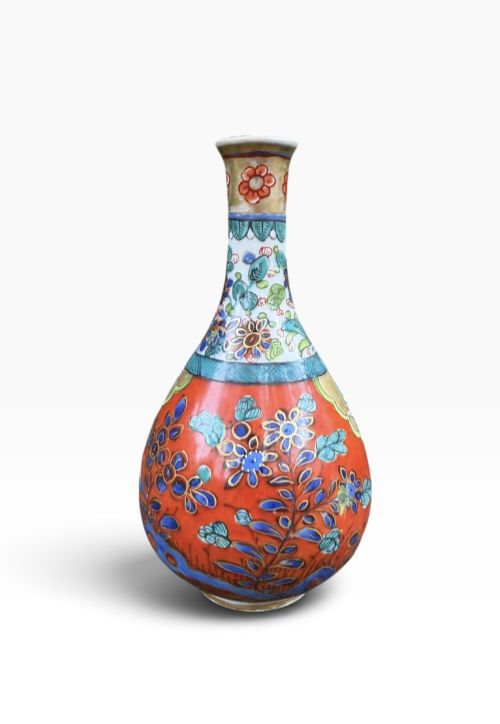
A blue glazed ceramic vessel brings depth and fluid colour to a room, ranging from early Delft apothecary jars to precise Chinese porcelain.
Blue Glazed Ceramic Vessel
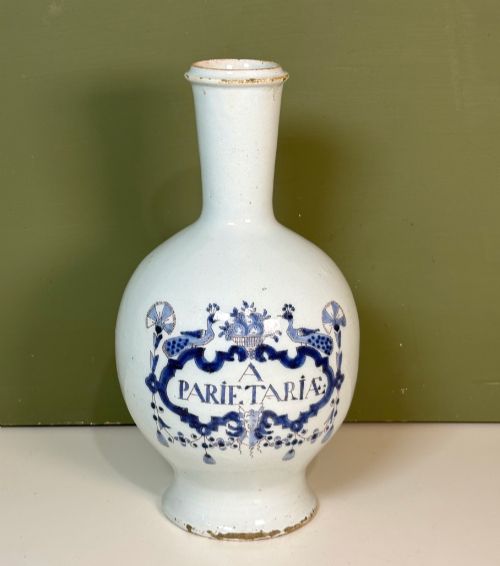
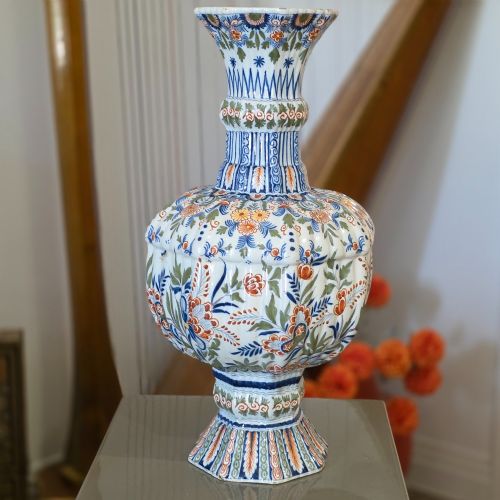
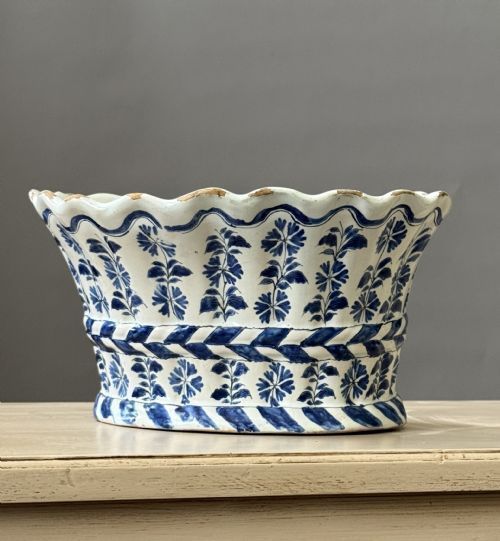
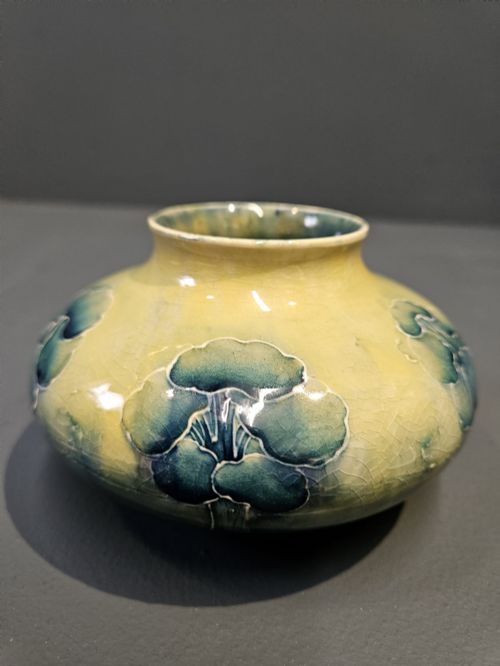
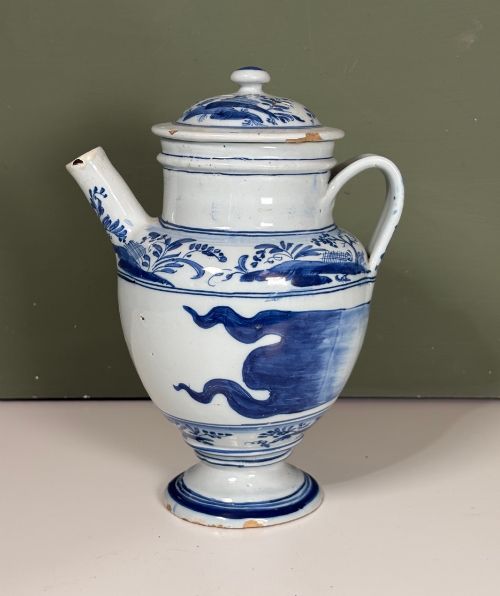
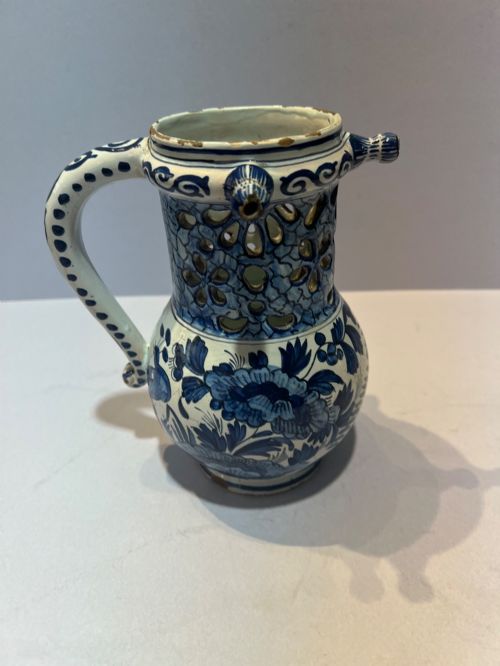
A blue glazed ceramic vessel spans centuries of domestic and medicinal utility, encompassing apothecary jars, storage vessels, and decorative vases. Examples stretch from seventeenth-century English and Dutch Delftware to nineteenth-century British art pottery and Asian porcelain.
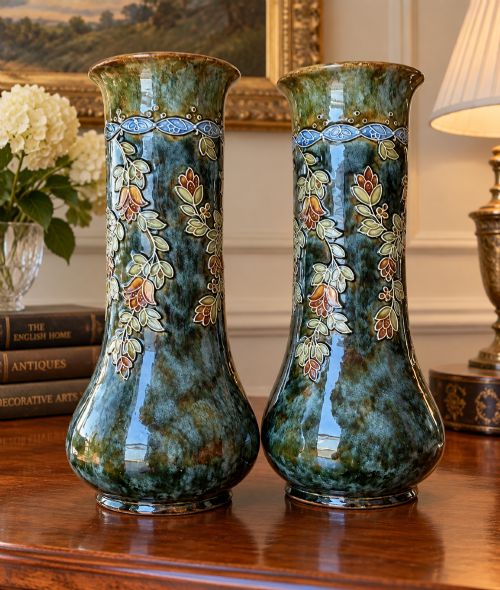
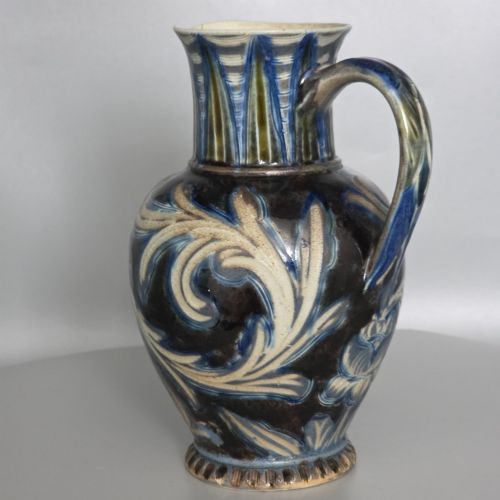
The selections on this page concentrate heavily on historic European delftware, salt-glazed German stoneware jugs, and robust Victorian art pottery. Buyers encounter everything from tall umbrella stands to small wet drug jars displaying cobalt decoration.
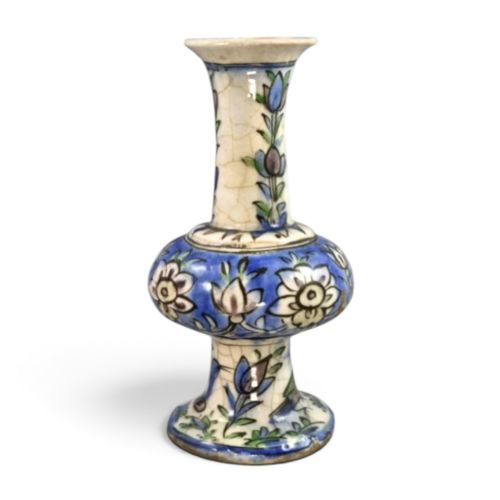
Vessels also originate from Persian workshops, Chinese imperial kilns, and Japanese studios. Each regional tradition applies blue glaze differently, shifting from soft powdered hues to deep cobalt washes over earthenware or stoneware bodies.
Materials and Technique
Potters shape these pieces using ceramic bodies composed of earthenware, stoneware, or porcelain. Tin glaze provides an opaque white surface that accepts cobalt blue pigments directly before a final protective firing.
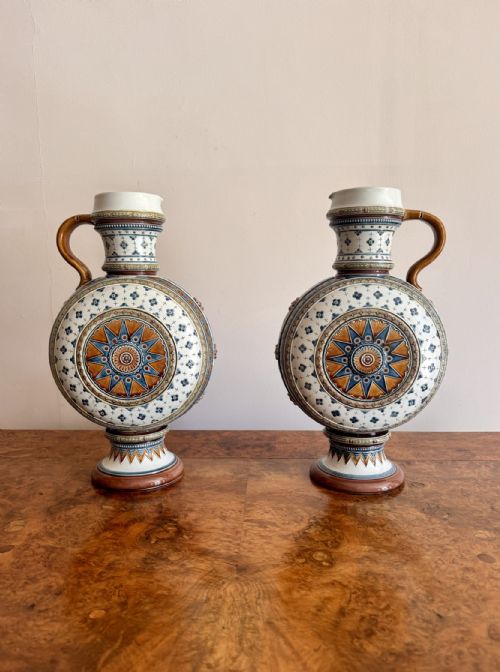
Salt glazing imparts a pitted, orange-peel texture onto German stoneware vessels during high-temperature kiln firings. Artisans often enhance forms through incised floral motifs, applied figures, or silver mounts fitted to rims and bases.
Blue Glazed Ceramic Vessel Retail Price Guide 2026
Typical asking prices for blue glazed ceramic vessel among the pieces listed under this phrase on Sellingantiques today, from the lower quarter to the upper quarter. They describe what is for sale here now, not the wider market.
Materials span raw terracotta, salt-glazed stoneware, and fine Chinese porcelain.
Evaluating Execution
Quality rests upon the crispness of the painted or incised decoration and the stability of the glaze. Stronger examples display confident brushwork and balanced proportions rather than muddy cobalt bleeding or uneven kiln cooling.
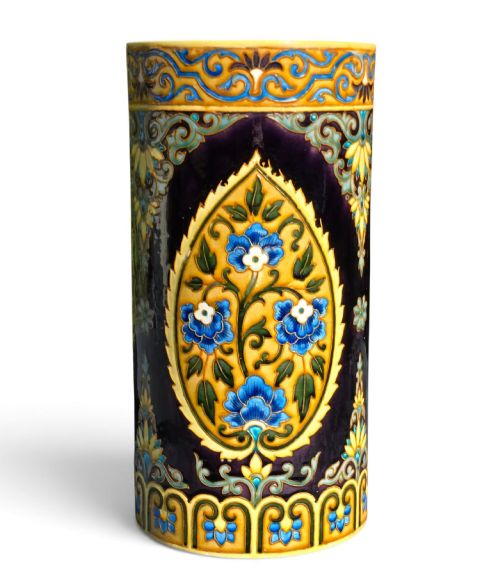
Maker attribution and factory marks elevate certain stonewares and faience pieces above standard utilitarian wares. Studio pieces benefit from detailed hand-modelling, clean throwing lines, and well-preserved decorative surfaces.
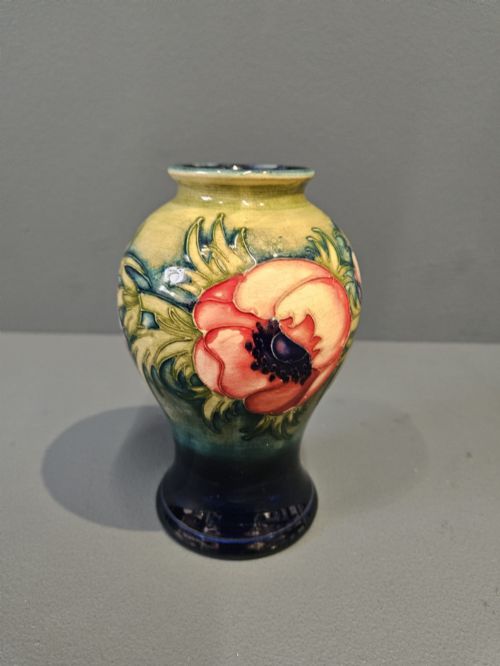
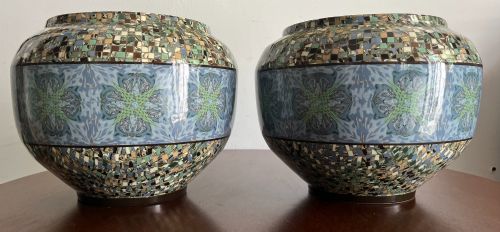
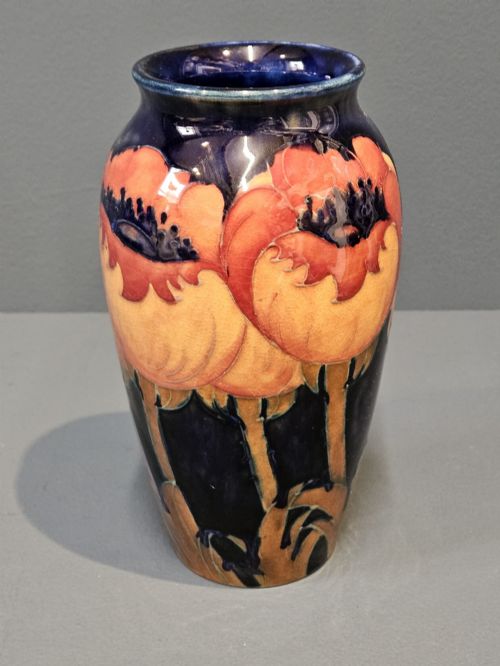
Royal Doulton Lambeth·Théodore Deck·Moorcroft·Wileman Intarsio·Carlton Ware
The Blue Glazed Ceramic Vessel Glossary
- Albarello
- A cylindrical pharmacy jar designed to hold dry drugs or ointments. Originating in the Middle East, this form became a staple of Italian and European majolica production.
- Delftware
- Tin-glazed earthenware produced in the Netherlands and England. The technique imitates Chinese blue and white porcelain using an opaque white lead and tin glaze.
- Stoneware
- A heavy, dense ceramic fired at high temperatures until vitrified. This body is impermeable to liquids even without a glaze, though salt glazes are common.
- Posset pot
- A spouted vessel used for serving a traditional hot drink made of curdled milk mixed with wine or ale. These often feature multiple handles and fitted lids.
- Faience
- European tin-glazed earthenware produced across France, Italy, and other regions. The term encompasses various decorative styles influenced by Majolica and oriental imports.
Blue Glazed Ceramic Vessel: Frequently Asked Questions
What is a blue glazed ceramic vessel?
It is a broad category of fired clay objects coated in a blue-pigmented or cobalt glaze. These items range from utilitarian pharmaceutical containers to purely decorative mantel vases.
Potters across Europe and Asia produced these pieces for daily use or display, employing techniques like tin glazing and salt glazing to achieve their distinctive surfaces.
How were apothecary jars used?
Apothecary jars stored dry herbs, medicinal syrups, and ointments in historic pharmacies and dispensaries. Their painted labels informed the apothecary of the contents within.
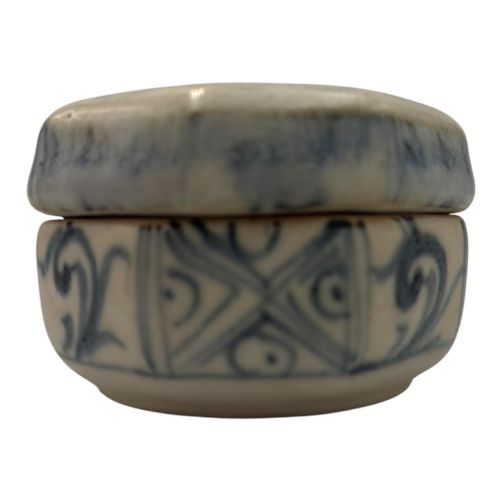
Wet drug jars featured spouts or wider mouths for liquids, while covered boxes and albarelli held solid compounds protected from moisture.
How do I care for historic ceramics?
Keep these vessels away from direct sunlight and areas subject to rapid temperature fluctuations. Dust them gently with a soft, dry cloth rather than using liquid cleaners.
Avoid submerging porous earthenwares or pieces with historic metal mounts in water, as moisture can damage old clay bodies and corrode mounts.
How can I tell periods apart?
Distinguishing periods relies on observing clay bodies, glaze characteristics, and decorative motifs. Early pieces often show heavy potting and tin glazes, while later Victorian works display precise incised ornament.
Factory marks, artist monograms, and stylistic cues like Art Nouveau curves or Dutch Baroque forms also help narrow down the date of manufacture.