





Antique Persian Pottery
Antique persian pottery brings centuries of Middle Eastern artistry into the room, offering collectors rich glazes and historical depth.
Antique Persian Pottery
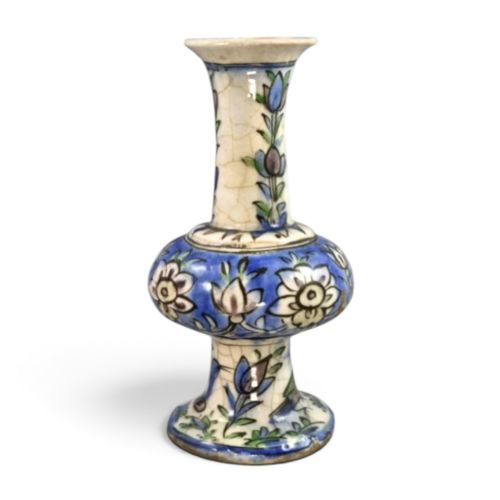
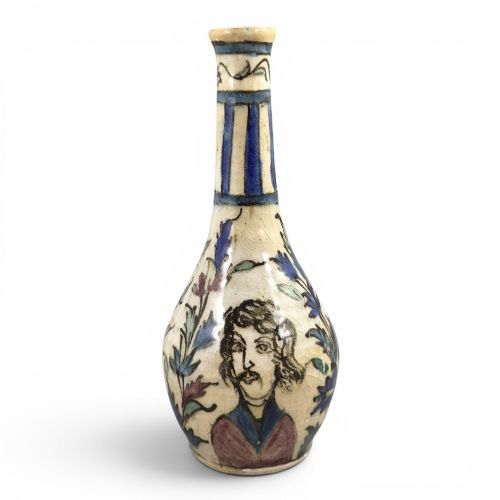
When you search for antique persian pottery, you are looking at centuries of ceramic tradition spanning early medieval bowls to later Qajar and Safavid vessels. The pieces on this page range from early Islamic earthenware to intricate nineteenth-century glazed ceramic vases.
You are most likely to meet forms such as decorative bowls, bottle vases, pitchers, wall plaques, and architectural tiles. These objects demonstrate the diverse utilitarian and decorative output of Persian workshops across different historical periods.
The material evidence extends from pre-sixteenth century pieces up to late nineteenth-century interpretations, including British responses influenced by Persian aesthetics. Collectors encounter both excavated archaeological items and preserved decorative household works.
Materials and production methods
Potters utilised earthenware, fritware, and slip-painted bodies to form the structural foundation of these vessels and tiles. Fritware, or stonepaste, allowed makers to achieve finer details and thinner walls than standard clay bodies.
Surfaces were finished with glazes, tin glaze, and occasional gold leaf to create luminous sheens and vibrant colour. Underglaze-painting and lustre techniques required immense kiln control to fix metallic oxides and pigments successfully onto the ceramic body.
Antique Persian Pottery Retail Price Guide 2026
Typical asking prices for persian pottery among the pieces listed under this phrase on Sellingantiques today, from the lower quarter to the upper quarter. They describe what is for sale here now, not the wider market.
The listings span from pre-sixteenth century Nishapur and Kashan pieces through to seventeenth-century Safavid wares and nineteenth-century Qajar examples.
Assessing quality in the collection
Quality separates ordinary utilitarian ware from exceptional artistic achievement through the precision of the brushwork and the stability of the glaze. Finer pieces display confident figurative painting, legible script, and well-preserved lustre effects.
The sophistication of the ceramic body also dictates value, with finely potted fritware requiring greater technical skill than thick earthenware. Condition plays a role, though age-related kiln stilt marks and historical surface wear often accompany genuine antiquity.
Thomas Allen Design·Doulton Burslem·Wedgwood
The Antique Persian Pottery Glossary
- Fritware
- A ceramic body composed of quartz, glass frit, and white clay. This mixture allowed potters to create delicate vessels with bright white surfaces.
- Lustre
- A metallic glaze technique that imparts a shimmering, iridescent sheen to the ceramic surface. Artisans fired metal oxides in a reducing atmosphere to achieve this optical effect.
- Slip
- Liquid clay applied to the surface of a vessel before firing to alter the colour or provide a smooth ground for painted decoration. Nishapur buffware frequently utilises slip-painting techniques.
- Qajar
- Pertaining to the Iranian dynasty ruling from the late eighteenth to the early twentieth century. Ceramics from this period often feature vibrant polychrome portraits and floral motifs.
- Safavid
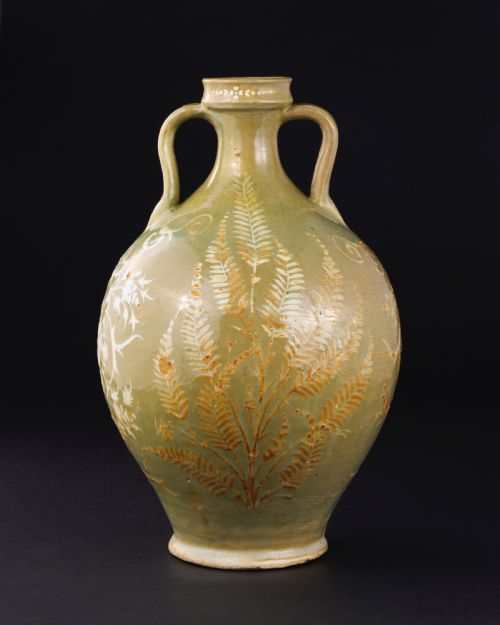
- Pertaining to the ruling dynasty of Iran from the sixteenth to the eighteenth century. This era produced sophisticated underglaze-painted pottery and large celadon-influenced vases.
Antique Persian Pottery: Frequently Asked Questions
How do I care for antique persian pottery?
Keep these fragile ceramics away from direct sunlight and areas prone to high humidity to protect vulnerable glazes and fritware bodies.
Dust them gently with a soft, dry brush and avoid using water or chemical cleaning agents on porous or excavated surfaces.
How were these vessels used historically?
Many ceramic bowls and pitchers served practical dining or serving functions within Persian households before entering collections.
Tiles and wall plaques fulfilled architectural roles, decorating religious buildings, palaces, and private residences with inscriptions and geometric designs.
What is lustre glaze?
Lustre is an overglaze technique involving metallic compounds that create a reflective, iridescent finish resembling gold or copper.
Potters applied this method to create sophisticated decorative bowls and vases that caught the light in dim interiors.