


Blue Glazed Cachepot
These blue glazed cachepot pieces are decorative indoor plant vessels defined by rich ceramic glazes, built to hold potted flora in style.
Blue Glazed Cachepot
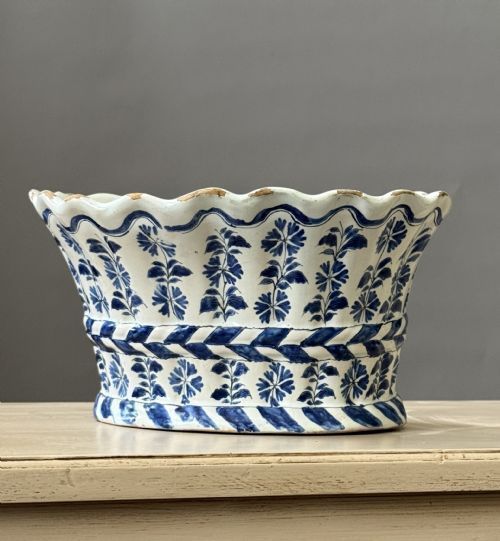
When you search for a blue glazed cachepot, you are looking at decorative indoor plant vessels that range from 18th Century Delftware and Nevers faience to Victorian, Arts and Crafts, and Edwardian earthenware and stoneware. The items grouped under this search span jardiniere planters, bough pots, and pot a orange vessels.
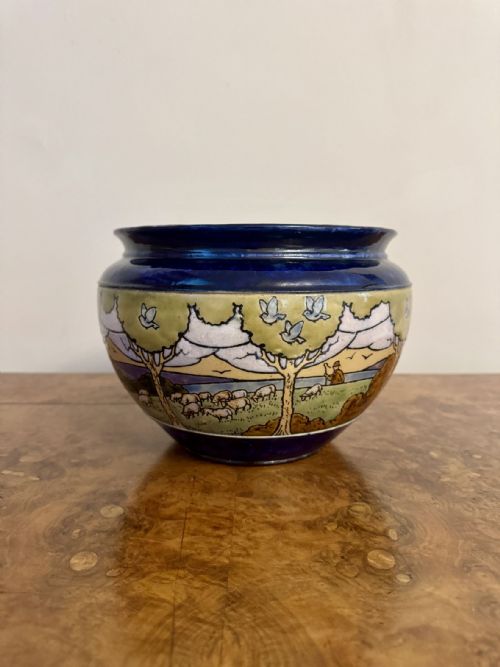
The version you are most likely to meet on this page is a Victorian or early 20th Century jardiniere, frequently produced by makers such as Royal Doulton, Doulton Lambeth, and Minton in stoneware, earthenware, and majolica. These pieces bring historical potting traditions directly into modern interior spaces.
How they were made
The pieces listed on this page rely on ceramic, earthenware, and stoneware bodies shaped into planters and jardinieres. Artisans applied tin glazes, salt glazes, and standard ceramic glazes to seal the vessels and provide the characteristic blue colouration seen across the inventory.
Techniques range from early hand-painted delftware and faience production to later Victorian industrial studio pottery methods, including Slaterware textures and majolica moulding as demonstrated by Royal Worcester and Minton.
At least one historical vessel on this page was specifically designed to house citrus trees, earning the delightful title of pot a orange.
What varies in quality
Quality in these vessels rests upon the crispness of the moulded or thrown form, the depth and consistency of the blue glaze, and the provenance indicated by factory marks. Pieces by named makers like Royal Doulton, Doulton Burslem, or Royal Worcester often demonstrate superior control over decorative glazes and surface detailing.
Earlier 18th Century examples such as Delft bough pots and Nevers faience derive their distinction from historical rarity and hand-painted artistry, whereas later Victorian and Edwardian items are judged on the precision of their salt glaze, majolica, or Slaterware application.
Royal Doulton·Doulton Burslem·Doulton Lambeth·Minton·Royal Worcester
The Blue Glazed Cachepot Glossary
- Cachepot
- An ornamental container used to hold a flowerpot and conceal it. These vessels are typically glazed internally and externally.
- Jardiniere
- A large ornamental pot or stand for plants and flowers. Most examples recorded in this inventory take this specific form.
- Delftware
- Tin-glazed earthenware originating from the Netherlands or England, often decorated in blue. The 18th Century bough pots on this page represent this tradition.
- Majolica
- A type of earthenware decorated with opaque coloured glazes, popular during the 19th Century. Minton and Royal Worcester produced notable examples of this style.
- Slaterware
- A Victorian ceramic technique involving lace or fabric pressed into damp clay before firing. Royal Doulton utilised this method on jardiniere vessels.
Blue Glazed Cachepot: Frequently Asked Questions
What is a blue glazed cachepot used for?
These vessels serve primarily as decorative holders for indoor plants and potted flowers, concealing standard nursery containers while protecting interior surfaces.
Historically, forms like bough pots and pot a orange pieces were also utilised to display cut stems or botanical arrangements within period rooms.
How do I identify an 18th century piece?
Eighteenth century pieces such as Delft bough pots and Nevers faience feature hand-painted blue designs on tin-glazed earthenware bodies, lacking the industrial precision of later Victorian factories.
Examining the glaze composition, potting weight, and hand-painted motifs helps separate these early examples from mass-produced 19th Century and Edwardian items.
What is the difference between a jardiniere and a cachepot?
While both terms describe decorative plant holders, a jardiniere is traditionally a larger standalone vessel designed to sit on furniture or the floor.
A cachepot specifically acts as a cover pot to hide a separate utilitarian plant pot placed directly inside it.
How should I clean a ceramic cachepot?
Careful dusting with a soft, dry cloth preserves the exterior blue glaze and any delicate majolica or salt-glazed surfaces.
Avoid harsh chemical cleaners or submerging antique earthenware in water, as old ceramic bodies can absorb moisture through unglazed areas.