





Blue Glaze Ceramic Plate
A blue glaze ceramic plate brings centuries of tin-glazed earthenware and painted cobalt pigment directly to the table.
Blue Glaze Ceramic Plate
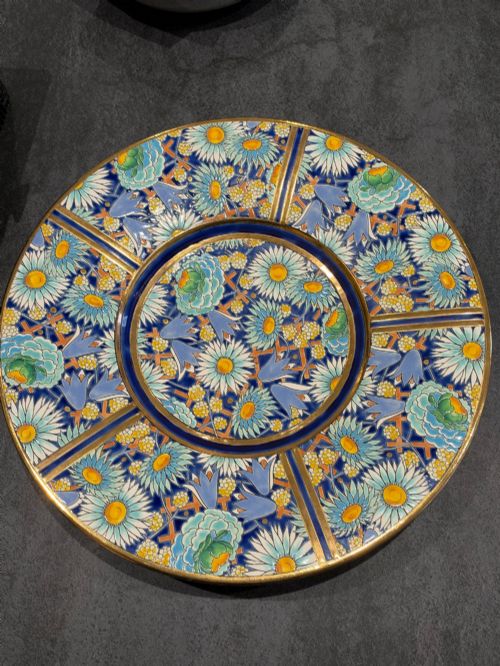
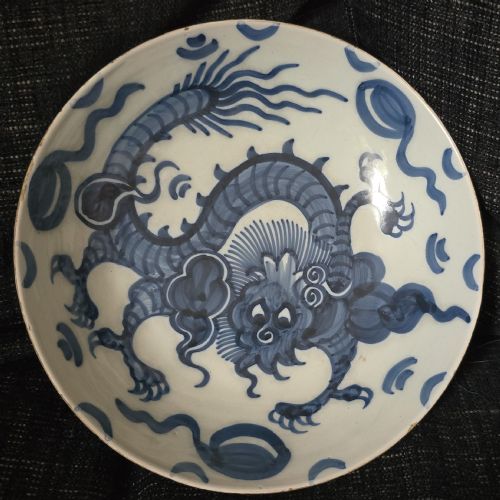
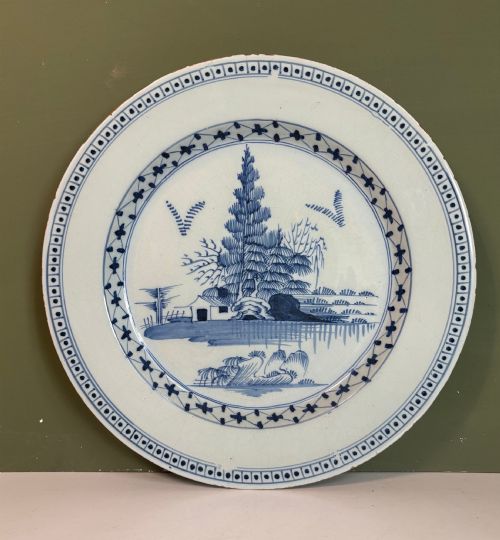
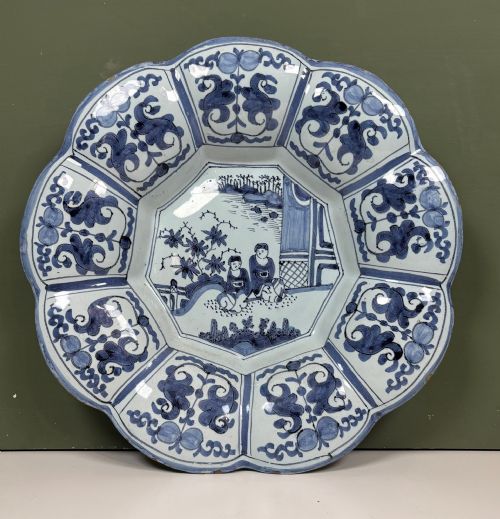
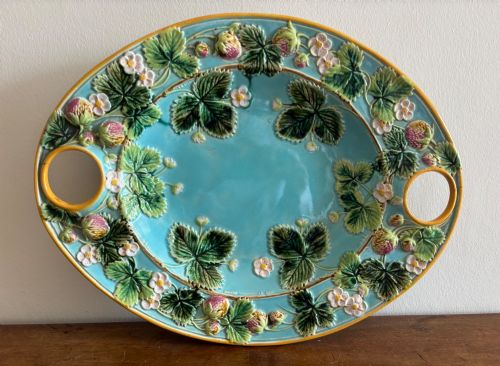
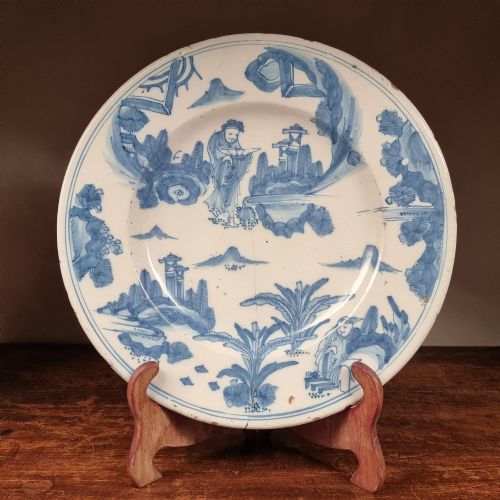
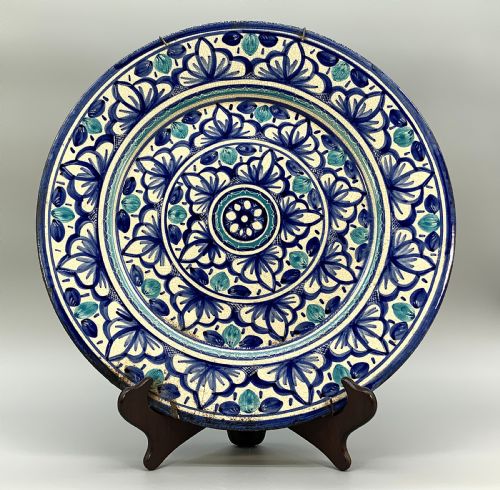
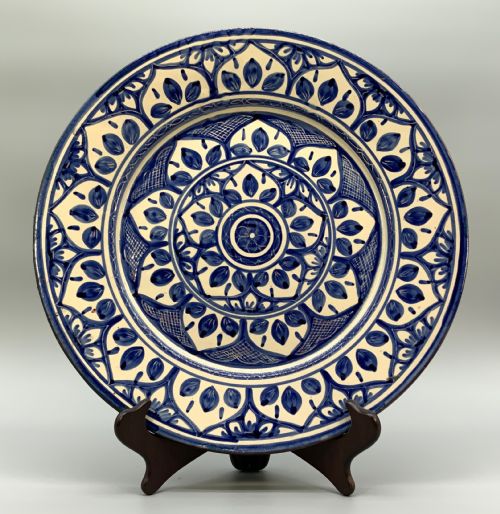
A blue glaze ceramic plate encompasses centuries of decorative chargers, serving dishes, and earthenware plates produced across England, Holland, and continental Europe. Buyers encounter examples ranging from seventeenth-century Dutch Delftware and eighteenth-century English plates to Victorian majolica and Moorish revival chargers.
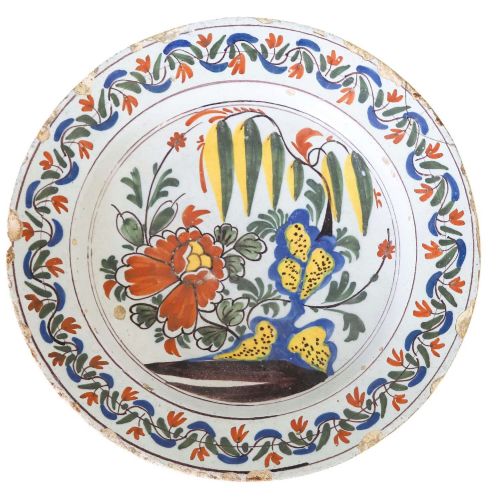
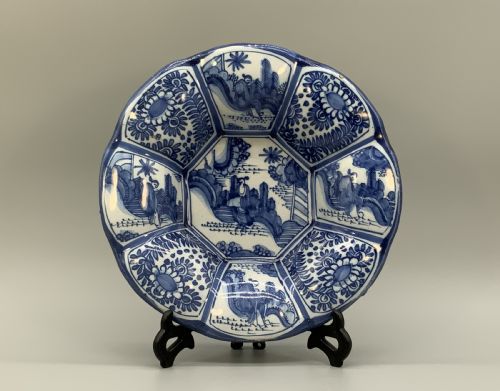
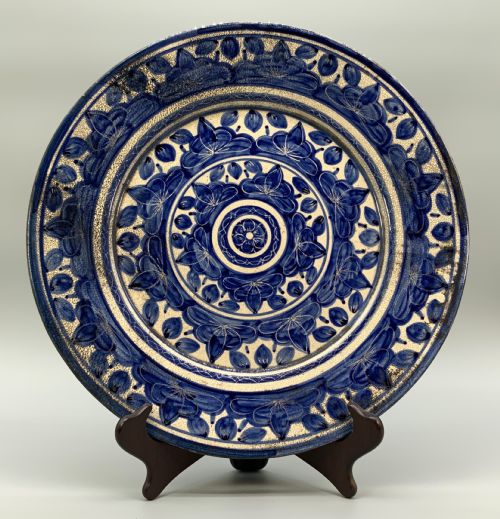
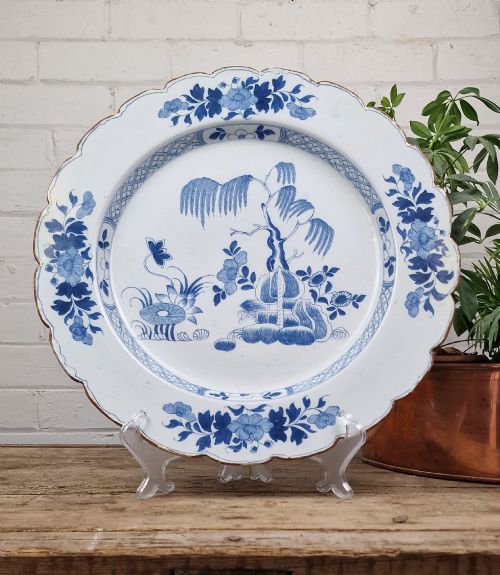
The primary forms on this page include deep chargers, shallow bowls, and lobed dishes designed for display or ceremonial dining. These pieces demonstrate styles spanning Dutch Baroque, Georgian chinoiserie, and classical historical scenes executed in vibrant cobalt and tin glaze.
Materials and technique
Potters utilised earthenware and creamware bodies coated in an opaque tin glaze that provided a smooth, white surface for brushwork. Artisans applied cobalt oxide and enamel pigments directly onto the unfired or absorbent glaze, allowing the colour to sink into the porous layer during kiln firing.
Moulding and throwing formed the heavy circular bodies of chargers and dishes, whilst hand-painting ensured that floral motifs, armorial crests, and Kraak-style patterns remained unique to each vessel.
Blue Glaze Ceramic Plate Retail Price Guide 2026
Typical asking prices for blue glaze ceramic plate among the pieces listed under this phrase on Sellingantiques today, from the lower quarter to the upper quarter. They describe what is for sale here now, not the wider market.
Listings feature earthenware and tin-glazed items spanning the seventeenth to the twentieth century, incorporating Victorian majolica and eighteenth-century Delftware.
Assessing craftsmanship
Quality rests upon the crispness of the cobalt brushwork and the stability of the tin glaze over the earthenware body. Superior examples display confident, fluid hand-painted decoration with minimal pooling or distortion in the surface glaze.
Depth of form and weight also distinguish finer chargers, where large surfaces maintain structural integrity and balanced proportions without excessive warping from the high-heat kiln.
George Jones·Minton·John Ridgway
The Blue Glaze Ceramic Plate Glossary
- Tin-Glaze
- Earthenware covered with a lead glaze made opaque by the addition of tin oxide. This coating creates the characteristic white ground typical of Delftware.
- Charger
- A large decorative or ceremonial plate measuring well beyond standard dining dimensions. These substantial dishes were frequently hung on walls or displayed on dresser shelves.
- Kraak Style
- Chinese export porcelain aesthetic featuring panelled borders and central motifs of natural scenes. European potters widely imitated this decorative layout on earthenware dishes.
- Majolica
- Heavy earthenware coated with a coloured lead glaze, often modelled with relief decoration. Victorian potteries produced vibrant tableware and serving dishes using this technique.
- Polychrome
- Decoration utilising multiple colours alongside standard cobalt blue. Artisans added hues such as green, yellow, and red to floral and pictorial compositions.
Blue Glaze Ceramic Plate: Frequently Asked Questions
What is a blue glaze ceramic plate?
A blue glaze ceramic plate is a tin-glazed or earthenware vessel decorated with cobalt pigment, originating primarily from seventeenth to nineteenth-century European workshops.
These pieces include shallow dishes, dinner plates, and large decorative chargers featuring floral, armorial, or scenic motifs.
How were these plates used historically?
Many large chargers and platters served as display pieces on dining room walls or sideboards rather than everyday tableware.
Smaller plates and dishes functioned during meals for serving food, whilst armorial and marriage plates commemorated specific family events.
How do I care for an antique ceramic plate?
Antique earthenware and tin-glazed items require gentle hand washing with mild soap and immediate drying to protect the porous ceramic body.
Displaying them on padded plate stands or hanging them securely prevents accidental chipping of the historic glaze.
How can I tell eighteenth-century Delftware apart?
Eighteenth-century Delftware typically exhibits a tin-glazed earthenware body with hand-painted cobalt or polychrome designs showing softer edges than later industrial wares.
Stylistic cues such as Georgian chinoiserie or Dutch floral sprays help differentiate these pieces from nineteenth-century revivals.