






Art Deco Charger
An art deco charger brings striking modernist geometry and sculptural relief to a room, offering a bold focal point for any interior.
Art Deco Charger
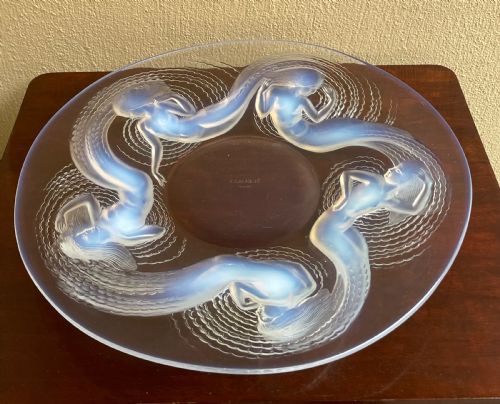
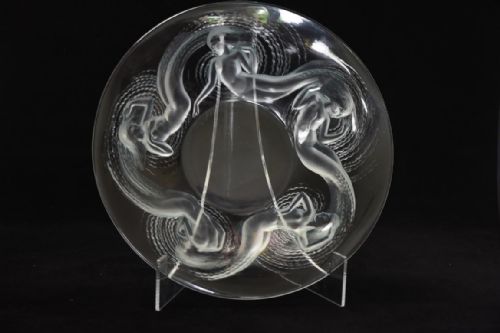
An art deco charger represents a grand statement in decorative ceramics and glass, functioning primarily as a substantial display piece rather than table service. When exploring an art deco charger, buyers encounter striking plate and bowl forms designed during the 1920 and 1930 periods.
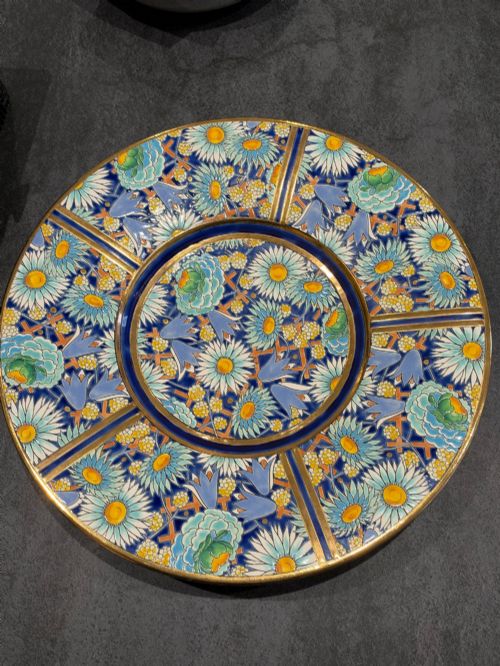
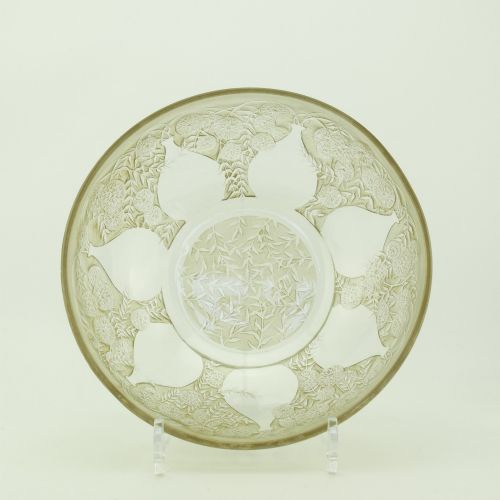
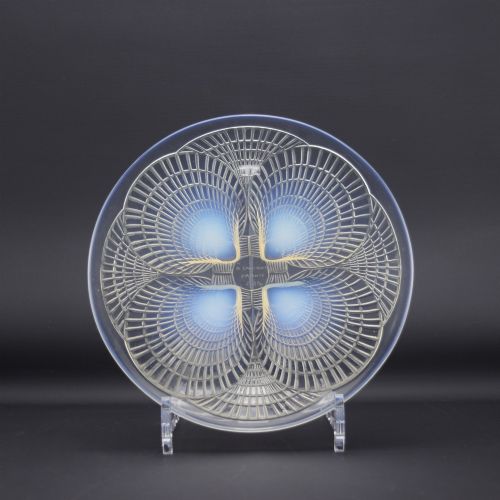
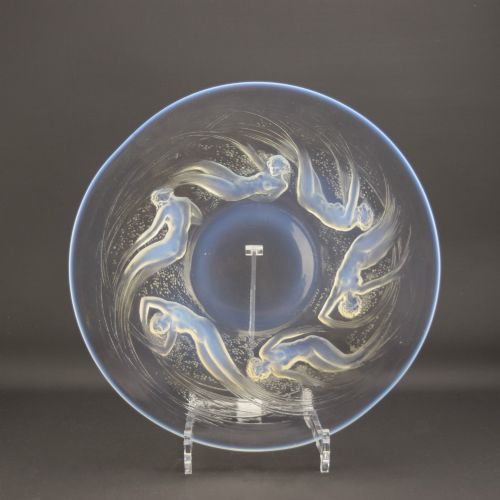
The most common examples appearing here span moulded glass and glazed earthenware, often featuring low relief motifs or vibrant geometric patterns. These pieces capture the distinctive aesthetic of interwar design through circular formats that emphasise central ornamentation.
Originating largely from French glassworks and English potteries, these large plates and shallow bowls demonstrate the versatility of modernist decorative arts. Collectors select them to anchor a wall display or to centre a dining table with period character.
Materials and methods
Makers utilised pressed and moulded glass, frequently treated with opalescent finishes, sepia staining, or frosted contrasts to accentuate sculptural details. These glass pieces rely on precise thermal manipulation within heavy iron moulds to achieve deep relief.
Ceramic examples employ earthenware bodies decorated with tubelined glazes or high fired pigments that produce rich surface textures. Artisans applied these fluid pigments by hand within raised clay outlines to create intricate patterns before kiln firing.
Art Deco Charger Retail Price Guide 2026
Typical asking prices for art deco charger among the pieces listed under this phrase on Sellingantiques today, from the lower quarter to the upper quarter. They describe what is for sale here now, not the wider market.
Listings feature works from both the 1920 and 1930 periods, encompassing moulded glass, opalescent glass, and glazed earthenware.
Factors of distinction
Quality rests upon the crispness of the moulded relief and the depth of the opalescent or stained finish across glass surfaces. Superior examples display sharp definition in complex motifs without softening in the finer details.
For ceramic pieces, the intricacy of the tubelined design and the vibrancy of the glaze application determine distinction. Stronger works maintain precise hand-painted colour separation and substantial weight within the earthenware body.
Rene Lalique·Charlotte Rhead·Crown Ducal·Clarice Cliff·Bursley Ware·Sabino
The Art Deco Charger Glossary
- Charger
- A large decorative plate or salver used primarily for display rather than for serving food. These substantial pieces provide a wide canvas for intricate surface decoration.
- Opalescent glass
- Glass containing specific chemical agents that diffuse light to produce a milky blue or orange glow when viewed from different angles. This effect highlights the raised contours of moulded designs.
- Tubelining
- A ceramic decoration technique where liquid clay is squeezed through a nozzle onto a flat clay body to form raised outlines. Artisans then fill the resulting compartments with coloured glazes.
- Sepia stain
- A dark brownish pigment applied to glass surfaces and wiped back to settle into recessed areas. This technique heightens the contrast and three-dimensional depth of sculptural reliefs.
- Salver
- A flat tray or large shallow plate typically mounted on a foot or displayed flat. In decorative glass, the term often describes a wide charger.
Art Deco Charger: Frequently Asked Questions
What is an art deco charger?
An art deco charger is a large decorative plate or shallow bowl produced during the interwar decades, featuring characteristic modernist motifs, geometric patterns, or naturalist reliefs.
These substantial objects were created primarily for visual display on walls, cabinets, or tables rather than everyday dining use.
How were these glass chargers displayed?
Glass chargers of this scale were typically exhibited on sturdy wall brackets, special stands, or flat surfaces where ambient light could pass through the opalescent material.
Lighting plays a key role in revealing the translucent qualities and frosted details characteristic of moulded glass from this era.
How do I identify a tubelined ceramic charger?
Tubelined ceramic pieces feature distinct raised clay lines that separate areas of coloured glaze, creating a tactile surface texture similar to cloisonné enamel.
Running a finger gently across the surface reveals these elevated borders, which were piped by hand before the piece received its final glaze firing.
Are these pieces signed?
Many glass chargers bear moulded signatures or etched inscriptions identifying the maker or the specific glassworks on the underside or rim.
Ceramic examples often feature factory stamps, painted monograms, or pattern names applied directly to the base before glazing.