

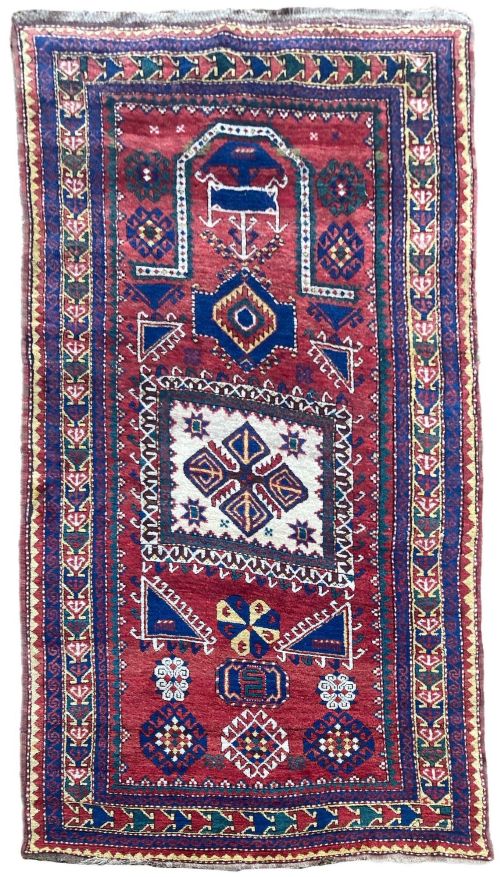
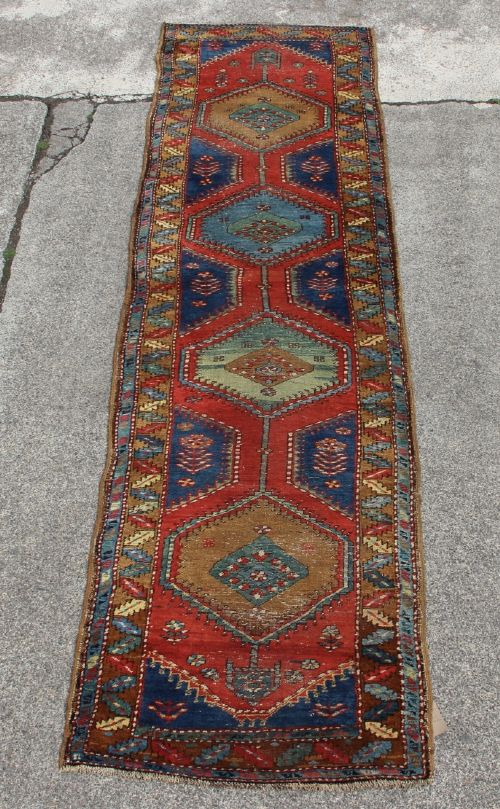


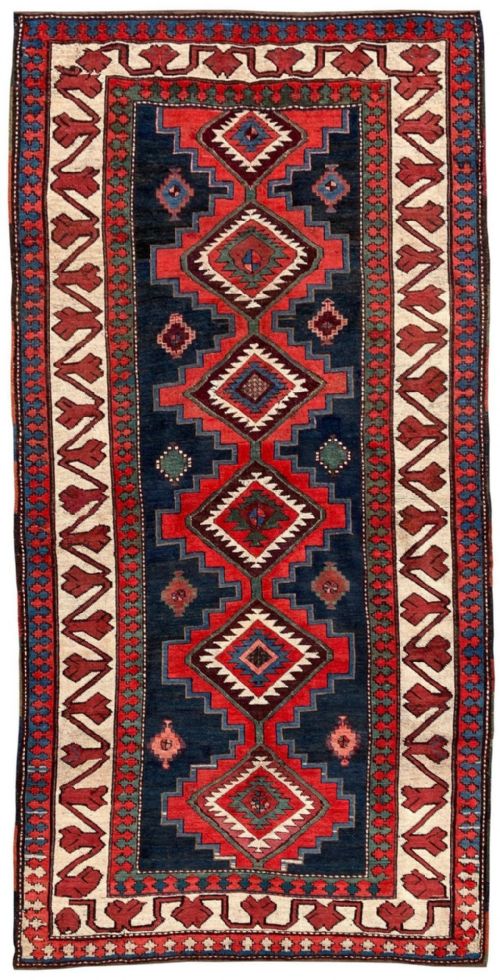
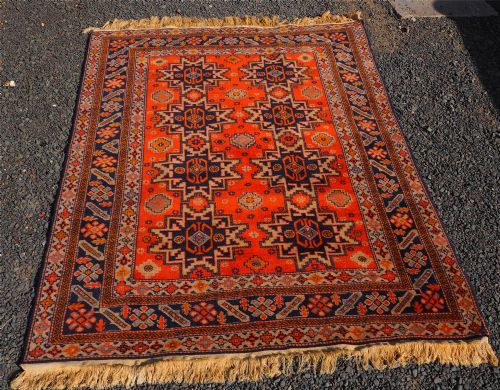

Blue Geometric Runner
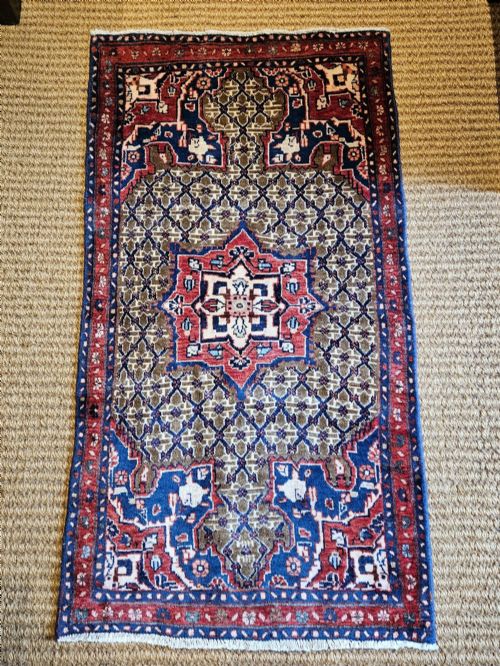
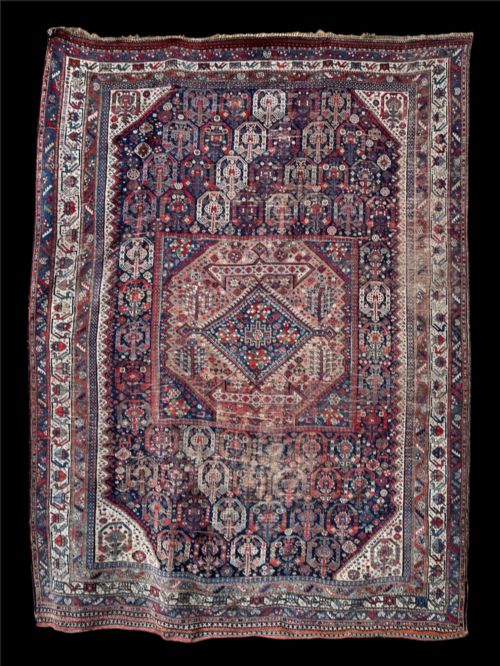
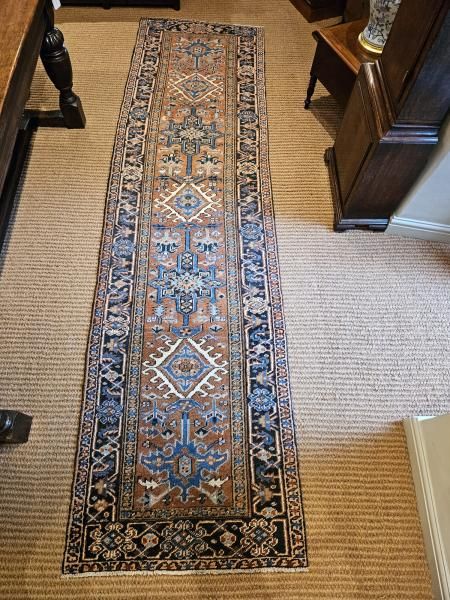
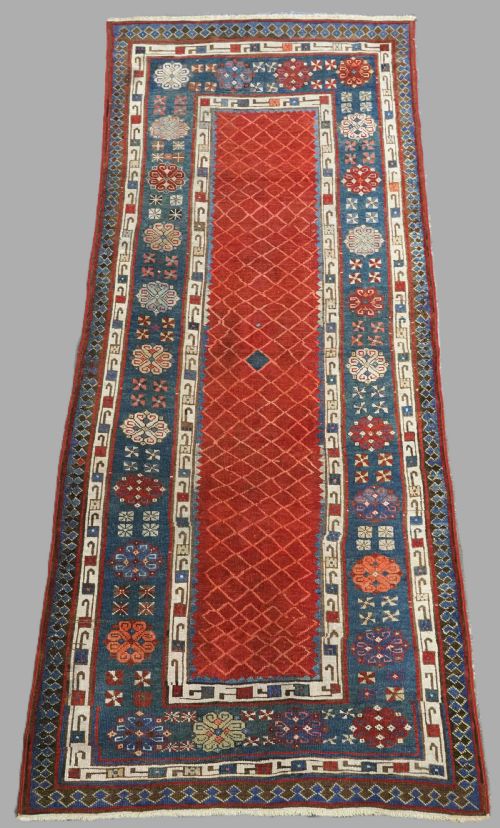
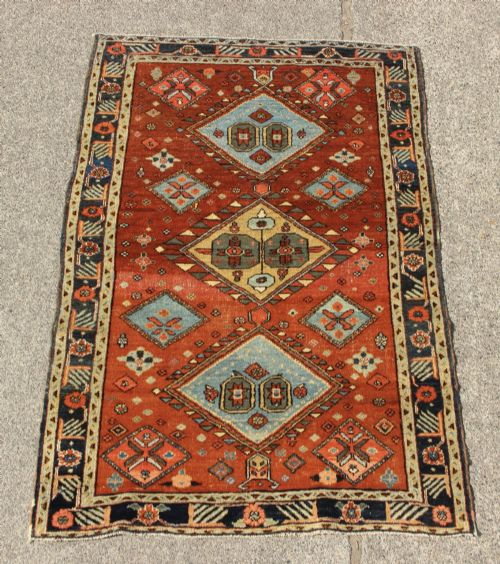
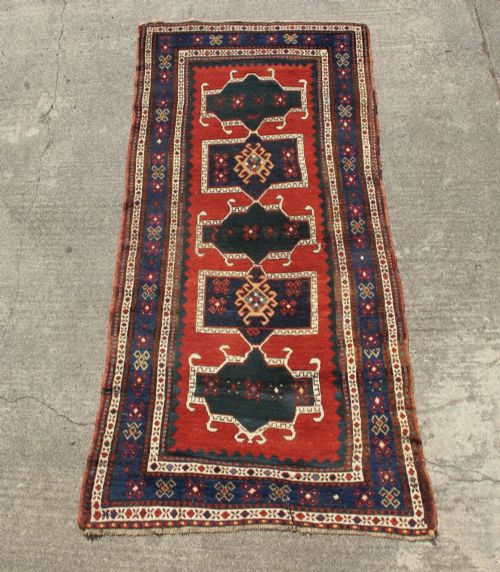
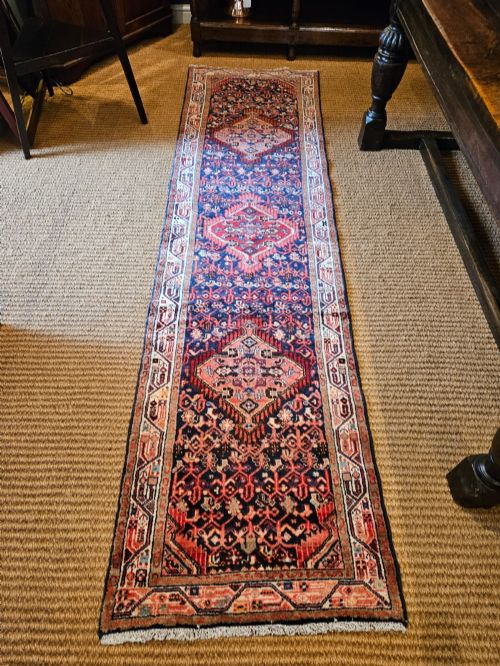
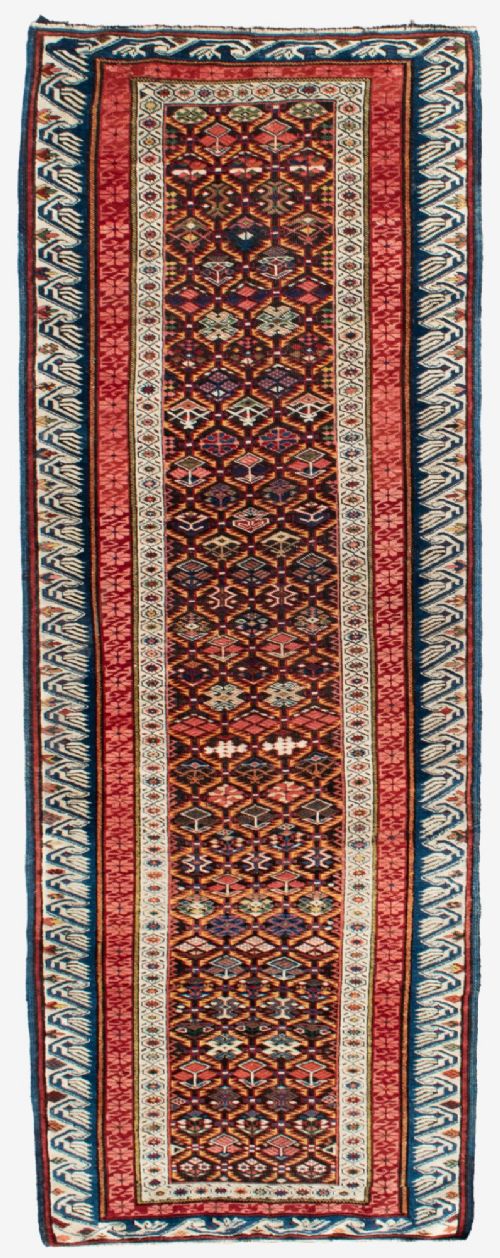
A blue geometric runner brings linear warmth to a hallway, drawing the eye along long spans of timber with indigo hues and tribal motifs.
Blue Geometric Runner
A blue geometric runner is a narrow, elongated textile designed for corridors and passages, combining shades of blue with repeating angular patterns. When searching for a blue geometric runner, buyers encounter woven floor coverings originating from Persia and the Caucasus.
The pieces available span from the late nineteenth century through to the early decades of the twentieth century. Traditional forms include long rugs and hallway runners woven by tribal groups such as the Kurds, Kazak, and Khamseh confederacy.
Makers utilised characteristic formats like the Talish long rug or the Bakshaish runner to fit narrow spaces. These textiles bring historical depth and structured patterns to domestic interiors.
How they were made
Weavers constructed these long carpets using hand-spun wool for durability and resilience in high-traffic areas. Natural dyes provided the palette, yielding deep indigos and blues that formed the foundation of the geometric compositions.
The technical construction relies on traditional knotting methods practiced across Anatolia, the Caucasus, and Persia. Artisans arranged rectilinear motifs, lattice designs, and tribal symbols across the wool foundation with careful precision.
Some tribal weavers tucked tiny protective amulets directly into the wool pile to guard the household against misfortune.
What varies in quality
The distinction between tiers rests upon the density of the wool weave and the clarity of the natural dye palette. Tightly packed knots create a firmer handle and sharper definition within the geometric medallions and borders.
Artisanal execution distinguishes standard village weaving from finer workshop or tribal pieces. Variations in wool preparation and dye saturation alter how light interacts with the surface across the span of the runner.
The Blue Geometric Runner Glossary
- Runner
- A long, narrow carpet format specifically suited for hallways, corridors, and stairs. These pieces guide movement through domestic spaces.
- Kazak
- A style of rug originating from the Caucasus region, known for bold geometric designs and saturated primary colours. They often feature strong rectilinear medallions.
- Natural Dyes
- Colourants derived from plants, roots, and insects rather than synthetic chemicals. These materials produce nuanced, ageing tones that mellow gracefully over decades.
- Talish
- A specific Caucasus weaving tradition frequently associated with narrow long rugs and runner formats. They typically display open field designs with precise lattice work.
- Kelim
- A flat-woven textile produced without a pile, resulting in a lighter, reversible fabric. These pieces offer sharp geometric patterns through interlocking weave techniques.
Blue Geometric Runner: Frequently Asked Questions
Where should I place a runner?
These narrow carpets suit hallways, corridors, and narrow passageways where linear floor coverings soften timber boards.
They also function effectively in kitchens and beside beds to add warmth underfoot.
How do I care for wool runners?
Regular gentle vacuuming without a rotating brush roll helps remove grit from the wool pile.
Professional cleaning suited to antique textiles preserves the natural dyes and hand-spun fibres.
What periods do these pieces date from?
The listings span the late nineteenth century and the early decades of the twentieth century.
Examples include items dated from the 1870s through to the 1930s.
How are Caucasian and Persian styles different?
Caucasian pieces typically display bolder, starker geometric forms with sharp angular medallions.
Persian examples often incorporate more intricate lattice work and varied floral or tribal field elements.