


Blue Floral Wall Art
Blue floral wall art brings botanical subjects and painted blossoms into rooms through canvases, watercolours, ceramics, and textiles.
Blue Floral Wall Art
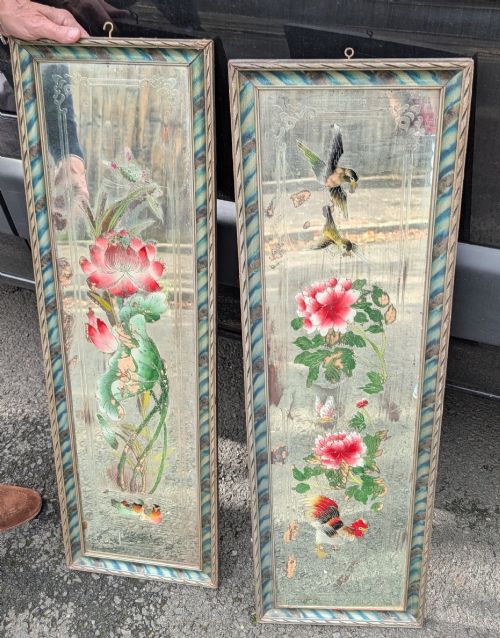
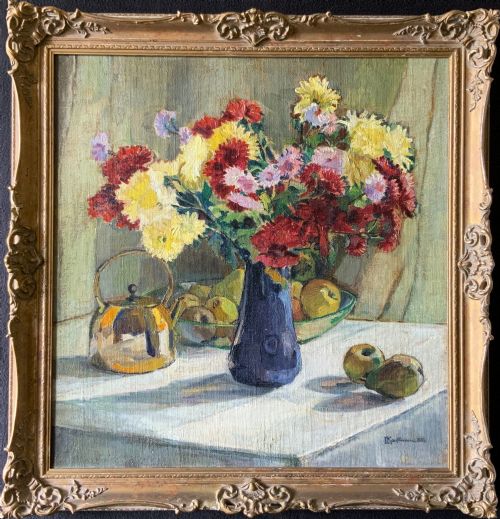
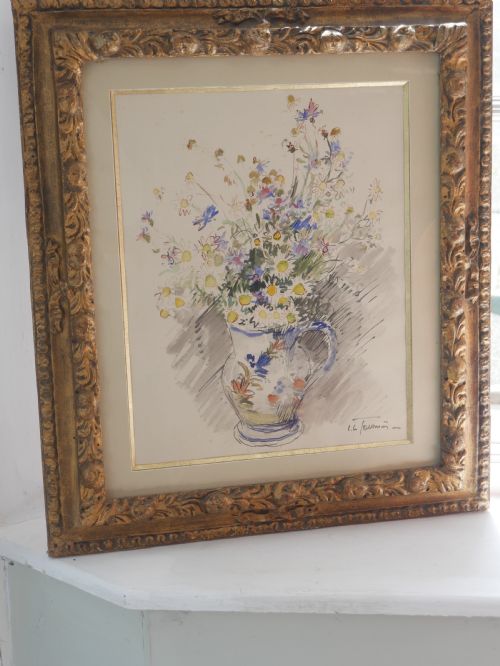
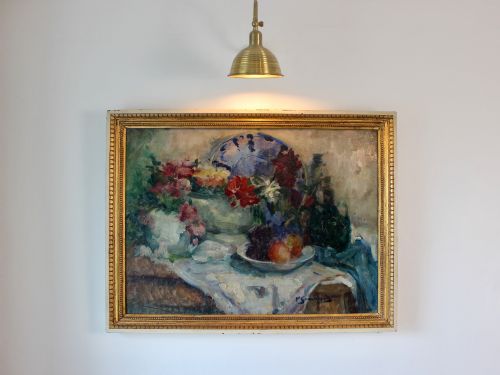
When searching for blue floral wall art, buyers encounter a diverse range of objects spanning multiple centuries, from framed oil paintings and watercolours to decorative plates, textiles, and wall panels. The selection bridges formal academic works, impressionist studies of summer flowers, and decorative items influenced by Asian motifs such as Imari ceramics and Chinoiserie panels.
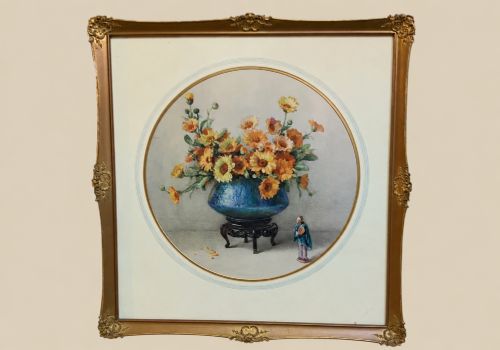
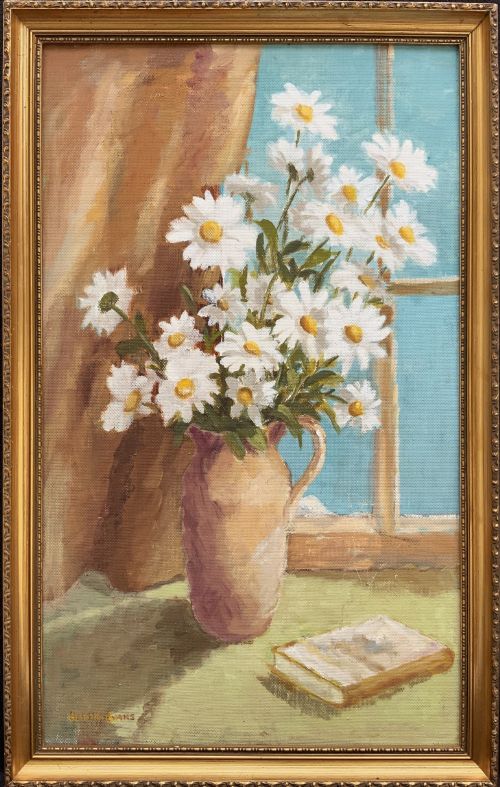
The most common forms on this page include mid-century impressionist oil paintings of vases and jugs filled with blooms, alongside watercolours depicting garden scenes and botanical studies. Alongside canvas and paper, the category extends to woven verdure tapestries, porcelain plates, and painted wall hangings that bring floral imagery onto vertical surfaces.
Materials and techniques
Works on paper and canvas rely on traditional painterly media, utilising oil paint, watercolour, gouache, tempera, and ink applied to stretched linen, paper supports, or wooden panels. These pigments capture delicate nuances in floral subjects, from water lilies to marigolds and cosmos flowers.
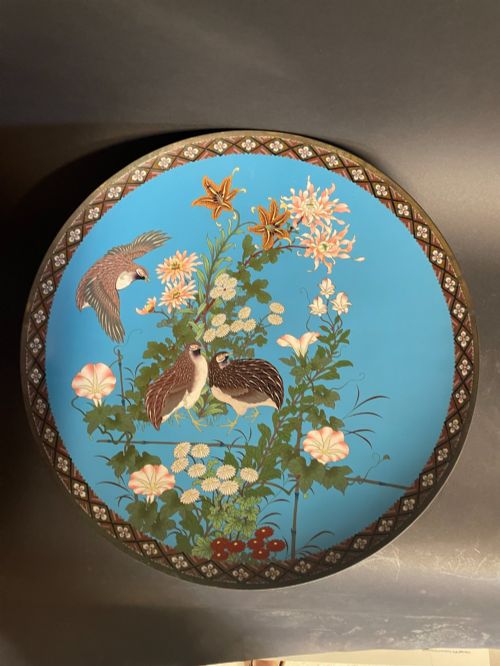
Three-dimensional and textile pieces employ specialised craft techniques, including hand-painted porcelain glazes on Japanese Imari plates, cloisonné enamelling on metal dishes, and hand-woven wool or silk threads in large verdure tapestries and wall hangings.
Listings feature works spanning from the seventeenth century through the mid-twentieth century, executed in oil, watercolour, canvas, and woven wool.
Distinctions in quality
Quality in these decorative objects rests upon the direct handling of the medium, where confident brushwork in an oil painting or precise line work in a watercolour reveals the maker's competence. Finer examples display a considered balance of composition and colour harmony within the floral arrangement.
In textiles, ceramics, and wall panels, standards depend on the integrity of the surviving material and the crispness of the hand-painted or woven details. Superior pieces maintain vibrant pigments and secure structures without extensive restoration obscuring the original surface.
Victor Simonin·Owen Bowen·Kershaw Schofield·Edith Barrow·Stuart Armfield·Grace Hastie·Marion Broom·Margaret Evangeline Wilson·Theresa Sylvester Stannard·George Frederick Nicholls·Amy Reeve Fowkes
The Blue Floral Wall Art Glossary
- Imari
- A style of Japanese export porcelain characterised by underglaze blue and iron-red designs, often accented with gold. These decorative plates and dishes frequently depict floral and botanical motifs.
- Verdure tapestry
- A woven wall hanging featuring a predominant landscape or foliage design, typically populated with trees, plants, and flowers. These textiles date from the seventeenth and eighteenth centuries.
- Gouache
- An opaque water-based paint that dries to a matte finish, allowing artists to build dense layers of colour in still-life botanical studies.
- Impressionism
- An art movement focusing on transient effects of light and spontaneous brushwork. Many mid-century and earlier paintings in this category adopt these loose principles for floral subjects.
- Chinoiserie
- A European artistic style reflecting Chinese aesthetic influences, commonly seen on eighteenth-century wall panels and decorative objects.
Blue Floral Wall Art: Frequently Asked Questions
How do I hang antique tapestries safely?
Large textile panels require even weight distribution across a supportive wooden batten or a custom-sewn Velcro heading. This prevents undue strain on the historic weave.
Avoid hanging tapestries in direct sunlight or damp environments to protect the natural fibres and coloured threads from degradation.
Are watercolour paintings sensitive to light?
Watercolour pigments on paper are susceptible to fading when exposed to direct or harsh sunlight over extended periods. Framing them behind UV-filtering glass helps preserve the original tones of the flowers.
Display these works on interior walls away from bright windows to maintain their colour intensity.
How are decorative plates displayed on walls?
Plates and ceramic chargers utilise brass spring-clip hangers or specialised wire frames secured safely to the reverse rim. These mountings distribute the weight evenly without damaging the ceramic body.
Ensure the wall fixings match the weight of the porcelain before hanging sets together.
What defines a still life painting?
A still life depicts inanimate subject matter, typically featuring natural objects such as cut flowers in vases, fruit, and vessels arranged on a tabletop. Artists focus on light, shadow, and composition.
This genre allows painters to study form and colour intimately within a controlled studio setting.