

Blue Floral Painting
Blue floral painting gathers hand-decorated porcelain, earthenware, and ceramics from past centuries, offering collectors rich cobalt palettes and intricate botanical studies.
Blue Floral Painting
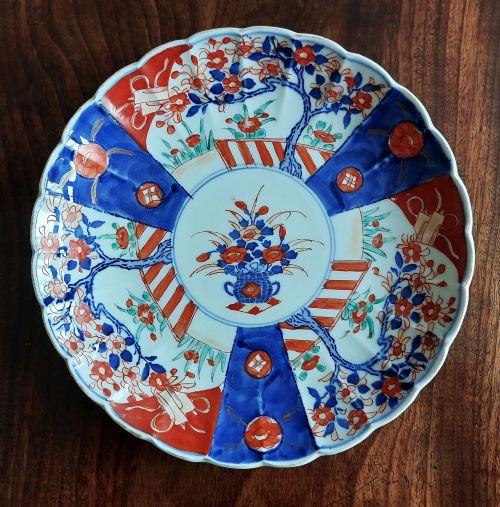
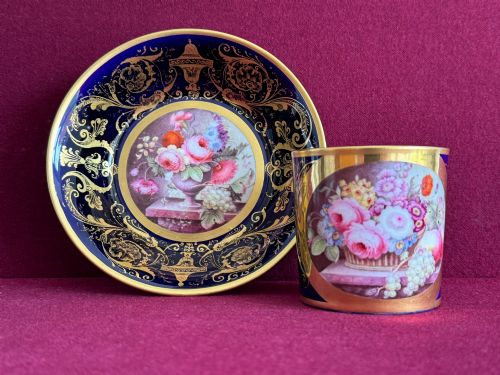
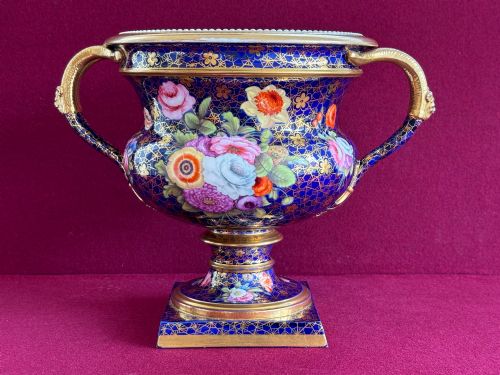
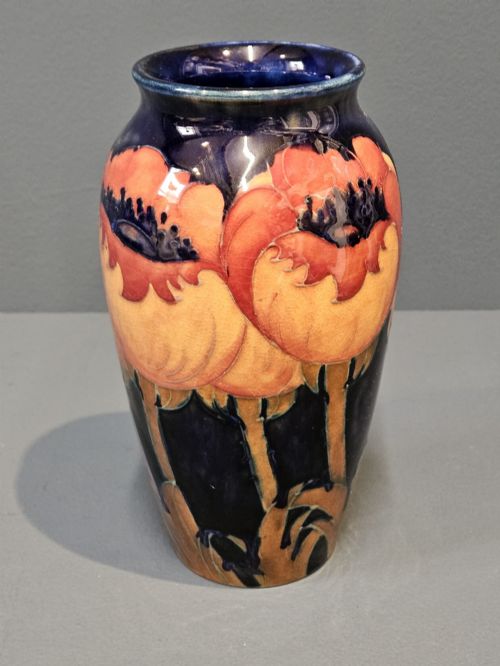
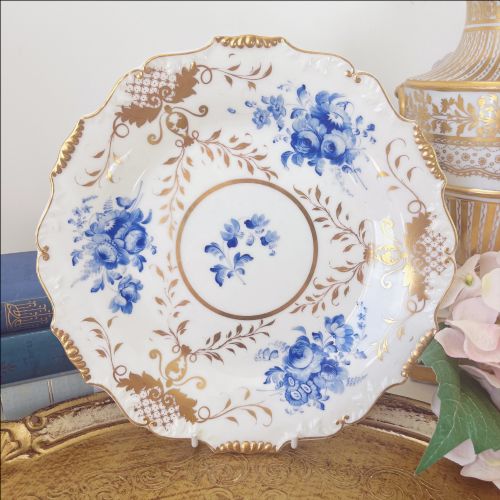
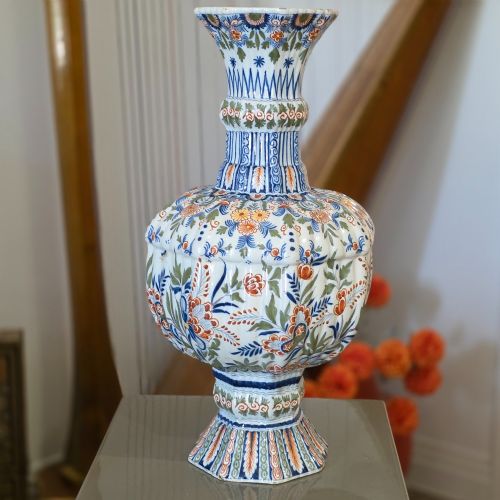
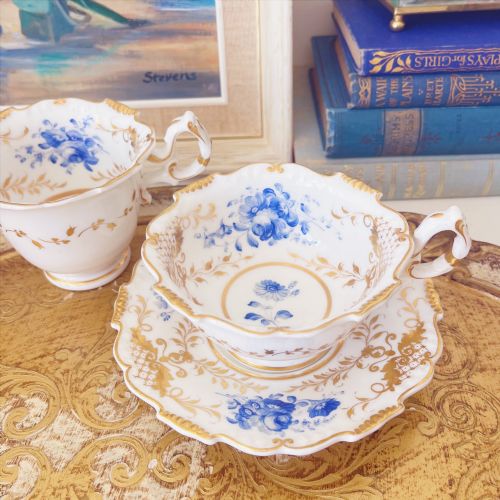
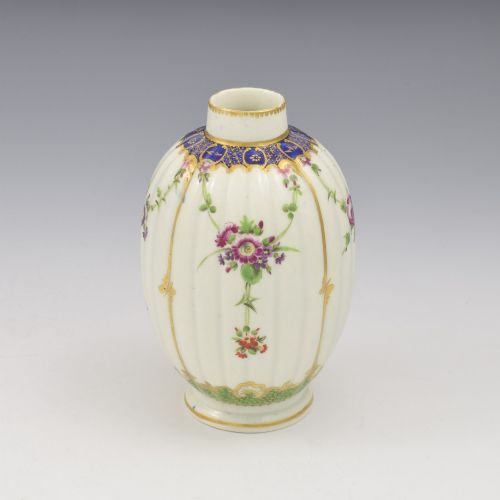
When you search for blue floral painting, you encounter a varied selection of antique ceramics, chargers, plates, and vessels that incorporate cobalt and indigo botanical decoration. The items span the eighteenth, nineteenth, and early twentieth centuries, drawing from English factories, continental European makers, and Asian export traditions.
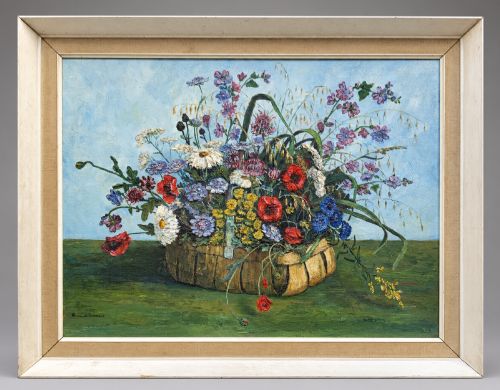
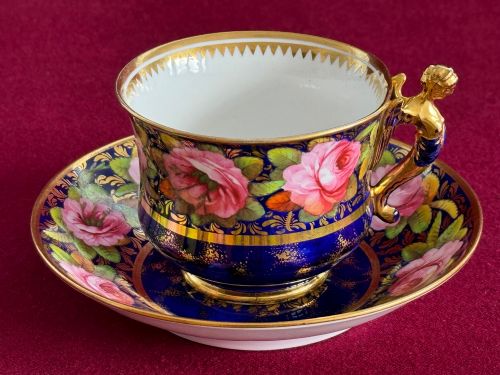
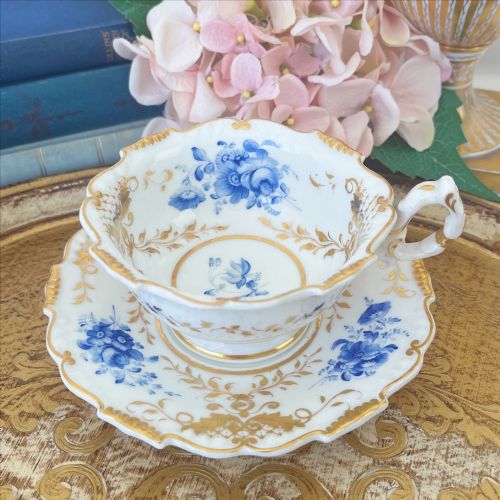
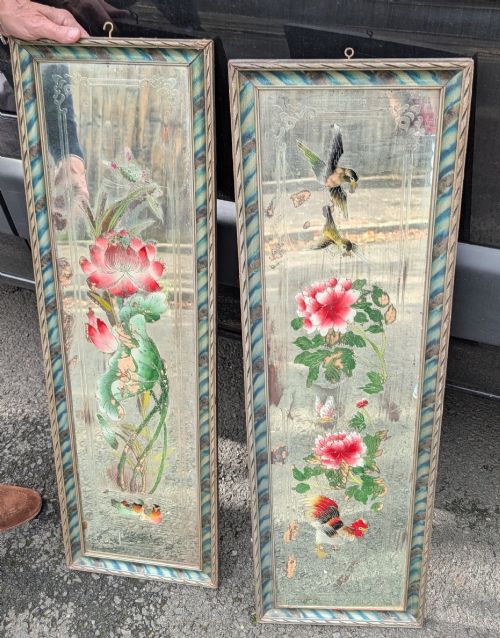
The most common forms on this page include porcelain tea wares, decorative bowls, and large Imari chargers, alongside earthenware jugs and framed still life artwork. These pieces range from Georgian table wares to Victorian mantle clocks and Japanese export porcelain.
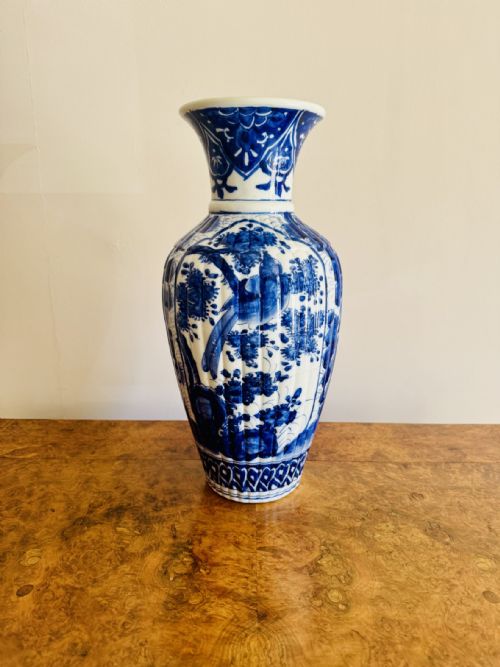
Originating from domestic and international kilns alike, the selection demonstrates how diverse cultures interpreted blue floral painting across generations. Each object relies on cobalt pigments applied beneath or over the glaze to render blossoms, scrolls, and garden scenes.
How they were made
Potters and painters utilised porcelain, earthenware, and ironstone as bases for blue floral painting, shaping vessels on wheels or moulding them in sections. Artisans applied cobalt oxide pigments directly onto the unfired body or raw glaze, allowing the colour to fuse permanently during high-temperature kiln firings.
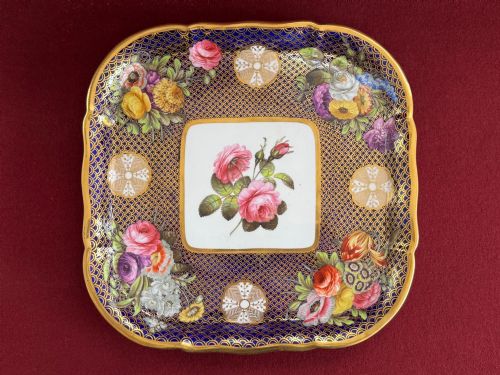
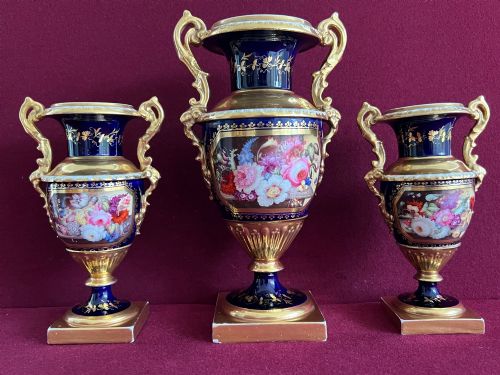
Many items incorporate supplementary materials such as gold leaf, enamel, and gilt highlights to accent the cobalt motifs. Final touches often involved hand-painted polychrome details or parcel-gilt frames that completed the decorative scheme.
Several jugs proudly display Gaudy Welsh patterns, proving that nineteenth-century kitchens enjoyed an explosion of bright cobalt and copper lustre.
What varies in quality
Quality in these objects rests upon the precision of the brushwork and the depth of the cobalt pigment. Superior examples display confident, fluid hand-painting with crisp botanical outlines, whereas lesser items rely on mechanical transfer printing or hasty application.
The fineness of the ceramic paste, the clarity of the glaze, and the preservation of any supplementary gold leaf or enamel distinguish finer specimens. Well-potted bodies and balanced forms elevate a piece from a utilitarian vessel to a high-status cabinet object.
H and R Daniel·Dr Wall Worcester·Royal Crown Derby·John Davenport of Longport·Doulton Lambeth
The Blue Floral Painting Glossary
- Cobalt
- A metallic oxide used to produce deep blue pigment on ceramics. It withstands high kiln temperatures without fading.
- Imari
- A Japanese export style characterised by underglaze blue and iron red, often enriched with gilt. It heavily influenced European ceramic design.
- Soft-paste
- An early artificial porcelain composition made from white clay and glass frit. It fires at lower temperatures than true hard-paste porcelain.
- Transfer printing
- A mechanical method of applying a printed design to ceramic ware from an engraved copper plate. It allowed for uniform pattern reproduction.
- Polychrome
- Decoration employing multiple colours in addition to the primary blue. It adds varied hues to botanical and floral scenes.
Blue Floral Painting: Frequently Asked Questions
How do I care for antique ceramic pieces?
Wash delicate porcelain and earthenware by hand using lukewarm water and mild soap, avoiding automatic dishwashers entirely.
Keep pieces away from direct sunlight to protect enamel and gilt highlights from fading over time.
Are these items safe for daily use?
Most antique teacups, plates, and jugs are intended for display or light decorative service rather than heavy modern dining.
Older glazes and soft-paste bodies can crack or absorb liquids if subjected to thermal shock.
How can I distinguish eighteenth century from nineteenth century items?
Earlier pieces often feature softer paste bodies, hand-potted irregularities, and underglaze blue marks characteristic of early factories.
Later nineteenth-century items tend to show heavier moulding, brighter enamels, and standardised factory stamps.
What is the difference between hand painted and transfer printed pieces?
Hand-painted items reveal subtle brushstrokes, varied pigment depth, and minor individual painter variations upon close inspection.
Transfer-printed designs display tiny dot patterns or continuous stippled lines under magnification, lacking individual brush texture.