






Blue Floral Ceramic
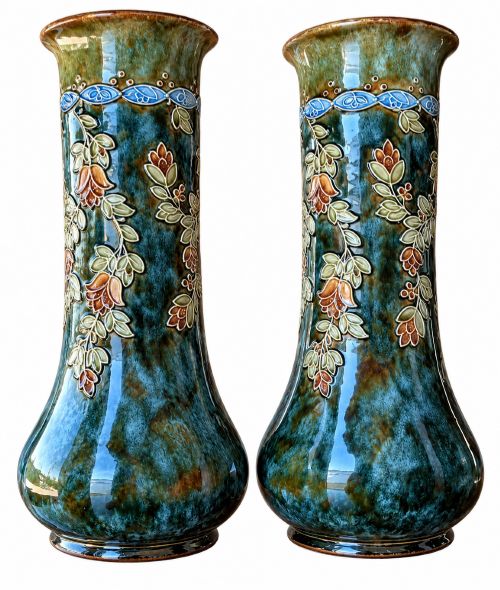
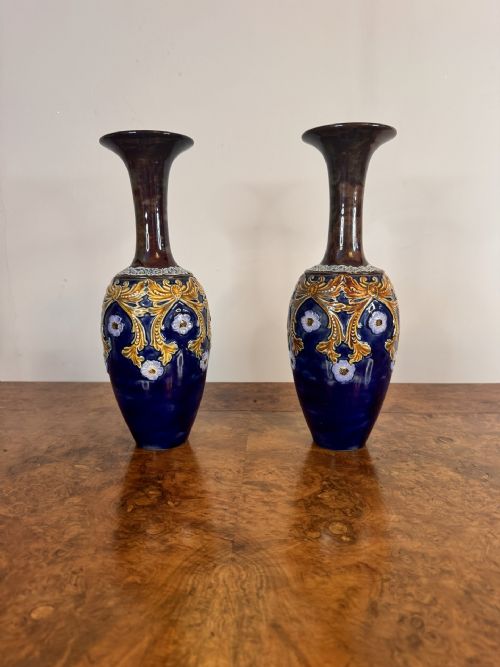
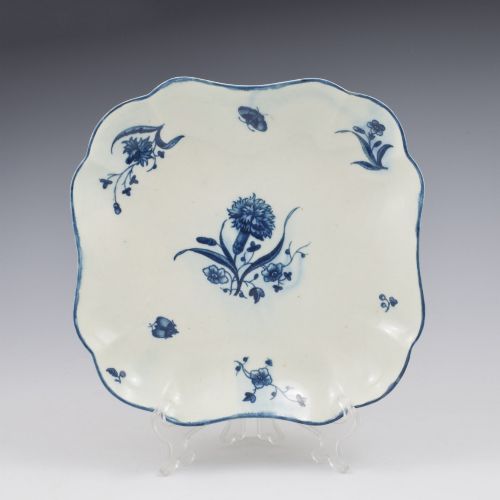
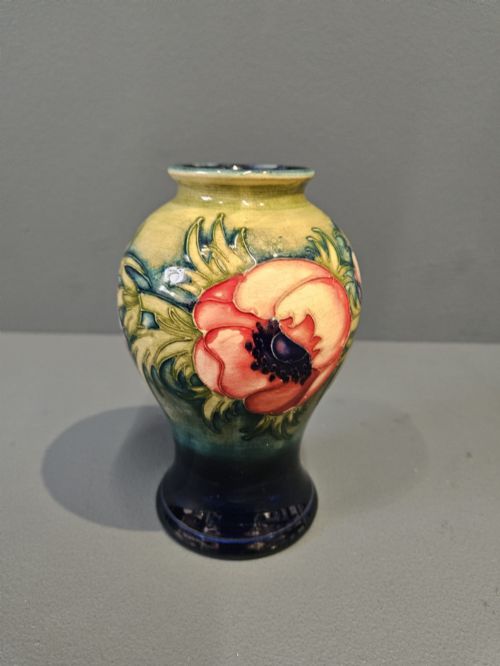
Blue floral ceramic pieces span centuries of firing tradition, bringing hand-painted cobalt patterns and rich glazes to collectors seeking timeless decorative forms.
Blue Floral Ceramic
When seeking blue floral ceramic, buyers encounter a diverse range of objects spanning from the seventeenth century through the early twentieth century. The selections available on this page encompass functional tea wares and striking decorative items created across British, European, and Asian traditions.
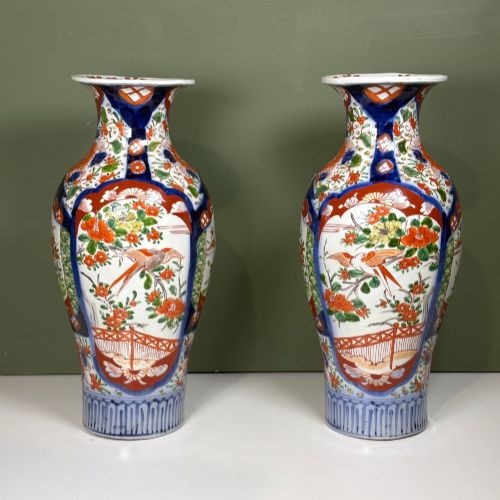
The most common examples met here include Japanese Imari dishes and chargers, alongside English porcelain bowls and vases from periods such as the Georgian and Regency eras. These pieces combine hand-painted cobalt pigments with botanical motifs, reflecting both domestic utility and ornamental ambition.
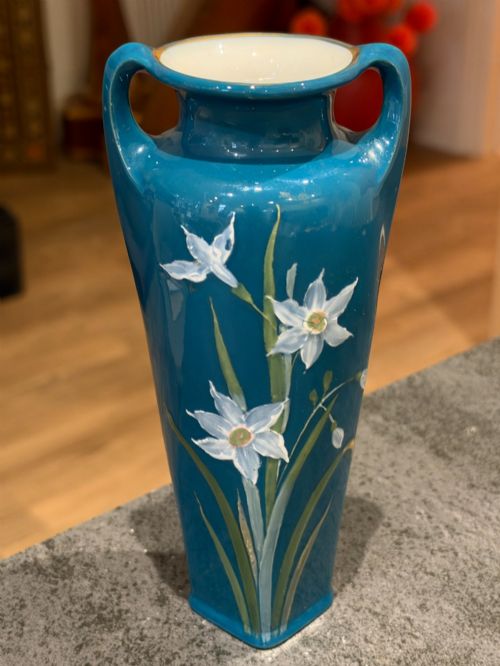
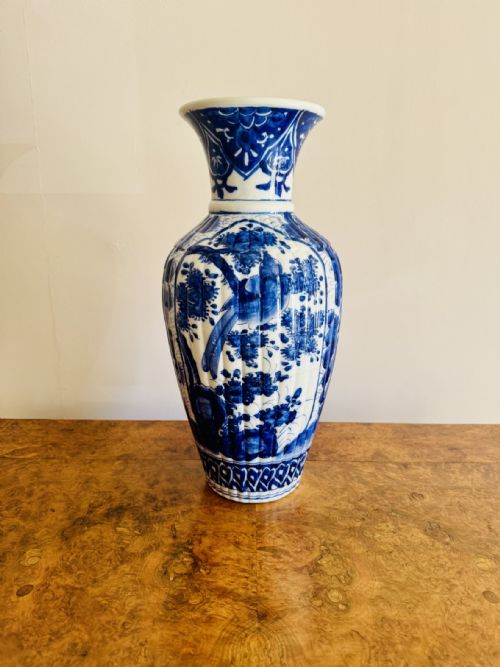
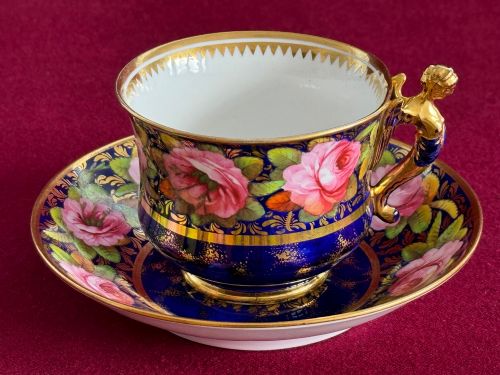
Vessels range from modest teapots and cabinet cups to large floor-standing vases and umbrella stands. Each era contributes distinct forms, connecting buyers directly to historic kiln practices from China, Japan, Britain, and continental Europe.
Materials and technique
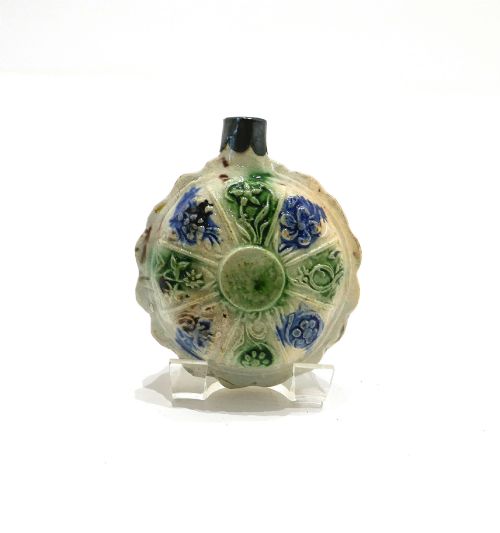
Makers shaped these objects using refined clay bodies including porcelain, earthenware, stoneware, and ironstone, which were then fired to achieve durable structures. Artisans applied cobalt oxide and other mineral pigments by hand before glazing the surface to lock in the rich blue tones.
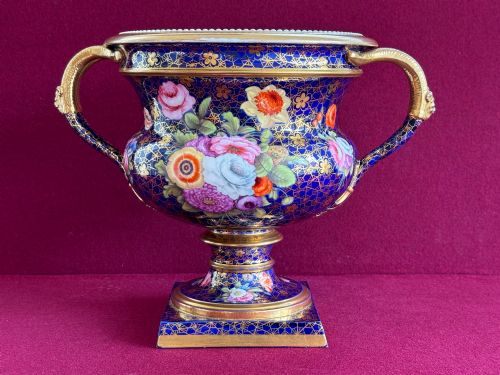
Techniques such as pâte-sur-pâte, gilding with gold leaf, and enamel painting frequently augmented the primary blue floral designs. Kiln operators utilised high-temperature firings to vitrify stoneware and porcelain, ensuring the lasting brilliance of the glazed decoration.
Blue Floral Ceramic Retail Price Guide 2026
Typical asking prices for blue floral ceramic among the pieces listed under this phrase on Sellingantiques today, from the lower quarter to the upper quarter. They describe what is for sale here now, not the wider market.
Listings feature works spanning the 17th century through the early 20th century, utilising porcelain, earthenware, stoneware, and ironstone.
Assessing quality
The caliber of a piece rests heavily on the crispness of the hand-painted brushwork and the precision of the underlying ceramic form. Finer examples display deliberate control in the floral detailing and harmonious balance within the cobalt and polychrome palettes.
Signatures, impressed factory marks, and historical patterns distinguish mass output from masterworks produced by prominent potteries and studios. The purity of the glaze surface and the absence of heavy distortion from the kiln also elevate the standing of an item.
Minton·Royal Doulton·Gebrüder Heubach·Spode·Moorcroft·Worcester·Théodore Deck·Coalport
The Blue Floral Ceramic Glossary
- Imari
- A style of Japanese export porcelain featuring deep cobalt blue alongside iron red and gold, named after the port from which it was shipped. This aesthetic heavily influenced European potteries during the eighteenth and nineteenth centuries.
- Cobalt
- A metallic oxide pigment utilised to achieve deep, permanent blue tones under or over the ceramic glaze. It withstands high kiln temperatures without losing intensity.
- Pâte-sur-pâte
- A demanding ceramic technique involving the buildup of successive layers of liquid clay slip to create a low-relief cameo effect on a contrasting background. It requires immense skill to avoid cracking during the firing process.
- Garniture
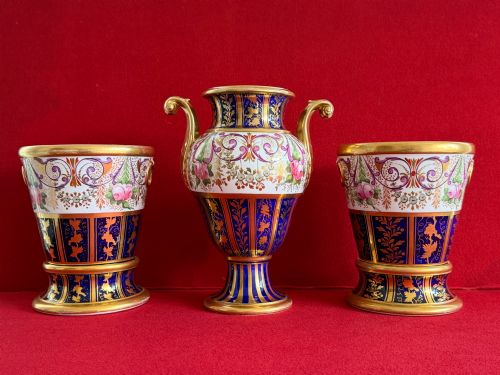
- A matching set of ornamental vases or jars designed to be displayed together on a mantelpiece or cabinet. These groupings typically comprise three to five vessels of graduated sizes.
- Stoneware
- A heavy, vitreous ceramic body fired at higher temperatures than earthenware, making it naturally waterproof and durable. Stoneware accepts salt glazes and rich surface textures readily.
Blue Floral Ceramic: Frequently Asked Questions
How do I care for antique ceramic?
Wash these delicate objects strictly by hand in lukewarm water using mild soap, avoiding harsh scrubbing or modern dishwashers.
Keep pieces away from direct sunlight to preserve the stability of older enamels and gilding over time.
Were these pieces used daily?
Many items such as teapots, cups, and bowls served active domestic roles in historic households before entering collections.
Larger chargers, garniture vases, and umbrella stands were primarily decorative statements intended for display in formal reception rooms.
How do I date a blue floral piece?
Examine the underside for factory marks, pattern numbers, or impressed stamps that link the vessel to known operational years.
Stylistic cues, such as the shape of the footrim and the specific shade of cobalt, also help narrow down the period of manufacture.
What is Japanese Imari?
Japanese Imari refers to porcelain created in Arita and exported through the port of Imari, characterised by dark blue underglaze and iron red accents.
European kilns frequently copied these distinct botanical and geometric arrangements during the eighteenth and nineteenth centuries.