





Blue Enamel Trinket Box
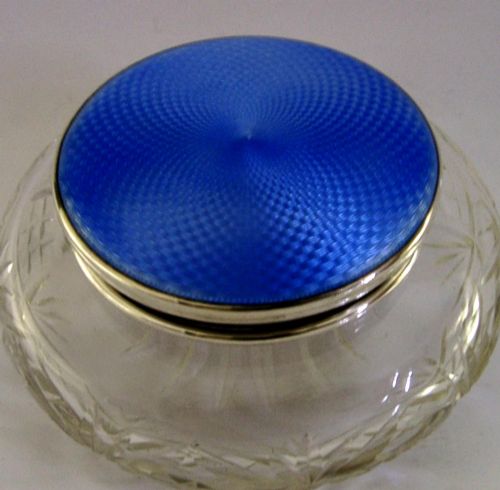
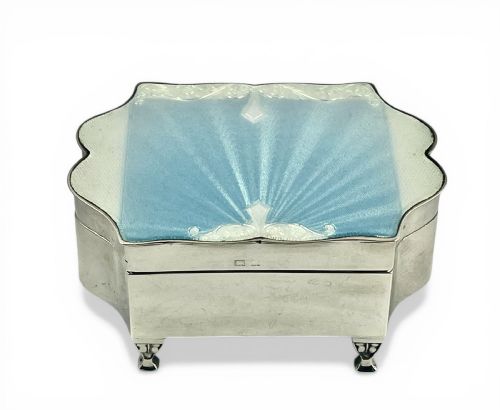
A blue enamel trinket box brings together polished metal and vitreous colour in a small vessel made for the dressing table.
Blue Enamel Trinket Box
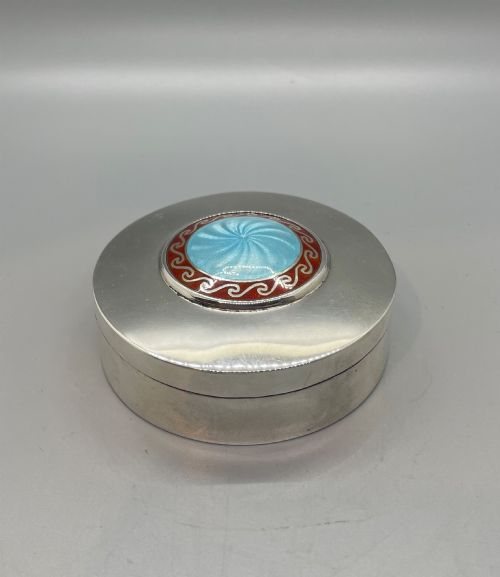
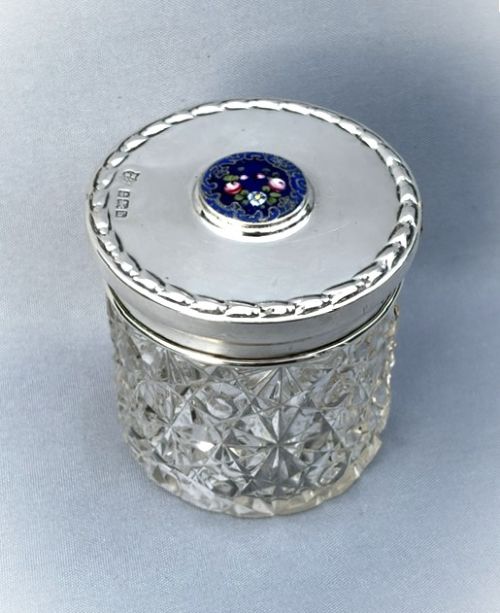
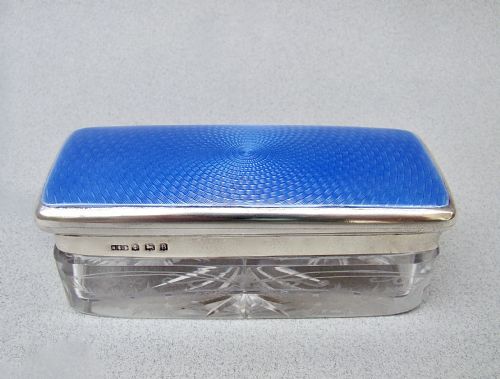
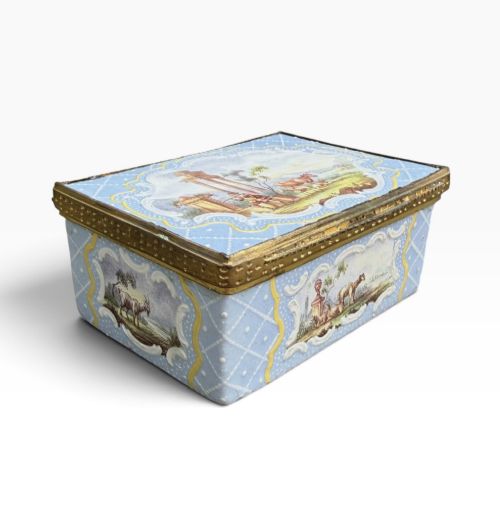
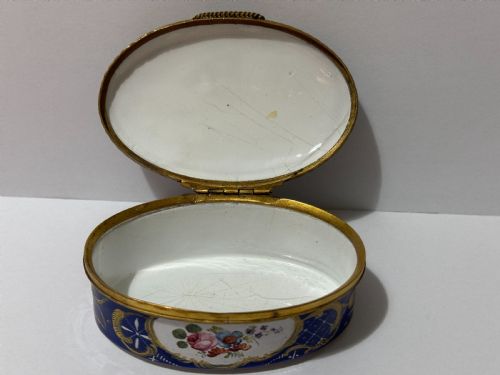
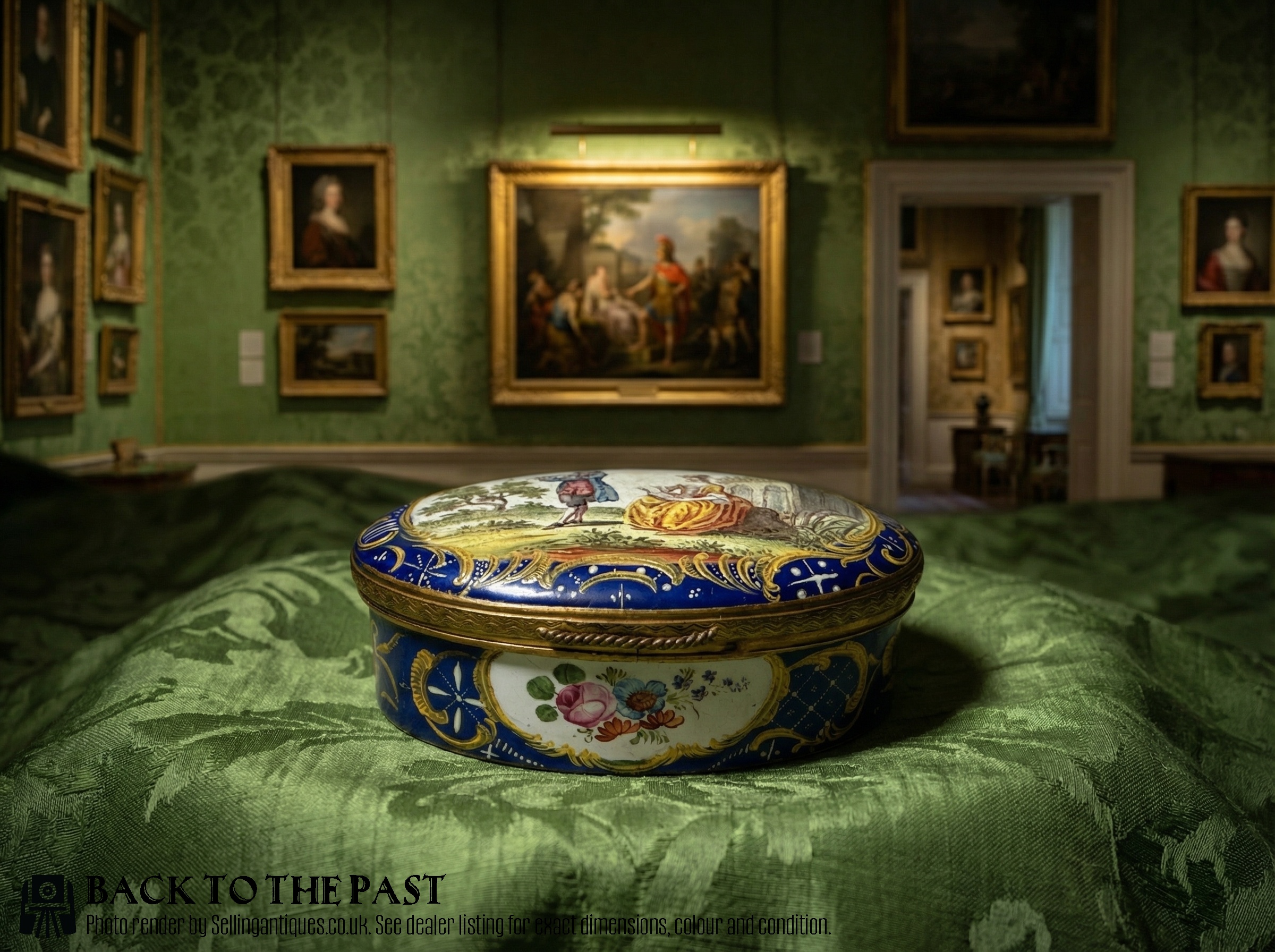
A blue enamel trinket box serves as a small receptacle for personal items, appearing across various historical periods from the eighteenth century to the mid-twentieth century. The selection ranges from eighteenth-century English patch and snuff boxes originating in Staffordshire and Bilston to early twentieth-century sterling silver pieces featuring machine-turned patterns.
Buyers frequently encounter Edwardian and Art Deco designs alongside nineteenth-century French glass and porcelain vessels. These objects take the form of lidded pots, vanity jars, and jewellery caskets intended for domestic display and storage.
The materials span sterling silver, copper, brass, and cut glass combined with vibrant blue vitreous coatings. Pieces from different centres, including Birmingham and overseas workshops, demonstrate the enduring appeal of this form.
How They Were Made
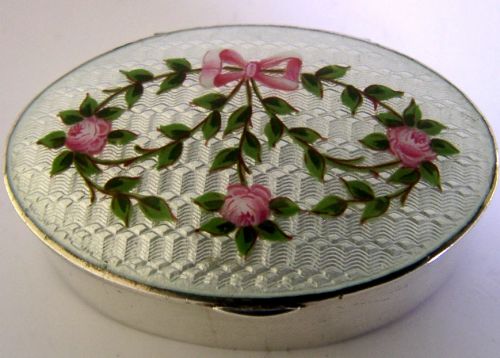
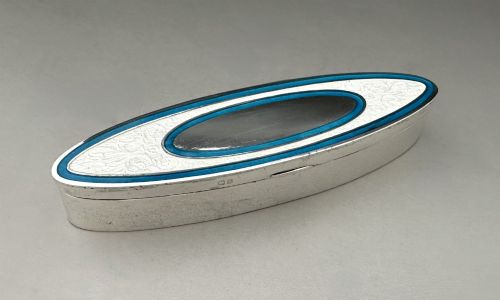
Craftsmen applied vitreous enamel pastes to metal bases such as copper, silver, or gilt brass before firing them in a kiln to create a durable, glossy surface. Sterling silver lids frequently incorporated guilloche techniques, using mechanical lathes to engrave precise geometric patterns beneath translucent blue enamel.
Glass and porcelain vessels relied on blowing or moulding techniques, utilising cobalt or blue grounds decorated with hand-painted motifs and gilt detailing. Metal mounts and hinged frames were then fitted to secure the lids and enclose the small containers.
Materials recorded on this page include sterling silver, copper, cut glass, and porcelain.
What Varies in Quality
The standard of a piece depends on the precision of the metalwork and the clarity of the vitreous coating. Fine examples exhibit even enamel application without pitting, alongside crisp engine-turned detailing beneath translucent layers.
The integration of the mount to the body and the smooth operation of the hinged lid indicate the level of craftsmanship involved in production. Hand-painted details and gilt highlights also separate standard utilitarian containers from finer decorative works.
Henry Clifford Davis
The Blue Enamel Trinket Box Glossary
- Guilloche
- An ornamental engraving technique performed by a mechanical lathe that etches precise geometric patterns into metal. This method creates a textured background that shows through translucent enamel layers.
- Patch box
- A small lidded container used in the eighteenth century to hold small fabric patches worn on the face. These cosmetic accessories were popular during the Georgian period.
- Vitreous enamel
- A material made by fusing powdered glass to a metallic substrate through high-temperature firing. The resulting compound provides a smooth, coloured surface resistant to wear.
- Staffordshire enamel
- Enamel work produced in the English county of Staffordshire during the eighteenth century, particularly associated with Bilston production centres. These items often feature copper bodies with white or coloured enamel coatings.
- Cloisonne
- An ancient decorative metalwork technique where thin wire partitions are soldered to a base to create compartments filled with enamel paste. The piece is subsequently fired and polished to a uniform finish.
Blue Enamel Trinket Box: Frequently Asked Questions
What is a blue enamel trinket box?
A blue enamel trinket box is a small lidded container featuring vitreous glass fused to a metallic or ceramic base. These vessels were designed to hold small personal items like pins, rings, or cosmetic patches.
Examples survive from multiple eras, ranging from eighteenth-century Georgian patch boxes to twentieth-century Art Deco dressing table jars. Their defining feature is the rich blue surface combined with materials such as sterling silver, brass, and glass.
How do I date an antique enamel box?
Dating relies on examining hallmarks, style markers, and construction methods. British silver pieces often carry assay office marks and date letters that pinpoint the exact year of manufacture.
Earlier pieces from the eighteenth century utilise copper bases with hand-painted details and simple wire hinges. Art Deco and Edwardian items feature machine-engraved guilloche patterns typical of the early twentieth century.
Were these boxes used for snuff?
Many eighteenth-century boxes produced in Staffordshire and Bilston were specifically constructed as snuff or patch boxes. Tobacco use required small, airtight containers to keep dry snuff fresh.
Over time, the function shifted toward general vanity and dressing table use, holding pins, rings, and small trinkets rather than tobacco products.
How should I clean my antique box?
Enamel surfaces require gentle maintenance using a soft, dry cloth to remove dust and fingerprints. Avoid harsh chemical cleaners or abrasive polishes that can scratch the glass coating.
Silver mounts can be cleaned with a specialised silver cloth, taking care to avoid direct contact between metal polish and the vulnerable enamel edges.