



Blue Decorated Ceramic
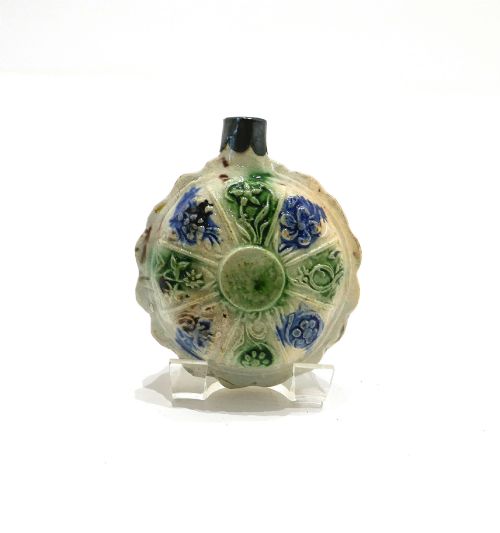
Blue decorated ceramic brings together centuries of porcelain, stoneware and earthenware shaped into vases, bowls, plates and jugs.
Blue Decorated Ceramic
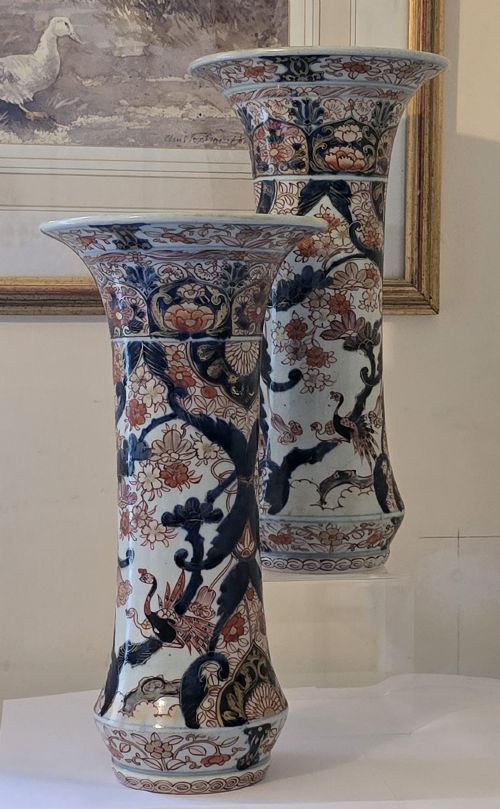
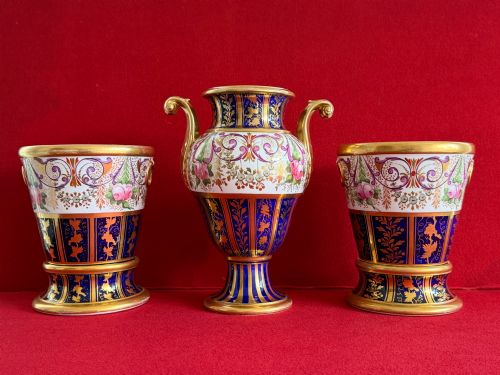
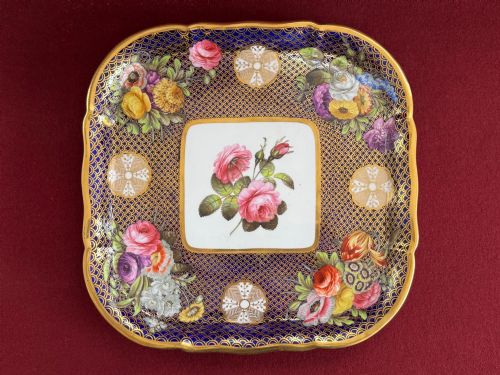
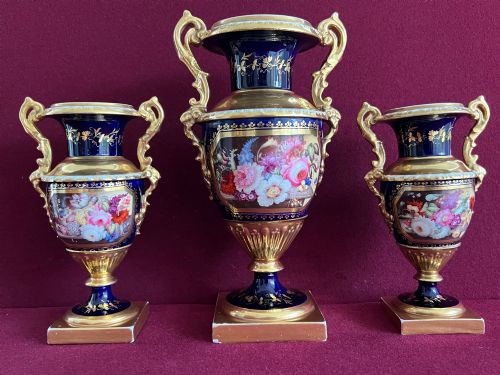
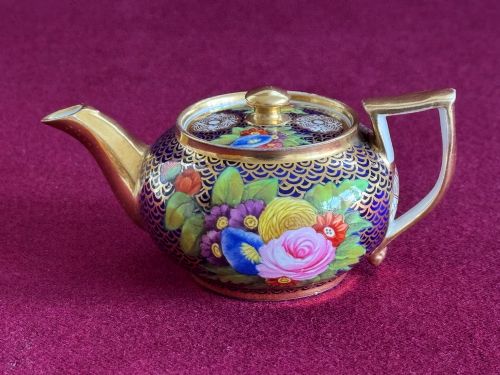
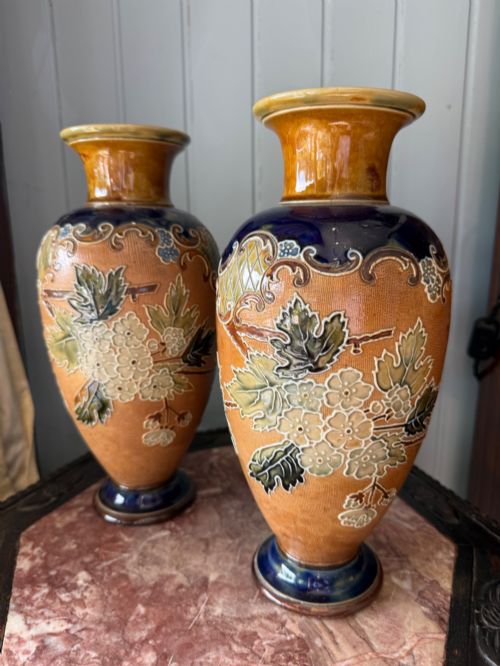
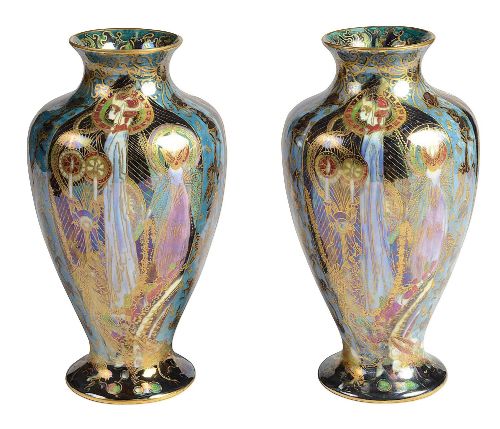
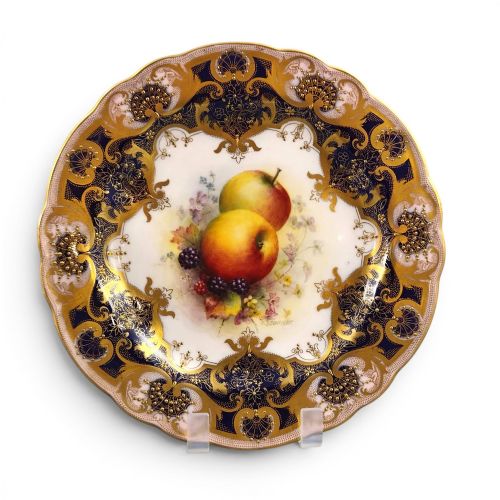
When searching for blue decorated ceramic, buyers encounter a broad selection of vessels ranging from Georgian porcelain garnitures and Regency teapots to Victorian stoneware jugs and Japanese Imari chargers.
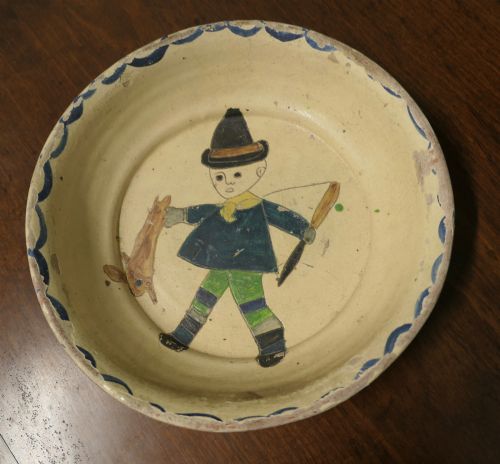
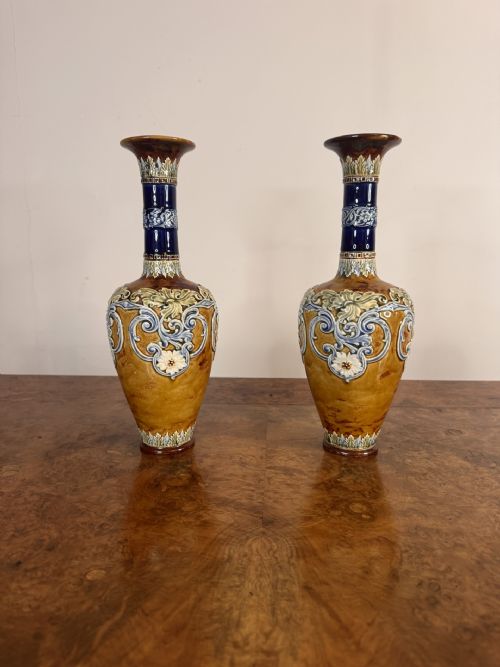
The objects span centuries of production, taking the form of vases, decorative bowls, plates, jardinieres and teapots created across various periods including the 18th century, Regency, Victorian era and 1900.
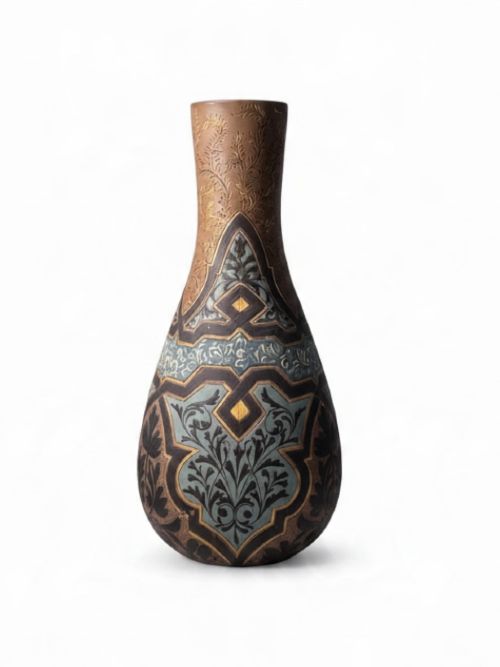
Originating from English, European and Asian workshops, these pieces showcase diverse aesthetic movements such as Chinoiserie, Arts and Crafts, Art Nouveau and Art Deco.
Materials and construction
Makers utilised ceramic, porcelain, stoneware and earthenware as the primary bodies for these vessels, applying cobalt pigment and enamel under or over the glaze.
Finishing touches frequently incorporated gold leaf and gilt detailing alongside carved or moulded elements such as moriage relief work.
Blue Decorated Ceramic Retail Price Guide 2026
Typical asking prices for blue decorated ceramic among the pieces listed under this phrase on Sellingantiques today, from the lower quarter to the upper quarter. They describe what is for sale here now, not the wider market.
The material selection covers earthenware, stoneware, bisque porcelain and Parian ware embellished with enamel and gold leaf.
Distinctions in quality
The standard of a blue decorated ceramic piece rests upon the precision of the hand-painted brushwork and the depth achieved in the cobalt glaze.
The sophistication of the modelling, the clarity of the maker or period mark, and the preservation of delicate gilt or enamel highlights separate standard wares from exceptional examples.
Spode Porcelain·Royal Doulton·Wedgwood·Royal Worcester·Doulton Lambeth·Samson of Paris·Ernst Wahliss
The Blue Decorated Ceramic Glossary
- Imari palette
- A traditional Japanese style of ceramic decoration employing underglaze blue combined with iron red and gold on porcelain.
- Moriage
- A type of raised clay decoration used on Japanese ceramics to create textured surface patterns and figures.
- Garniture
- A set of matching vases or urns designed to be displayed together on a mantelpiece or sideboard.
- Caneware
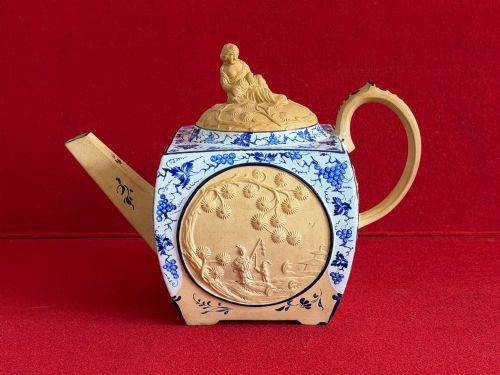
- A fine stoneware body developed in the late eighteenth century, possessing a pale buff colour resembling cane.
- Pastille burner
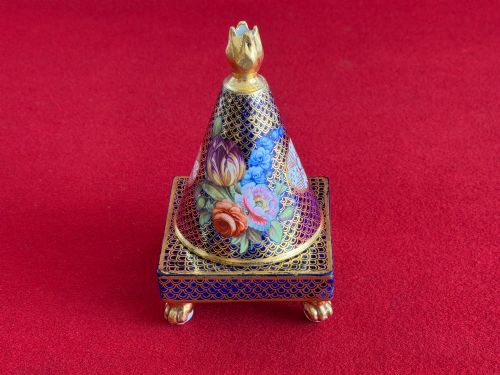
- A small ceramic vessel pierced to allow the fragrant smoke of burning pastilles to escape into a room.
Blue Decorated Ceramic: Frequently Asked Questions
How were these ceramics used?
Many pieces served practical household functions such as pouring liquids, serving tea or containing water for cut flowers.
Others functioned purely as ornamental displays, garnitures and cabinet pieces placed in reception rooms.
How should I display them at home?
Display these ceramics on sturdy surfaces away from direct foot traffic where their glaze and painted details can catch the light.
Grouping matching garnitures or pairing contrasting blue and white vessels creates a balanced visual arrangement.
How do I identify different periods?
Periods are identified through a combination of the ceramic body type, the chemical composition of the glaze and the painting style.
Maker marks, factory stamps and specific decorative motifs such as Art Nouveau lines or Georgian shapes provide further chronological context.