


Blue Coastal Oil Canvas
Blue coastal oil canvas works capture maritime scenes and shorelines through pigment laid thickly on woven fabric.
Blue Coastal Oil Canvas
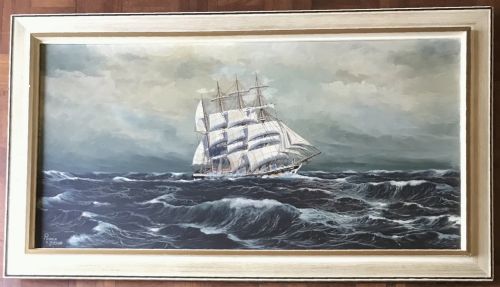
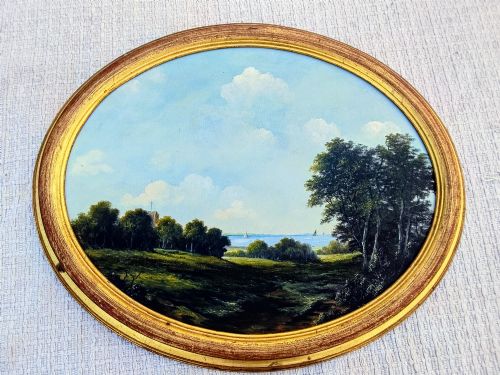
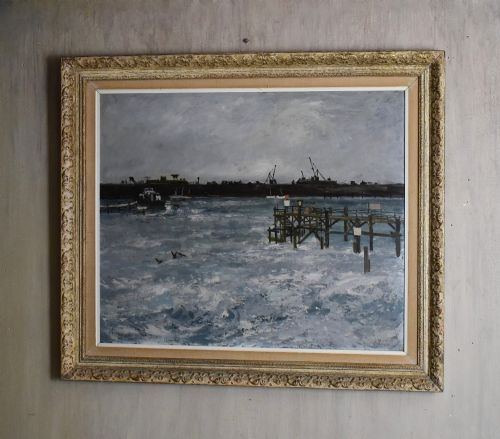
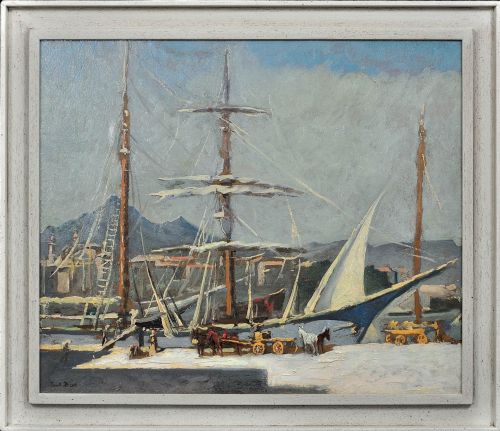
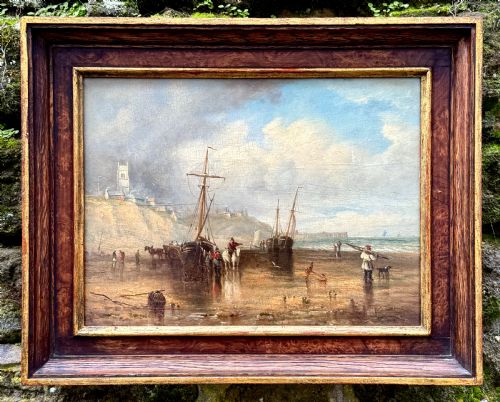
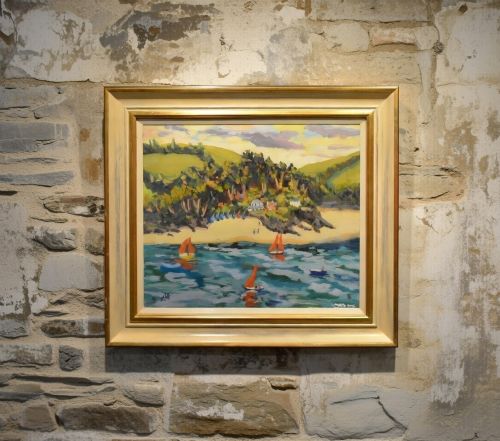
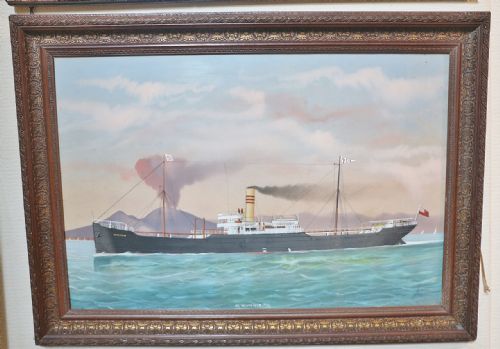
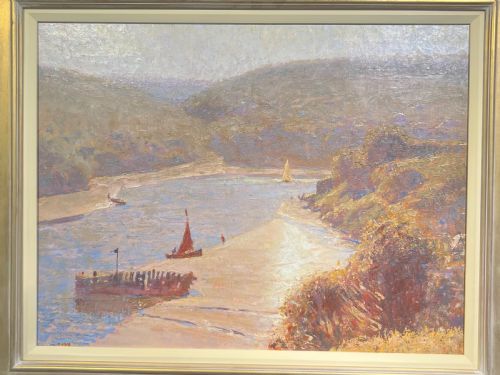
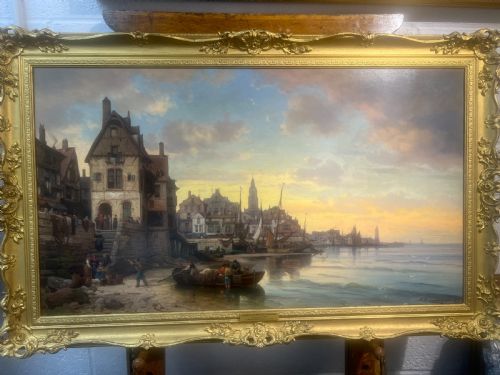
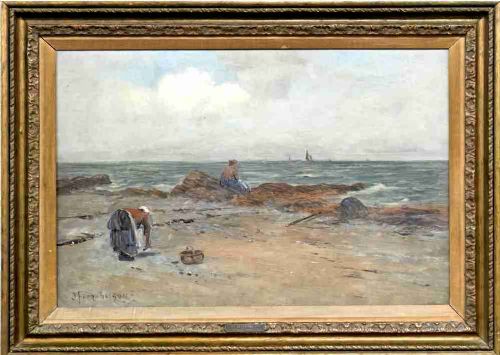
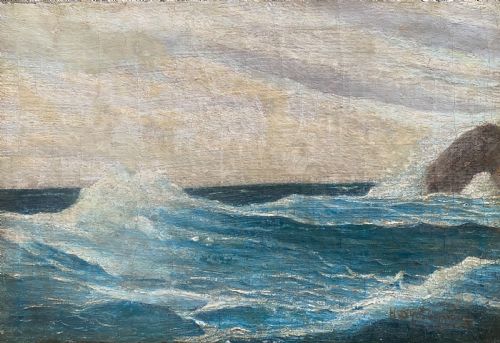
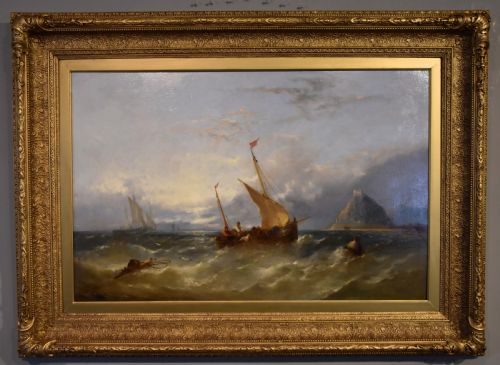
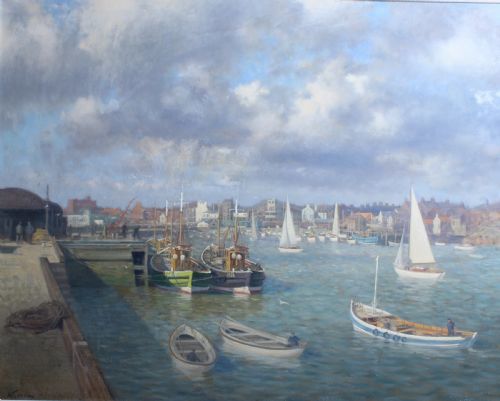
A blue coastal oil canvas depicts maritime views, harbours, and shores executed primarily in oil paint upon a woven canvas support. These works range from nineteenth-century realism to mid-century impressionist interpretations of British and European coastlines.
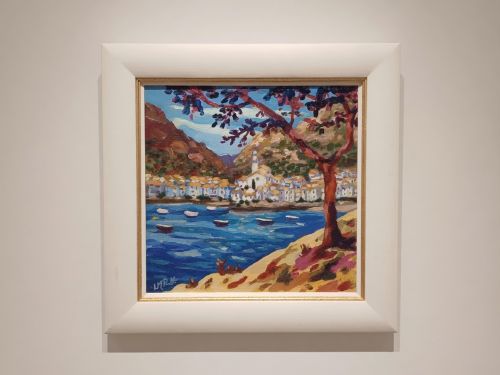
The selections span eras from the Victorian period through the nineteen-sixties, incorporating styles such as maritime realism and post-impressionism. Buyers encounter framed views of Cornish harbours, Mediterranean ports, and open seas reflecting various shades of blue.
Materials and construction
Artists apply oil paint directly onto stretched canvas, often mounted in wooden frames, sometimes accented with gilt or gilded wood finishes. The medium allows for textured impasto strokes as well as smooth, blended colour transitions.
The combination of oil pigments and woven canvas provides durability and flexibility, allowing painters to capture the shifting light and atmosphere of the sea.
The listings span from the eighteenth century through the nineteen-sixties, featuring oil on canvas and gilded wood.
Factors determining quality
The distinction between tiers rests upon the artist's handling of light, atmosphere, and perspective within the marine environment. Masterful brushwork and confident composition elevate a piece above standard decorative topographical views.
Provenance and documentation regarding the artist and exhibition history further influence the standing of an individual work.
Lucy Pratt·Peter Brannan·Thomas Creswick·Joseph Farquharson·Edward Seago
The Blue Coastal Oil Canvas Glossary
- Canvas
- A heavy woven fabric used as a surface for painting. It provides a textured ground that holds oil pigments securely.
- Impasto
- A technique where paint is laid on an area of the surface in very thick layers. This makes the brush strokes visibly stand out from the canvas.
- Maritime Realism
- An artistic style dedicated to depicting ships, coastal scenes, and the sea with accurate detail. It emerged strongly during the nineteenth century.
- Post-Impressionism
- A predominantly French art movement that developed from impressionism. Artists extended impressionist use of vivid colours while adding distinct emotional depth.
Blue Coastal Oil Canvas: Frequently Asked Questions
How do I clean a canvas painting?
Surface dust can be removed gently with a very soft, dry brush. Avoid using water, cloths, or cleaning solutions on the painted surface.
Professional conservators should handle any deeper cleaning or removal of accumulated grime to prevent damage to the oil layers.
Where should I hang maritime art?
Display these works away from direct sunlight and steady moisture to protect the canvas and wooden frame. Stable indoor environments prevent warping and pigment degradation.
Placing the piece on an interior wall with balanced ambient lighting highlights the varied shades of blue.
How do I identify the period?
Examine the stretcher bars, framing style, and canvas texture for clues regarding age. Victorian and nineteenth-century works often feature distinct framing methods compared to nineteen-fifties modernist pieces.
Signatures, dates inscribed on the reverse, and biographical details of the artist help narrow down the exact decade of creation.
Are these paintings supplied framed?
Many listings include period wooden or gilt frames that complement the coastal subject matter. The framing often matches the era in which the artist completed the painting.
Descriptions specify whether the artwork retains its original framing or has been housed in a later setting.