



Impasto Coastal Landscape Oil
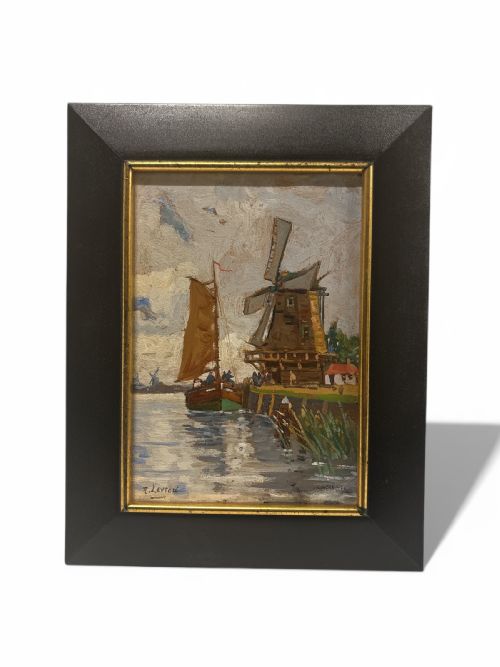
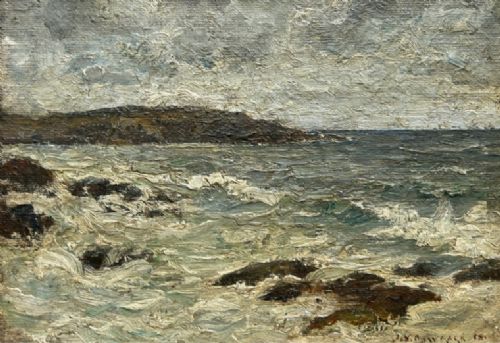
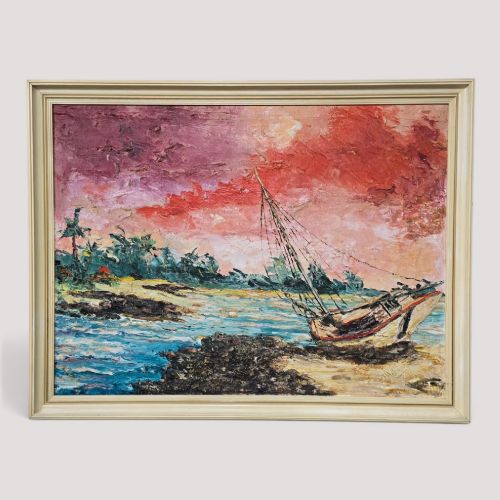
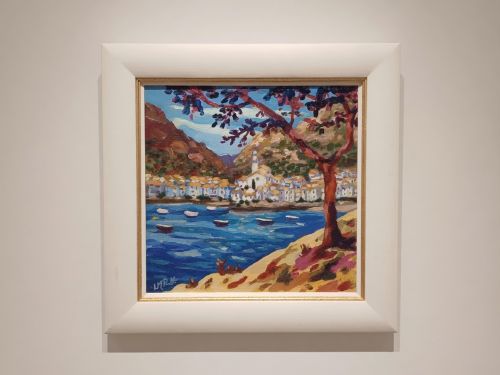
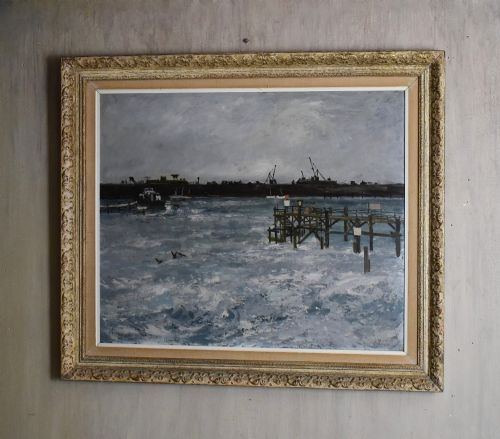
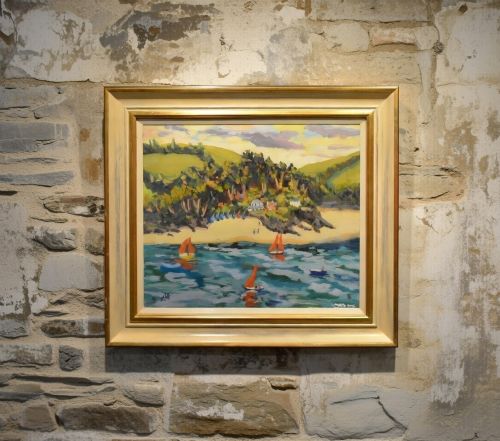
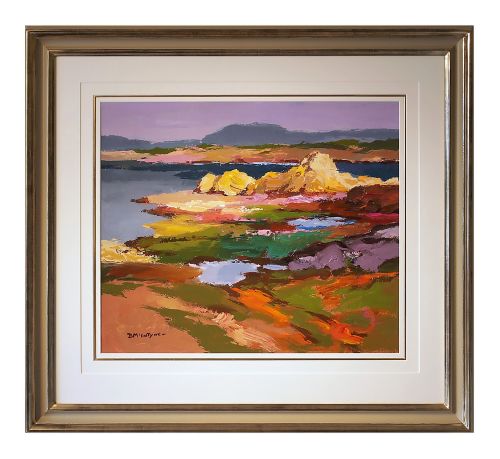
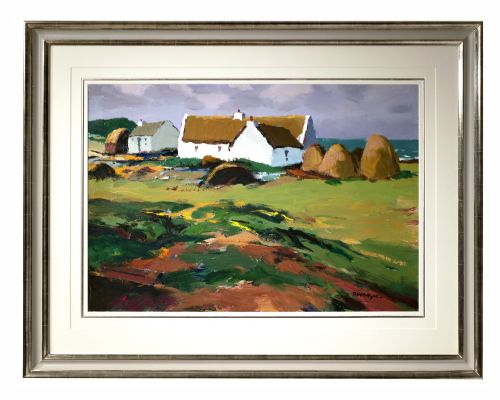
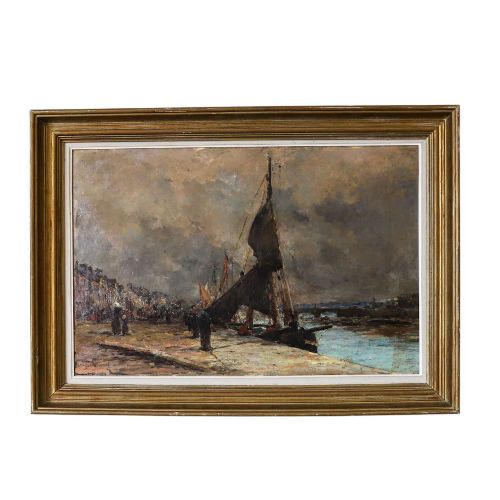
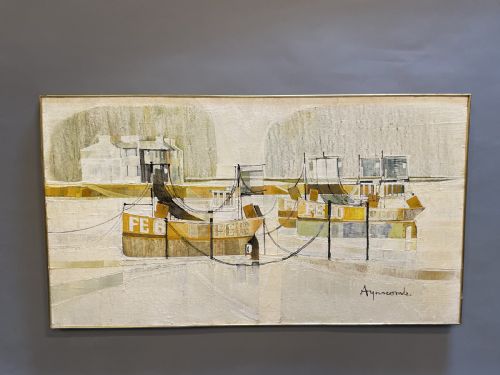
Impasto coastal landscape oil paintings capture sea air and light through thick, textured paint applied directly to canvas or board.
Impasto Coastal Landscape Oil
An impasto coastal landscape oil brings together maritime scenes, harbours and estuaries rendered with heavy, raised brushwork. You will encounter works spanning from the nineteenth century through to the mid twentieth century, with strong representation from the nineteen fifties and nineteen sixties.
The subjects range from British fishing ports and Welsh bays to French Riviera harbours and Mediterranean coasts. Painters employ impressionist and post-impressionist styles to record the movement of water, the texture of boats and the quality of coastal light.
Materials and construction
These works rely on oil paint applied thickly to surfaces such as canvas stretched over wooden frames, wooden board or panels. Artists build up pigments using brushes and palette knives, leaving visible ridges and gestures that catch the light.
Many paintings retain their original wooden and gilt frames, which provide structural support and complement the heavy application of paint on the primary surface.
Listings feature works spanning the nineteenth century, Edwardian era, and the nineteen twenties through to the nineteen sixties on canvas, board and panel.
Assessing quality and execution
Quality rests upon the confidence of the brushwork and the artist's ability to render light and atmosphere through thick pigment without losing spatial clarity. Stronger examples demonstrate deliberate, assured application where every stroke defines form and movement.
The relationship between the heavy paint surface and the underlying composition distinguishes accomplished works from simpler decorative pieces. The preservation of the paint layer, free from excessive cracking or unstable restoration, maintains the visual impact intended by the artist.
Kenneth Cozens·R Leyton·Lucy Pratt·Peter Brannan·Donald McIntyre·Helen Layfield Bradley·Jean-Baptiste Olive·Raymond Picque·James Fry·Cecil Rochfort D'Oyly-John·Florence Hess·Edward M Elliott·Jack R Mould
The Impasto Coastal Landscape Oil Glossary
- Impasto
- A technique where paint is laid onto a canvas in areas thick enough that the brush or palette knife strokes remain visible. This method adds tactile three-dimensional quality to the surface.
- Board
- A rigid wooden or manufactured substrate used as a support for oil painting instead of stretched fabric. It provides a firm foundation for heavy pigment applications.
- Gilt frame
- A wooden picture frame coated with gold leaf or metallic paint. These frames were frequently used to finish and protect maritime and landscape paintings.
- Post-Impressionism
- An art movement developing roughly from the eighteen eighties onwards where painters extended impressionist principles while rejecting its limitations. Artists emphasised symbolic content and heavier brushwork.
- Estuary
- A tidal mouth of a large river where the tide meets the stream. These coastal transition zones provide common subjects for maritime painters.
Impasto Coastal Landscape Oil: Frequently Asked Questions
What is an impasto coastal landscape oil?
These works are paintings that depict marine scenes, harbours and shores using thick, raised layers of oil paint. Artists apply the pigment with brushes or palette knives to create tactile surfaces.
Such pieces focus on capturing the rough textures of water, boats and coastal weather through visible, expressive brushstrokes.
How should I display an oil painting on board?
Paintings on rigid board benefit from stable indoor environments away from direct sunlight and excessive humidity. Proper hanging prevents warping of the wooden support over time.
Most works arrive fitted within traditional wooden frames that support the edges and protect the painted surface from accidental impact.
How do I identify mid-century coastal paintings?
Mid-century coastal works typically date from the nineteen fifties and sixties, reflecting impressionist or modernist approaches to light and colour. The handling of paint often prioritises mood and texture over strict realism.
Signatures, framing styles and artist biographies help place these works within their specific post-war British or European contexts.
What subjects appear in these coastal oils?
The subjects include British fishing villages, Welsh bays, Scottish estuaries and Mediterranean harbours along the French Riviera. Boats, sailing vessels and quaysides recur frequently across the selection.
Artists document both working ports and quiet coastal inlets, recording the changing atmosphere of the sea and sky.