


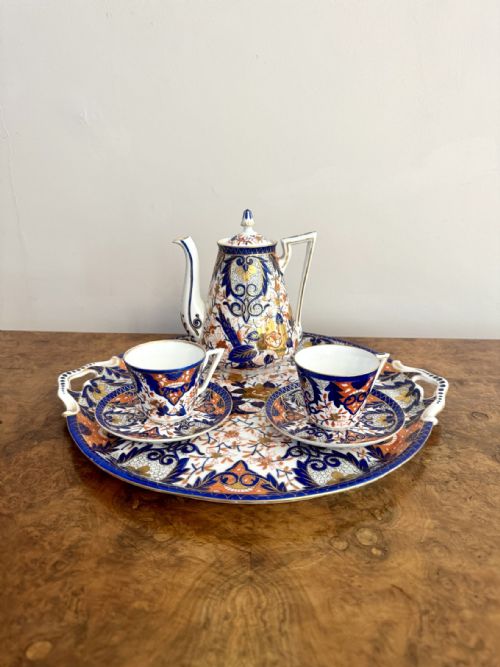
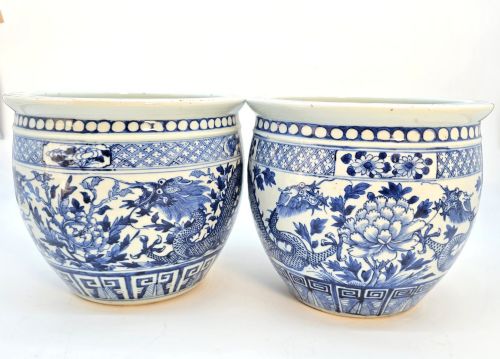
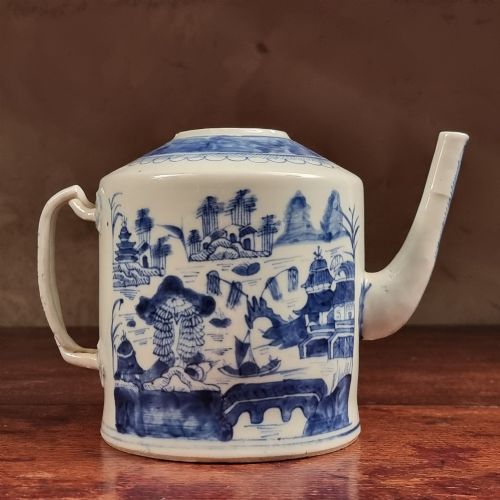
Blue Ceramic Pots
Blue ceramic pots encompass centuries of global pottery traditions, offering utilitarian and decorative vessels shaped from clay and finished in striking cobalt and white glazes.
Blue Ceramic Pots
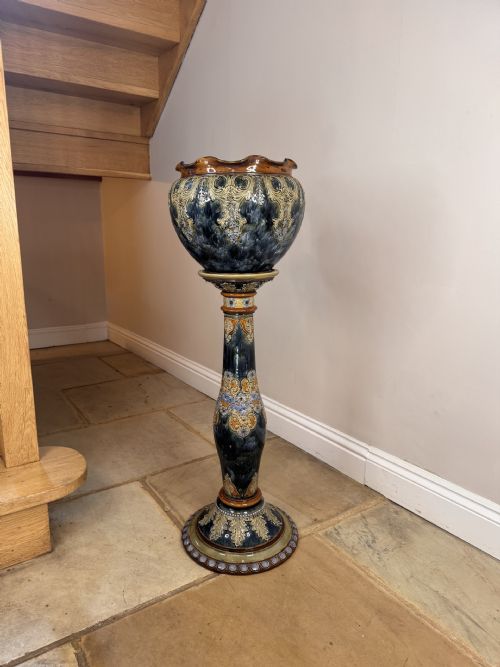
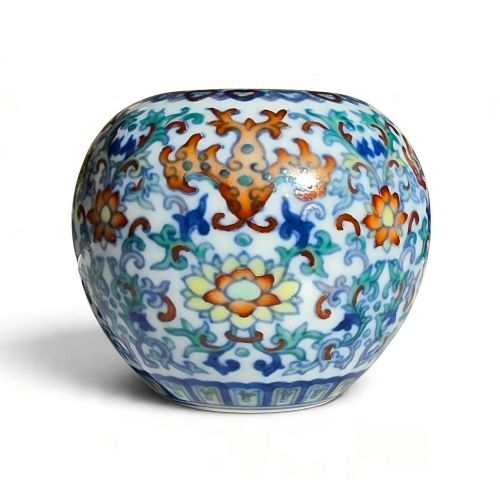
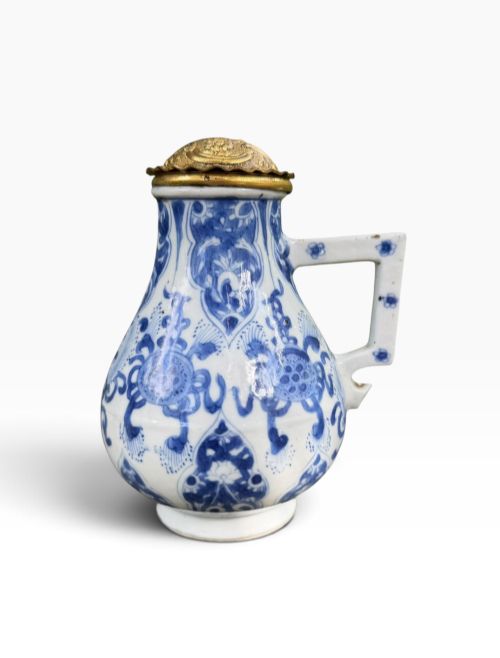
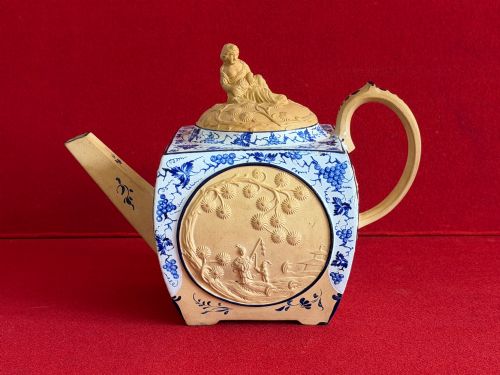
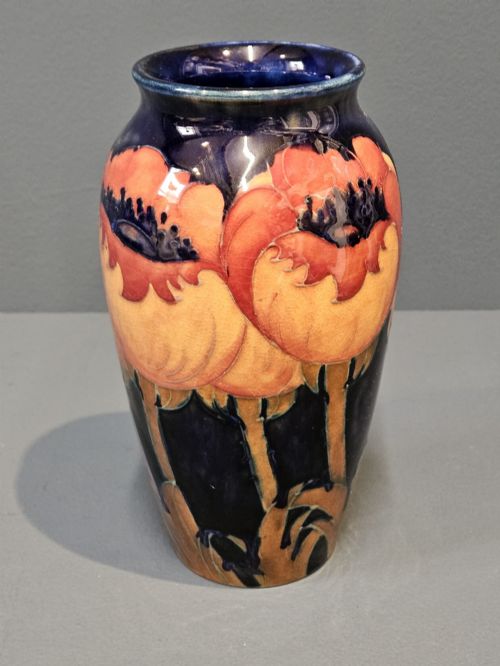
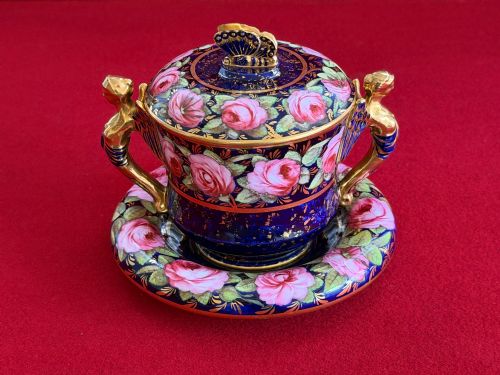
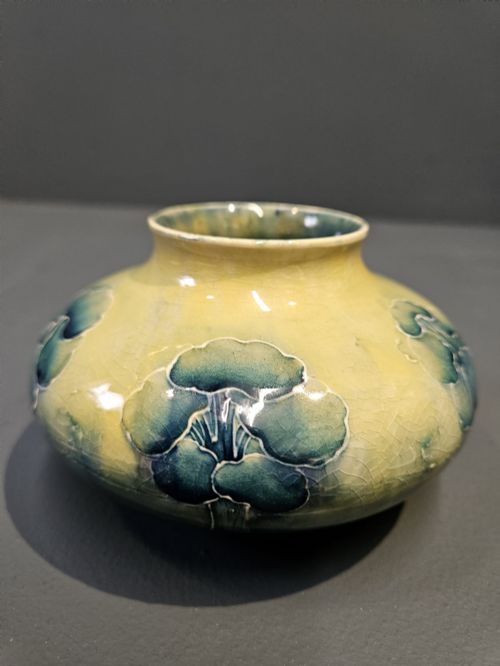
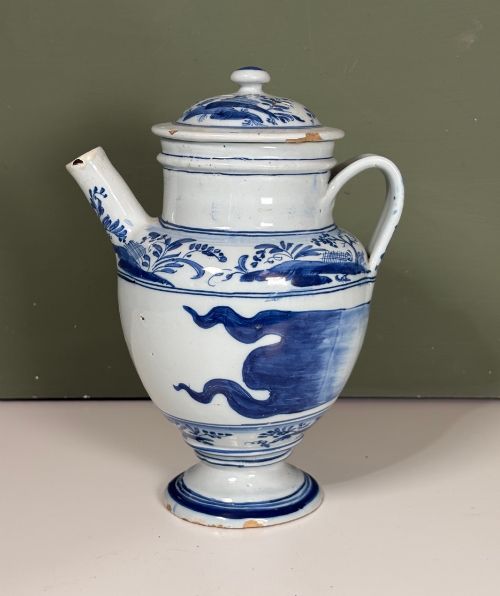
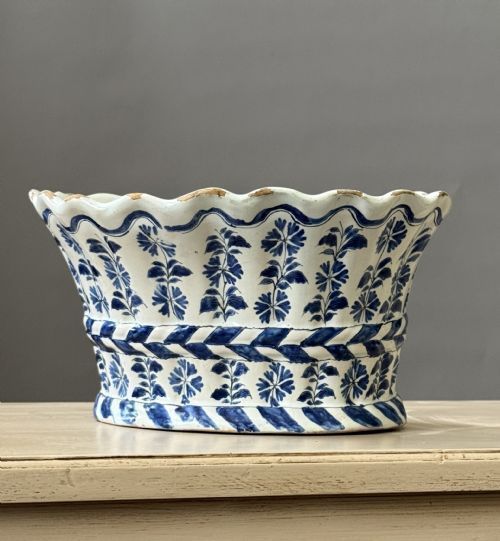
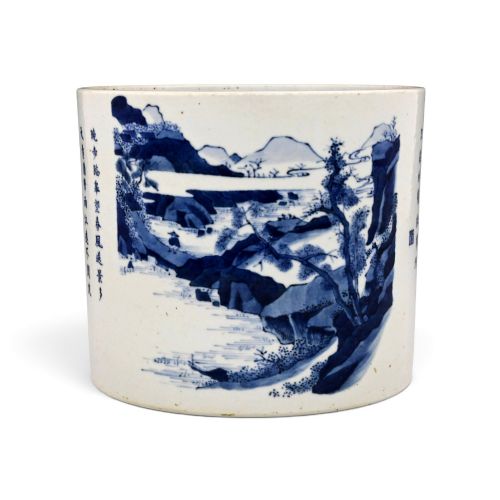
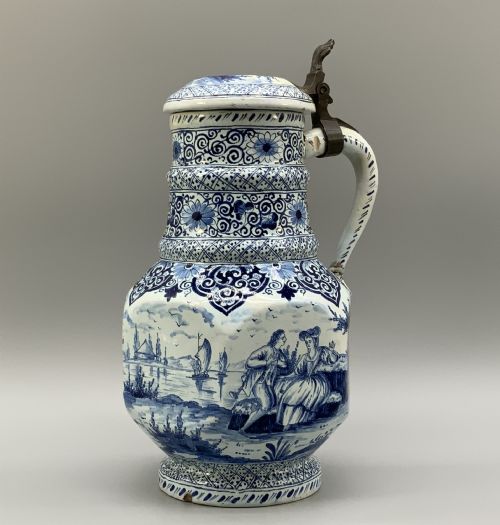
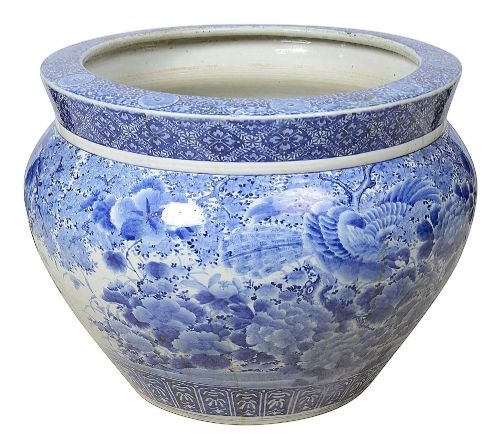
When searching for blue ceramic pots, buyers encounter a diverse selection of vessels spanning from the seventeenth century through the early twentieth century. The inventory includes large jardinieres, apothecary jars, brush pots, and teapots originating from English, Dutch, French, and Asian workshops.
The most common items met on this page are eighteenth-century Delftware vessels and nineteenth-century porcelain or stoneware planters. These pieces demonstrate how utilitarian domestic objects incorporated durable glazes and hand-painted cobalt designs across various decorative styles.
Originating from periods such as the Kangxi era, the Georgian era, and the Victorian period, these items reflect the shifting global trade of ceramics and the domestic requirements of past households. Each piece provides a tangible connection to historical kiln techniques and regional pottery forms.
Materials and Techniques
Makers shaped these pots from earthenware, stoneware, and porcelain, applying mineral-rich pigments beneath or over the glaze before firing the body in kilns. Cobalt glaze dominates the visual palette, yielding deep blue tones that react unpredictably to heat, while secondary additions such as gold leaf and enamel provide fine surface detail.
Techniques range from wheel-throwing to provincial moulding and hand-painting, resulting in variations of wall thickness and glaze pooling across individual vessels. Stoneware bodies received salt or slip coatings for durability, whereas finer porcelain pieces required precise high-temperature firings to achieve vitrification.
Blue Ceramic Pots Retail Price Guide 2026
Typical asking prices for blue ceramic pots among the pieces listed under this phrase on Sellingantiques today, from the lower quarter to the upper quarter. They describe what is for sale here now, not the wider market.
Listings feature vessels from the 17th, 18th, 19th, and early 20th centuries, utilising porcelain, earthenware, stoneware, and cobalt glaze.
Evaluating Quality
Quality in these vessels depends on the precision of the hand-painted decoration, the purity of the ceramic body, and the stability of the glaze during firing. Pieces produced by established potteries or imperial kilns display crisper cobalt brushwork and better-controlled surface finishes than standard provincial wares.
The sophistication of the form and the preservation of secondary materials, such as gilt metal mounts or pewter lids, elevate a piece above simpler utilitarian equivalents. Structural integrity, including the absence of major kiln distortions, distinguishes superior examples from standard production.
Moorcroft·Spode·Mintons·Royal Doulton·Kinkozan
The Blue Ceramic Pots Glossary
- Cobalt Glaze
- A blue metallic oxide pigment applied to ceramics before firing, capable of withstanding high kiln temperatures without losing its intense colour.
- Jardinerie
- A large ornamental pot or stand designed to hold a live plant or flower arrangement, frequently constructed from ceramic or porcelain.
- Bitong
- A cylindrical brush pot originating from China, traditionally used by scholars to hold calligraphy brushes.
- Delftware
- Tin-glazed earthenware produced in the Netherlands and England, known for its opaque white surface and blue painted decoration.
- Posset Pot
- A historic vessel featuring spouts or handles, used for serving a traditional hot milk and wine curd drink during the seventeenth and eighteenth centuries.
Blue Ceramic Pots: Frequently Asked Questions
What were apothecary jars used for?
Apothecary jars stored dried herbs, liquid medicines, and pharmaceutical compounds in shops and dispensaries. Their tight-fitting lids and glazed interiors protected contents from moisture and air.
Over time, these utilitarian containers entered domestic settings as decorative display items due to their hand-painted labels and blue floral motifs.
How do I care for antique ceramic pots?
Keep antique pots away from direct sunlight and sudden temperature shifts to protect the ceramic body and glaze. Dust them gently with a soft dry cloth.
Avoid using chemical cleaners or submerging porous earthenware bodies in water, as moisture can penetrate old glaze fractures.
How can I tell eighteenth-century Delftware apart?
Eighteenth-century Delftware exhibits a tin-glazed earthenware body that shows a slightly chalky or porous fabric where the glaze has chipped. The blue pigments often sink softly into the white tin enamel.
Examining the base reveals kiln spurs or stilt marks typical of period firing methods used in English and Dutch potteries.
Where were jardinieres placed in homes?
Jardinieres sat on tables, pedestals, or hearths to house large indoor ferns and flowering plants. They served both functional and decorative roles in nineteenth-century interiors.
Their heavy ceramic or stoneware walls provided stability for heavy root systems while containing water drainage from the plants.