

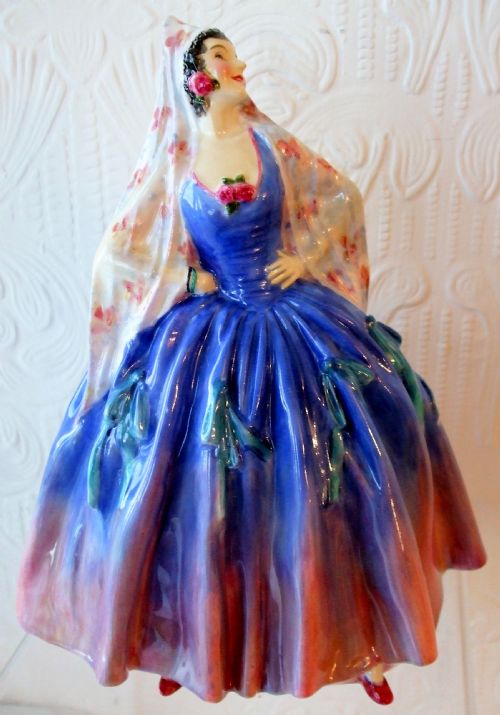


Blue Ceramic Ornaments
These blue ceramic ornaments bring the focused colour and hand-shaped character of past centuries directly to a mantelpiece.
Blue Ceramic Ornaments
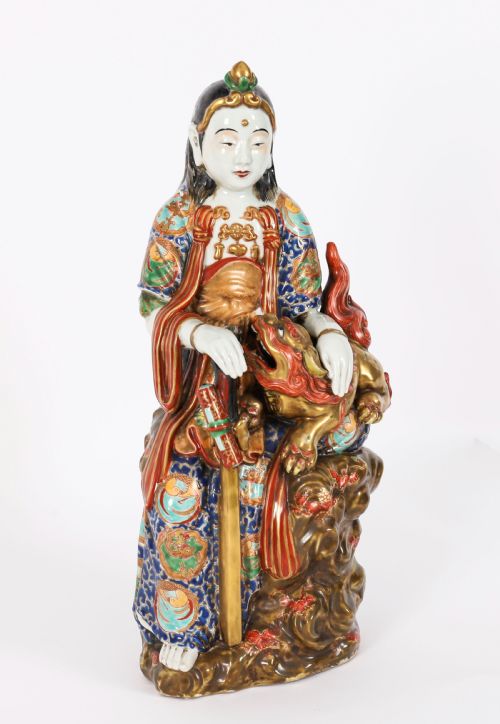
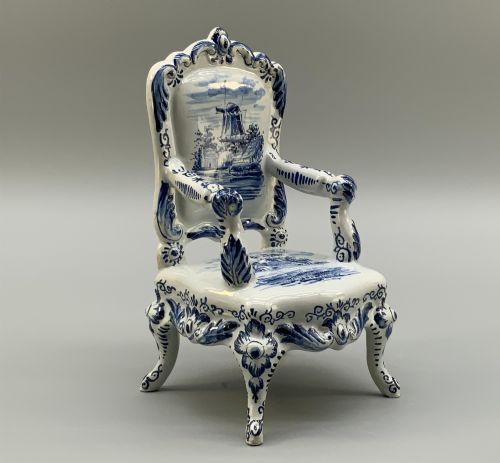
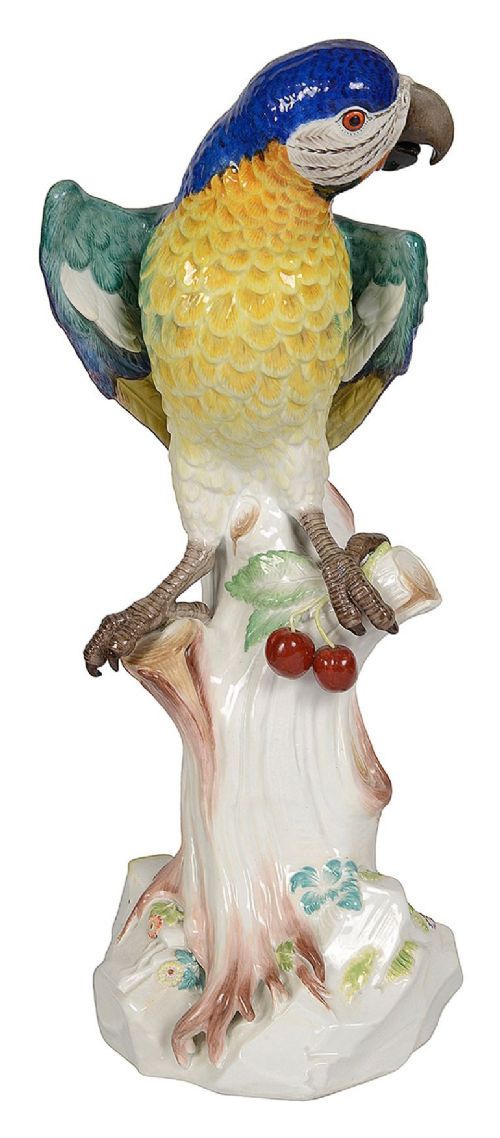
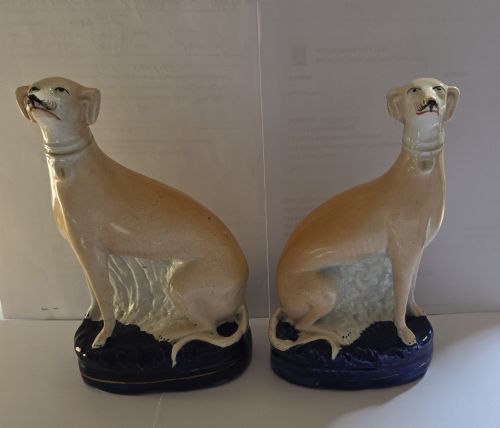
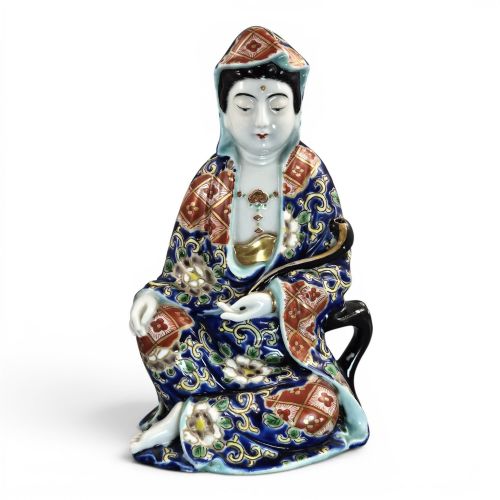
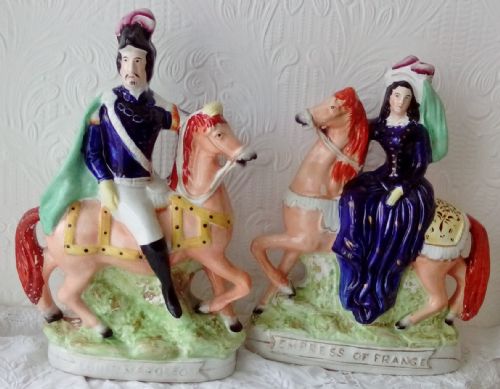
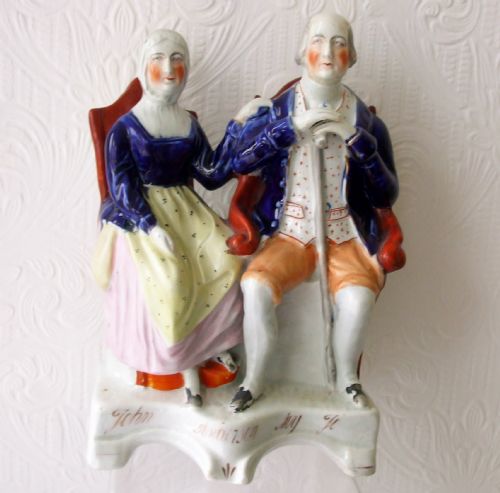
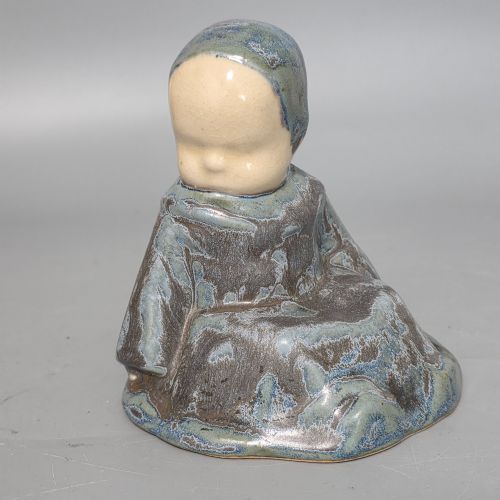
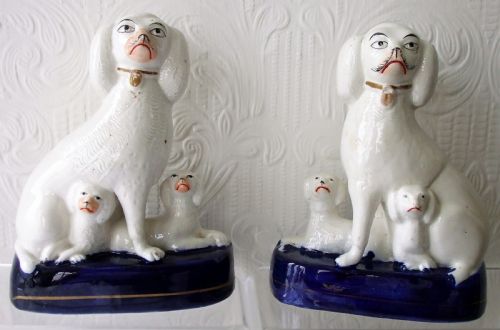
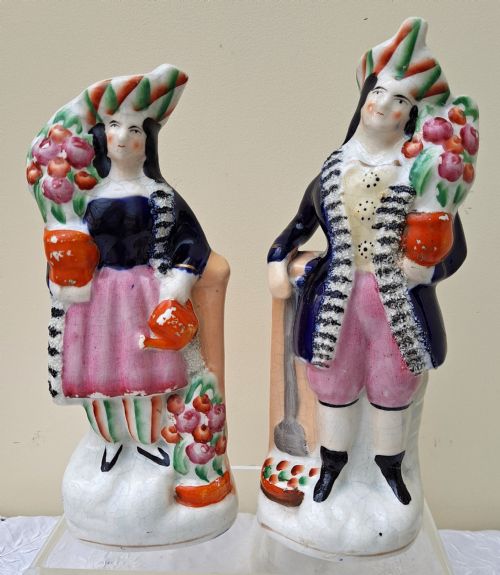
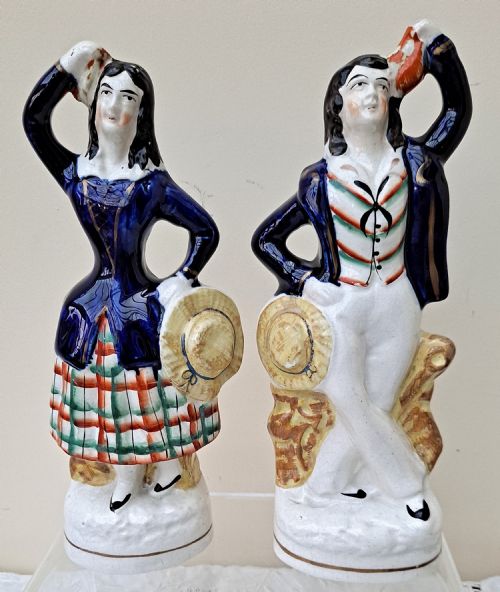
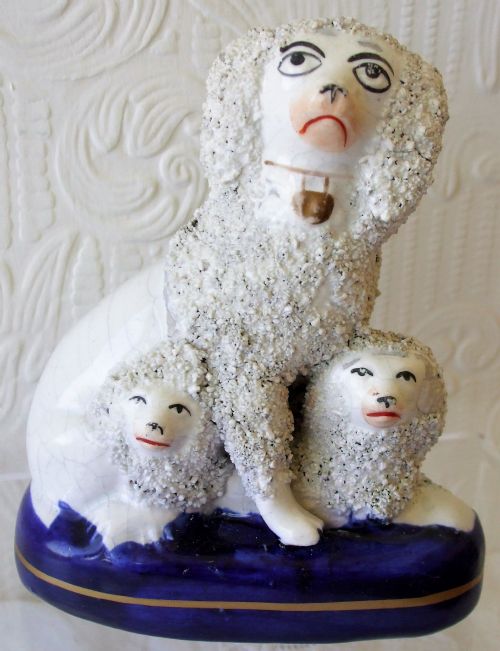
When you search for blue ceramic ornaments, you encounter a varied assortment of figural works, vessels, and small sculptures produced across the nineteenth century and into the early twentieth century. These pieces encompass Staffordshire earthenware figures, Japanese Kutani and Arita porcelains, Dutch Delft pottery, and European porcelain factory productions.
The selections span portrait groups, animal models such as whippets and poodles, spill vases, and classical figurines rendered in cobalt and enamel palettes. Victorian earthenware and Meiji period porcelain dominate the offerings, providing distinct regional interpretations of ceramic ornament during their respective eras.
How they were made
The makers utilised earthenware, stoneware, and hard-paste porcelain, shaping them through moulding, throwing, or hand-modelling before applying lead glazes, enamel colours, and sometimes gold leaf or gilt details. Figures were frequently cast in two-part moulds, then hand-finished and painted with cobalt blue oxides before firing at high temperatures.
Listings feature items spanning earthenware, stoneware, and porcelain, decorated with cobalt blue, enamel, and gilt highlights.
What varies in quality
The quality in blue ceramic ornaments rests upon the crispness of the modelling and the precision of the hand-painting, where sharper facial expressions and deliberate brushwork separate superior pieces from simpler utilitarian output. Finer examples retain clear underglaze cobalt definition without bleeding into the surrounding white ground.
Attention to secondary details, such as gilt accents and the depth of the glaze application, distinguishes workshop standards, while uniformity in pairs indicates careful kiln placement and higher artisanal oversight during production.
Meissen·Royal Doulton·Royal Worcester·Doulton Lambeth·Samson Paris
The Blue Ceramic Ornaments Glossary
- Cobalt blue
- A deep blue metallic oxide pigment used extensively for underglaze decoration on ceramics because it withstands high kiln temperatures without fading. This mineral gives traditional Delftware and Staffordshire figures their characteristic dark blue coloration.
- Flatback
- A style of Staffordshire pottery figure moulded with a detailed front and a flat, unpainted or minimally glazed back designed to sit flush against a wall. These ornaments were typically displayed on mantelpieces where only the front view was visible.
- Underglaze
- A decoration method applied to ceramic bodies before the final glaze layer is fired over the top. This technique seals the pigment beneath a glassy protective coating, preventing wear over time.
- Spill vase
- A hollow cylindrical ceramic vessel attached to a figure, historically utilised to hold wooden spill sticks for lighting fires and candles. They combined domestic utility with decorative sculptural display on nineteenth-century hearths.
- Bisque
- Unglazed fired porcelain or ceramic body possessing a matte, tactile surface texture resembling marble. It gained popularity in nineteenth-century busts and decorative figures for its soft, light-absorbing finish.
Blue Ceramic Ornaments: Frequently Asked Questions
How should I clean my blue ceramic ornaments?
Dust these pieces gently with a dry, soft-bristled brush to remove surface particles without disturbing older glazes.
Avoid using water or chemical cleaners, particularly on earthenware pieces with delicate gilt highlights or lead glazes that can degrade over time.
Were Staffordshire figures meant to be toys?
Staffordshire figures served purely as decorative ornaments for middle-class domestic interiors rather than playthings for children.
Placed on mantelpieces and sideboards, they commemorated public events, royalty, or popular literary characters of the nineteenth century.
Why do some blue ornaments have flat backs?
Potters shaped figures with flat backs to economise on materials and allow the ornaments to sit securely against cottage and parlour walls.
This construction method reduced weight and production costs while fitting the narrow depth of Victorian fireplace mantels.