


Antique Nautical Figurines
Antique nautical figurines capture maritime life through detailed sculptures of sailors, fishermen and seabirds.
Antique Nautical Figurines
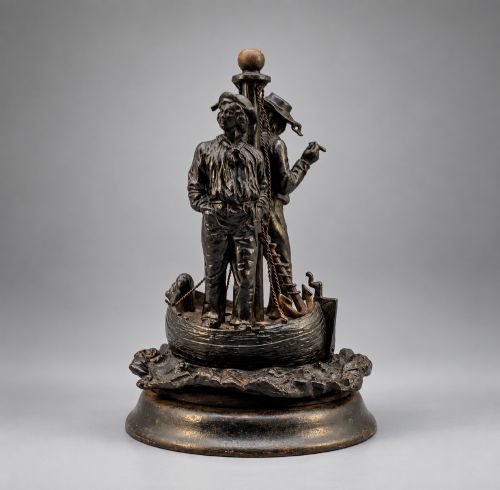
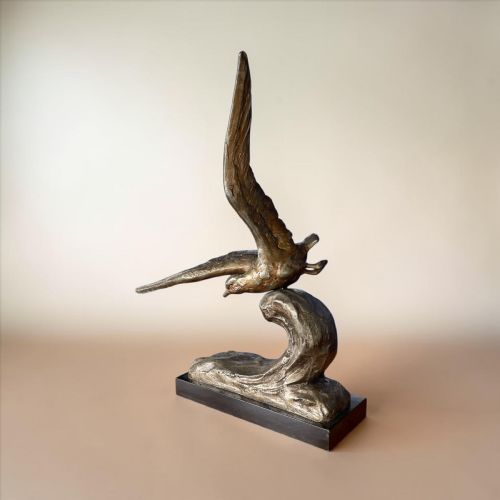
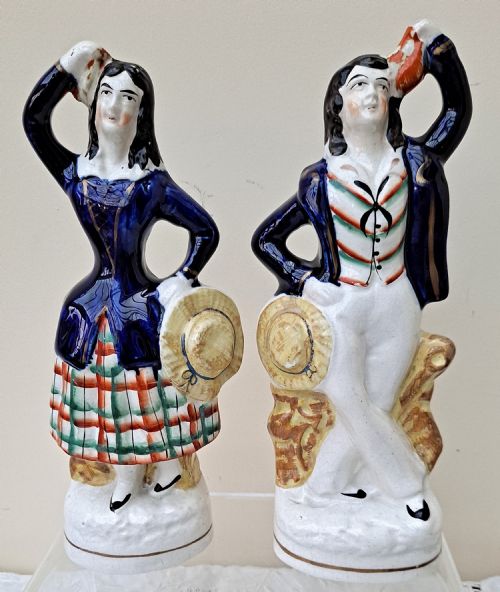
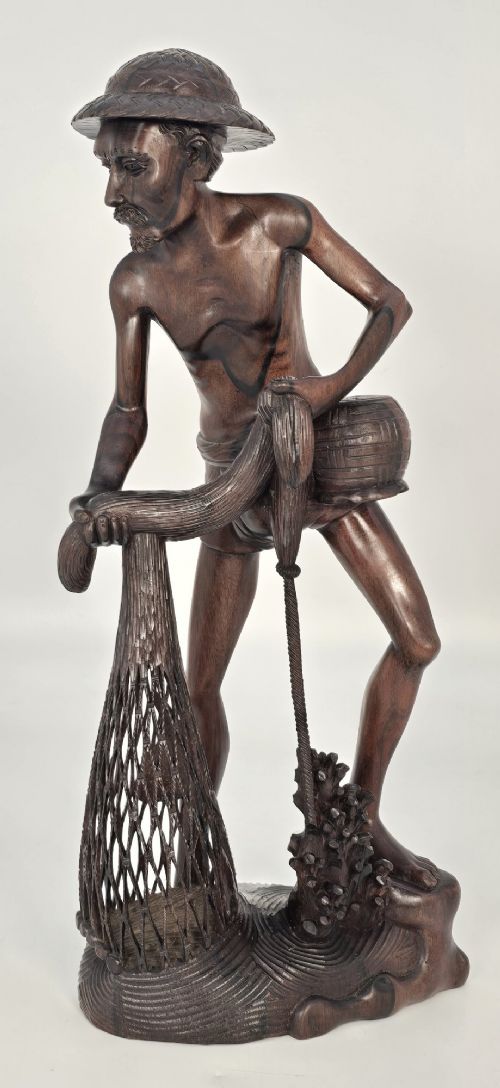
These antique nautical figurines represent maritime figures and creatures carved, modelled or cast to celebrate life on the water. When searching for antique nautical figurines, buyers encounter a diverse selection ranging from Staffordshire pottery sailors to carved hardwood fishermen.
The most common examples on this page date from the Victorian era up to the 1930s, encompassing earthenware pottery, bronze and folk art. Pieces often depict named theatrical characters like Ben Backstay or working fishermen from specific coastal traditions.
Materials and construction methods
Pottery figures utilise moulded earthenware finished with glazes, enamel or majolica colouring to create durable display items. Staffordshire pieces rely on traditional ceramic casting and hand-painting techniques common in the nineteenth century.
Carved works employ dense hardwoods shaped by hand to portray fishermen with distinct textures, while bronze figures utilise metal casting to achieve heavier, more durable maritime sculptures.
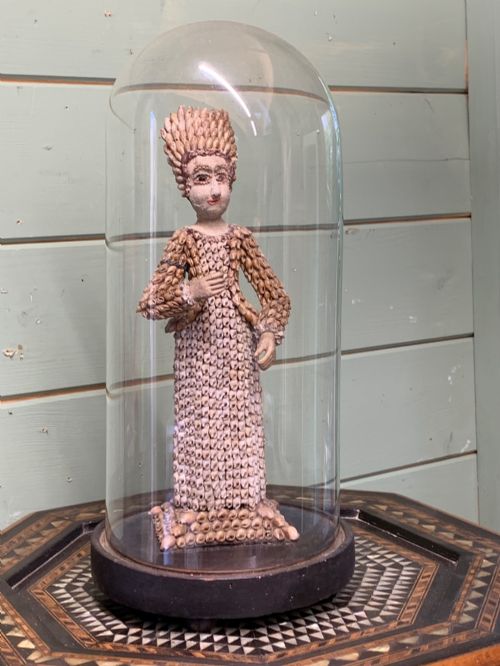
Current listings feature earthenware, bronze, hardwood and seashell materials across the 19th century, Victorian period, 1900, 1910, 1930 and Art Deco styles.
Assessing craftsmanship and execution
Lesser pieces exhibit heavy or crude moulding with simplified glazes that obscure finer sculptural elements. The distinction lies in whether the maker achieved a convincing likeness and solid structural execution.
The Antique Nautical Figurines Glossary
- Staffordshire pottery
- Earthenware ceramic items produced in the Staffordshire potteries, frequently featuring figures and theatrical subjects. These items often include titled bases identifying specific characters.
- Majolica
- A type of colourful lead-glazed earthenware popular during the Victorian period. It provides a glossy, vibrant finish to figural ceramics.
- Folk art
- Utilitarian or decorative objects created by self-taught or traditional artisans rather than professional academic sculptors. This category includes whirligigs and handmade maritime carvings.
- Bisque
- Unglazed ceramic porcelain or earthenware that has been fired once, offering a matte, porous surface texture.
- Whirligig
- A wind-driven folk art mechanism where the motion of the wind animates parts of the figure, such as a sailor signalling.
Antique Nautical Figurines: Frequently Asked Questions
What materials are these figurines made from?
The pieces utilise a variety of materials including earthenware ceramics, glazed pottery, carved hardwood, bronze and seashells.
Pottery and earthenware dominate the Victorian Staffordshire items, whilst maritime folk art frequently incorporates wood and found materials.
How do I date a nautical figurine?
Dating relies on stylistic markers, manufacturing techniques and any inscribed titles or registry marks on the base. Victorian pieces often show specific glazing styles and theatrical naming conventions.
Later pieces from the 1930s reflect distinct Art Deco design elements and smoother lines compared to earlier folk art carvings.
Were these figures meant for display?
Most of these sculptures served as decorative mantel ornaments or cabinet pieces for collectors and maritime enthusiasts. Earthenware figures and bronze boatmen were manufactured primarily to adorn domestic interiors.
Some objects, such as majolica teapots, combined functional vessel use with figural maritime design.