

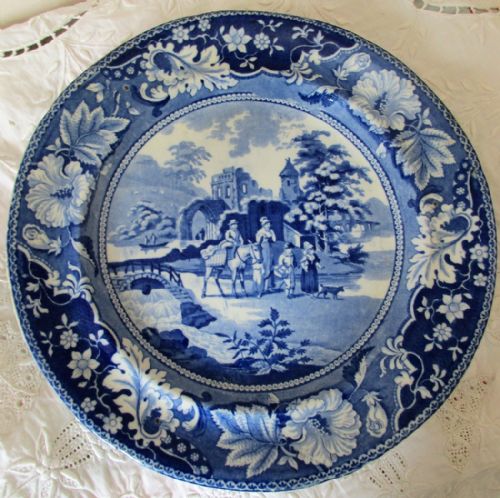
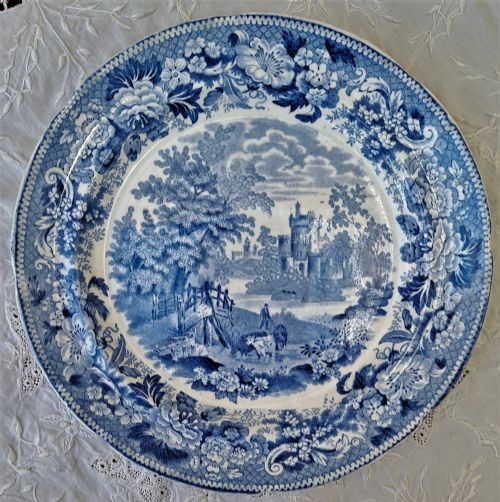
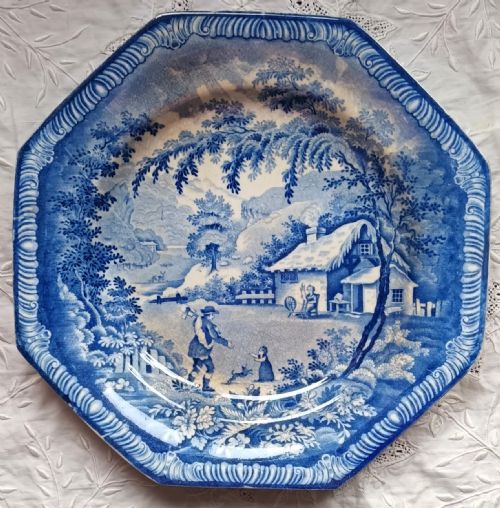
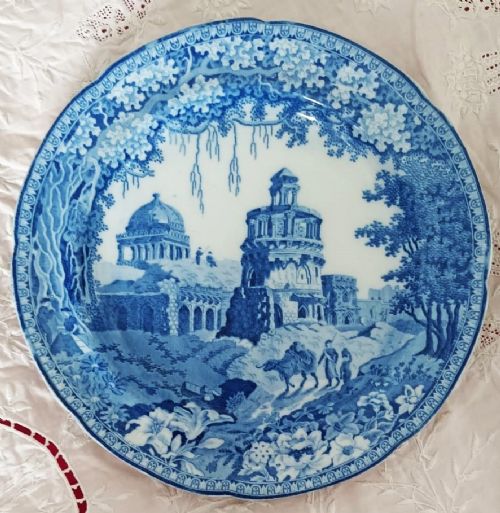
Blue Ceramic Display Plate
A blue ceramic display plate brings together centuries of pigment and form, designed principally for visual impact rather than the dining table.
Blue Ceramic Display Plate
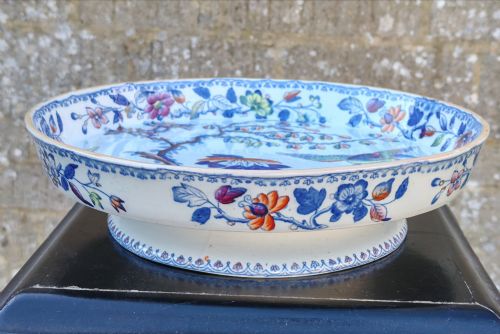
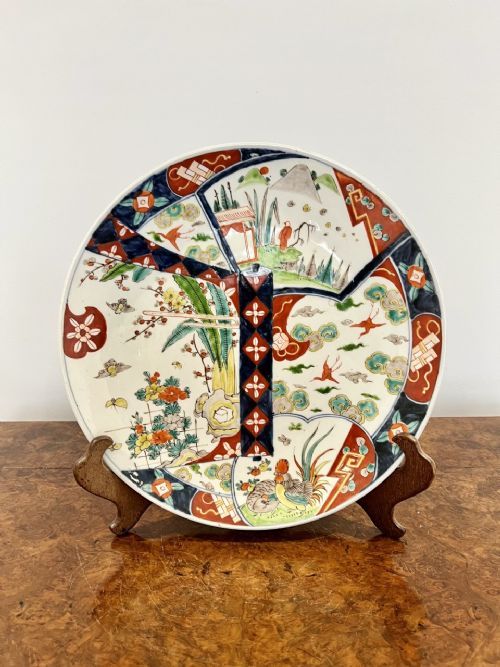
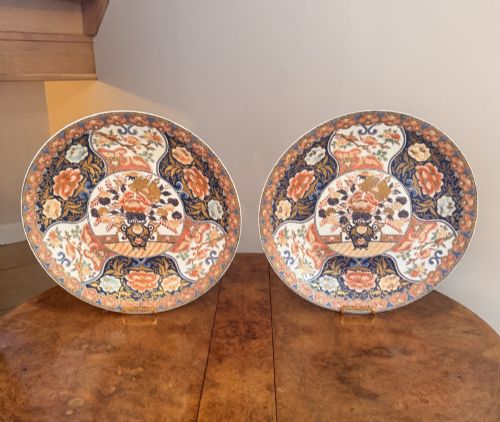
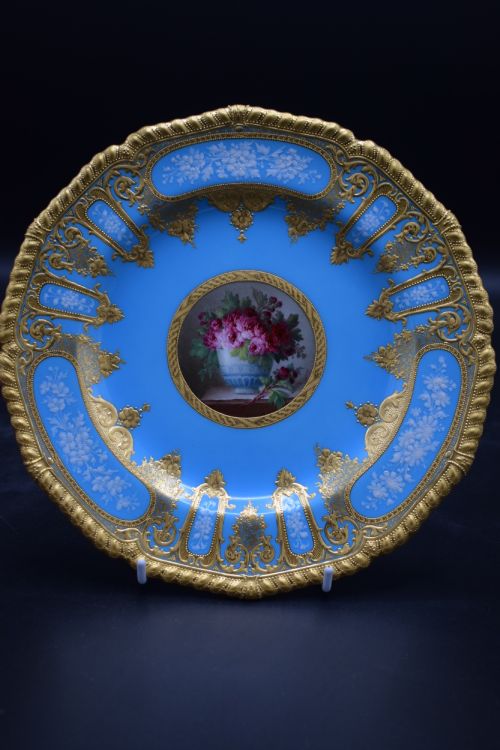
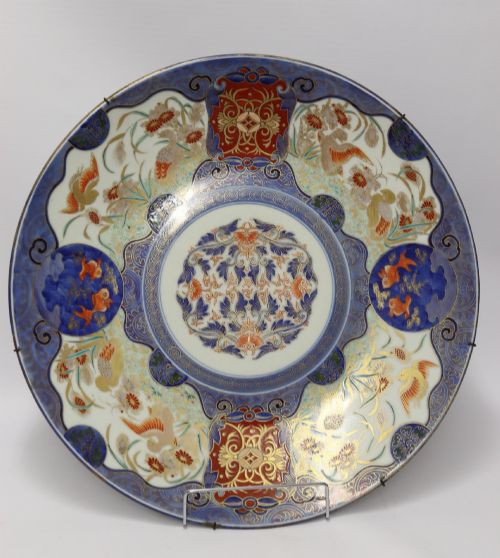
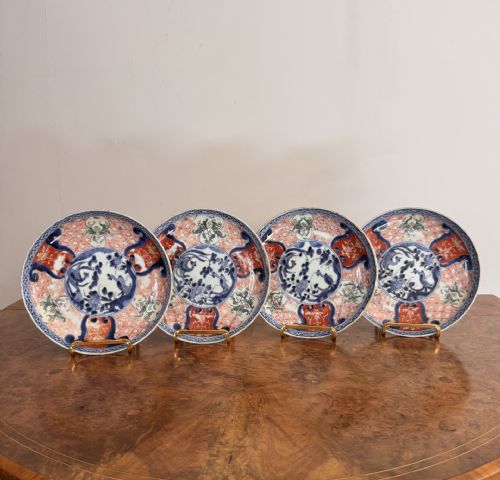
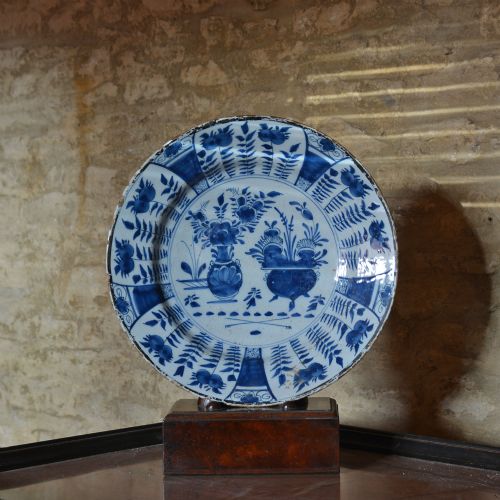
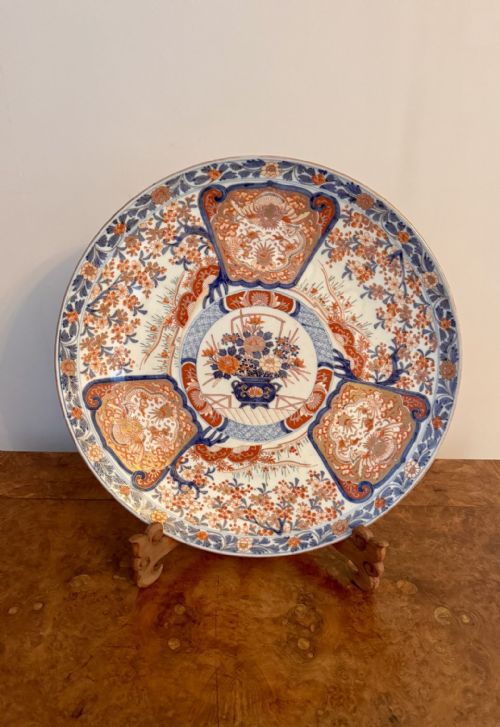
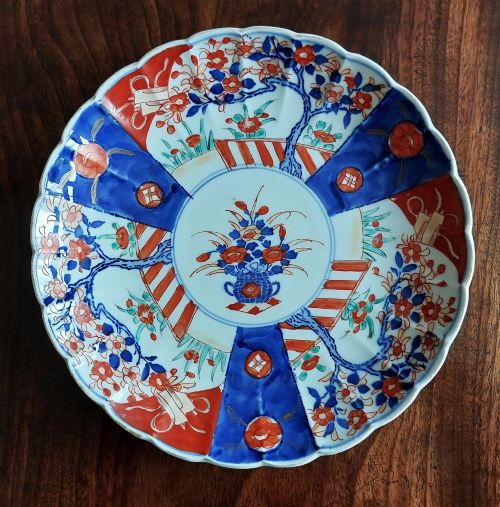
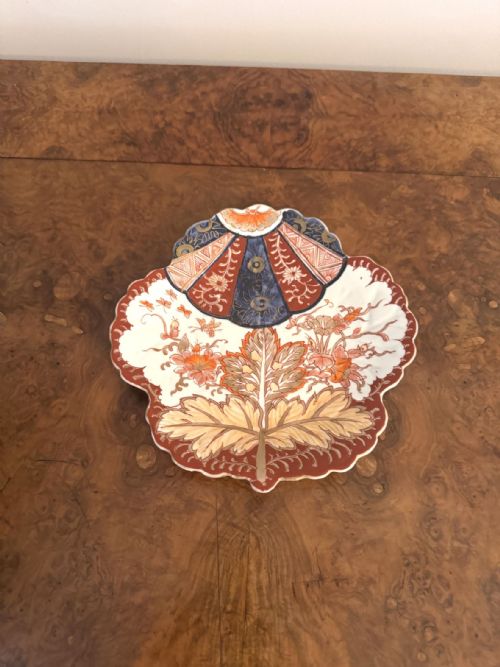
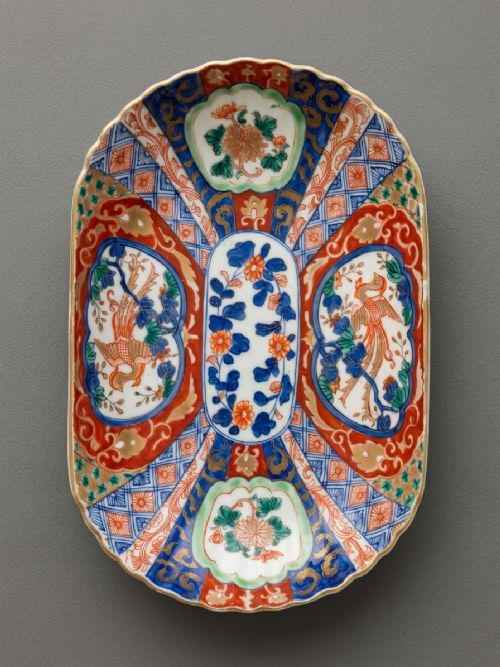
A blue ceramic display plate encompasses everything from heavy tin-glazed chargers produced in the seventeenth century to delicate porcelain cabinet plates painted by factory artists in the twentieth. When looking for a blue ceramic display plate, collectors frequently encounter Japanese Imari works from the Meiji period alongside English transferware and Dutch Delft chargers.
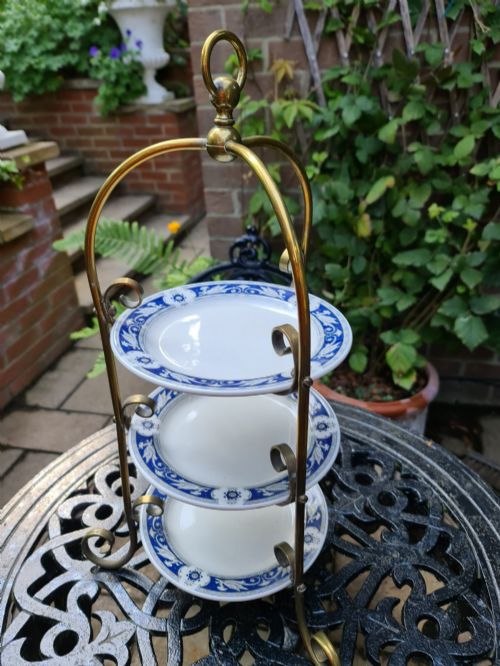
Forms range from broad chargers and scalloped dishes to hexagonal plates and multi-tiered cake stands. These pieces function primarily as decorative focal points, often pierced for hanging or proportioned for cabinet display rather than everyday domestic use.
How they were made
Makers utilised earthenware, stone china and porcelain as the foundational bodies, applying tin glaze, enamel or cobalt blue pigments before high-temperature firing. Transfer printing allowed complex pictorial scenes to be transferred onto English earthenware plates with notable precision.
Japanese Imari and Dutch Delft methods relied heavily on hand-painted cobalt blue and polychrome pigments, sometimes finished with gold leaf highlights. The interaction between the absorbent clay body and the fluid glaze creates subtle variations in depth and surface texture across the ceramic plane.
Blue Ceramic Display Plate Retail Price Guide 2026
Typical asking prices for blue ceramic display plate among the pieces listed under this phrase on Sellingantiques today, from the lower quarter to the upper quarter. They describe what is for sale here now, not the wider market.
Materials documented across the inventory include tin-glazed earthenware, stone china, gold leaf and hand-painted porcelain.
What varies in quality
The distinction between standard domestic wares and exceptional display pieces lies in the precision of the brushwork and the clarity of the cobalt blue pigment. Hand-painted cabinet plates executed by named studio artists command attention through meticulous control of detail and colour harmony.
The crispness of the moulding and the stability of the glaze during firing dictate the overall refinement of the object. Superior examples retain sharp decorative borders and vibrant pictorial depth without blurring or pooling in the ceramic glaze.
Zacharia Boyle·Brameld & Co.·John Rogers & Son·Davenport·Royal Crown Derby·William Smith & Co·Bow Porcelain·Meissen Porcelain·Royal Worcester·Spode
The Blue Ceramic Display Plate Glossary
- Charger
- A large ornamental plate or dish, traditionally exceeding thirty centimetres in diameter, intended for display on a wall or dresser rather than for holding food at table.
- Imari
- A style of Japanese porcelain and ceramic ware exported from the port of Imari, distinguished by a palette of cobalt blue, iron red and gold.
- Delft
- Tin-glazed earthenware originating in the Netherlands and England, characterised by an opaque white surface painted with blue decorative motifs.
- Transferware
- Ceramic pottery impressed with a design transferred from an engraved copper plate, enabling intricate pictorial scenes to be reproduced consistently.
- Cabinet plate
- A highly finished porcelain plate produced specifically for display within a glass-fronted cabinet rather than for practical utility.
Blue Ceramic Display Plate: Frequently Asked Questions
How do I hang a heavy ceramic charger?
Display chargers require specialist spring-loaded brass hangers that distribute the weight evenly across the rim without putting pressure on the ceramic body. Secure fixings driven directly into wall studs provide the necessary support for heavier earthenware pieces.
Avoid wire or adhesive disc attachments sold for lighter plates, as these can fail over time. Period chargers often feature integrated footrings with pierced holes designed specifically for cord suspension.
Were these plates used for dining?
Most large chargers and cabinet plates were made strictly for decorative display on sideboards, walls or purpose-built plate racks. Their generous scale and elaborate painted surfaces made them status symbols rather than functional tableware.
Smaller dessert plates and transferware dishes did see occasional service during formal courses, but surviving examples with pristine enamels usually spent their lives safely in cabinets.
How do I distinguish Delft from porcelain?
Delftware possesses a porous earthenware body covered in an opaque tin-glaze that yields a slightly softer, chalky edge where exposed. Porcelain is vitrified, dense and rings clearly when tapped gently.
Under magnification, blue pigment on tin-glazed earthenware tends to sink slightly into the softer glaze surface, whereas porcelain keeps cobalt pigments crisp beneath a glassy, transparent coat.
What is the difference between Imari and Arita?
Arita is the geographic centre of Japanese porcelain production in Hizen province where the clay was mined and fired. Imari is simply the port town from which these finished wares were shipped to European markets.
Collectors use the terms interchangeably to describe the distinct blue, red and gold palette developed during the Edo and Meiji periods.