

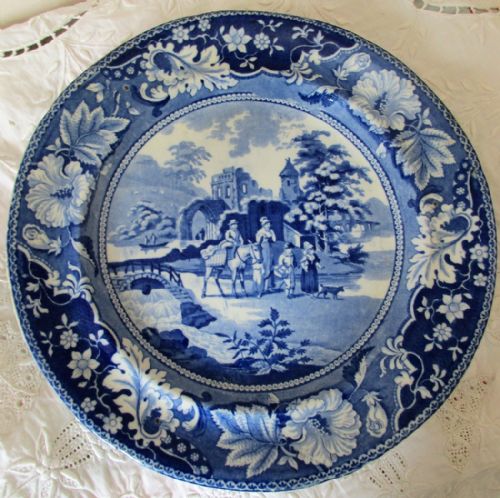
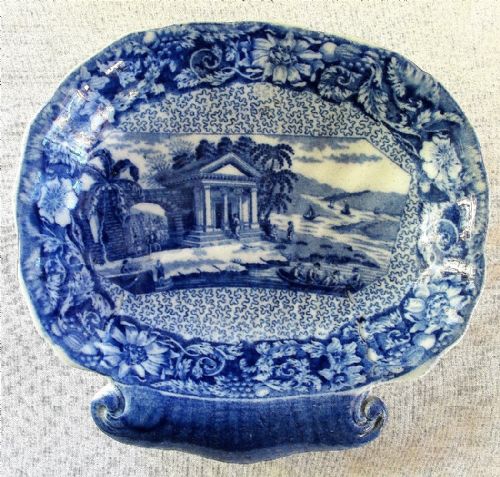
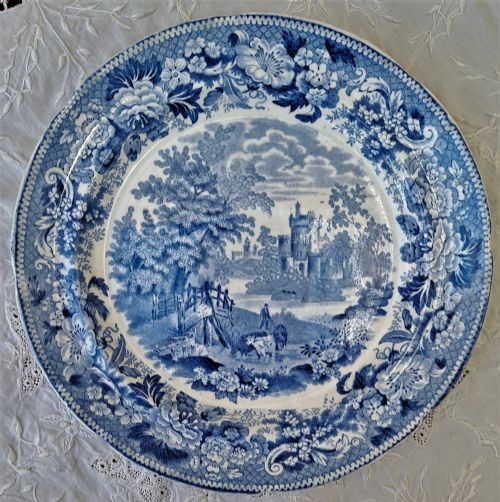
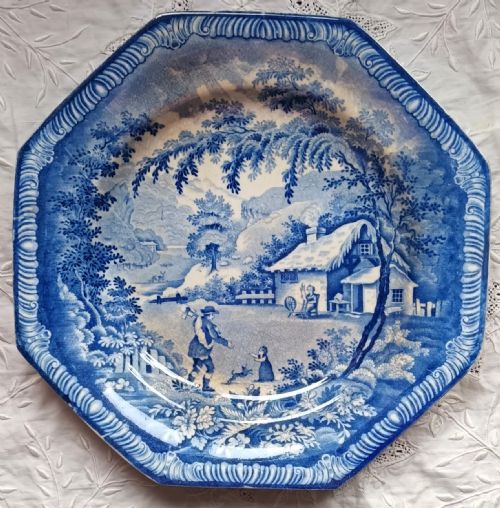
Georgian Printed Pottery
Georgian printed pottery brings together cobalt pigskin decoration and creamware bodies to offer narrative scenes from the late eighteenth and early nineteenth centuries.
Georgian Printed Pottery
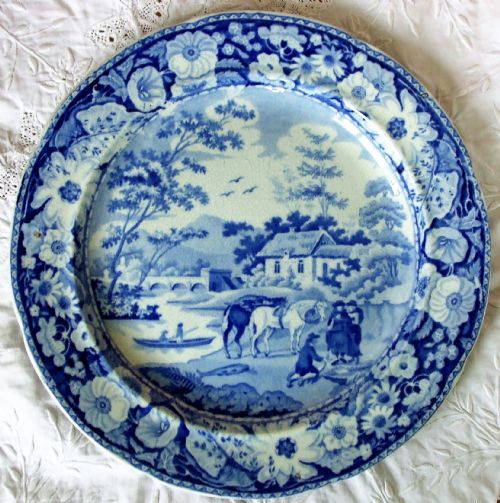
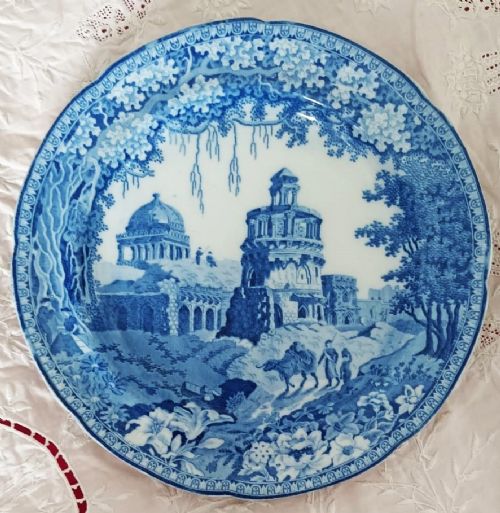
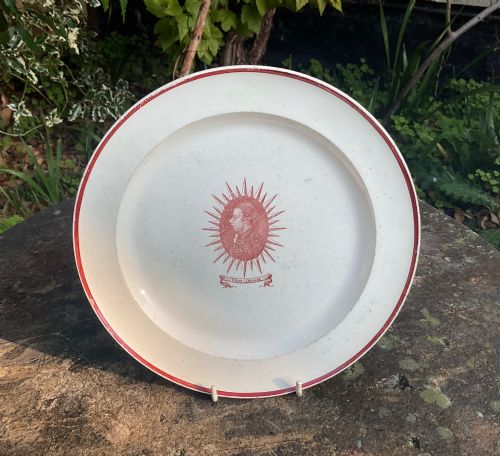
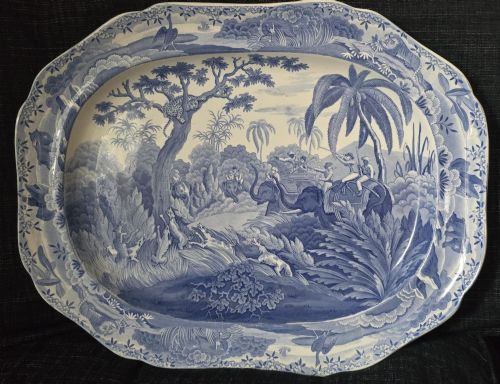
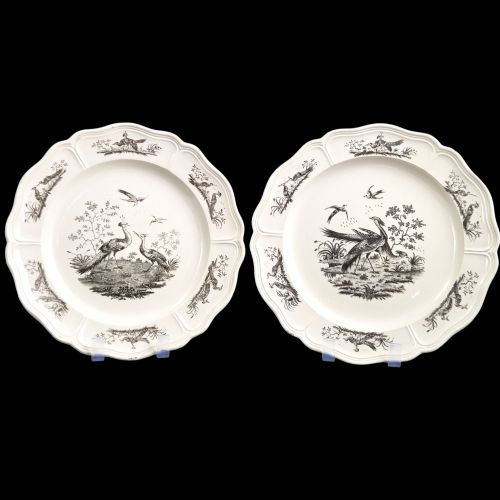
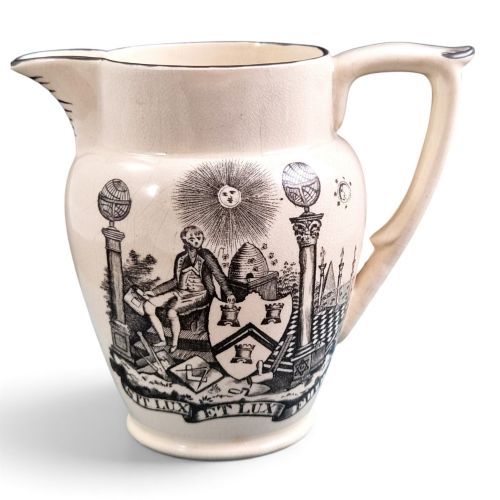
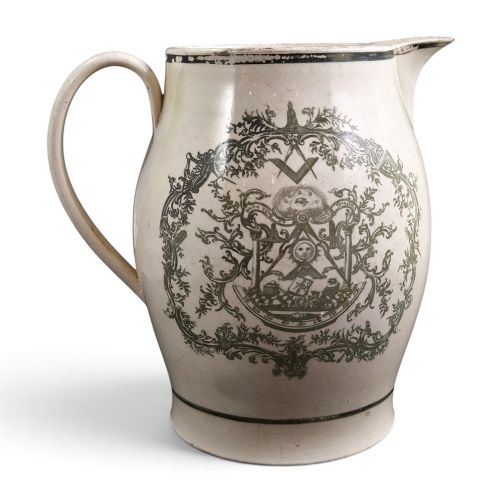
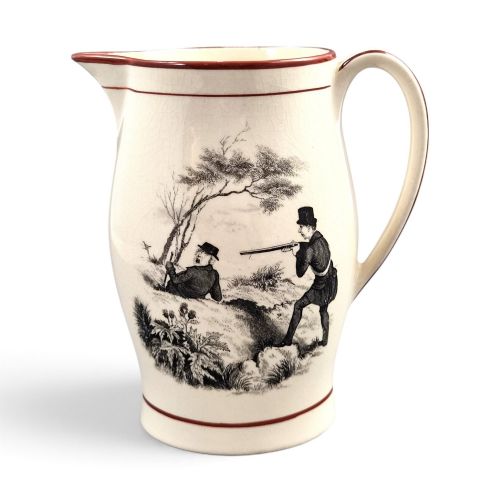
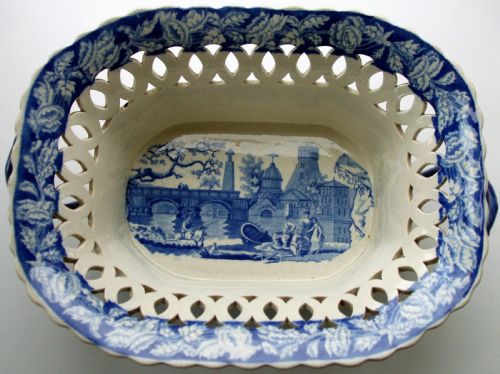
When seeking out georgian printed pottery, collectors encounter functional vessels and tableware decorated with transfer-printed designs. The inventory includes serving platters, plates, chestnut baskets, and large jugs featuring pastoral scenes, architectural ruins, and narrative subjects.
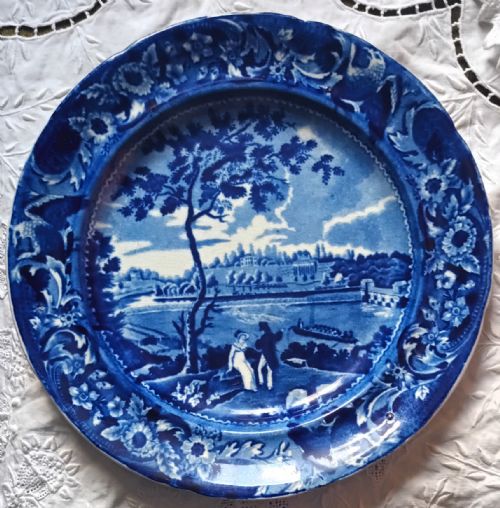
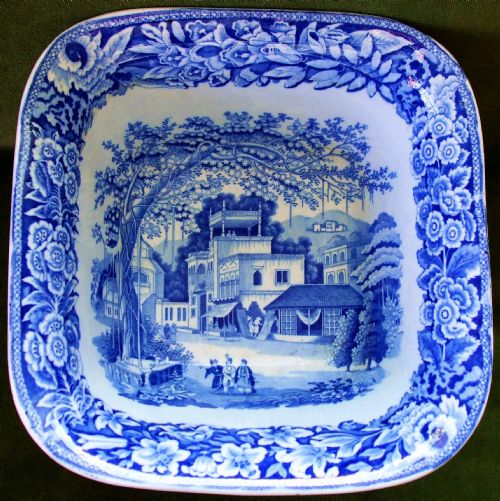
Most examples originate from Staffordshire potteries and prominent factories operating during the Georgian and Regency periods. Blue and white transfer-printed patterns dominate the selection, applied across creamware, pearlware, and earthenware bodies.
How they were made
Potters formed earthenware, creamware, and pearlware bodies before applying designs via copperplate transfer printing. Cobalt pigment or black transfer print transferred detailed pictorial scenes onto the ceramic surface prior to glazing.
Completed pieces received transparent lead glazes or cobalt glazes to seal the pigment before firing in kilns. Specialised forms like reticulated chestnut baskets and footbaths required intricate hand-piercing alongside the standard printed decoration.
Georgian Printed Pottery Retail Price Guide 2026
Typical asking prices for georgian printed pottery among the pieces listed under this phrase on Sellingantiques today, from the lower quarter to the upper quarter. They describe what is for sale here now, not the wider market.
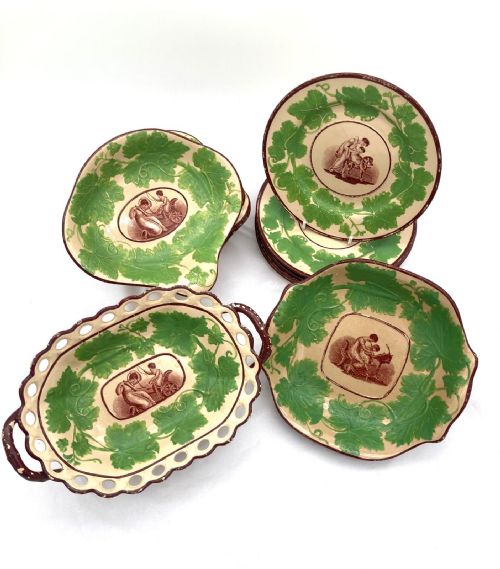
The inventory records specialised forms including footbaths, chestnut baskets, asparagus dishes, and multi-piece dessert services.
What varies in quality
The clarity of the transfer print defines the visual success of each piece, distinguishing sharp, well-registered pictorial details from blurred or smudged impressions. The crispness of underlying moulded body details, particularly on reticulated baskets and serving dishes, also marks superior craftsmanship.
Factory attribution and pattern complexity elevate certain items, with named topographical views or narrative series commanding greater interest than generic floral borders. The depth and evenness of the glaze further distinguish standard utility wares from exhibition-grade table services.
Zacharia Boyle·Brameld and Co·William Adams·John Rogers and Son·Leeds Pottery·Spode·J and R Clews·J and R Riley·Stubbs·Thomas Lakin·Don Pottery·Mason
The Georgian Printed Pottery Glossary
- Creamware
- A refined earthenware with a pale yellowish straw-colored lead glaze developed in Yorkshire and Staffordshire during the eighteenth century.
- Pearlware
- An improved earthenware body containing a small amount of cobalt in the glaze to neutralize the natural yellow tone and produce a bluish-white surface.
- Transfer printing
- A decoration technique where an engraved copperplate transfers an inked design onto tissue paper, which is then pressed onto the unfired ceramic body.
- Reticulated
- Pierced or openwork pottery decorated with geometric or lattice patterns, commonly seen on chestnut baskets and dessert service dishes.
- Sunderland lustre
- A ceramic finish featuring a distinctive pink or purple metallic sheen applied over a white or cream glaze, often combined with printed panels.
Georgian Printed Pottery: Frequently Asked Questions
What is georgian printed pottery?
It encompasses earthenware, creamware, and pearlware tableware decorated with engraved transfer-printed scenes. These items range from large serving platters to everyday plates and jugs.
Production centered in English potteries during the late eighteenth and early nineteenth centuries. The pieces showcase historical views, landscapes, and literary motifs in monochrome pigments.
How were these ceramic pieces used?
They served functional roles in formal dining and household administration during the Georgian era. Platters, tureens, and plates accommodated multicourse meals.
Large jugs and footbaths managed water and liquids in domestic spaces. Chestnut baskets held fruit and table nuts for dessert courses.
How do I identify the period?
Examine the ceramic body type, such as the creamy hue of early creamware or the bluish tint of pearlware. Stylistic clues in the transfer-printed borders and pictorial subjects also point to specific decades.
Potters' marks stamped or printed on the base provide definitive dates and factory origins. Design subjects often reference contemporary historical events or topographical views from the Regency era.
How should I care for transferware?
Wash these antique ceramics gently by hand using mild detergent and warm water. Avoid abrasive sponges and harsh automatic dishwashers to protect the historic glaze and pigment.
Display them securely away from edge hazards and direct sunlight. Sudden temperature shifts should be avoided to prevent stress on the earthenware body.