


Blue Ceramic Cabinet Plate
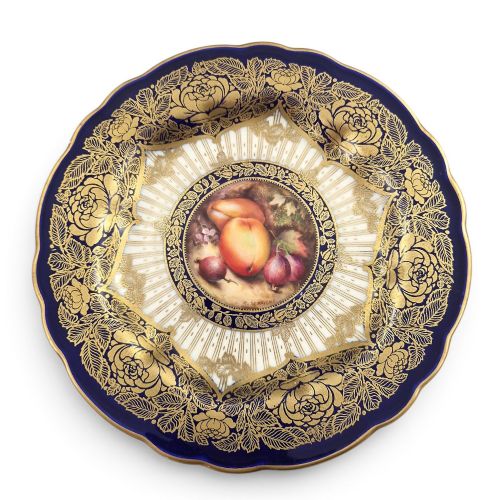
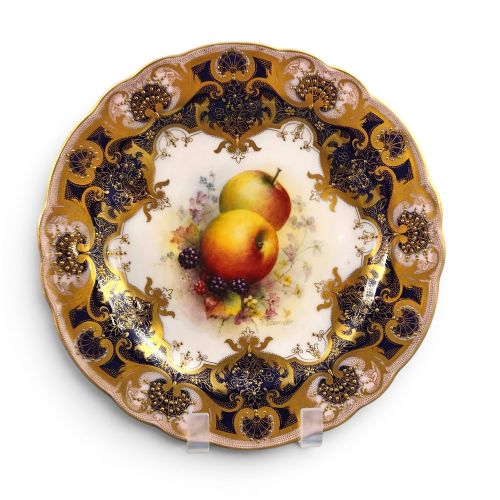
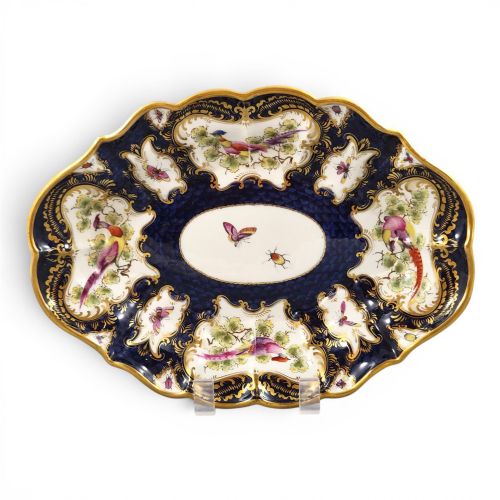
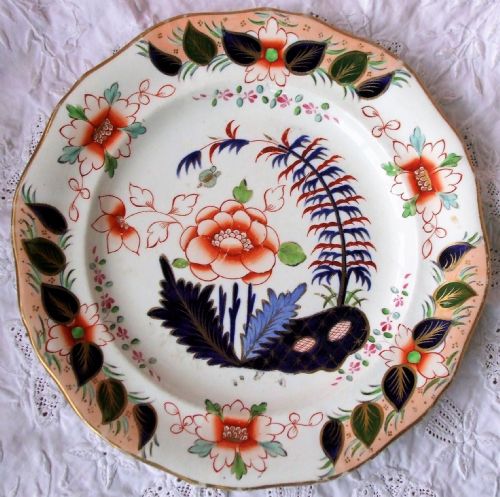
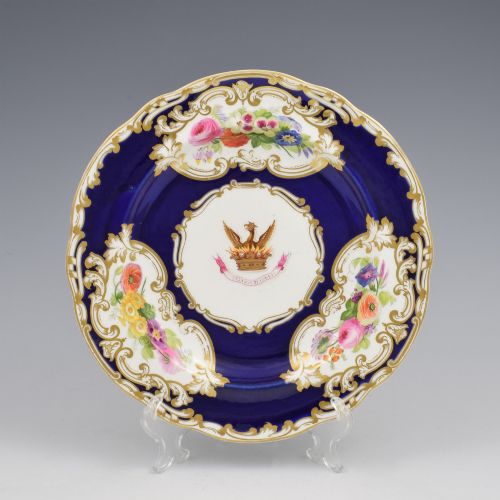
A blue ceramic cabinet plate brings intense colour and painted detail to a wall or display stand.
Blue Ceramic Cabinet Plate
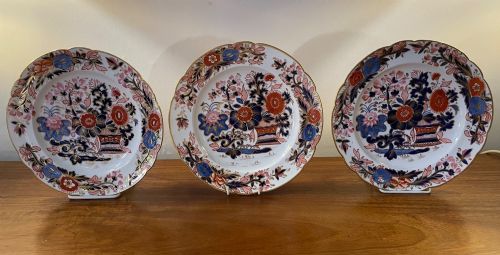
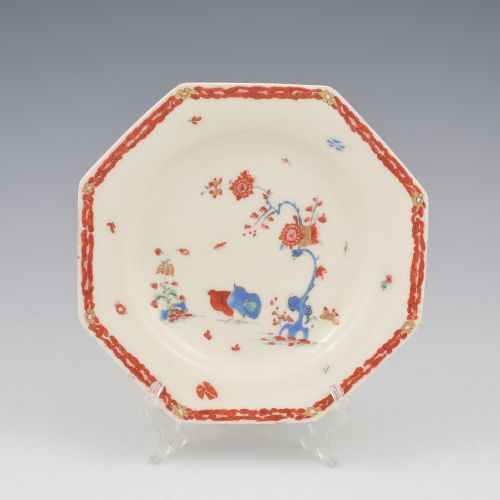
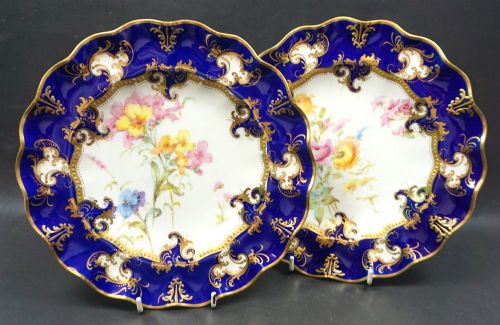
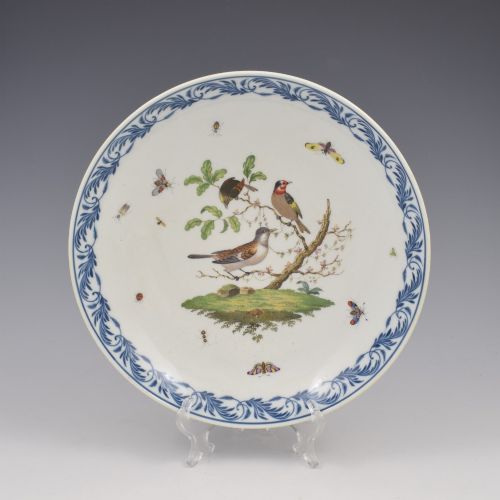
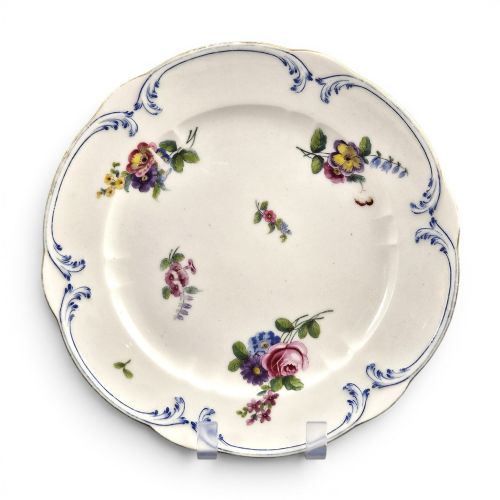
A blue ceramic cabinet plate covers a variety of decorative dishes, chargers and dessert services created primarily for display rather than dining. When searching for a blue ceramic cabinet plate, a buyer encounters examples spanning the eighteenth, nineteenth, and early twentieth centuries, featuring distinct regional traditions.
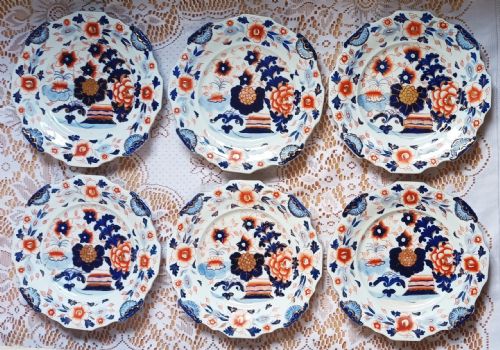
The selection includes English porcelain and ironstone alongside continental European factories and Japanese Imari wares. Forms range from standard circular plates to octagonal, hexagonal, and shell-shaped vessels produced across periods such as the Georgian, Victorian, and Edwardian eras.
Many of these items highlight elaborate hand-painted motifs, armorial crests, botanical studies, and figurative scenes. The makers represented include established names like Royal Worcester, Royal Vienna, Meissen, and Copeland, alongside traditional Japanese workshops.
How they were made
Potters utilised ceramic bodies including soft-paste porcelain, hard-paste porcelain, stoneware, and ironstone, shaping them on wheels or pressing them into moulds. Artisans applied underglaze blue and enamel colours by hand before firing the pieces in kilns to fix the decoration.
Gilding and gold leaf were frequently added to rims and borders, requiring an additional low-temperature firing to bond the precious metal. Certain factories employed transfer printing for intricate outlines, which painters then filled with coloured enamels.
Several cabinet plates depict the legendary fable of Cupid and Psyche, bringing ancient romance directly to the drawing room wall.
What varies in quality
The standard of a piece depends on the crispness of the painted detail and the precision of the hand-applied gilding. Superior items display finely detailed brushwork, particularly in figurative scenes, botanical studies, and armorial crests.
The weight and purity of the ceramic body also influence quality, with finer porcelain offering greater translucency. Furthermore, the reputation of the decorator or factory adds distinction to individual items.
Royal Crown Derby·Royal Worcester·Meissen·John Davenport·Copeland·Chamberlain Worcester·Royal Vienna·Coalport
The Blue Ceramic Cabinet Plate Glossary
- Cabinet plate
- A decorative dish intended for display in a cabinet or on a wall rather than for practical table use. These often feature elaborate painted scenes or gilt borders.
- Imari palette
- A traditional decorative scheme utilising underglaze blue, iron red, and gilt highlights. Originating in Japan, this style was widely copied by European porcelain factories.
- Ironstone
- A dense, durable type of earthenware developed in the nineteenth century to imitate porcelain. It provides a sturdy base for printed and painted patterns.
- Armorial
- A ceramic design featuring a family crest, coat of arms, or heraldic badge. These bespoke pieces were typically commissioned by prominent households.
- Soft-paste porcelain
- A ceramic composition fired at lower temperatures than hard-paste porcelain, resulting in a warm body and a distinctively glossy glaze.
Blue Ceramic Cabinet Plate: Frequently Asked Questions
What is a cabinet plate?
A cabinet plate is a decorative dish manufactured for display rather than for serving food. These items typically feature intricate hand-painted designs, armorial crests, or rich gilding.
Historically, owners showcased them in glass-fronted cabinets or mounted them on walls to demonstrate taste and status. They generally remain in more pristine condition than utilitarian tableware due to this ornamental purpose.
How do I identify Imari patterns?
Imari patterns are characterised by a distinct colour palette consisting primarily of cobalt blue, iron red, and abundant gold leaf. The designs often incorporate floral, panelled, and botanical motifs.
Originally produced in Japan for export, the style became immensely popular across eighteenth and nineteenth-century Europe. Many English and continental factories subsequently created their own interpretations of these Japanese aesthetics.
How should I display these plates?
Displaying these plates requires secure wall mounts or sturdy plate stands designed specifically for heavy ceramics. Placing them away from direct sunlight protects vulnerable enamel colours and gold leaf from fading over time.
Grouping pieces by colour palette, such as pairing blue scale designs with Imari chargers, creates a cohesive visual impact. Ensuring adequate spacing between items highlights their individual painted borders and shapes.
How do I clean antique porcelain?
Antique porcelain requires gentle cleaning by hand using lukewarm water and mild, non-abrasive soap. Submerging items for extended periods should be avoided, particularly if they feature delicate overglaze enamels or gilding.
After washing, dry each piece thoroughly with a soft, lint-free cloth. Dishwashers and harsh chemical cleaners will permanently damage the delicate ceramic surface and metallic highlights.