


Blue Tapestry
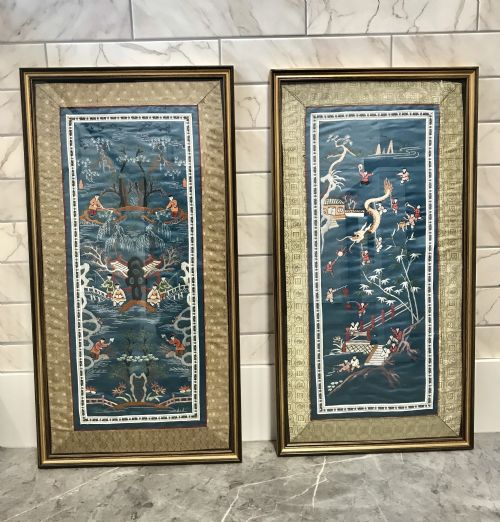
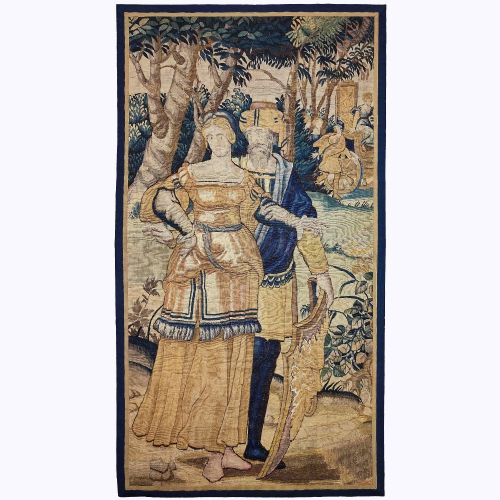
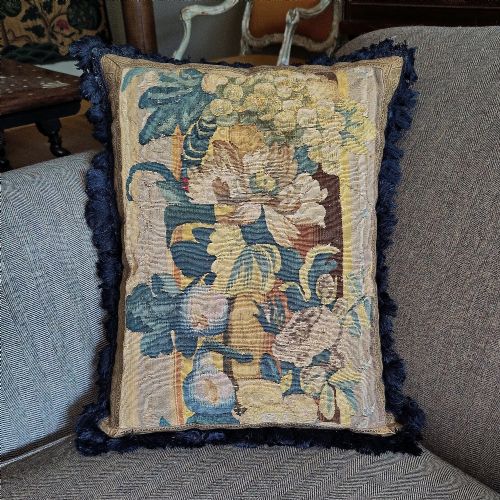
These pieces of blue antique tapestry bring historical scale and woven texture into a room, spanning grand European wall panels and upholstered seating.
Blue Tapestry
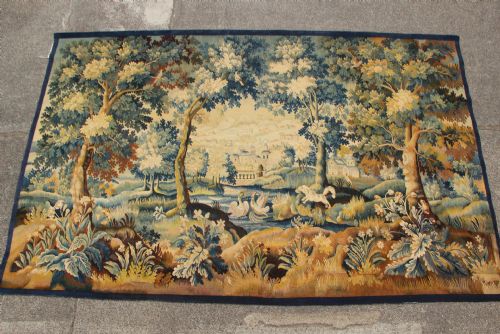
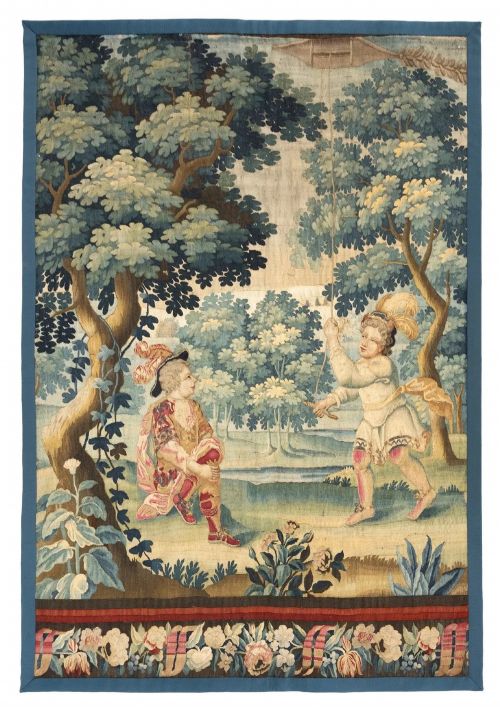
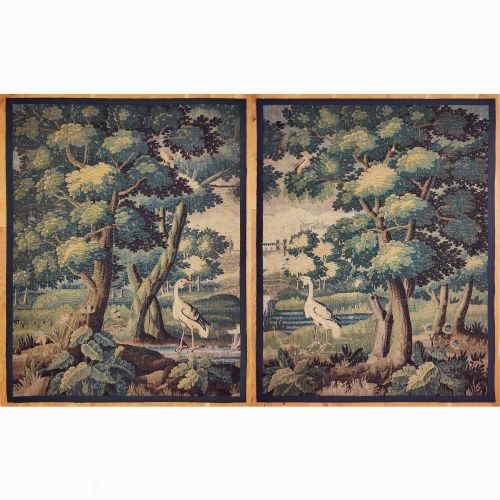
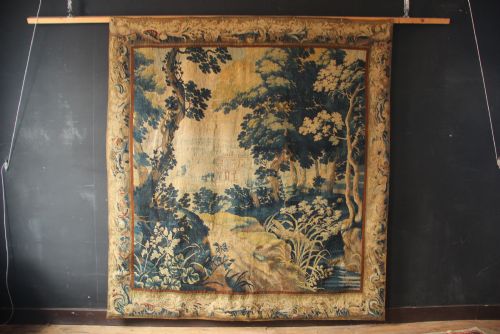
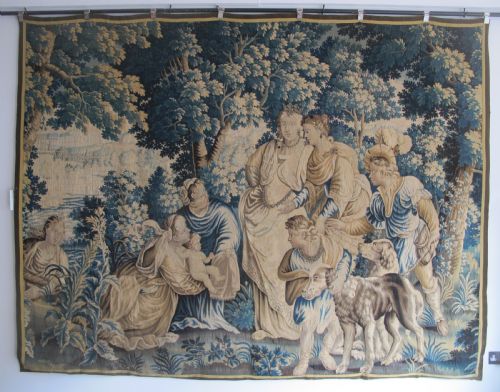
A blue antique tapestry search covers large woven wall hangings, framed fragments, and decorative cushions from European workshops. The most frequent examples include seventeenth-century Flemish verdure panels and eighteenth-century French wall hangings depicting verdant garden scenes dominated by indigo and slate tones.
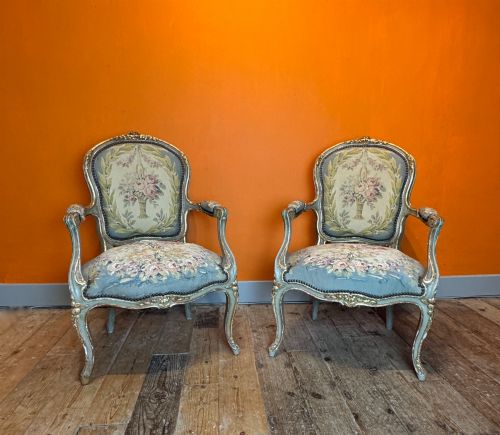
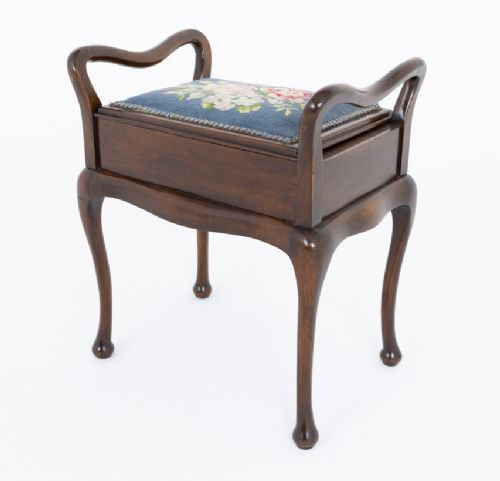
Beyond wall displays, the category extends to nineteenth-century French armchairs and Victorian stools upholstered in needlepoint and tapestry textiles. These items integrate historic woven panels into functional seating framed in mahogany, walnut, or parcel-gilt wood.
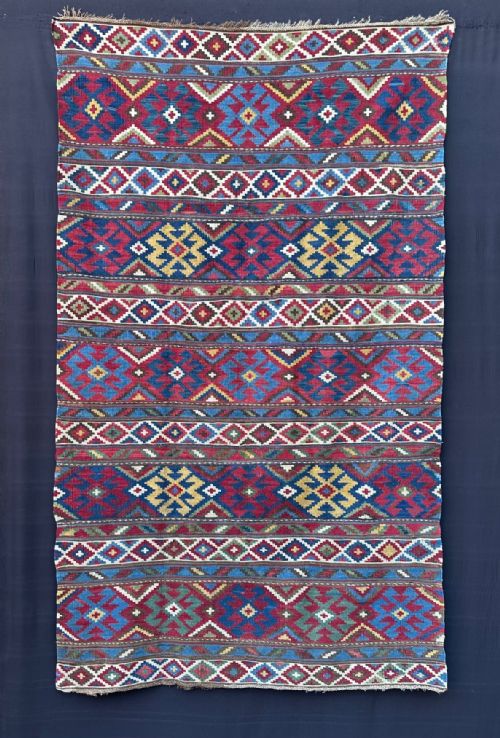
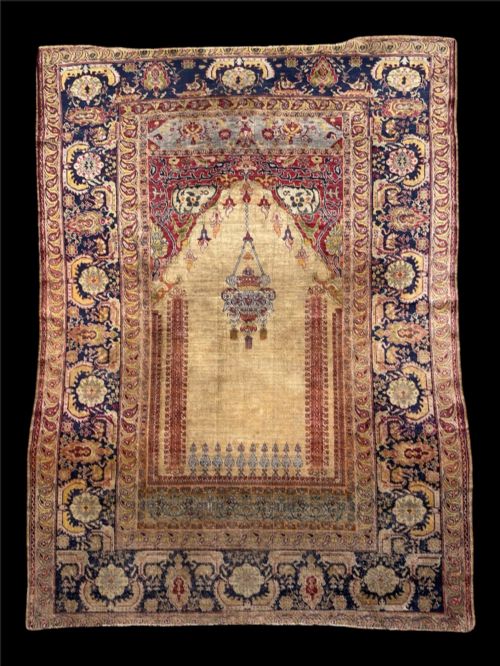
Origin points centre on traditional weaving hubs in France and Flanders, alongside related textile arts such as nineteenth-century Caucasian and Anatolian rugs. Pieces range from grand mythological scenes to small cushions formed from historic tapestry borders.
Materials and construction methods
Weavers constructed these panels using wool and silk threads, often incorporating linen warp foundations to support the heavy pictorial designs. Natural dye sources yielded the deep blues and greens characteristic of verdure landscapes and forest scenes.
Seating and smaller decorative items combine these textiles with traditional cabinet timbers like mahogany, rosewood, and walnut. Wood frames exhibit period joinery and carving, while needlework panels rely on dense hand-stitching over canvas grounds.
Several panels depict hunting falcons and mythical beasts hiding quietly among blue forest leaves.
Distinctions in quality
Quality rests on the density of the weave and the complexity of the pictorial composition. Fine examples display intricate rendering of foliage, figures, and animals with subtle tonal gradations in the blue wool and silk threads.
The integrity of the textile support and the originality of the wooden frames on upholstered pieces dictate the standing of an item. Panels retaining their original borders and uncompromised structural tension hold greater textile merit than heavily restored fragments.
The Blue Tapestry Glossary
- Verdure
- A tapestry design dominated by lush foliage, trees, and plants, frequently featuring woodland landscapes and wildlife in shades of blue and green. These scenes formed a staple output of Flemish and French looms.
- Warp
- The vertical threads held under tension on a loom through which the coloured horizontal threads are woven. This foundational structure determines the stability of the textile.
- Needlepoint
- Embroidery executed on a stiff open-weave canvas ground using wool or silk yarn to cover the entire surface. It differs from tapestry by being stitched onto an existing mesh rather than created on a loom.
- FautEUil
- An open-framed armchair with upholstered armrests dating from French periods. These chairs frequently showcase antique tapestry or needlepoint upholstery.
- Fragment
- A surviving portion of a larger historic textile or wall hanging. These pieces are often mounted or repurposed into cushions and smaller decorative wall panels.
Blue Tapestry: Frequently Asked Questions
How do I hang a heavy tapestry?
Large wall hangings require a weight-distributing support system such as a concealed wooden batten or a stitched-on fabric sleeve. Fastening the textile directly through the weave damages the historical fibres.
Professionals recommend lining the reverse with a supportive cotton canvas to distribute vertical tension evenly across the entire surface of the wool and silk panel.
Can I use tapestry cushions daily?
Historic tapestry cushions function well for gentle domestic use if handled with care. The ancient wool and silk threads respond best to light placement rather than heavy leaning or friction.
Rotating the cushions periodically ensures even wear across the woven panels and preserves the structural integrity of the antique needlework.
How should I clean an antique tapestry?
Surface dust is best removed using low suction through a protective mesh screen rather than vigorous beating or shaking. Water and chemical solvents cause dye migration and shrinkage in historic textiles.
Professional textile conservators should handle deep cleaning or structural repairs to prevent irreversible damage to the fragile wool and silk threads.
How do I date a Flemish tapestry?
Stylistic markers such as border designs, perspective rendering, and colour palettes help establish the period of a Flemish panel. Seventeenth-century examples often feature dense verdure foliage and heavy allegorical borders.
Examining the type of wool, silk, and dye saturation provides further evidence to distinguish between seventeenth-century production and later revival copies.