


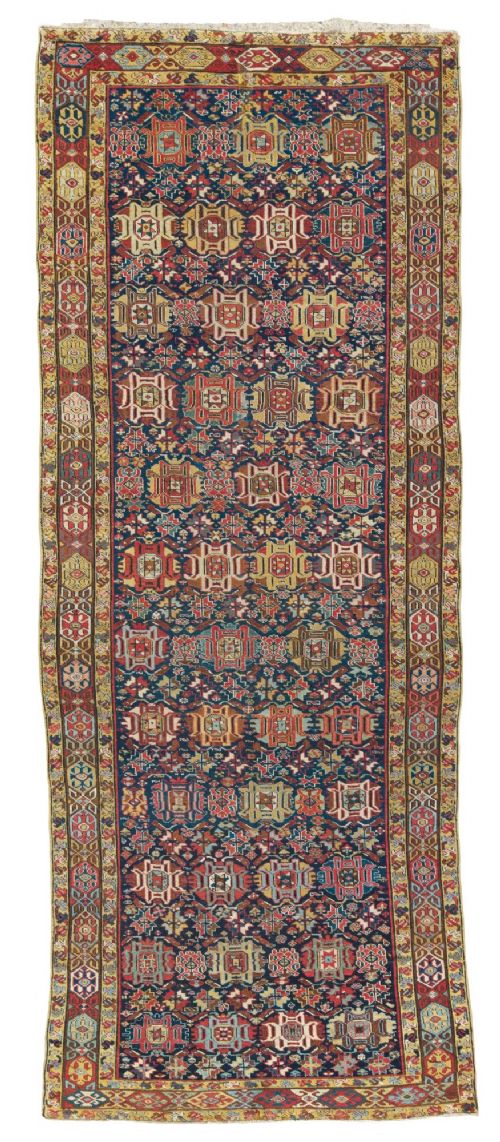
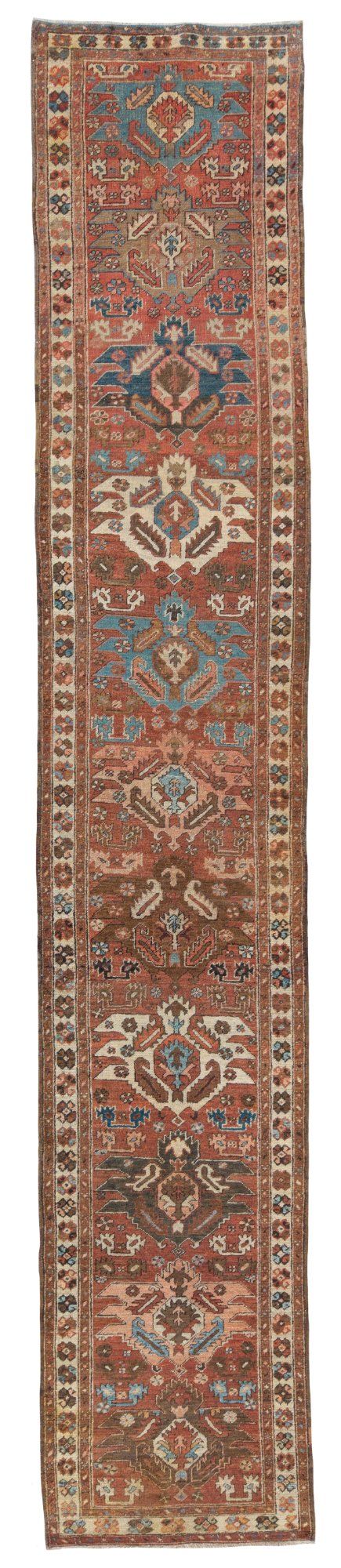
Blue Corridor Runner
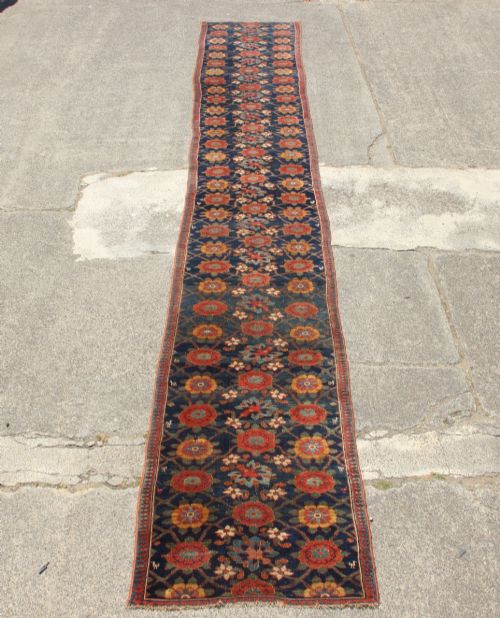
A blue antique corridor runner spans hallway floors with rich historical dye work and enduring tribal patterns.
Blue Corridor Runner
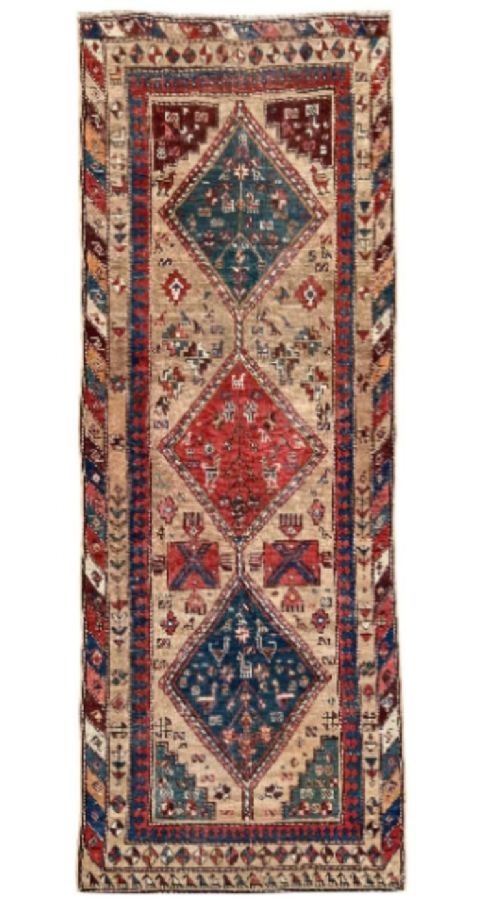
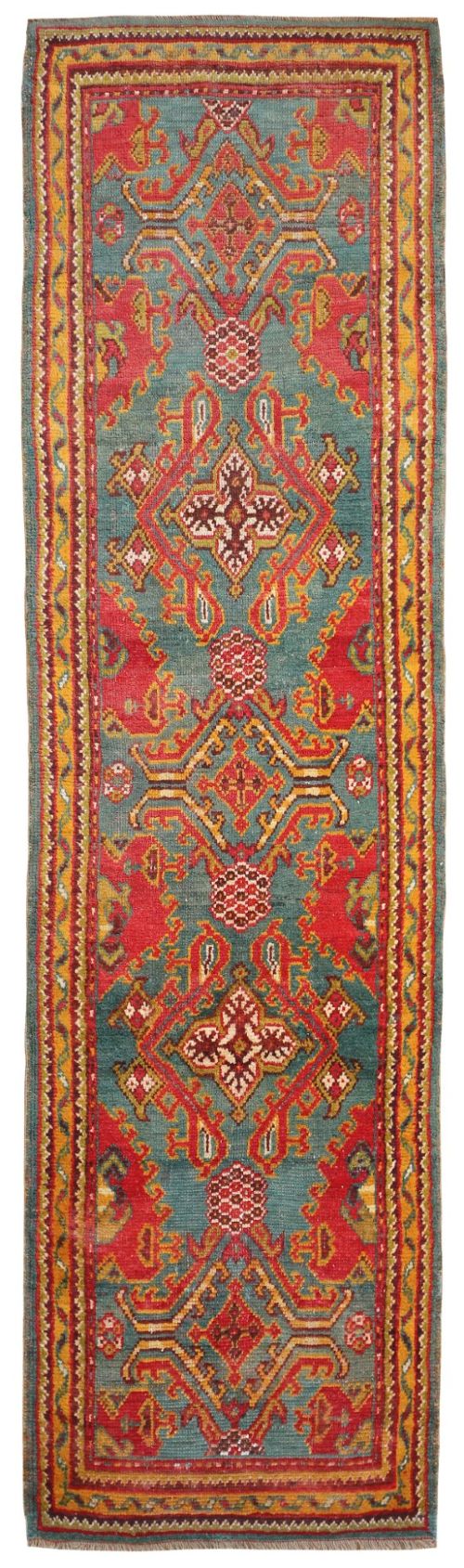
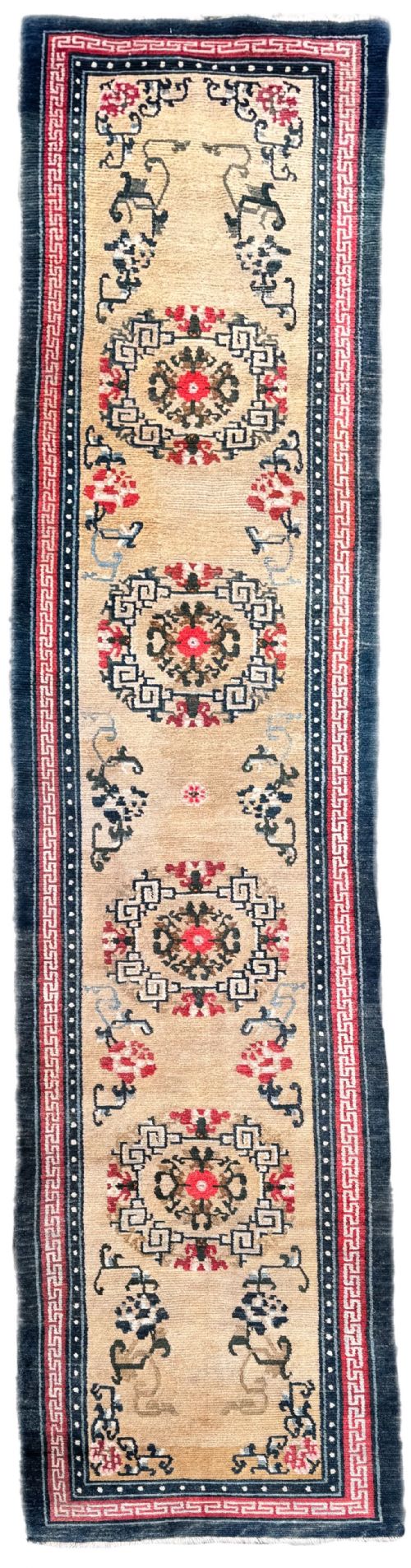
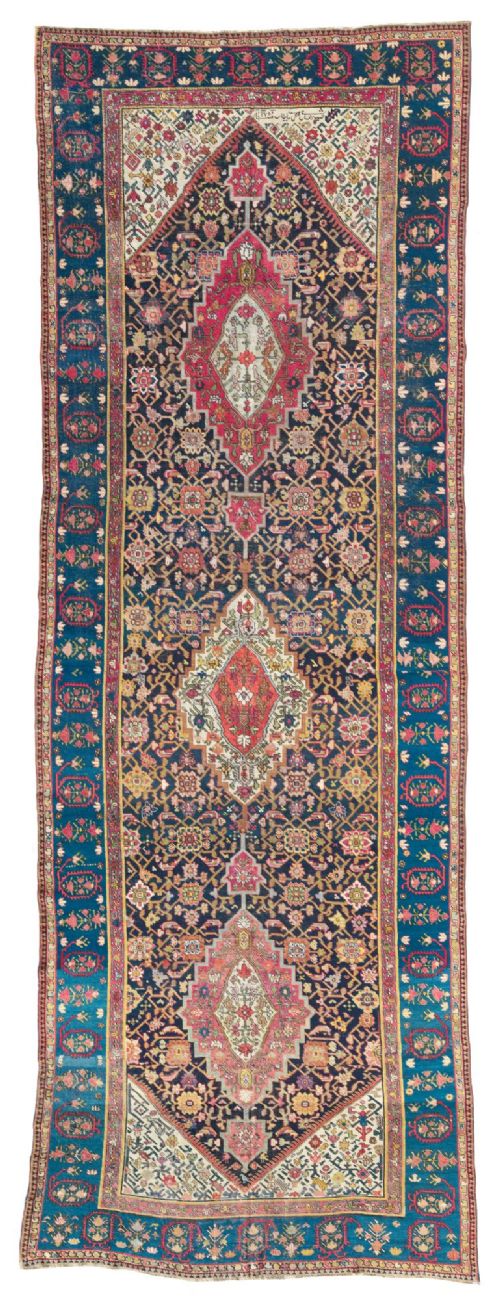
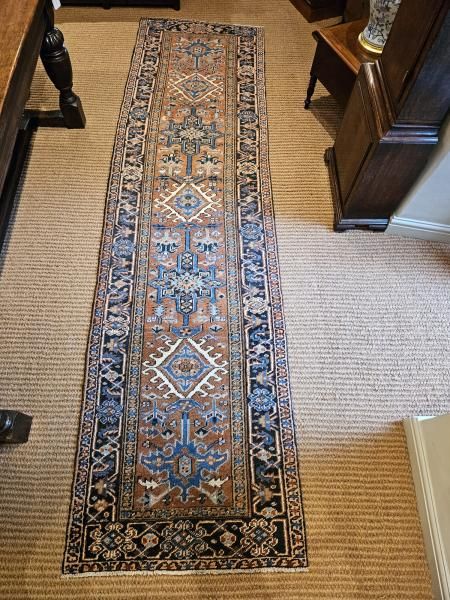
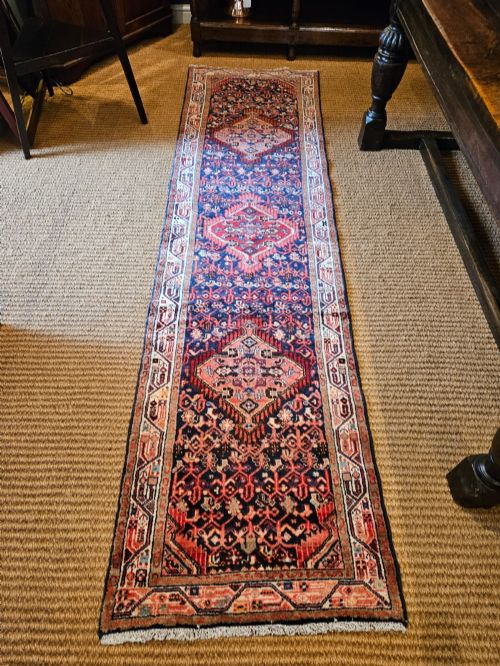
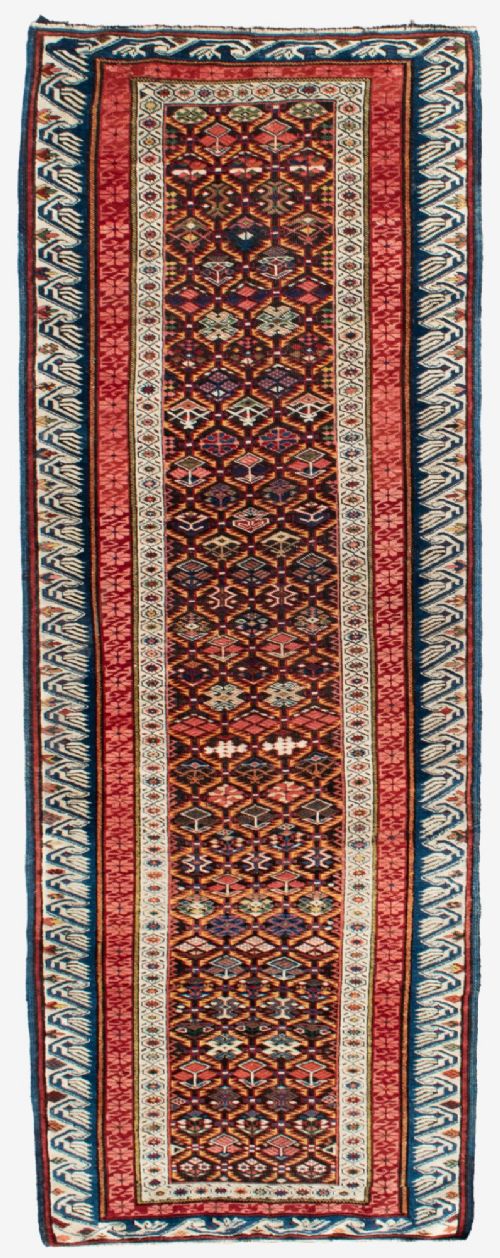
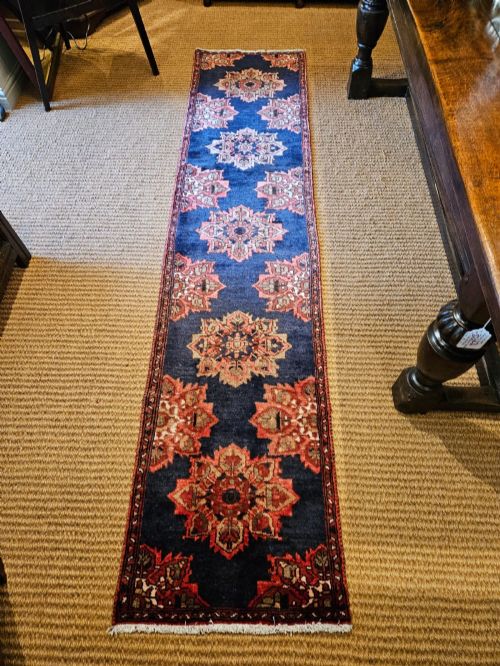
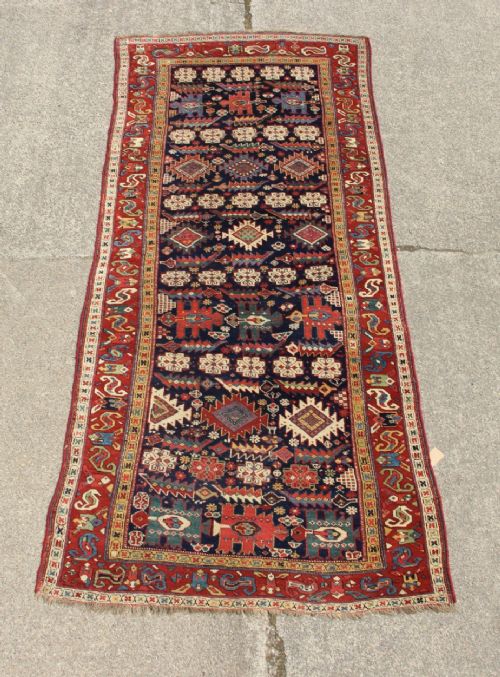
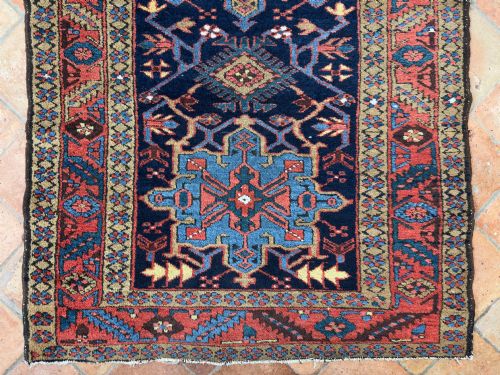
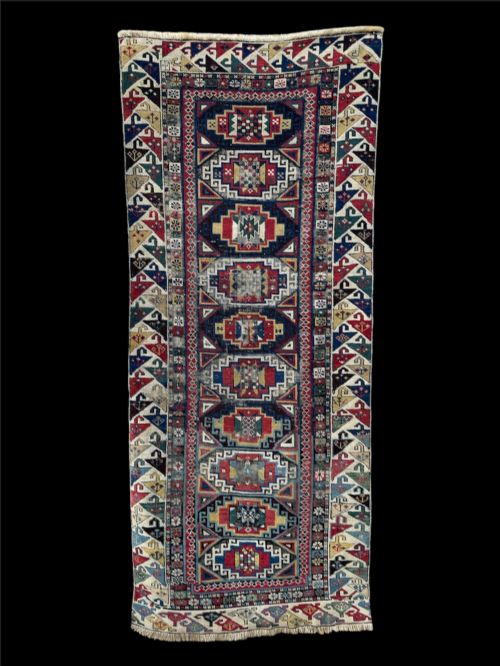
A blue antique corridor runner is a long, narrow carpet designed specifically for hallways and passageways, often displaying rich indigo and navy tones alongside intricate geometric or medallion layouts. When exploring a blue antique corridor runner, buyers encounter pieces originating from Persian, Caucasian, Anatolian, and other traditional weaving centres. The selection includes long, narrow formats tailored for specific architectural spaces, spanning decades from the nineteenth century into the early twentieth century.
The inventory demonstrates distinct regional weaves such as Heriz, Ushak, Kurdish, Kazak, and Shirvan workshops. These long floor coverings serve both practical traffic needs and decorative roles in traditional or contemporary interiors. Each runner presents a distinct visual character shaped by the heritage of its weaving community.
Materials and construction methods
These floor coverings utilise natural fibres, principally wool and hand-spun wool combined with cotton foundations. Weavers tied pile knots onto warp and weft threads to build durable surfaces designed for heavy domestic use in corridors.
Natural dye sources provided the deep blue hues and contrasting shades seen across the pieces. The combination of hand-spun wool and traditional knotting techniques produced resilient textiles capable of enduring decades of foot traffic.
Listings feature pieces spanning from the mid-nineteenth century through the 1930s, utilising hand-spun wool and cotton materials.
Distinctions in quality
Quality rests in the precision of the knotting, the density of the wool foundation, and the depth of the natural dye palette. Finer examples display tight structures and crisply defined geometric or floral motifs that maintain clarity across the length of the runner.
The integrity of the foundation threads and the preservation of original selvedges and ends dictate the overall structural condition. Superior pieces exhibit balanced proportions and harmonious colour saturation that age gracefully over time.
The Blue Corridor Runner Glossary
- Runner
- A long, narrow carpet format intended for hallways, corridors, and stairs. Its proportions measure significantly longer than they are wide.
- Kelleh
- A large format rug or runner, typically wider than standard corridor runners but retaining an elongated rectangular shape. It represents a specific room size in traditional weaving hierarchies.
- Warp
- The vertical foundation threads stretched lengthwise on the loom before knotting begins. Weft threads are interlaced across these structural elements.
- Boteh
- A traditional almond or paisley motif representing a floral spray or cypress tree. It appears frequently in Caucasian and Persian textile designs.
- Selvedge
- The reinforced edge of a carpet formed by wrapping lateral weft threads around the outer warp cords. This finish prevents fraying along the long sides.
Blue Corridor Runner: Frequently Asked Questions
How do I clean an antique runner?
Gentle surface brushing and professional specialist washing maintain the delicate wool fibres and natural dyes. Avoid harsh chemical agents and excessive water exposure.
Regular light vacuuming without a beater bar prevents dust accumulation within the pile foundation.
Are these runners suitable for heavy traffic?
Traditional wool construction provides substantial durability for everyday hallway use. Placing an appropriate underlay beneath the textile prevents slipping and cushions the weave against hard flooring.
Periodic rotation distributes wear evenly across the length of the runner.
How do I identify regional carpet styles?
Design elements such as geometric medallions, boteh repeats, or specific border arrangements indicate particular weaving traditions. Persian, Caucasian, and Anatolian workshops each employed distinct colour palettes and structural signatures.
Comparing knot structure and wool texture clarifies the geographical origin of each piece.
What does a kelleh mean?
A kelleh denotes a specific proportion that sits between a standard runner and a full-sized carpet. These formats were traditionally woven for specific architectural spaces within traditional homes.
They offer an expanded canvas for intricate medallion layouts and elaborate field designs.