

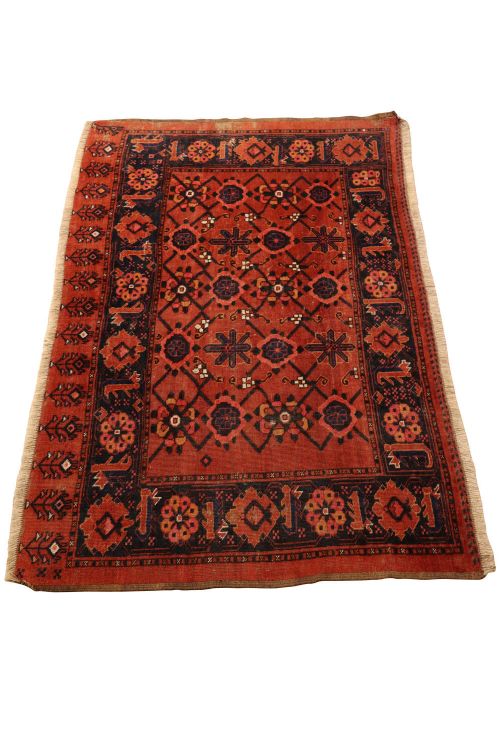


Vintage Kurdish Wool Carpet
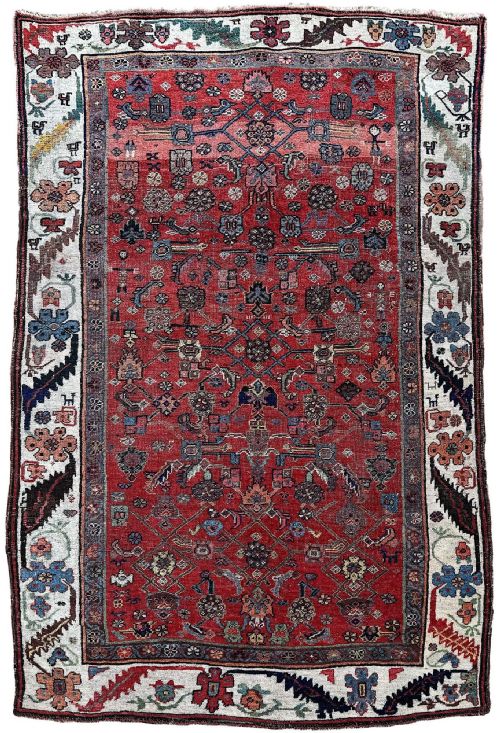
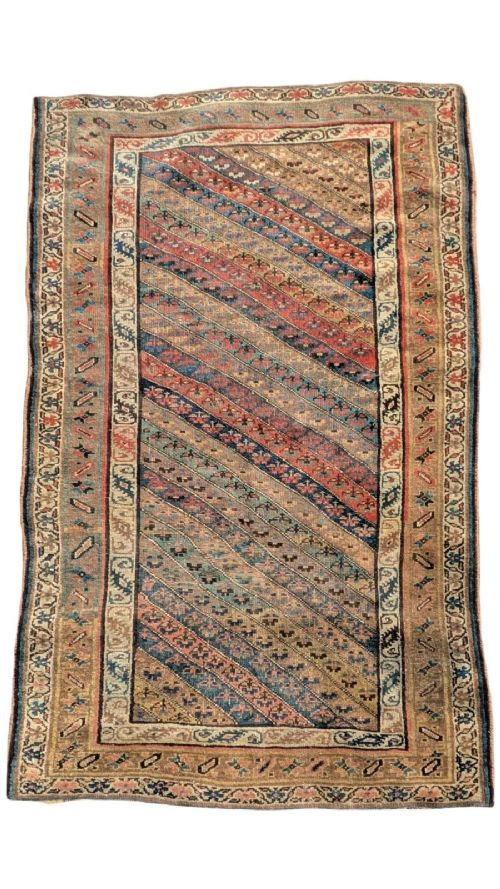
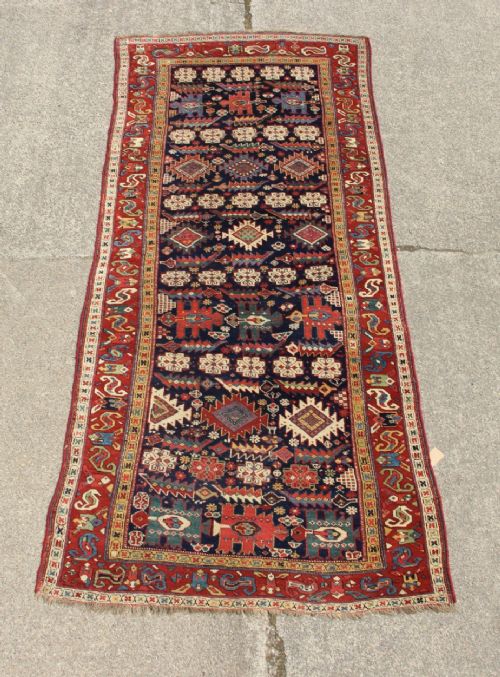
A vintage kurdish wool carpet brings heavy tribal character and enduring structural density into a room through geometric motifs and deep colour.
Vintage Kurdish Wool Carpet
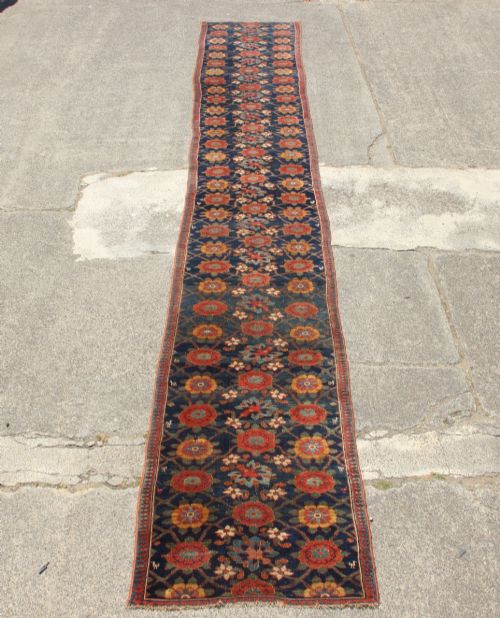
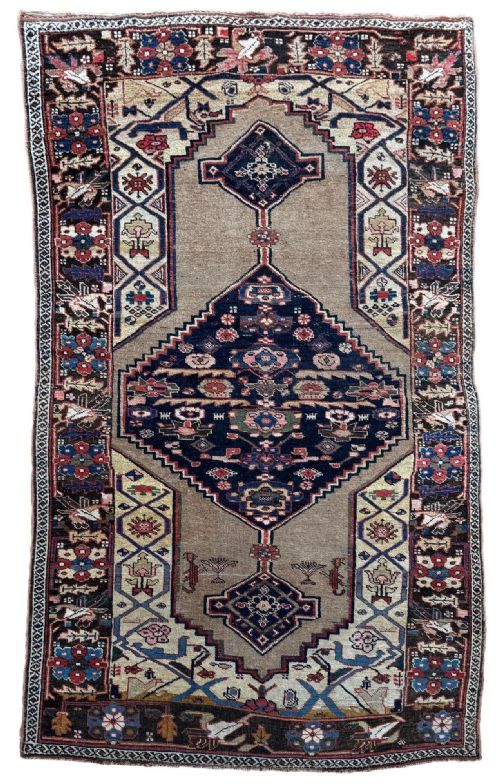
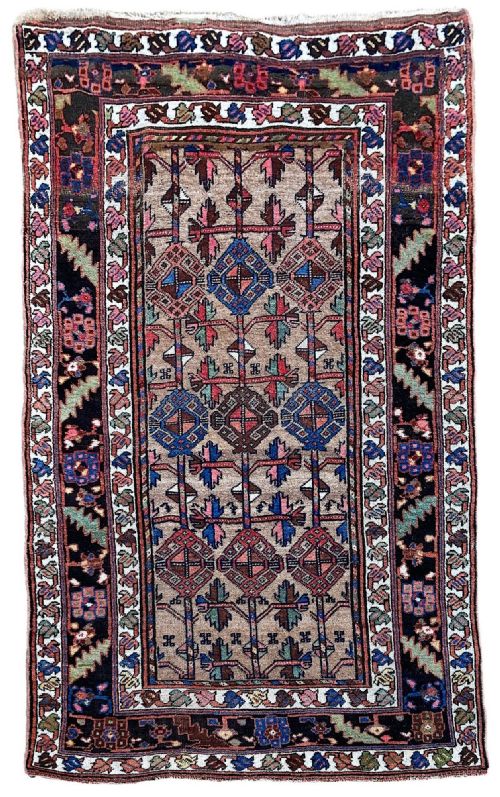
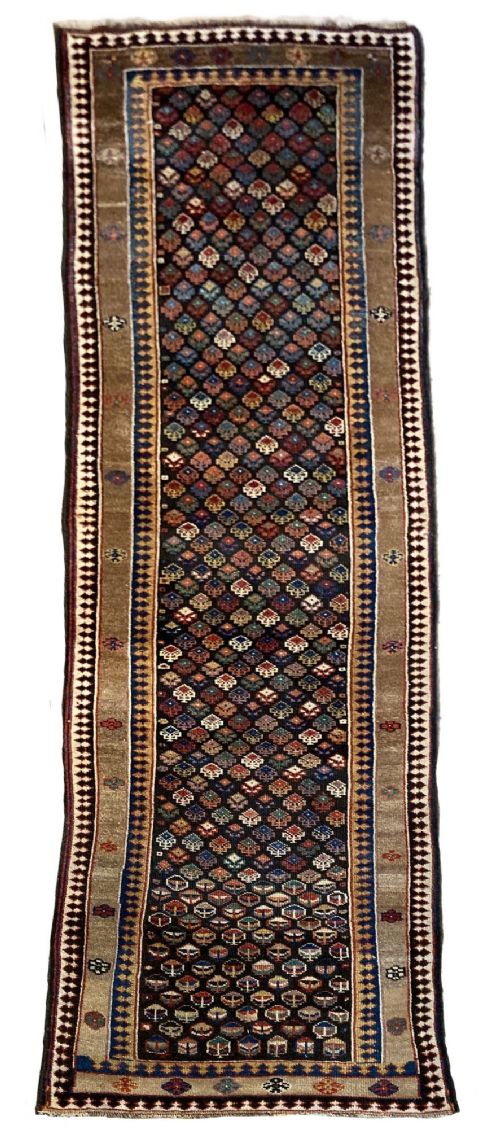
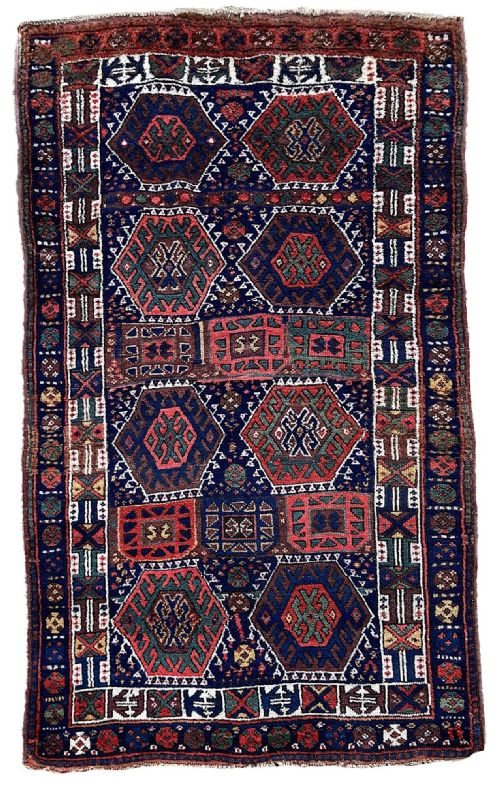
A vintage kurdish wool carpet represents the traditional weaving output of tribal communities across regions such as Bidjar, Senneh, Hamadan, and Khorasan. These floor coverings range from compact square formats and long hallway runners to large format kelleh carpets created for domestic use.
Buyers encountering this group will frequently find examples originating from the late nineteenth century and the early decades of the twentieth century. The formats include tribal rugs featuring bold geometric medallions, repetitive shrub patterns, and detailed field designs woven by village artisans.
Materials and Construction
The construction relies heavily on hand-spun wool combined with sturdy cotton foundations to create dense, resilient floor coverings capable of withstanding generations of heavy foot traffic. Artisans tied thick wool piles firmly onto vertical looms, resulting in a robust structure that holds its shape over decades of domestic use.
Weavers utilised natural dyes derived from plants and minerals to achieve rich colour palettes dominated by deep reds, blues, yellows, and earthy browns. These organic colorants settle unevenly into hand-spun fibres, creating subtle variations in tone known as abrash across the expanse of the rug.
The listings span production dates from the late 1800s through the 1930s, featuring wool, cotton, and natural dyes.
Assessing Craftsmanship
The finest examples display exceptional knot density alongside precise execution of intricate geometric designs and balanced border proportions. Superior pieces maintain straight vertical edges and flat foundations without buckling or warping across the length of the carpet.
The depth and saturation of the natural dyes distinguish finer weaving from standard production, as well as the uniformity of the hand-spun wool used for the pile. Pieces exhibiting clear articulation of motifs like Memlinc guls or Mina Khani patterns demonstrate a higher level of weaver skill.
The Vintage Kurdish Wool Carpet Glossary
- Kelleh
- A large rectangular format rug, longer than it is wide, traditionally used as a room-size floor covering in Persian households.
- Gul
- A medallion or repeating octagonal motif frequently found in tribal and nomadic carpet designs across Central Asia and the Near East.
- Abrash
- A natural variation in colour tone caused by changes in dye batches or hand-spun wool lots during the weaving process.
- Runner
- A long, narrow carpet format specifically proportioned for hallways, corridors, and narrow passageways within a home.
- Hand-Knotted
- A construction technique where individual strands of wool are tied by hand onto warp threads to form the pile of the rug.
Vintage Kurdish Wool Carpet: Frequently Asked Questions
Where were these carpets made?
These pieces originate from tribal and village weaving centres across western Persia, Kurdistan, and East Anatolia. The makers belonged to specific confederations and nomadic groups who maintained distinct regional weaving traditions.
Local workshops passed down specific geometric vocabulary, border arrangements, and knotting techniques through generations of families. This regional specialisation allows modern collectors to trace the geographic origins of individual carpets.
How do I style a vintage runner?
A long runner provides a durable and decorative foundation for high-traffic areas such as hallways, entryways, and narrow corridors. The heavy wool pile cushions footsteps while introducing warmth and historical character to functional spaces.
When placing a runner, ensure it leaves an even border of exposed flooring around the perimeter of the hallway. Using a quality underlay beneath the carpet prevents slipping and protects the antique foundation from friction.
How do I clean an old wool carpet?
Routine maintenance requires gentle vacuuming without the rotating brush bar engaged to protect the hand-knotted wool pile. Professional rug cleaners experienced in handling antique textiles should manage deeper washing and stain removal.
Avoid exposing natural dyes to harsh chemical detergents, excessive moisture, or direct sunlight for prolonged periods. Regular rotation ensures even wear patterns across the surface of the carpet over years of use.