



Antique Nomadic Floor Runner
An antique nomadic floor runner brings tactile tribal history and rich geometry to a hallway, woven by weavers from diverse regional confederacies.
Antique Nomadic Floor Runner
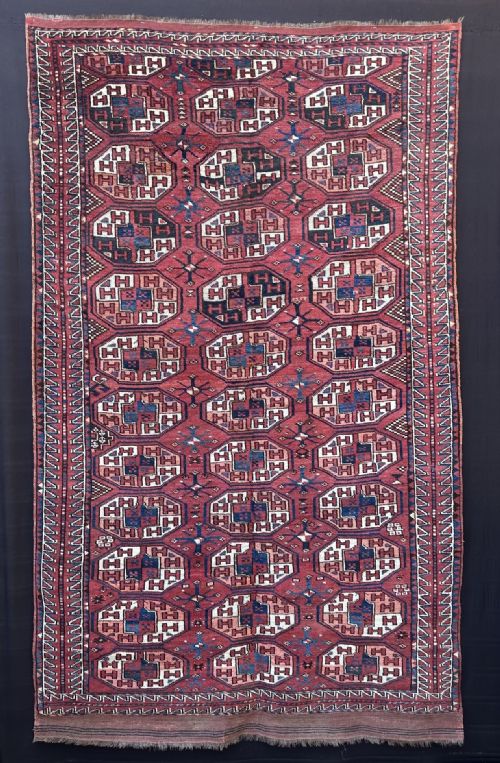
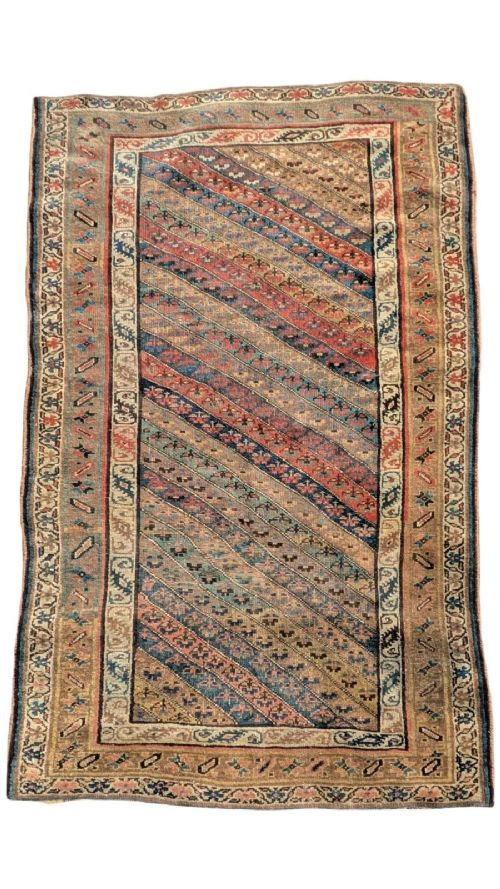
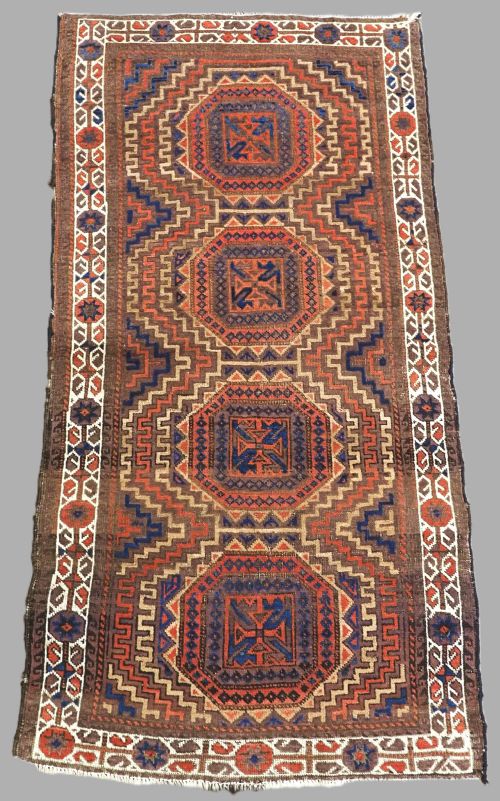
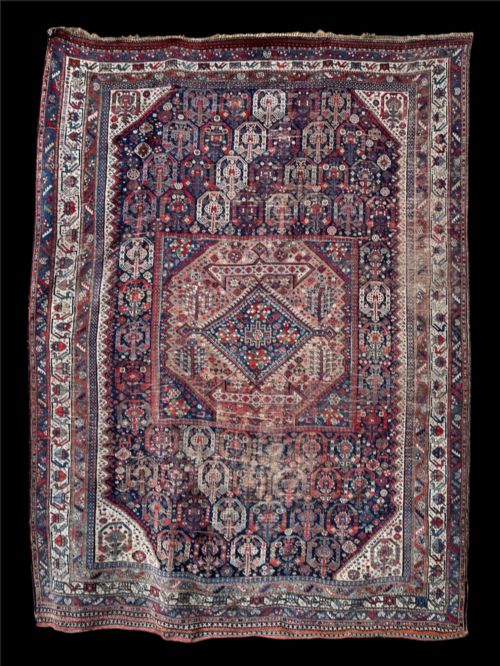
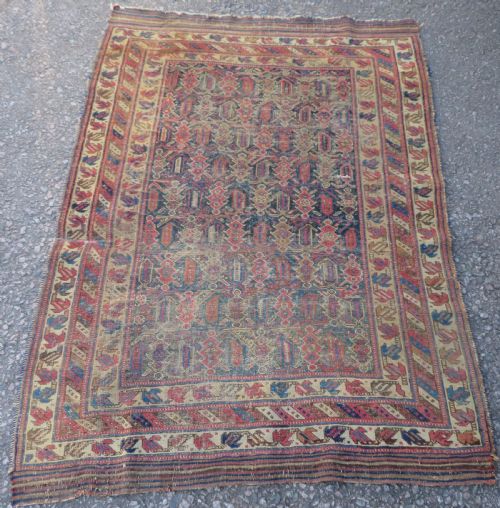
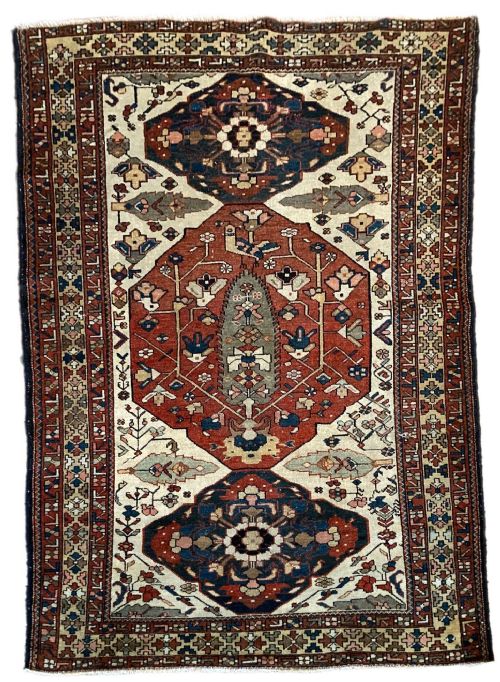
When you search for an antique nomadic floor runner, you encounter resilient floor coverings woven by tribal and village groups across Central Asia, the Caucasus, and Persia. These textiles include long format carpets, kelleh rugs, and flatweave kilims produced for functional daily use within nomadic camps and settlements. The pieces seen here span from the late nineteenth century into the early twentieth century, reflecting traditional tribal patterns passed down through generations.
The selection ranges from Baluch and Afghan tribal variations featuring repeating guls and mihrab prayer designs to Khamseh, Qashqai, and Yomut pieces displaying geometric medallions and tree of life motifs. Many examples serve as narrow long formats suitable for corridors, whilst others take the form of flatweave kilims and soumaks. Each specimen embodies the utilitarian artistry of specific confederacies such as the Bakhtiar, Afshar, and Salar Khani.
Materials and construction methods
Weavers constructed these floor coverings primarily using hand-spun wool for the pile and foundation, often incorporating cotton for structural warps and wefts alongside occasional goat hair for durable edge bindings. The reliance on locally sheared wool provided a resilient, dense surface capable of withstanding heavy foot traffic in nomadic tents and village dwellings.
Colour derives from natural dyes applied to the hand-spun fibres, creating rich, varied tonalities that age gracefully over decades of exposure and use. Flatweave techniques such as kilim and soumak constructions sit alongside knotted pile methods, demonstrating diverse regional weaving traditions.
Camel hair often found its way into dark brown details, secretly plotting to wear away faster than the rest of the rug for an authentic lived-in look.
Assessing quality and craftsmanship
Quality in these woven textiles rests on the fineness of the knotting or the tightness of the flatweave, which directly influences the crispness of geometric motifs like guls and hooked medallions. Superior examples display careful balance in proportion and consistent saturation of natural dyes across the entire field.
The integrity of the structural foundation and the condition of the original outer edges or kilim ends also distinguish finer survivals from heavily restored or distressed alternatives. Greater precision in executing complex tribal lattices elevates certain regional rugs above standard utilitarian output.
The Antique Nomadic Floor Runner Glossary
- Gul
- A repeating octagonal or medallion motif frequently found in Turkmen and Baluch tribal carpets. This primary design element often identifies the specific weaving group.
- Kilim
- A flatweave textile produced without a knotted pile by tightly interlocking the coloured weft threads through the warp. These lighter rugs serve various domestic floor and hanging functions.
- Mihrab
- An architectural niche design adapted into prayer rugs to indicate the direction of Mecca. Weavers render this arch motif in numerous regional variants.
- Soumak
- A historic flatweaving technique utilising wrapping threads over the warp to create a textured, durable surface. This method produces sturdy covers with distinct decorative characteristics.
- Warp
- The vertical foundation threads stretched tightly on the loom before weaving begins. Wefts and knots are interwoven across these stationary structural elements.
Antique Nomadic Floor Runner: Frequently Asked Questions
How do I care for an old tribal rug?
Vacuum gently without using a rotating beater bar to protect the wool pile and delicate edges. Professional cleaning by specialists in antique textiles prevents fibre degradation.
Keep the piece out of direct, harsh sunlight to preserve the stability of natural dyes over time. Rotating the runner periodically ensures even wear across high-traffic areas.
What is the difference between a kilim and a pile rug?
A kilim is flatwoven without any raised pile, resulting in a lightweight and reversible textile with a smooth surface. These pieces rely on interlocking weft threads to form flat geometric patterns.
In contrast, pile rugs feature knotted vertical strands clipped to create a plush, dense surface. This construction provides greater cushioning underfoot and deeper texture.
How do I identify a Baluch rug?
Baluch tribal weavings typically feature deep indigo, brown, and madder red colour palettes combined with geometric box medallions, tree motifs, or repeating guls. Many examples incorporate camel hair in the brown areas, which naturally erodes faster than dyed wool.
Their formats tend to be smaller or runner-sized, reflecting the portable nature of nomadic life. Specific subgroups like the Taimani or Sistan introduce distinct prayer mihrabs.
Where were these nomadic rugs made?
Nomadic and village weavers produced these textiles across Central Asia, Turkmenistan, Afghanistan, the Caucasus, and Persia. Different confederacies and tribes inhabited these regions, each retaining distinct weaving dialects.
Groups such as the Yomut, Qashqai, Khamseh, and Bakhtiar utilised local resources to create recognisable regional aesthetics. These geographical origins dictate the specific symbols and structures found in each piece.