


Red Blue Kurdish Rug
A red blue kurdish rug brings genuine tribal character and robust hand-spun wool construction into a domestic interior.
Red Blue Kurdish Rug
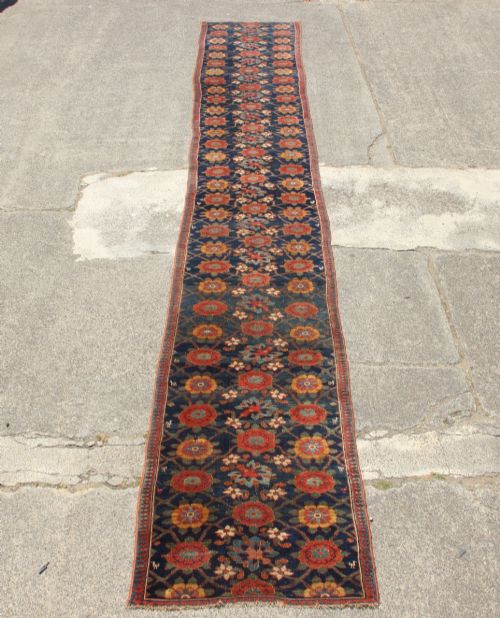
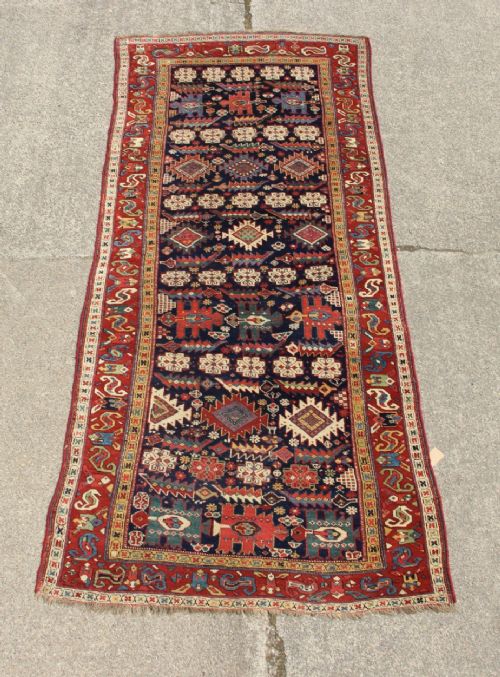
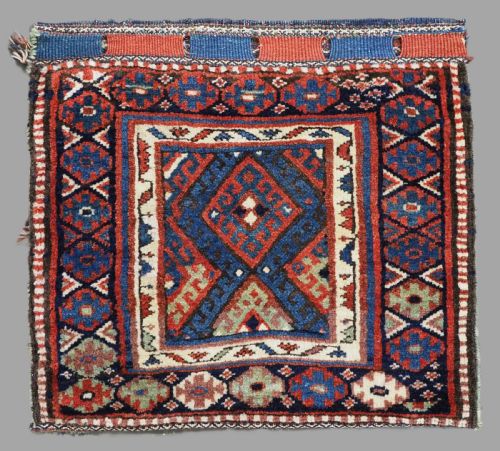
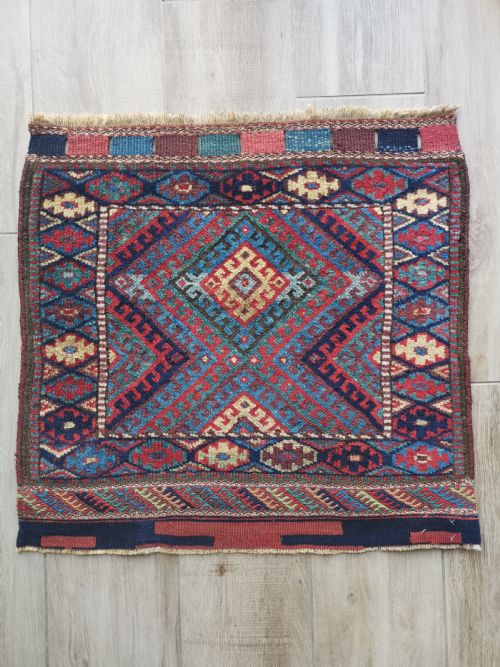
When searching for a red blue kurdish rug, a buyer is examining hand-knotted tribal textiles originating from weaving communities in Persia, Anatolia, and the Caucasus. These pieces include floor carpets, long runners, kellehs, and functional items such as bag faces and wheat sacks created for nomadic or village use.
The version most commonly encountered on this page is a nineteenth or early twentieth-century village piece, often displaying geometric motifs, boteh patterns, or formal lattice designs adapted through a tribal lens. Formats range from compact square bag faces to substantial hallway runners stretching several metres in length.
How they were made
The structural foundation relies predominantly on wool and cotton, with sturdy hand-spun wool utilised for the pile and foundation threads. Goat hair is also incorporated in specific sections for added durability along the edges or structural warps and wefts.
Natural dyeing traditions govern the palette, anchoring the visual weight in deep tones of red and blue alongside contrasting accents. Artisans knotted the pile by hand onto sturdy warps, resulting in dense, resilient textiles built to withstand heavy daily use in domestic spaces.
Listings feature pieces spanning from the mid-nineteenth century through to the 1930s, constructed predominantly from hand-spun wool, cotton, and goat hair.
What varies in quality
Quality differences emerge in the fineness of the knotting and the handling of the wool, where tightly packed knots yield sharper detail in motifs like the Mina Khani pattern or garden designs. Softer, highly supple wool handled by skilled weavers results in a more pliable handle compared to stiffer, coarser village productions.
The integrity of the design layout and the depth of the natural dyes separate standard utility pieces from exceptional examples. Balanced proportions in long formats and crisp execution of tribal geometries indicate superior workshop or village craftsmanship.
The Red Blue Kurdish Rug Glossary
- Kelleh
- A large format rectangular rug, traditionally longer than a standard room size carpet but broader than a hallway runner. These pieces serve well in expansive reception spaces.
- Mina Khani
- A traditional repeating geometric floral pattern arranged in an open lattice grid across the field. It appears frequently in classical Persian and Kurdish village weaving.
- Boteh
- A stylised almond or pear-shaped motif representing a floral spray, cypress tree, or flame. This ancient symbol is a staple of tribal and village textile design.
- Bag Face
- The decorative front panel of a nomadic storage bag, preserved and mounted as a small decorative mat. These compact items often display particularly dense and creative weaving.
- Kilim
- A flat-weave textile produced without a pile by tightly interweaving warp and weft strands. These function as lightweight rugs or dual-purpose coverings.
Red Blue Kurdish Rug: Frequently Asked Questions
Where should I place a long runner rug?
These narrow formats suit high-traffic thoroughfares such as hallways, corridors, and extended landings where linear textiles soften hard flooring. Their sturdy wool construction absorbs foot traffic while adding traditional colour and texture to otherwise plain architectural spaces.
Ensure the dimensions leave a consistent margin of exposed floor around the perimeter to frame the piece correctly. Placing an appropriate underlay beneath prevents slipping and cushions the foundation against premature wear.
How do I clean an antique tribal textile?
Routine maintenance requires gentle surface vacuuming without the beater bar engaged, preventing loose fibres from pulling free of the knotting. Professional specialist cleaning remains essential for addressing deep-seated grit or accidental spills safely.
Avoid immersion in water or domestic chemical treatments, as historical natural dyes can react unpredictably to harsh soaps. Proper specialist care preserves the structural integrity of the hand-spun wool and protects the original colour balance.
Are these textiles durable for daily living?
Nomadic and village carpets were originally constructed to endure rigorous everyday use in domestic environments. The combination of dense wool pile and sturdy foundation materials ensures they withstand regular walking when properly maintained.
Using a quality rug pad underneath distributes pressure evenly and reduces friction between the floor and the backing. This simple addition significantly extends the active lifespan of older woven pieces in busy homes.
How do I identify the age of a piece?
Dating relies on observing structural characteristics, material preparation, and the specific palette of natural dyes. Hand-spun wool displaying subtle variations in tone often points towards production prior to the widespread introduction of synthetic dyes in the late nineteenth century.
Structural nuances, such as primitive selvedge finishes or specific tribal border motifs, help narrow down the period of origin. Comparing the weave density and design format against documented regional styles provides further chronological context.