

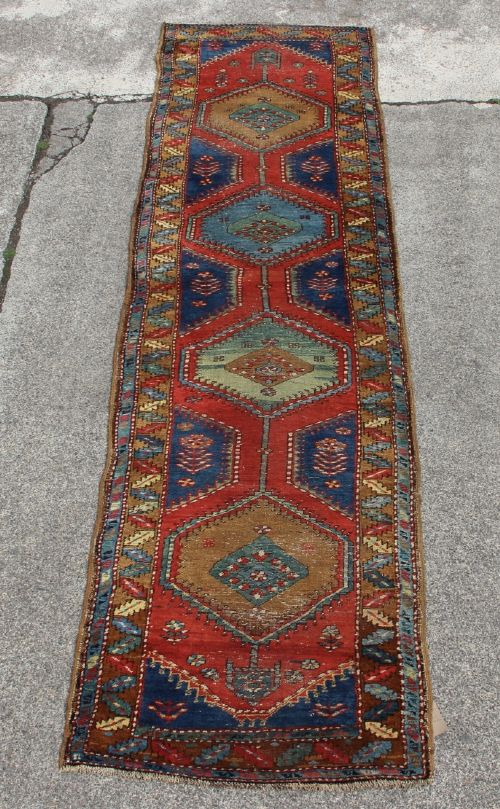

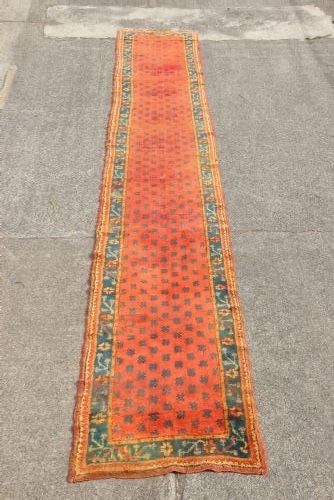
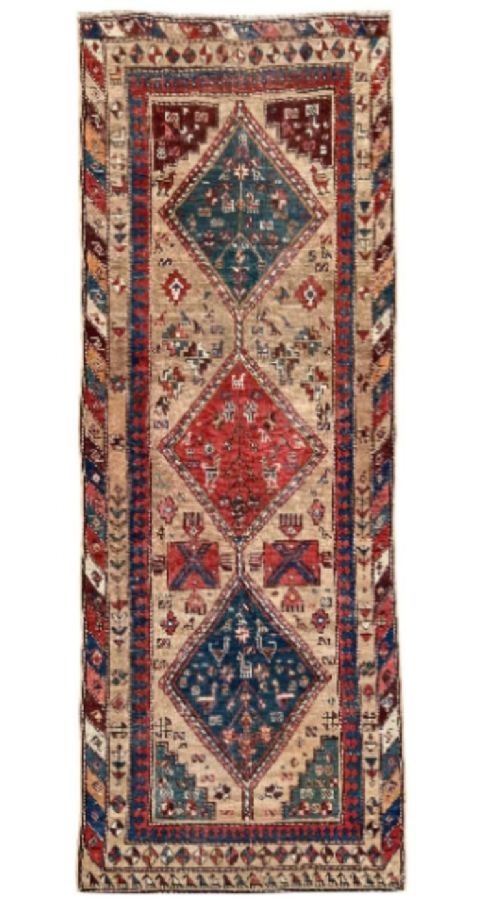
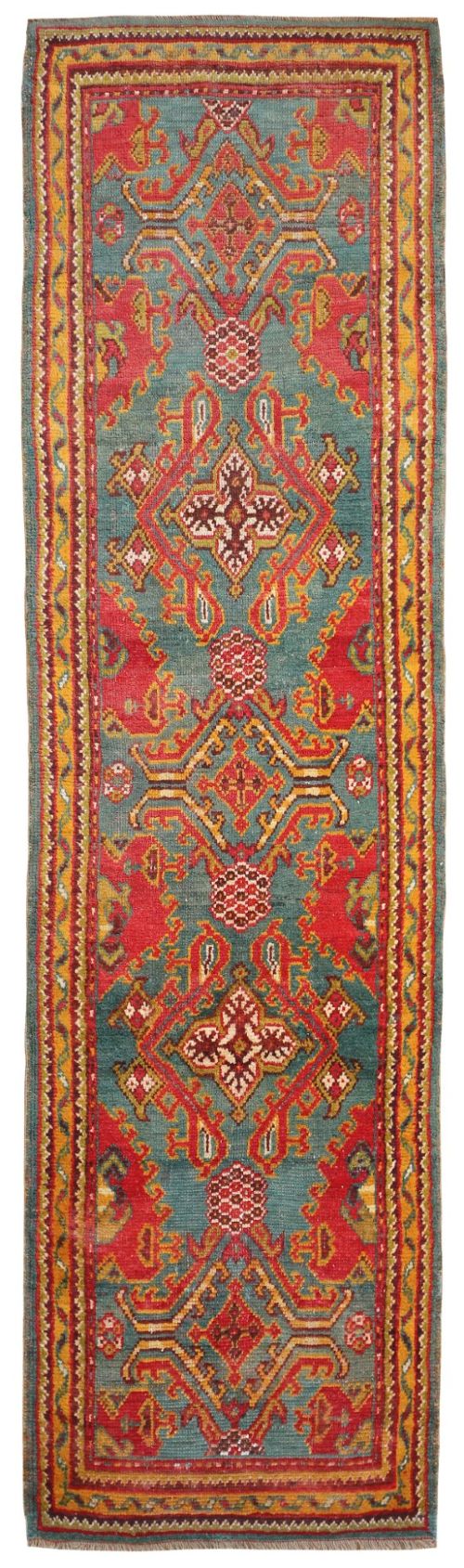
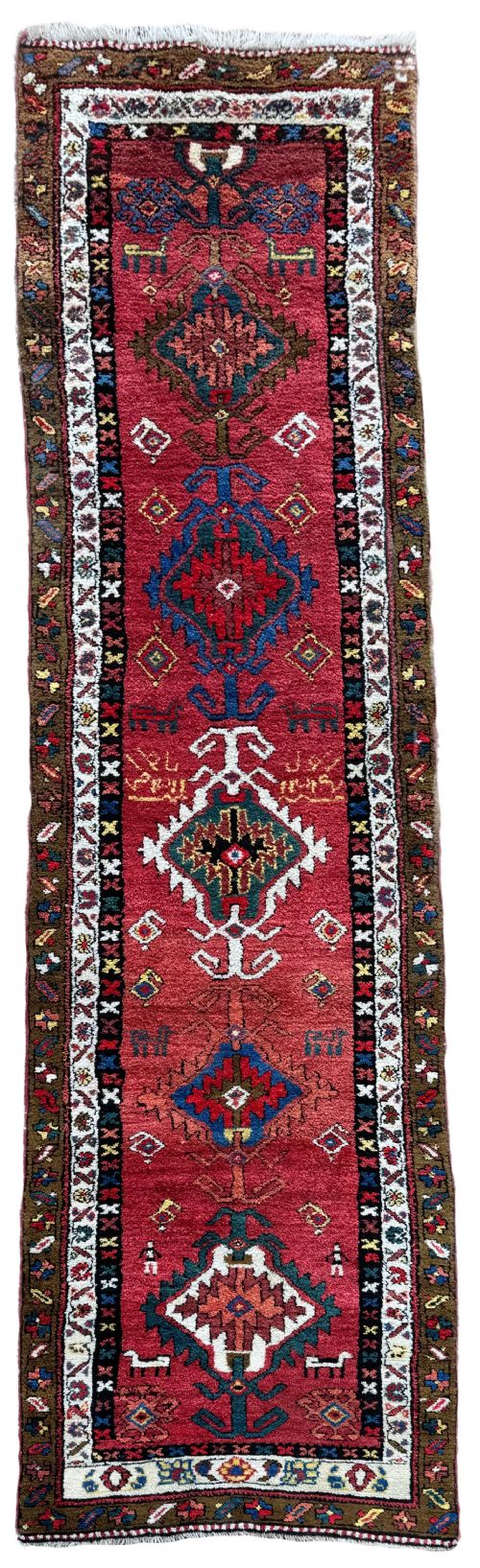
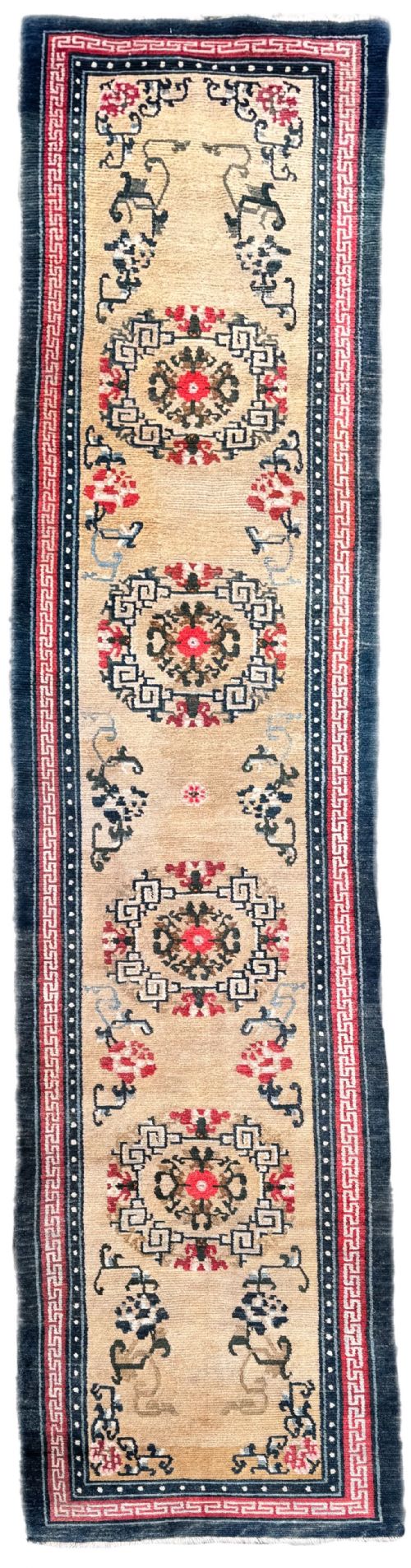

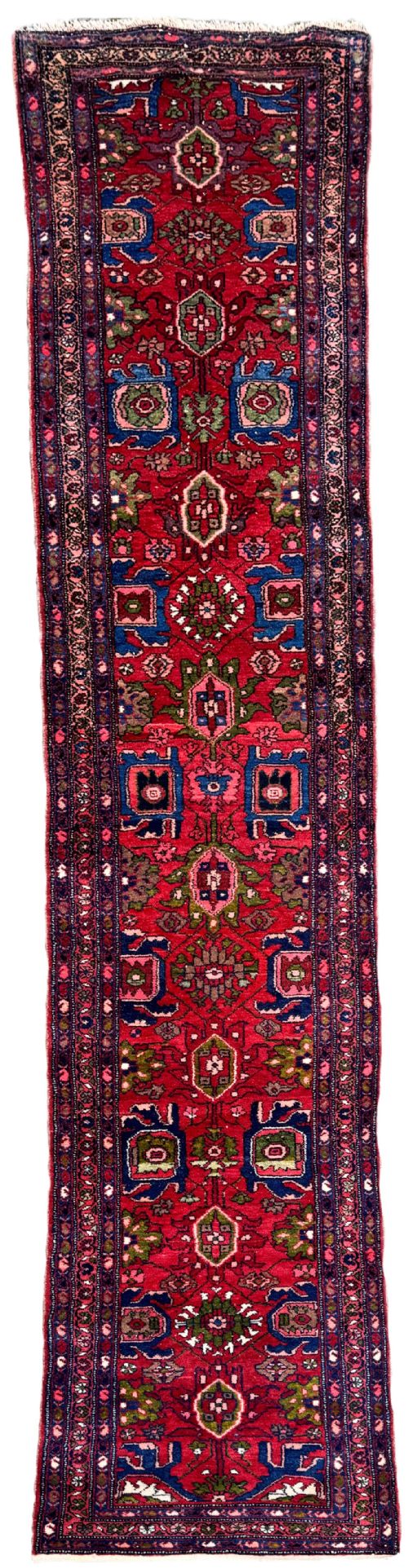
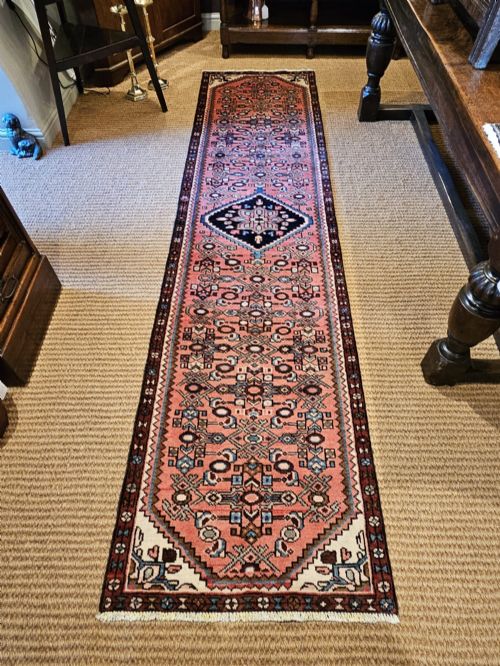

Wool Hallway Runner Carpet
A wool hallway runner carpet brings authentic tribal pattern and durable warmth to narrow spaces, drawing on Persian, Caucasian and Anatolian traditions.
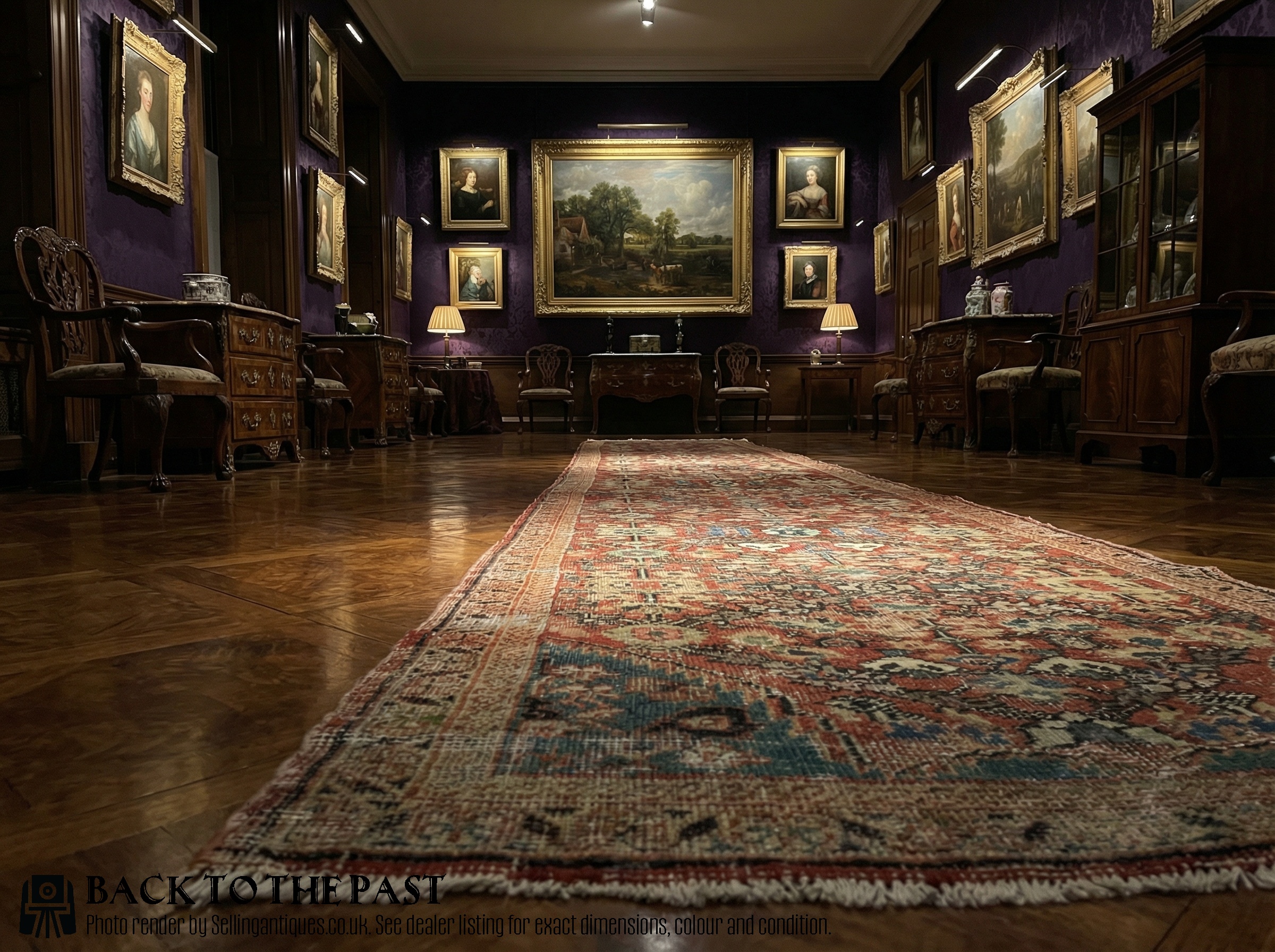
Wool Hallway Runner Carpet
A wool hallway runner carpet is a long, narrow textile designed for corridors, landings and high-traffic thoroughfares. These pieces range from compact proportions to exceptionally long formats spanning several metres.
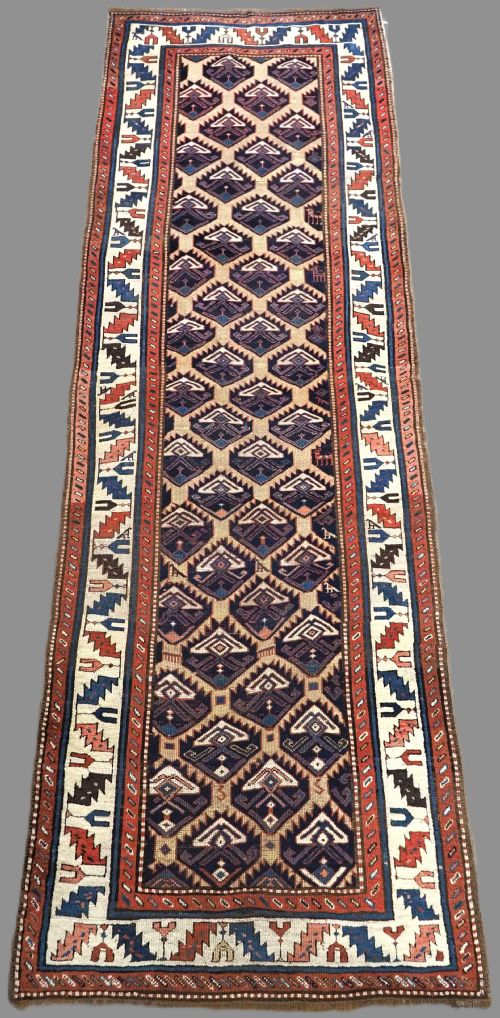
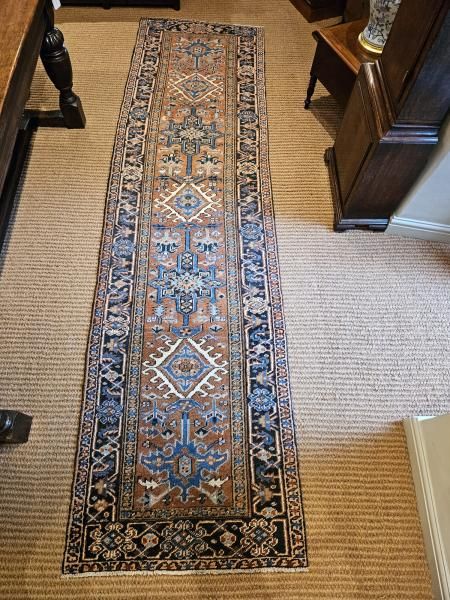
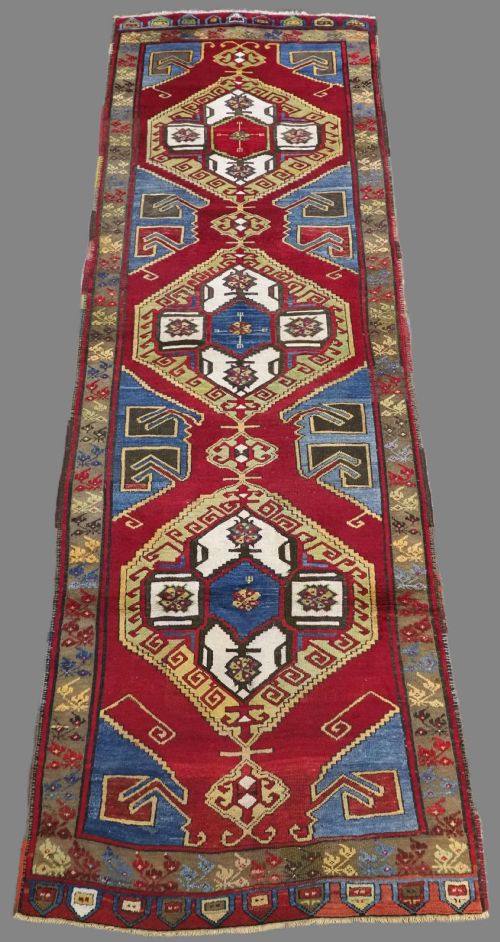
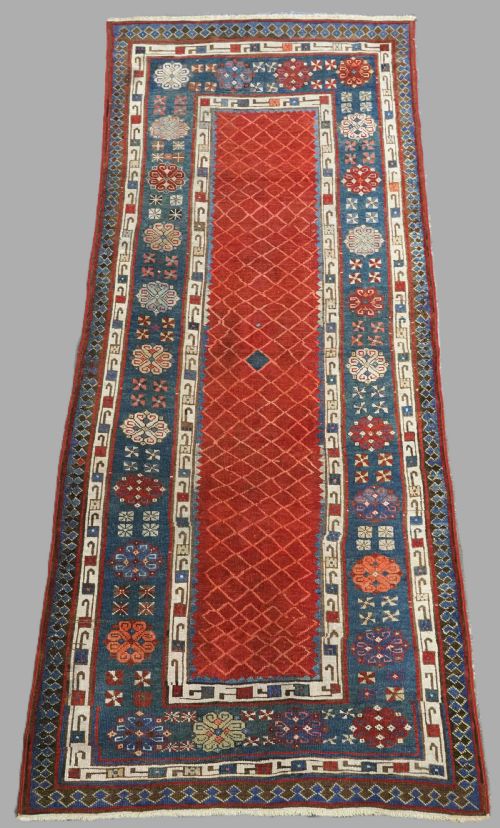
Buyers will encounter examples spanning the nineteenth and twentieth centuries, including traditional Persian styles and Caucasian weaves. The selection encompasses Kurdish, Heriz, Ushak and Oushak origins alongside general tribal designs.
These floor coverings transform empty passages by introducing rich heritage and grounded texture. The surviving examples demonstrate enduring utility combined with distinct regional artistry.
Materials and construction
The primary material across these pieces is wool, often paired with cotton for foundations. This combination provides the necessary structural resilience for heavy daily use in busy corridors.
Weavers utilised traditional handwoven techniques to create dense piles and flatweave surfaces. Natural dyeing methods yielded the varied background tones seen in historical pieces.
Listings feature wool and cotton materials across nineteenth and twentieth century periods, spanning Persian, Caucasian and Anatolian traditions.
Assessing quality and character
Quality rests in the precision of the weave and the complexity of the design elements, such as lattice patterns or tribal motifs. Tighter knotting and robust wool foundations distinguish more accomplished regional productions.
The depth and harmony of the natural palette contribute significantly to an individual runner's visual impact. Gradations in condition, from well-preserved piles to distressed historical surfaces, shape the character of each piece.
The Wool Hallway Runner Carpet Glossary
- Runner
- A long, narrow carpet format specifically suited for hallways, corridors and stairs. It provides linear floor coverage in confined spaces.
- Pile
- The cut or uncut loops of yarn that form the upright surface of the carpet. This layer bears the brunt of foot traffic.
- Kilim
- A flatwoven textile produced without a raised pile. These pieces offer a lighter profile on the floor.
- Warp
- The vertical foundation threads stretched tightly on the loom before weaving begins. The pile knots are tied around these structural lines.
- Weft
- The horizontal threads passed through the warp to hold the knots in place. Proper tension here ensures long-term durability.
Wool Hallway Runner Carpet: Frequently Asked Questions
Where should I place a runner?
These long carpets suit narrow spaces such as corridors, hallways and landings. They protect high-traffic wooden flooring while softening acoustics.
Position them centrally to allow a border of exposed floor on either side. Ensure doors can swing freely over the pile thickness.
How do I care for antique wool carpets?
Regular gentle vacuuming without a beater bar removes surface dust and grit. Professional cleaning should be undertaken sparingly by specialists.
Protect the fibres from direct, prolonged sunlight to prevent colour fading. Rotate the piece periodically to distribute wear evenly along its length.
What styles are available?
The selection includes Persian, Caucasian, Anatolian and Kurdish designs. Common regional subtypes feature Heriz, Ushak, Shirvan and Hamadan patterns.
Geometric medallions, all-over lattice designs and tribal motifs appear frequently. Colourways range from deep navy and olive green to traditional reds and neutrals.
How do I determine the period?
Dating relies on stylistic analysis, material composition and structural characteristics. Pieces span the late nineteenth century through the early decades of the twentieth century.
Natural dye variations and handspun wool textures often indicate earlier production dates. Specific tribal attributions help anchor pieces within defined regional eras.