



Blue and Yellow Pottery
Blue and yellow pottery brings together cobalt and ochre pigments across earthenware, tin glaze and faience.
Blue and Yellow Pottery
Blue and yellow pottery encompasses items described by the search phrase, ranging from chargers and drug jars to plaques and vases. Pieces span the seventeenth, eighteenth and nineteenth centuries, alongside twentieth-century examples.
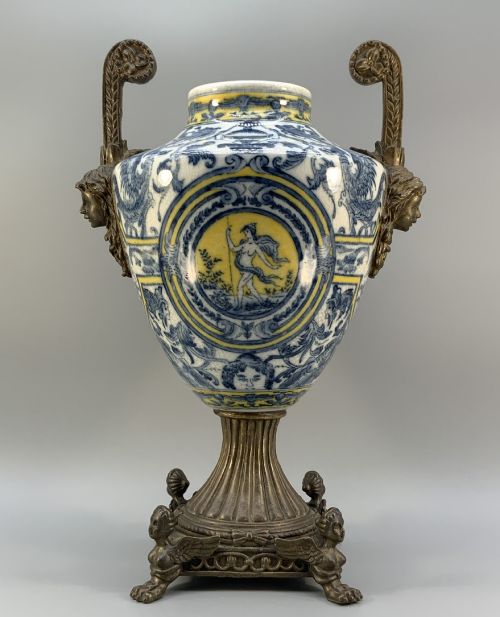
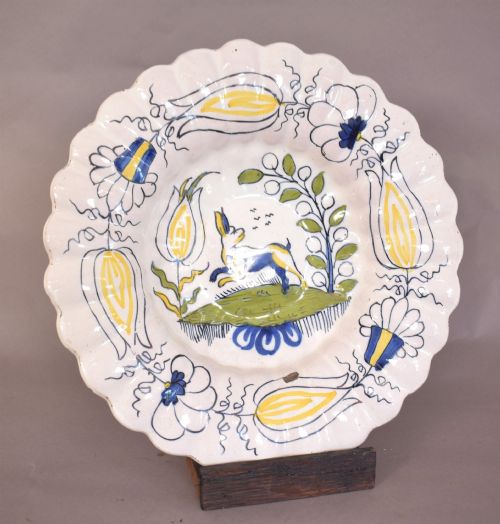
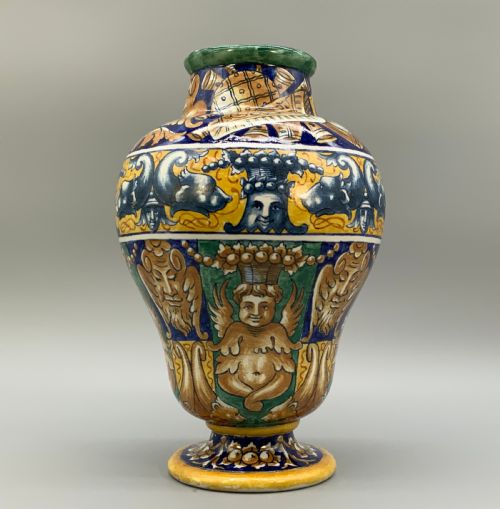
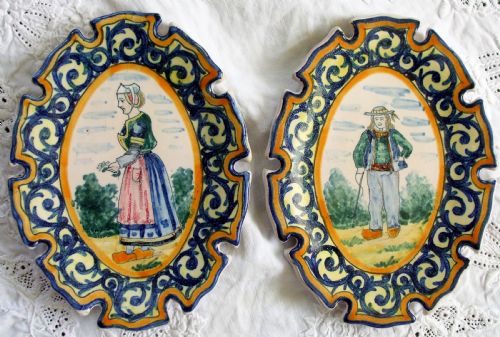
The version most commonly met on this page is European faience and tin-glazed earthenware, particularly Dutch Delftware, Italian majolica and French Quimper pieces. These objects display hand-painted decoration combining blue tones with contrasting yellow pigments.
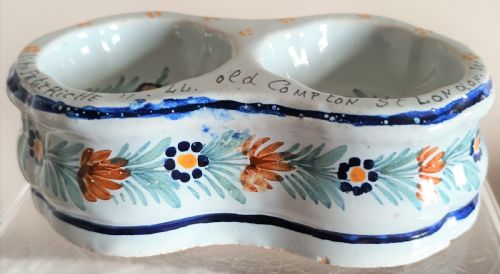
Forms include utilitarian apothecary vessels such as albarelli alongside display items like decorative plates and chargers, reflecting centuries of ceramic production across various workshops.
Assessing quality in the pieces
Quality rests upon the crispness of the hand-painted brushwork and the stability of the glaze over the earthenware body. Strong definition in the blue and yellow pigments marks superior output.
The sophistication of the form and the clarity of the historical style, whether Renaissance Revival or Dutch Baroque, separate standard production from more ambitious workshop pieces.
Blue and Yellow Pottery Retail Price Guide 2026
Typical asking prices for blue and yellow pottery among the pieces listed under this phrase on Sellingantiques today, from the lower quarter to the upper quarter. They describe what is for sale here now, not the wider market.
Listings feature earthenware, tin glaze and terracotta materials spanning the seventeenth century through to the 1930s.
Moorcroft Hazeldene·HB Quimper·HR Quimper·Ruskin Pottery·Spode
The Blue and Yellow Pottery Glossary
- Faience
- Tin-glazed earthenware produced in continental Europe, typically featuring painted decoration over an opaque white enamel ground. This technique allows for detailed polychrome designs.
- Albarello
- A cylindrical earthenware jar used by apothecaries to store drugs, ointments and dried herbs. These vessels often feature painted labels and decorative panels.
- Charger
- A large decorative plate or dish intended for display on a wall or sideboard rather than for dining. They frequently showcase pictorial scenes or heraldic motifs.
- Majolica
- Italian tin-glazed earthenware decorated with brightly coloured metal oxides. The tradition dates back to the Renaissance and continued through later revival periods.
Blue and Yellow Pottery: Frequently Asked Questions
What is blue and yellow pottery?
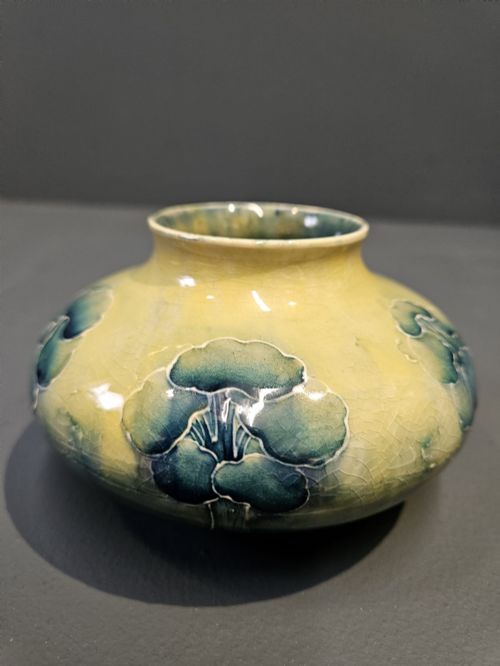
Blue and yellow pottery comprises ceramic items finished with tin glaze, faience or crystalline glazes incorporating cobalt and yellow pigments. The category includes vessels, plates and plaques from various European and international traditions.
These objects span multiple centuries, uniting utilitarian wares and decorative display pieces under a distinct palette of contrasting blues and yellows.
How were apothecary jars used?
Apothecary jars, such as albarelli, held medicinal substances, dried herbs and ointments in dispensaries and pharmacies. Their shape allowed them to be stored closely on shelves while keeping contents identifiable.
Many examples feature painted labels alongside decorative blue and yellow floral or geometric patterns suited to professional interiors.
How do I identify tin glaze?
Tin glaze presents an opaque white or cream surface over an earthenware or ceramic body, created by adding tin oxide to the liquid glaze. This surface acts as a canvas for painted pigments.
Examining the underside or base often reveals the porous earthenware body beneath the glossy glazed exterior.
Where were faience chargers made?
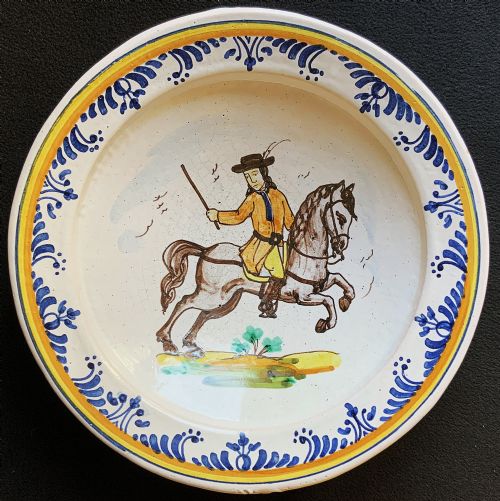
Faience chargers were produced in various European ceramic centres, including workshops in Holland, France, Italy and Spain. Each region developed distinct painting styles and palette preferences.
Dutch and Italian makers frequently utilised tin glaze to produce large wall plates decorated with historical or floral scenes.